Pisac: Inca ruins and traditional market
Pisac, Peru
Pisac is one of the most iconic destinations in the Sacred Valley of the Incas. It is widely known for its impressive Inca ruins and its traditional artisan market.
This town is located a few kilometers from Cusco and preserves a strong Andean cultural identity. Its landscapes, historical importance, and local life attract travelers from different parts of the world.
Visiting Pisac allows travelers to explore the Inca legacy through well-preserved archaeological remains. At the same time, the local market reflects living traditions, ancestral customs, and regional craftsmanship.
For this reason, Pisac offers a complete experience that combines history, culture, and authenticity in a single destination.
History of Pisac, Andean origin and Inca legacy through time
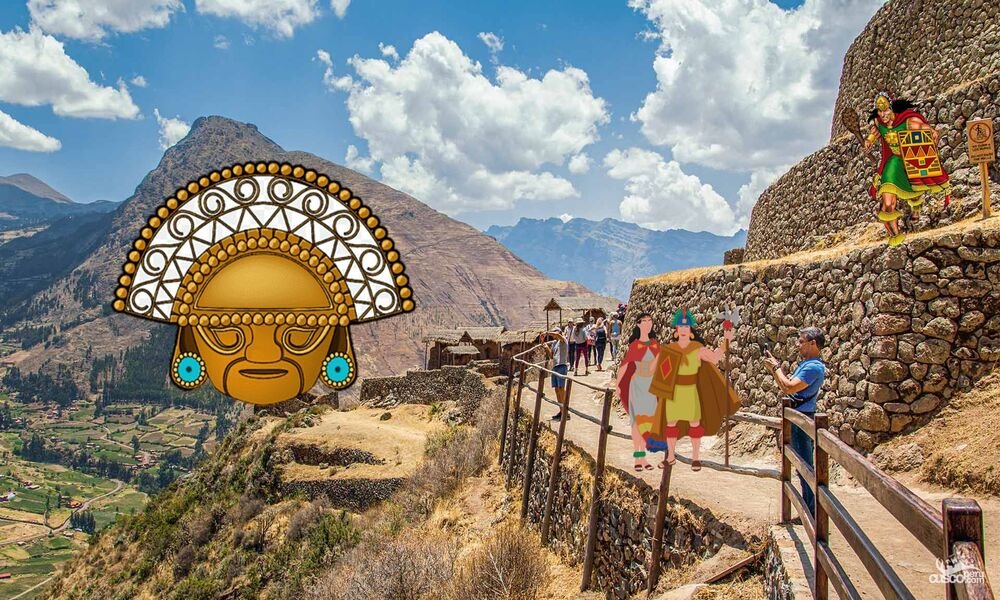
The history of Pisac dates back to pre-Inca times, when several Andean communities settled in this area of the Sacred Valley. These early populations took advantage of fertile land and constant water sources to develop agricultural activities that supported daily life.
Over time, the area gained importance due to its strategic location. Visual control of the valley and proximity to the Vilcanota River encouraged the development of organized settlements. As a result, Pisac became an ideal place for expansion.
During the growth of the Inca Empire, Pisac acquired a key role within the political, economic, and religious system. Under the rule of Inca Pachacuti, the site was reorganized and strengthened, becoming an important administrative and ceremonial center.
In addition, the design of the complex reflects advanced Andean knowledge in architecture, agriculture, and astronomy. Each sector served a specific purpose, which highlights Pisac’s relevance within the imperial structure.
Pisac before and during the Inca Empire
Before the consolidation of the Inca Empire, the Pisac region was inhabited by Andean groups that developed farming systems adapted to mountainous terrain. These communities cultivated corn, potatoes, and other Andean crops using natural terraces.
With the arrival of the Incas, Pisac was incorporated into the Tahuantinsuyo and experienced major changes. The Incas expanded agricultural terraces, improved irrigation systems, and built stone structures that remain visible today.
During this period, the site fulfilled several functions. It served as an agricultural center, an administrative space, and a strategic observation point over the Sacred Valley.
Moreover, Pisac became part of the Inca road network, which allowed communication with Cusco and other important settlements. This connection strengthened its political and economic role within the empire.
The religious and symbolic role of Pisac
Spirituality played a fundamental role in the history of Pisac. For the Incas, the site held deep symbolic meaning due to its high-altitude location and close relationship with nature.
Pisac was considered a sacred space where rituals dedicated to Andean deities were performed, especially ceremonies honoring Inti, the sun god. These rituals were closely connected to agricultural cycles and celestial observation.
The ceremonial structures reflect the Andean worldview, which emphasized balance between humans, nature, and the spiritual world. In fact, the orientation of several buildings suggests knowledge of astronomy.
Additionally, the surrounding sacred mountains, known as apus, reinforced the spiritual importance of the site and formed an essential part of religious life.
Pisac during the conquest and colonial era
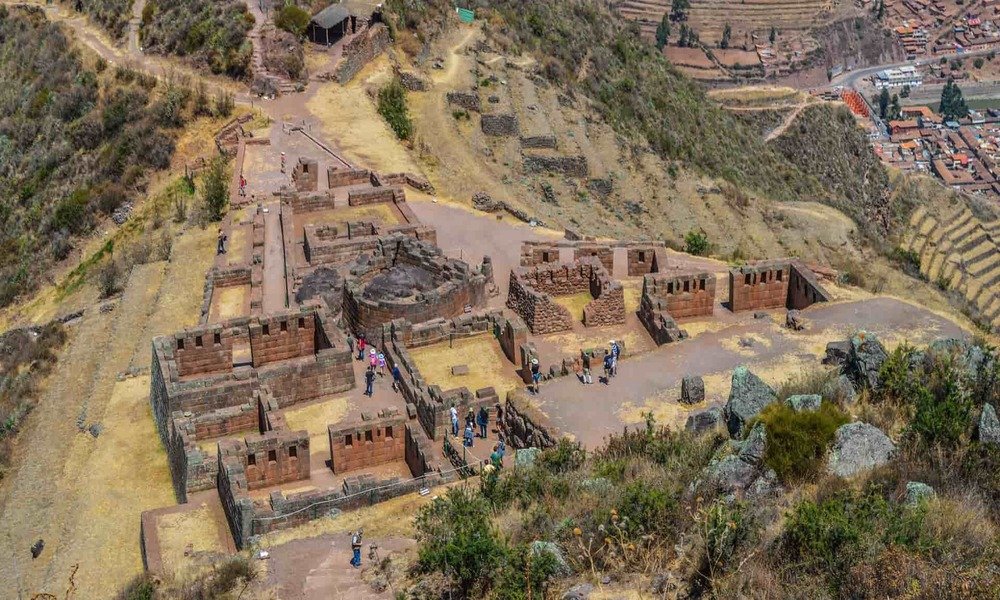
The arrival of the Spanish marked a profound change in the history of Pisac. The Inca political and religious system was dismantled, and many of the site’s original functions fell into disuse.
During the colonial period, the inhabitants were relocated to lower, more accessible areas of the valley, giving rise to the present-day town of Pisac. This process was a response to the territorial reorganization imposed by the colonizers.
Despite these changes, the local population maintained many of its ancestral traditions. Agricultural practices, festivities, and the use of Quechua continued to be part of daily life.
The ruins of Pisac remained a silent testament to the Inca past. Over time, the site acquired new value as a historical and cultural heritage site, recognized for its archaeological importance.
Pisac today and its historical value
Today, Pisac is recognized as one of the most important archaeological sites in the Sacred Valley of the Incas. Its ruins not only represent a vestige of the past, but also a key source for the study of the Inca civilization and its relationship with the Andean environment.
The site has been the subject of archaeological investigations that have provided a better understanding of the social, economic, and religious organization of the empire. These investigations have contributed to the enhancement of the complex and its preservation as cultural heritage.
Tourism plays a fundamental role in the preservation of Pisac. The constant influx of national and international travelers has boosted conservation projects and strengthened the site’s importance within the Cusco tourist circuit. At the same time, it promotes respect for heritage and cultural education.
Pisac continues to be a space for learning and reflection. Its presence allows us to connect the past with the present and understand the importance of preserving Andean cultural heritage for future generations.
Cultural and tourist importance and future projection
Pisac currently plays a fundamental role in the cultural and tourism development of the Sacred Valley. Its history, architecture, and traditions make it a key destination for cultural tourism in Peru.
Tourism generates economic opportunities for the local population. Artisans, guides, and merchants benefit directly from the influx of visitors, contributing to the sustainable development of the community.
Furthermore, Pisac is envisioned as a space where tourism and living culture converge. Local traditions, the use of Quechua, and local festivals keep the Andean identity alive, enriching the visitor experience.
Looking ahead, the conservation of the site and responsible tourism management will be essential to ensuring that Pisac remains a cultural landmark. Its future depends on a balance between economic development and the preservation of its historical heritage.
The ruins of Pisac, an archaeological legacy of the Sacred Valley
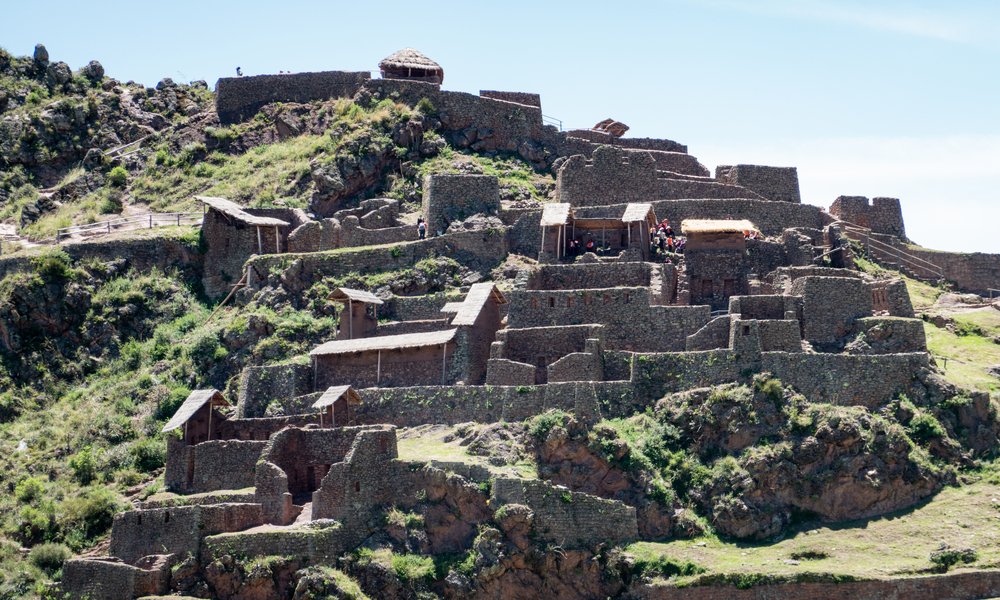
The ruins of Pisac constitute one of the most representative archaeological complexes in the Sacred Valley of the Incas. Its importance lies both in its historical value and in its strategic location and close relationship with the Andean landscape.
This site was built during the reign of the Inca Pachacuti and served agricultural, religious, and administrative functions. The layout of its structures demonstrates the high level of knowledge the Inca civilization achieved in architecture, engineering, and land-use planning.
Currently, the ruins of Pisac are part of the main tourist circuits of Cusco and allow the visitor to understand the social and spiritual organization of the Inca Empire.
Strategic location and Inca architecture
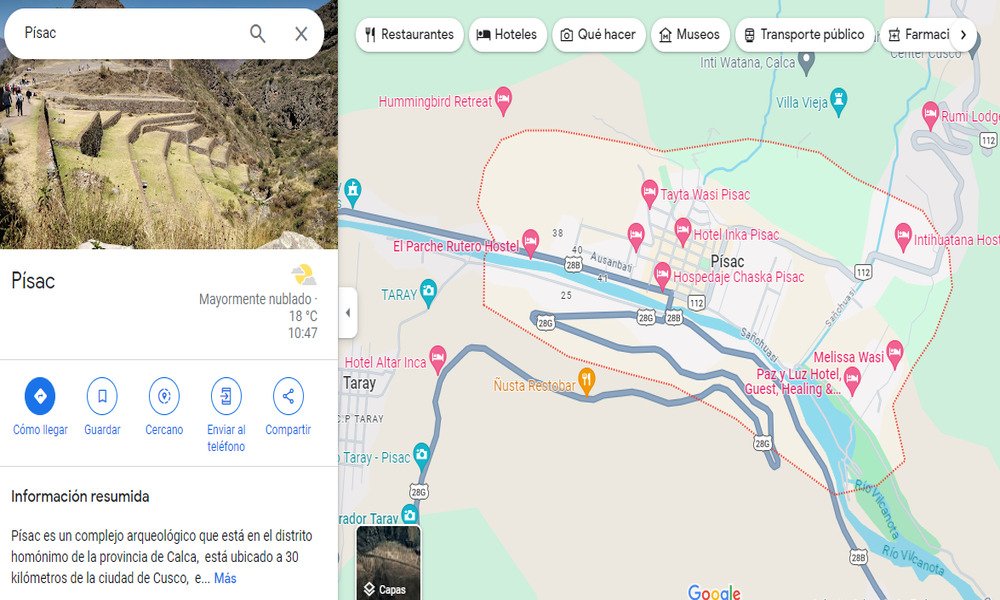
The Pisac archaeological complex is located in the upper part of the district of the same name, approximately 33 kilometers from the city of Cusco. From this elevated position, there is a privileged view of the Vilcanota River valley, which allowed the Incas to control the territory and protect communication routes.
The site’s architecture is characterized by finely crafted stone walls and a layout adapted to the mountainous terrain. One of the most prominent features is the agricultural terraces, built to take advantage of the slopes and improve food production. These structures also served a climatic and soil conservation function, demonstrating the Incas’ profound understanding of the natural environment.
Spiritual function, landscape, and cultural value
Pisac was also an important ceremonial center. Within the complex are spaces dedicated to religious rituals linked to the worship of nature, the sun, and the stars. These practices were related to the agricultural calendar and natural cycles.
The landscape surrounding the ruins reinforces their sacred character. From the site’s heights, one can observe mountains, green terraces, and the course of the Vilcanota River, creating a harmony between architecture and nature. This relationship reflects the Andean worldview and a deep respect for the environment.
Today, the ruins of Pisac hold great cultural and touristic value. They are a symbol of the Inca legacy and a key site for preserving the historical identity of the Sacred Valley.
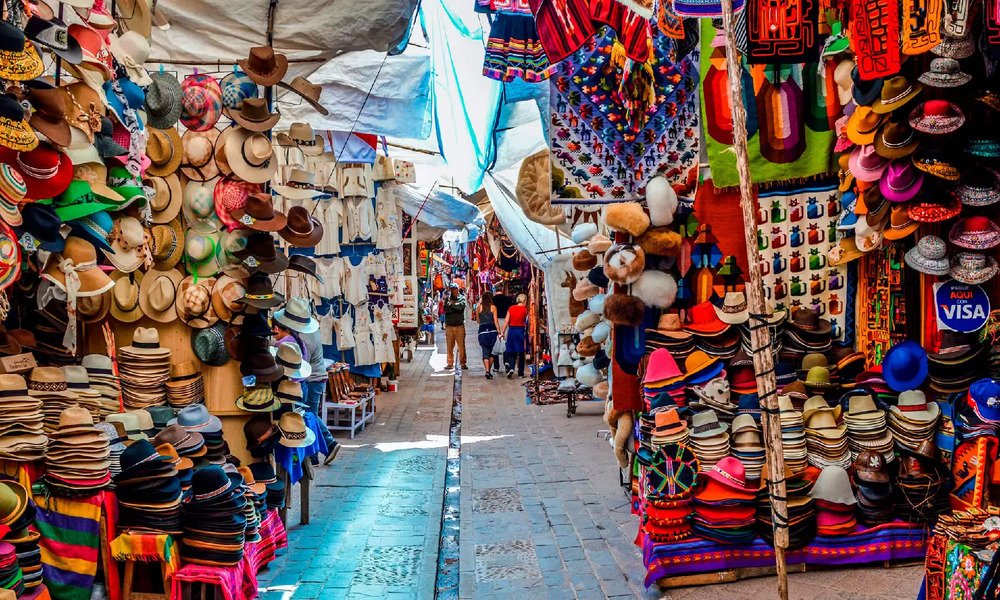
The Pisac market, a living tradition and Andean cultural expression
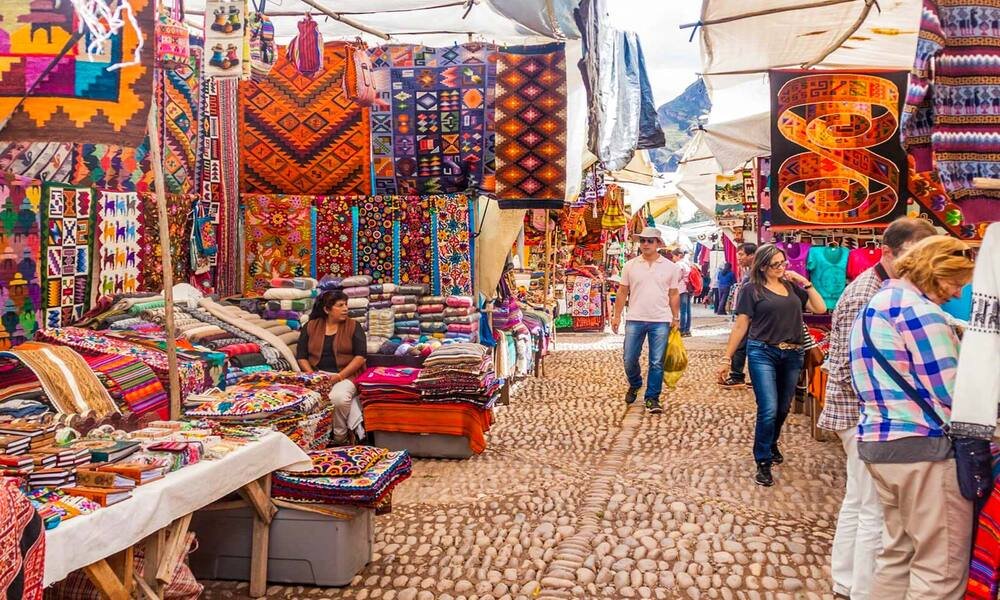
The Pisac market is one of the most traditional and representative in the Sacred Valley of the Incas. This space functions not only as a commercial center but also as a cultural meeting point where Andean customs are kept alive.
Located in the town center, the market brings together residents from nearby communities who come to sell their products. The commercial activity unfolds in a colorful, dynamic atmosphere, brimming with cultural expressions that attract both national and international visitors.
For many travelers, visiting the Pisac market allows them to experience the daily life of the local population and get closer to the cultural identity of the region.
Crafts, local products and everyday life
The Pisac market is renowned for the variety and quality of its handicrafts. Among the most common products are alpaca wool textiles, ponchos, chullos (Andean hats), blankets, and traditional handmade garments.
In addition to handicrafts, the market offers agricultural products such as fruits, vegetables, Andean grains, and typical local foods. These products reflect the ancestral farming practices still maintained in the communities of the Sacred Valley.
Direct interaction between vendors and visitors creates a friendly and authentic atmosphere. This exchange allows visitors to learn about the stories, traditional techniques, and cultural value of each product.
Cultural, tourist, and social significance
Beyond its commercial function, the Pisac market fulfills a fundamental social and cultural role. It is a space where community ties are strengthened and traditions are passed down from generation to generation.
From a tourist perspective, the market is one of the town’s main attractions. A visit to it complements the archaeological experience of the ruins and offers a closer look at living Andean culture.
The Pisac market represents a balance between tradition and tourism. Its preservation contributes to local economic development and the preservation of the Sacred Valley’s cultural identity.