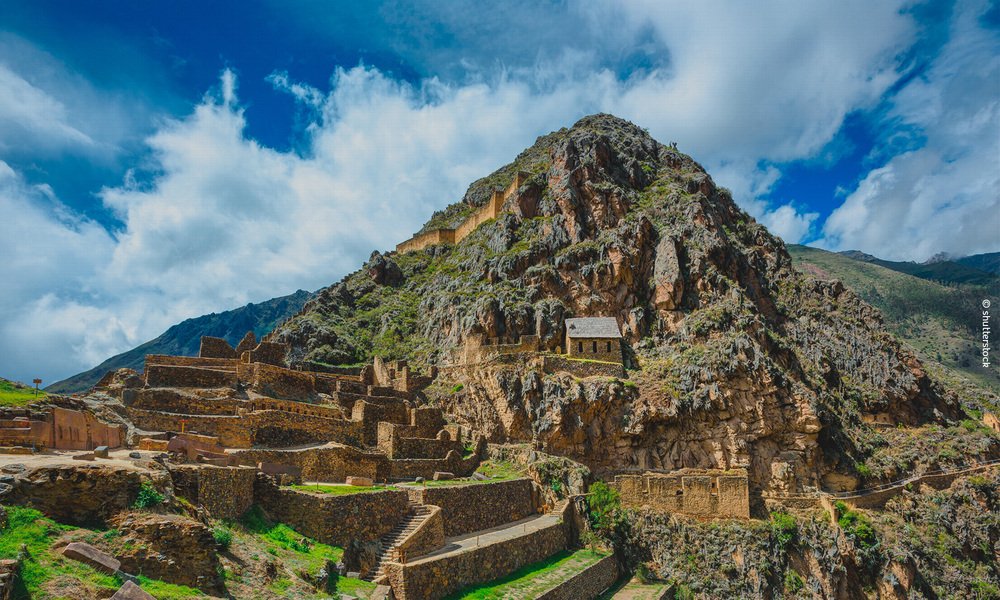
Ollantaytambo: the living Inca town of the Sacred Valley
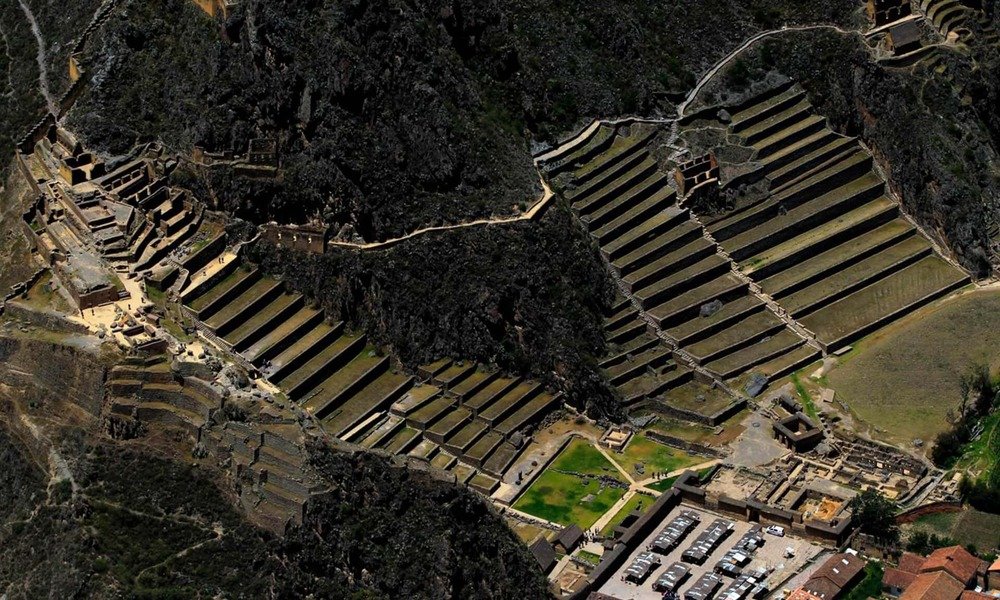
Ollantaytambo is one of the most emblematic destinations in the Sacred Valley of the Incas and is recognized as a truly living Inca town. Unlike other archaeological sites, this place not only preserves ancestral structures but also maintains a unique historical continuity, as it has been inhabited from Inca times to the present day.
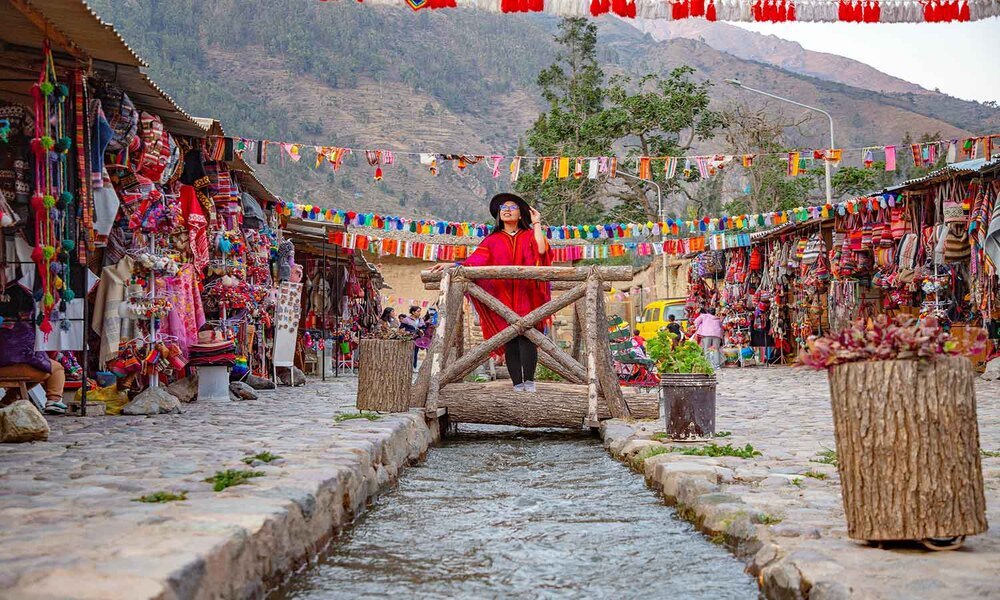
Located a few kilometers from Cusco, Ollantaytambo combines history, architecture, landscape, and daily life. Its cobblestone streets, water channels, and stone buildings reflect the advanced urban planning knowledge of the Inca civilization, which is still part of the daily life of the local population.
Visiting Ollantaytambo allows one to understand how the past and present coexist in the same space. For this reason, the town has become a key destination for cultural tourism and a fundamental reference point for understanding Andean heritage.
History and origin of Ollantaytambo as an Inca settlement
The history of Ollantaytambo dates back to pre-Incan times, when various Andean communities settled in this area due to its strategic location and the fertility of its lands. These early populations developed agricultural activities and made use of the surrounding natural resources.
With the growth of the Inca Empire, Ollantaytambo gained greater importance. During the reign of Inca Pachacuti, the site was transformed into a highly significant political, military, and ceremonial center within the Sacred Valley. This reorganization marked the beginning of its consolidation as one of the most important settlements of the Tahuantinsuyo.
Ollantaytambo before and during the Inca Empire
Before the Inca expansion, the territory of Ollantaytambo was already inhabited by Andean groups who possessed a deep understanding of the mountainous environment. These communities cultivated crops such as corn, potatoes, and other Andean foods, adapting to the valley’s conditions.
Later, with the arrival of the Incas, the settlement was incorporated into the imperial system. The Incas improved the agricultural terraces, built temples, fortresses, and a complex network of water canals. Thanks to these works, Ollantaytambo became a key agricultural center and a strategic point for controlling the territory.
Furthermore, its location allowed for the strengthening of the defense of the Sacred Valley against possible invasions, which explains the presence of military structures and elevated surveillance areas.
Urban organization and historical legacy
The urban layout of Ollantaytambo is one of the best-preserved examples of Inca planning. Its streets are laid out in a straight line and designed to harmonize with the natural terrain. Furthermore, the water channels continue to function to this day, demonstrating the efficiency of Inca engineering.
The houses, built with stone and adobe, maintain their original design, and many continue to be inhabited by the descendants of the ancient Andean populations. This makes Ollantaytambo an exceptional case within Peru’s cultural heritage.
Thanks to this historical continuity, the town is not just an archaeological site, but a living space where history remains present. Therefore, Ollantaytambo represents an invaluable legacy that directly connects the Inca past with contemporary life.
Ollantaytambo as a living Inca town and cultural continuity
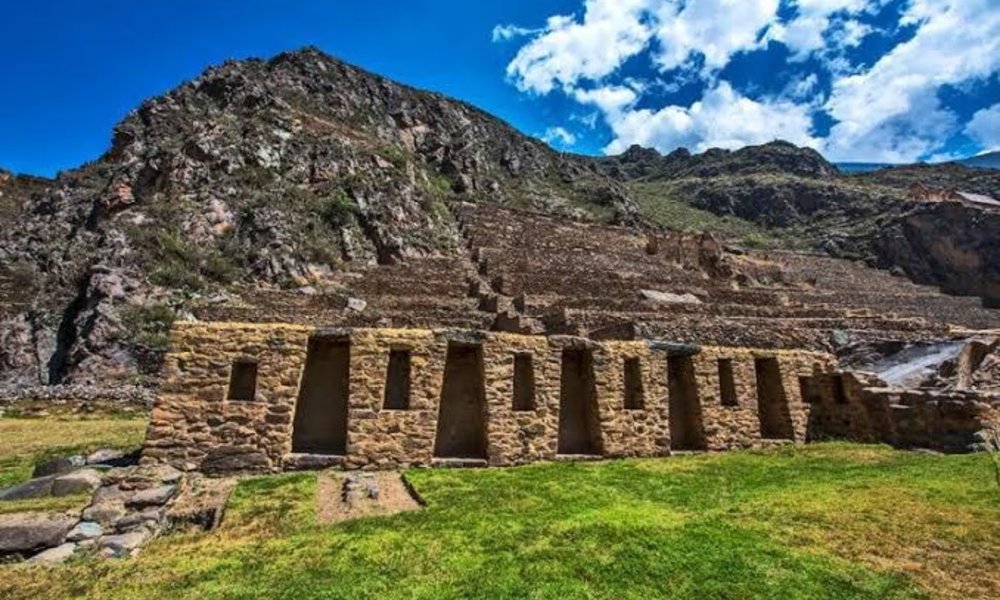
Ollantaytambo is considered a living Inca town because, unlike other archaeological sites, it maintains a historical and cultural continuity from Inca times to the present day. Here, ancestral structures are not only part of the landscape but also remain integrated into the daily lives of its inhabitants.
The local population preserves traditions, social practices, and forms of organization that are deeply rooted in Andean culture. This continuity makes Ollantaytambo a place where the past is not only seen as heritage, but as a way of life that remains alive.
Daily life, tradition and Andean heritage
Daily life in Ollantaytambo reflects a strong Andean cultural heritage. Many families live in homes built on Inca foundations, using traditional materials and techniques passed down through generations.
Daily activities are closely linked to agriculture, local trade, and tourism. Terrace farming, the use of water from Inca canals, and the raising of Andean animals are all part of the inhabitants’ daily routine.
Furthermore, the use of Quechua as an everyday language reinforces the cultural identity of the people. Traditional festivities, rituals linked to nature, and community practices continue to be central elements in the social life of Ollantaytambo.
Community, identity and cultural transmission
The community plays a fundamental role in preserving the identity of Ollantaytambo. Ancestral knowledge related to agriculture, construction, and social organization is transmitted orally and through practice, strengthening the sense of collective belonging.
Furthermore, the coexistence of residents and visitors has fostered a cultural exchange that, in many cases, promotes respect for and appreciation of heritage. Locals actively participate as guides, artisans, and tourism entrepreneurs, integrating their history into the visitor experience.
This relationship between community and heritage has allowed Ollantaytambo to maintain its essence despite the growth of tourism. In this way, the town continues to be a living symbol of Inca culture and an example of how tradition can coexist with the modern world.
Historical, archaeological and tourist importance of Ollantaytambo
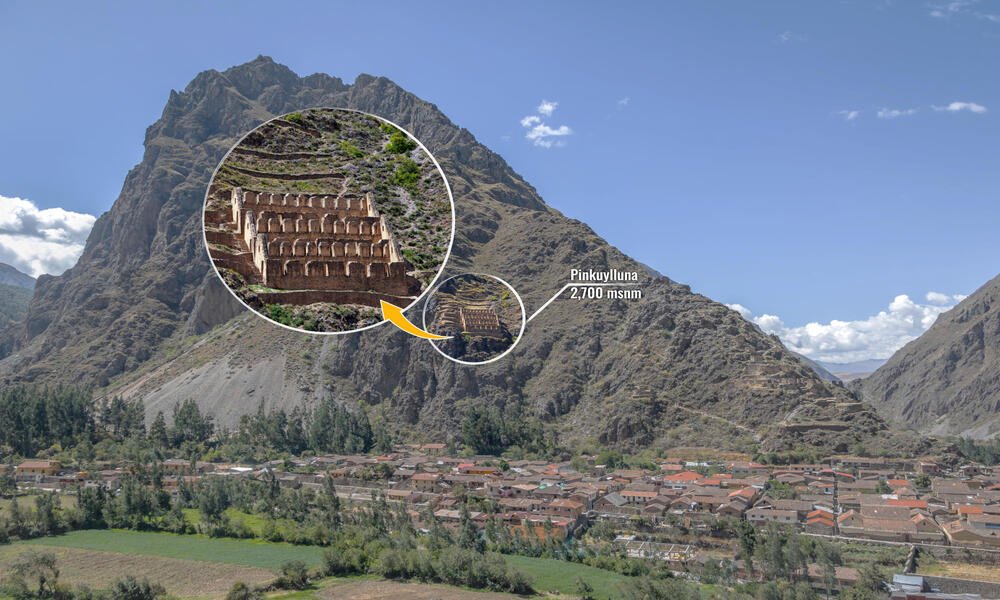
Ollantaytambo is one of the most important settlements in the Andean world due to its historical, archaeological, and touristic value. This site stands out not only for the scale of its constructions but also for the strategic role it played during the Inca period.
Its location within the Sacred Valley allowed for the control of trade and military routes, as well as the development of a complex agricultural and urban system. Today, Ollantaytambo has become a key point on the Cusco tourist circuit, attracting thousands of visitors each year.
The combination of tangible and intangible heritage makes this site a space of great relevance for the study of the Inca civilization and for the promotion of sustainable cultural tourism.
The archaeological complex and its historical value
The Ollantaytambo archaeological complex was built during the reign of Inca Pachacuti and represents one of the most advanced examples of Inca urban planning. Its temples, plazas, and agricultural terraces demonstrate a high level of knowledge in engineering, architecture, and social organization.
Among the most outstanding structures are the Temple of the Sun and the monumental terraces, built with enormous, finely carved stone blocks. These buildings served not only a religious function, but also a political and defensive one.
Furthermore, Ollantaytambo was the site of one of the most important battles between the Incas and the Spanish conquistadors. This historical resistance reinforces its symbolic value as the last Inca stronghold against the European invasion.
Strategic location and relationship with the Sacred Valley
The location of Ollantaytambo was carefully selected by the Incas. Situated between mountains and next to the Vilcanota River, the site offered ideal conditions for defense, agriculture, and communication with other important centers of the Inca Empire.
From this point, routes connecting Cusco with the Amazon and other regions of the empire were controlled. This connectivity made Ollantaytambo a strategic center within the Inca road system.
The natural environment also directly influenced the settlement’s design. Agricultural terraces allowed for the use of the mountain slopes, while water channels ensured irrigation and water supply for the population.
Cultural tourism and its impact on local development
Today, Ollantaytambo is one of the most visited tourist destinations in the Sacred Valley. Its proximity to Cusco and its connection to Machu Picchu make it a strategic point for national and international tourism.
Tourism has generated significant economic benefits for the local population. Activities such as tour guiding, handicrafts, and lodging services have improved the quality of life for many residents.
However, challenges related to heritage conservation also exist. Therefore, it is essential to promote responsible tourism that respects cultural identity and contributes to the preservation of Ollantaytambo as a living Inca village.
Ollantaytambo as the gateway to Machu Picchu
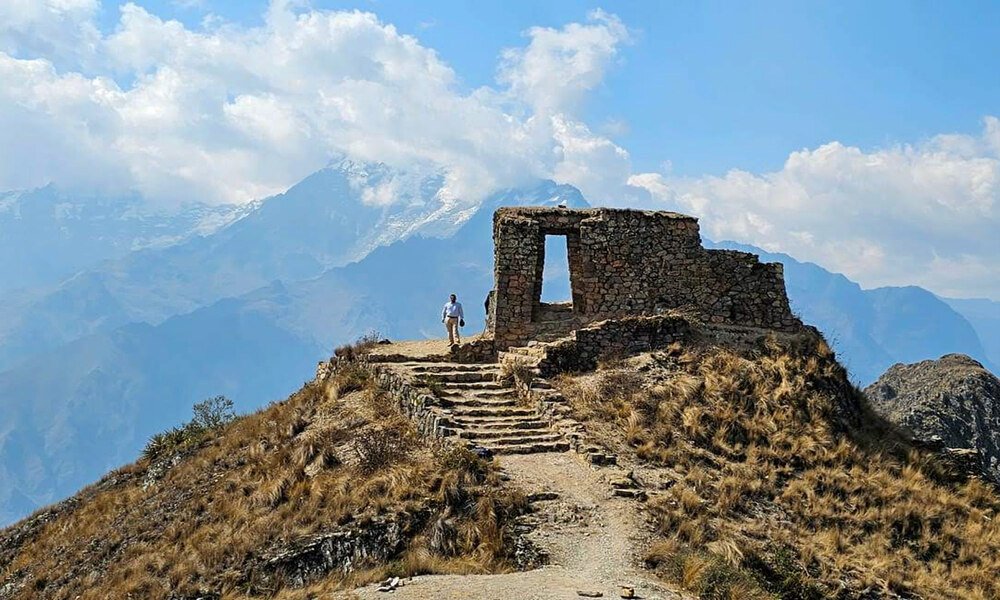
Ollantaytambo plays a fundamental role in tourism in the Sacred Valley, as it is considered the main connection point to Machu Picchu. Its strategic location and infrastructure make it a key stop for travelers continuing their journey to the Inca citadel.
This town not only functions as a transit center, but also as a destination that invites you to stay, learn and understand the Andean culture before arriving at one of the most emblematic sites in Peru.
Connectivity, transport and routes to Machu Picchu
Ollantaytambo is the starting point for the main train station that connects the Sacred Valley with Aguas Calientes, the gateway to Machu Picchu. This route is used by most visitors due to its accessibility and efficiency.
In addition to the train, Ollantaytambo is connected to Cusco by a road network that allows travel by road through traditional villages in the valley. This connectivity facilitates integrated tourist circuits and promotes a steady flow of visitors.
The ease of access has made Ollantaytambo an important logistics center, where travelers organize their itinerary, rest and prepare for the visit to Machu Picchu.
Accommodation, tourist services and pre-trip experience
The growth of tourism has driven the development of tourist services in Ollantaytambo. The town boasts a wide range of accommodations, from family-run guesthouses to boutique hotels, catering to different types of travelers.
There are also restaurants, travel agencies, and tourist information centers that provide guidance and support to visitors. These services allow for a comfortable and enriching stay before continuing on to Machu Picchu.
For many travelers, spending a night in Ollantaytambo offers a more tranquil and authentic experience. The town’s atmosphere, combined with its history and traditions, allows for a better adaptation to the Andean environment and enriches the overall trip.