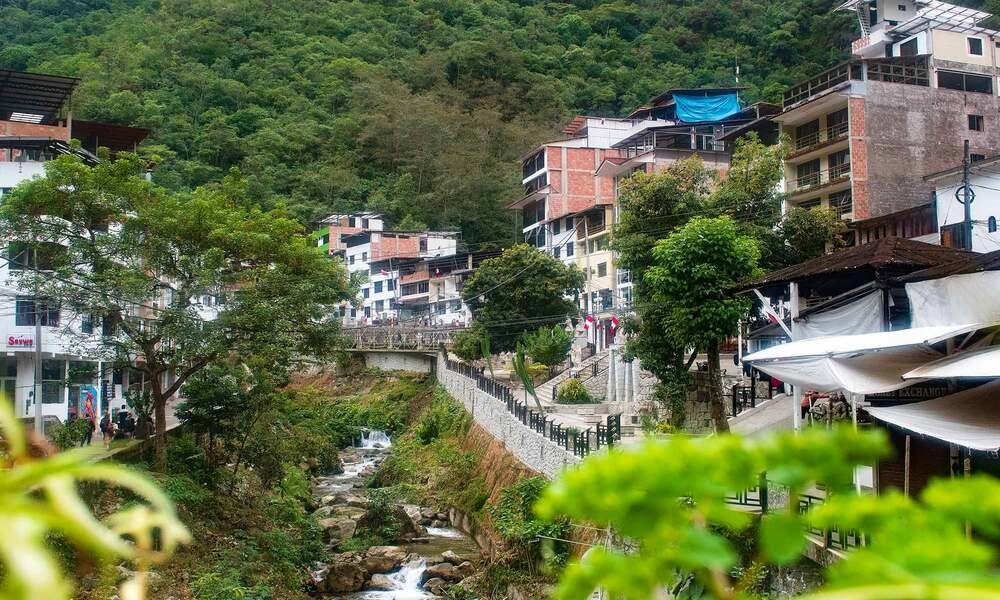
Aguas Calientes Market: local flavors and culture
The Aguas Calientes Market , located in Machu Picchu Pueblo, is one of the most authentic and representative spaces of local daily life. This market brings together traditional cuisine, fresh produce, natural juices, and small cultural expressions that reflect the Andean-Amazonian identity of the area. For many travelers, it is their first real contact with the local culture before visiting the Inca citadel.
Besides being a key source of daily sustenance for the locals, the market has become an ideal destination for visitors seeking an authentic, affordable, and engaging experience. Here, you can enjoy traditional dishes, interact with local vendors, and observe the daily life of a community closely connected to Machu Picchu and tourism.
History and evolution of the Aguas Calientes Market
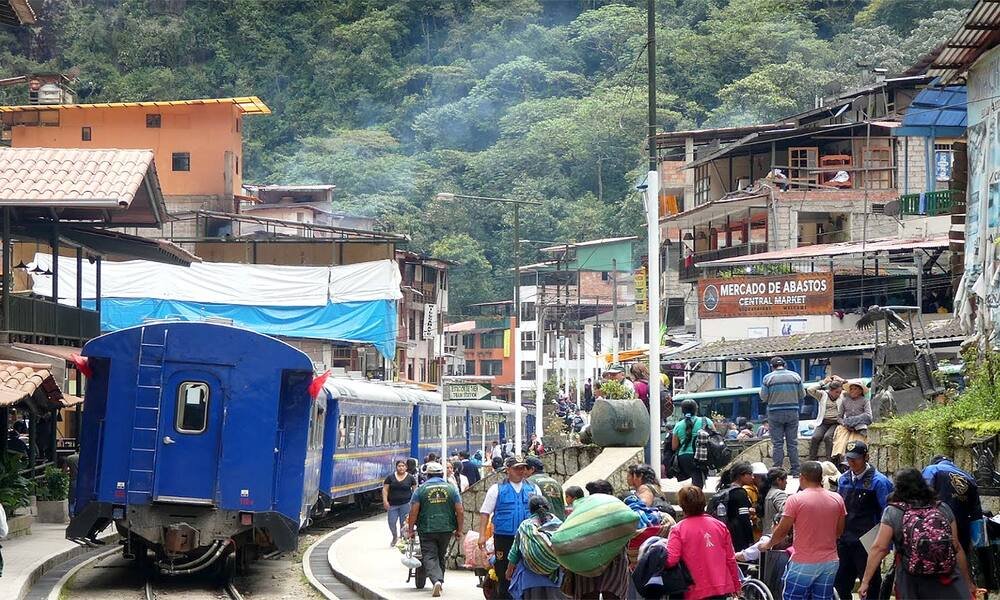
The Aguas Calientes Market, located in Machu Picchu Pueblo, is one of the most representative spaces of local daily life. Its origin is closely linked to the town’s growth as a mandatory stop on the way to the Machu Picchu citadel. Initially, the market emerged as a small, informal space where residents offered basic goods to supply workers, farmers, and travelers arriving by train.
Over time, as tourism increased, the market evolved in both infrastructure and offerings. However, unlike other more commercial tourist destinations, this market has managed to preserve its local essence. Today, it continues to be a place where tradition, daily needs, and tourism converge, reflecting the community’s adaptation process without losing its cultural identity.
From local market to key space for tourism
In its early years, the market served primarily a community function. The products sold were intended for the daily consumption of local families, such as vegetables, grains, meats, and simply prepared foods. However, as Machu Picchu became established as one of the world’s most visited destinations, the market began to gradually transform.
Currently, the market caters to the needs of both residents and visitors. On the one hand, it remains an essential source of supplies for the local population. On the other, it has become an accessible option for tourists seeking affordable, quick, and authentic meals. This duality has allowed the market to maintain its relevance within the town, adapting to tourism without becoming an artificial or exclusively commercial space.
Cultural adaptation and permanence of local identity
Despite the changes brought about by mass tourism, the Aguas Calientes Market retains a strong cultural identity. The service, traditional flavors, and internal dynamics of the market continue to reflect the Andean and Amazonian customs that characterize the region. Many of the vendors are local women who have inherited recipes, culinary techniques, and knowledge from generation to generation.
Furthermore, the market functions as a social space where community ties are strengthened. Here, not only are products exchanged, but also stories, experiences, and cultural practices. In this way, the market is not merely a place of commerce, but also a vibrant stage where local culture continues to manifest itself naturally, even in a highly touristic context like Machu Picchu Pueblo.
Structure and organization of the Aguas Calientes Market
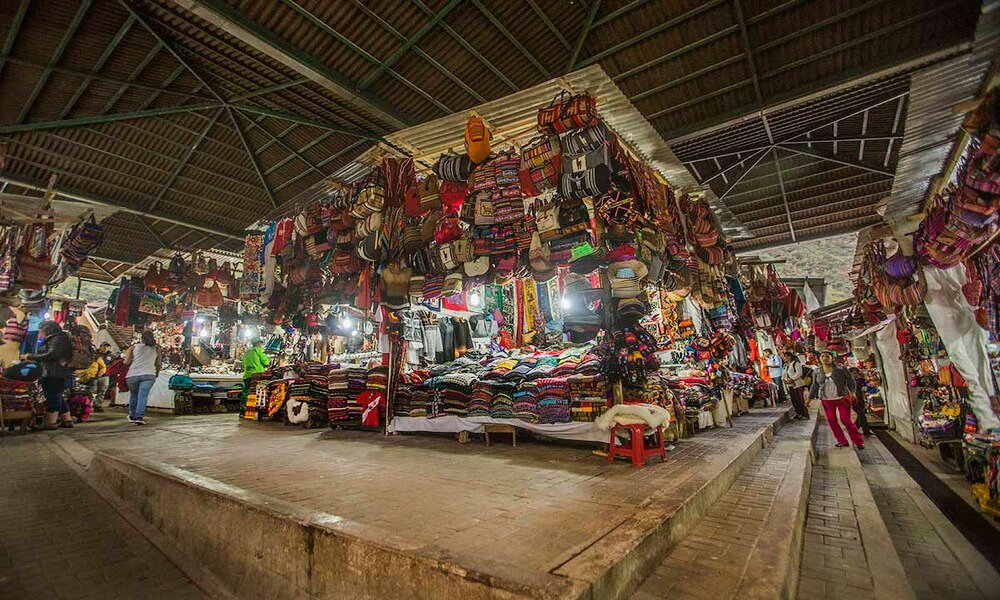
The Aguas Calientes Market is organized in a functional and dynamic way, allowing both locals and visitors to navigate it with ease. Its structure responds to the daily needs of the town and the constant flow of tourists who arrive in Machu Picchu Pueblo throughout the year. The aisles, stalls, and areas are distributed practically, prioritizing quick access to basic products and services.
Unlike more modern markets, this space maintains a traditional layout, where each section serves a specific function. This arrangement not only facilitates shopping but also allows one to understand how the market shapes the economic and social life of the town.
Distribution of positions and types of commerce
The market has clearly differentiated areas depending on the type of product offered. On one side are the prepared food stalls, where breakfasts, lunches, and home-style dishes are served to both locals and tourists. These areas tend to be the busiest, especially in the morning and at midday.
On the other hand, there are sections dedicated to selling fresh produce such as fruits, vegetables, meats, and grains, which primarily supply the town’s families and small local businesses. Stalls selling basic necessities, beverages, snacks, and some everyday items can also be found. This variety makes the market a comprehensive space, where much of Aguas Calientes’ daily commercial activity is concentrated.
Daily dynamics and internal workings of the market
The market opens very early, adapting to the rhythm of tourism and the local community. In the early hours, the market welcomes workers, guides, and travelers looking for a quick breakfast before heading to Machu Picchu. Throughout the morning, the flow increases with the arrival of tourists exploring the town.
During the day, the market transforms into a constant meeting point. Vendors, shoppers, and visitors interact in a lively yet orderly environment, where direct and personalized service is a key characteristic. This daily dynamic allows the market to maintain a vibrant identity, functioning not only as a supply center but also as a social space that reflects the daily pulse of Machu Picchu Pueblo.
Local gastronomy and traditional market dishes
One of the biggest draws of the Aguas Calientes Market is its local cuisine, based on simple yet representative dishes from Andean and Amazonian cooking. Here you can find home-style meals prepared daily, using fresh ingredients bought right at the market or brought from nearby communities in the Sacred Valley and the cloud forest.
The dishes typically include hearty soups, traditional stews, rice, legumes, chicken, trout, and side dishes such as native potatoes or fried plantains. This food not only serves a nutritional purpose but also allows visitors to experience the everyday flavors of the local population in an authentic setting, free from tourist trappings.
Popular breakfasts and options for travelers
The market is a key spot for breakfast in Aguas Calientes, especially for those planning to visit Machu Picchu early in the morning. From the early hours, several stalls offer full breakfasts that include hot drinks such as coffee, tea, coca tea, or Andean infusions, accompanied by bread, eggs, fruit, or hot oatmeal.
These options are practical, economical, and energy-efficient, designed for both local workers and tourists who need a good meal before a hike or archaeological visit. Furthermore, the service is usually quick and straightforward, making the market an efficient alternative to more formal restaurants.
Fresh produce and daily supplies
Beyond prepared food, the market serves an essential function as a supply center for fresh produce. Its stalls offer tropical fruits, vegetables, tubers, grains, and other staple foods that arrive daily from nearby agricultural areas.
This constant flow of goods reflects the connection between Aguas Calientes and the rural communities that supply the town. For visitors, exploring these areas allows them to observe the diversity of local products and understand how daily life is sustained in a tourist environment that, despite its international fame, continues to rely on traditional commerce.
Crafts, souvenirs and small businesses
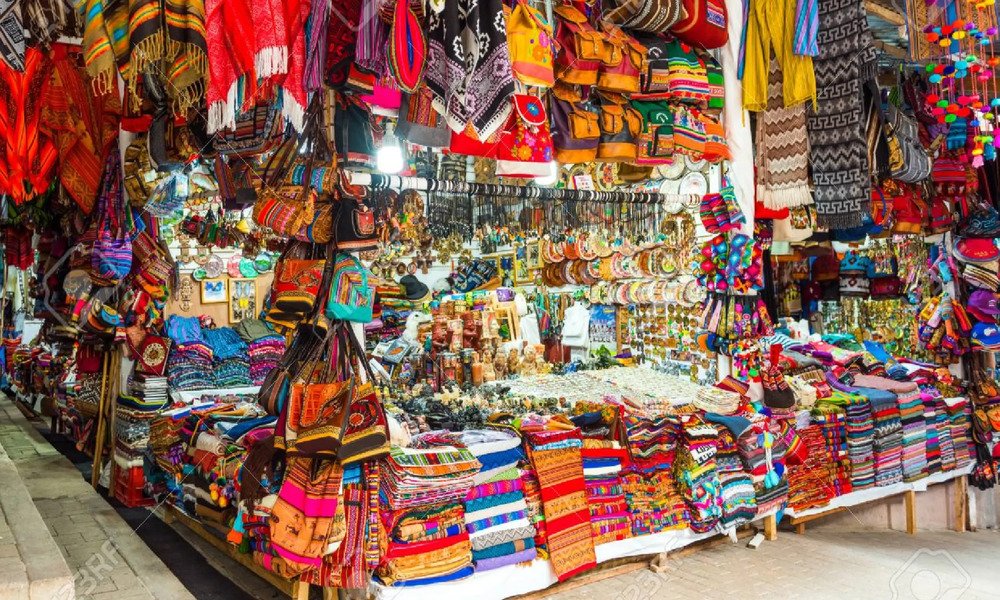
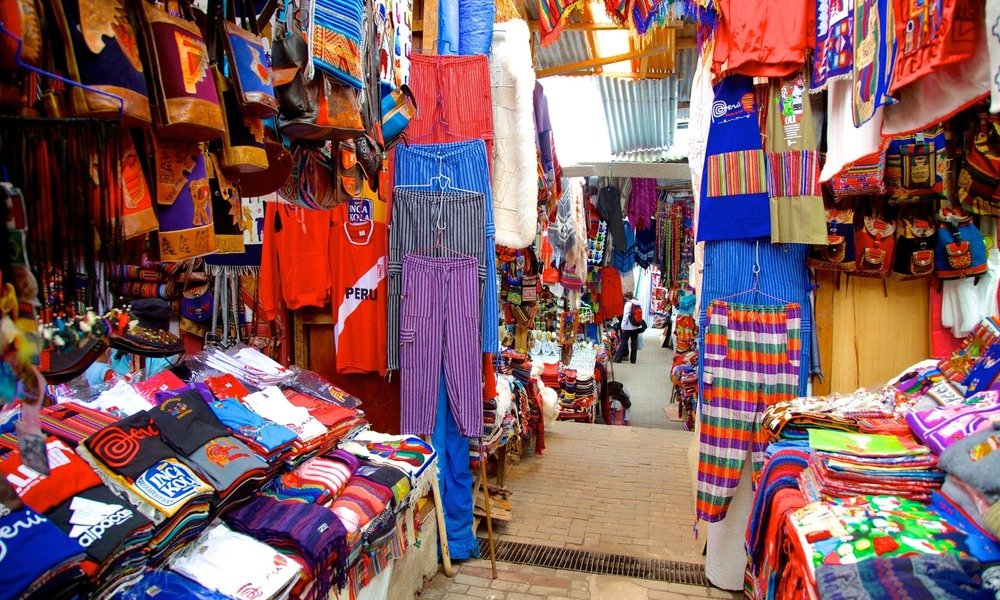
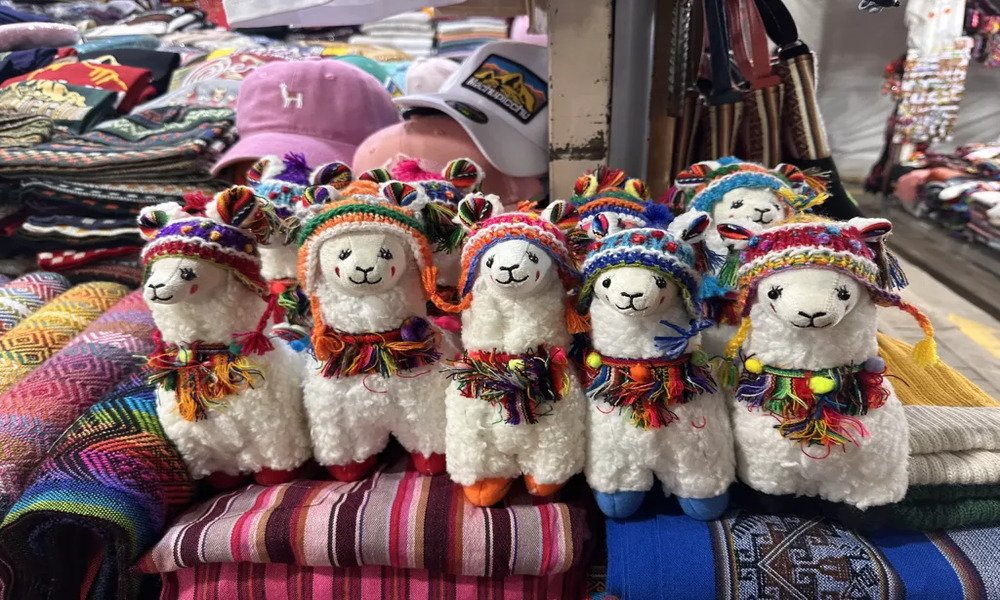
Inside and around the market, you’ll also find stalls selling handicrafts, souvenirs, and utilitarian items. These include textiles, hats, scarves, bags, keychains, and other products inspired by Andean iconography and Machu Picchu.
Although many of these items are geared towards tourists, their sale represents an important source of income for local families. Shopping in these spaces allows you to directly support small businesses and take home souvenirs with cultural value that are more closely tied to the local area.
Cultural experience and interaction with the local population
The market is not just a commercial space, but also a place of social interaction. It’s a meeting point for locals, tourism workers, and travelers from all over the world. This coexistence creates a dynamic atmosphere where different languages are spoken, but where close and direct interaction remains the norm.
For visitors, exploring the market is a cultural experience in itself. It offers a glimpse into daily routines, traditional trade practices, and ways of life that coexist with global tourism. This interaction makes the market a key space for understanding the human and everyday dimension of Machu Picchu Pueblo, beyond its famous archaeological site.
>The market as a meeting point between locals and visitors
The Aguas Calientes Market plays a vital role as a space for daily interaction between the local population and the visitors who come to the town. Unlike other places designed exclusively for tourism, the market maintains an authentic dynamic, where residents do their daily shopping while travelers naturally integrate into this routine.
This direct contact allows visitors to observe daily life in Machu Picchu Pueblo: vendors who know each other, relationships of trust between merchants and regular customers, and an organization that responds to the community’s real needs. For many travelers, this experience is more meaningful than a guided tour, as it offers a human and intimate glimpse into the destination.
Opening hours, best times to visit and practical tips
The market opens very early in the morning, with the busiest hours between 6:00 and 10:00 am, the ideal time to have breakfast or buy food before heading up to Machu Picchu. During these times, the atmosphere is more local, with a greater presence of workers and residents from the town.
Throughout the day, the market remains active, although with fewer visitors. For a more peaceful visit, it’s recommended to go mid-morning or early afternoon. It’s advisable to carry small bills, respect vendors’ spaces, and politely ask permission before taking photographs. These gestures contribute to a more respectful and enriching experience in this traditional space.
Cultural and tourist value of the Aguas Calientes Market
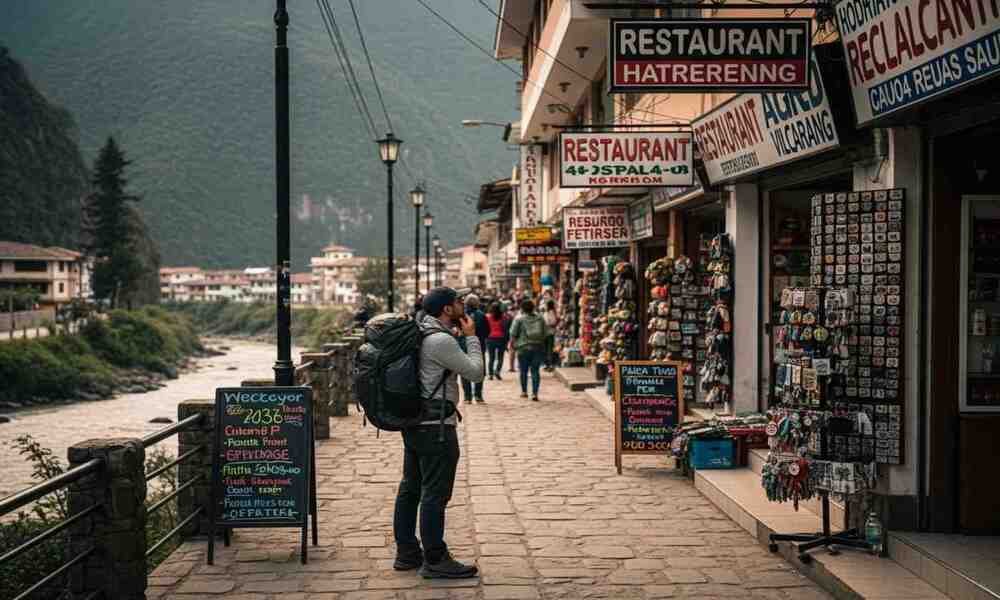
The Aguas Calientes Market represents much more than a commercial space: it is a living reflection of the cultural identity of Machu Picchu Pueblo. Traditional knowledge, daily practices, and cultural expressions that form part of the area’s intangible heritage converge here. Each stall, product, and culinary preparation tells a story linked to the Andean territory and the coexistence of tradition and modernity.
From a tourism perspective, the market offers an authentic experience that complements a visit to the Historic Sanctuary of Machu Picchu. Here, travelers can directly engage with the local culture, observe daily customs, and immerse themselves in a genuine environment, far removed from the more structured tourist circuits. This experience contributes to a deeper understanding of the destination and life in the valley.
Impact of the market on the local economy and sustainable tourism
The market plays a key role in the economy of Aguas Calientes, generating direct income for numerous families who depend on the sale of food, basic goods, and services. Many of the vendors are local residents who have inherited their stalls from generation to generation, strengthening the family and community economy.
Furthermore, the market fosters a more sustainable and inclusive tourism model. By consuming local products and using services offered by the community, visitors contribute directly to the village’s economic development without affecting its cultural identity. This type of responsible tourism helps preserve traditions, promotes fair trade, and reinforces the market’s value as an essential part of the Machu Picchu Pueblo tourist experience.