


Are there hotels in Choquequirao?
Although there is no hotel infrastructure within the Choquequirao archaeological complex, the route offers various accommodation alternatives that adapt to different travel styles. Along the trekking route, campsites allow for a direct connection with the natural surroundings, surrounded by the impressive Apurímac River canyon and the imposing landscapes of the Andes, providing an authentic and nature-centered experience.
For those who prefer greater comfort without distancing themselves from the cultural context, rural lodges in nearby communities offer rest in a family environment, homemade meals, and logistical support to continue the hike with better organization. Likewise, staying beforehand in Cusco or in nearby towns is ideal for acclimatizing to the altitude, arranging transportation and guides, and preparing physically and mentally before beginning the journey.
In this way, each option allows travelers to plan the experience according to their budget, desired level of comfort, and the type of connection they wish to have with the environment, while preserving the essence of the journey: discovering one of the most impressive and least crowded destinations in the Peruvian Andes.
Campsites on the Route to Choquequirao
Camping during the journey to Choquequirao represents one of the most genuine ways to experience this Andean adventure. More than just a multi-day hike along mountain trails, it involves fully coexisting with the natural environment, following the rhythm of the landscape, and resting under a clear sky filled with stars. The route usually lasts between three and five days, depending on the starting point — commonly from Cachora — the travelers’ physical condition, the group’s pace, and the time dedicated to enjoying the views.
Along the trail, campsites are strategically distributed, allowing the hike to be organized into balanced stages. These areas facilitate physical recovery and offer a direct connection with the imposing canyon of the Apurímac River.
Playa Rosalina
Among the first notable points is Playa Rosalina, located next to the Apurímac River. This sector corresponds to the lowest part of the route before facing one of the most intense ascents. It is a wide area suitable for setting up tents, cooking, and regaining energy after the first day.
The proximity to the river provides a special atmosphere: the constant murmur of the water accompanies the night and conveys serenity. At dawn, the first rays gradually illuminate the canyon slopes, creating a memorable natural scene. Some hikers take advantage of the afternoon to cool off cautiously before dinner. It is advisable to arrive early to set up camp calmly, as the next stretch demands considerable physical effort.
Chiquisca
Further along appears Chiquisca, surrounded by cloud forest and abundant vegetation. This campsite offers a cool and humid environment, with tall trees that provide shade and tranquility.
Mornings here are often wrapped in mist, accompanied by birdsong and the sound of wind through the leaves. It is an ideal place to rest, hydrate properly, and prepare to continue the route with renewed energy.
Santa Rosa Baja and Santa Rosa Alta
Santa Rosa Baja and Santa Rosa Alta mark the approach to the archaeological complex. Located along one of the most demanding sections of the trek, these points feature relatively flat surfaces for pitching tents and, occasionally, basic services such as water and simple restrooms.
At this stage, it is essential to check equipment, eat properly, and maintain good hydration. The subsequent ascent toward Marampata and finally toward Choquequirao requires endurance, so proper rest in these areas is decisive.
Marampata
Marampata, the closest village to the archaeological site, combines natural landscapes with community life. In addition to camping spaces, some families offer simple lodging and traditional meals prepared with Andean ingredients.
From here, privileged views of the surrounding mountains can be appreciated and, when weather permits, of the Inca terraces. Interaction with local residents provides the opportunity to learn about agricultural practices, local customs, and typical gastronomy, enriching the travel experience.
Spending the night at these campsites allows travelers to wake up to golden light illuminating the mountains, hear the sound of birds and flowing water, and experience the grandeur of the Andes in a way impossible to replicate in conventional accommodations.
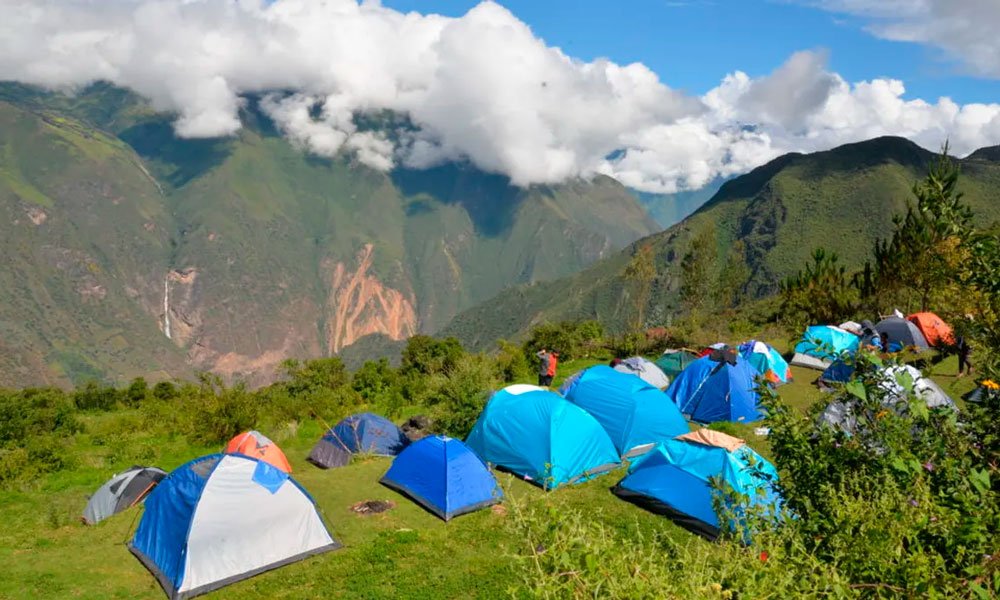
Camping Recommendations
To enjoy the journey safely and comfortably, it is recommended to bring:
Clothing prepared for changing weather conditions.
Proper trekking boots that have already been broken in.
A headlamp with extra batteries.
Drinking water.
Sufficient energy provisions.
A trash bag, respecting the leave-no-trace principle.
It is essential to care for the natural environment, avoid leaving waste, and always follow the guides’ instructions.
Camping along this route does not simply mean spending the night; it involves integrating into an exceptional natural and cultural environment, where each sunrise and sunset strengthens the connection with the Andes and the historical legacy of Choquequirao.
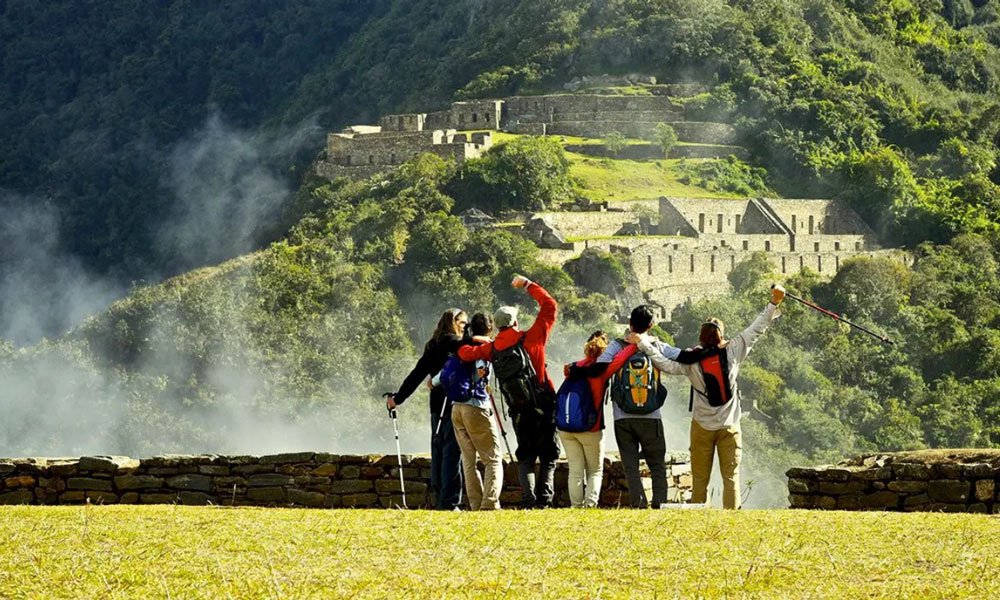
Rural Lodgings
In Marampata and Cachora, there are also family-run accommodations that offer greater comfort. They are a suitable alternative for those who wish to rest in a bed before or after the most demanding days.
These places usually provide simple or shared rooms and homemade meals based on local products such as potatoes, quinoa, and corn, supplying energy for the journey.
In addition, many serve as logistical support, facilitating tent setup, luggage transport with pack animals, and guide coordination. Staying there allows visitors to closely experience rural Andean life, its agricultural practices, and traditions.
Main advantages:
Personalized attention and safe environment.
Basic rest in protected spaces.
Nutritious meals.
Updated information and guidance about the route.
Hotels in Cusco
Before starting the trek, it is recommended to stay at least one or two nights in Cusco to adapt to the altitude, located above 3,300 meters. Proper acclimatization reduces the risk of discomfort and improves physical performance.
The city offers lodging options for all budgets and functions as a key point to arrange transportation, hire guides, and rent equipment. It also has restaurants, markets, and pharmacies to properly stock up.
Staying in Cusco not only contributes to physical adaptation but also helps to better understand Andean culture before venturing into more isolated areas.
Although there is no hotel infrastructure within the Choquequirao archaeological complex, travelers have different accommodation options according to their preferences and travel style. During the journey, campsites provide an immersive experience in the heart of nature, surrounded by the imposing Apurímac River canyon and the majestic Andean mountains. On the other hand, rural lodges located in nearby communities combine rest, local hospitality, and logistical support, offering a more comfortable alternative without losing the cultural connection. Likewise, staying in Cusco or in nearby towns allows for altitude acclimatization, route planning, and access to greater services before starting the hike. Thus, each alternative adapts to the budget, desired comfort level, and type of experience sought, always preserving the essence of this journey: exploring one of the most fascinating and least crowded corners of the Peruvian Andes.