


“Is Choquequirao Bigger Than Machu Picchu?”
⚔️
Among the giants of the Inca legacy, Machu Picchu usually captures all the attention, photos, and hashtags. It is a universal symbol of Peru and of the engineering prowess of the ancient Incas. Its image appears in books, documentaries, and social media worldwide. However, deep within the Vilcabamba mountain range, far from trains and crowds, lies a silent colossus. Shrouded in mystery and covered by vegetation, it is Choquequirao, a site that seems suspended in time. Every step among its ruins evokes awe and emotion. Known as the “Cradle of Gold,” this lost city challenges our perception of monumentality. It stands out not only for its physical size but also for the cultural richness it safeguards. Moreover, the exploration experience is intense and unique, unlike any conventional tourist visit.
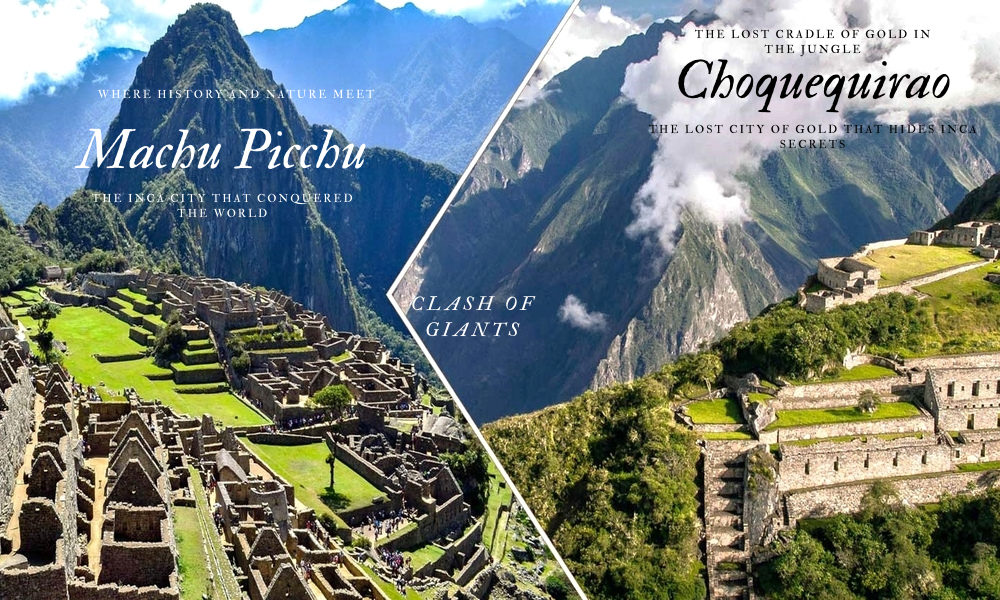
Unlike Machu Picchu, which is meticulously restored and heavily promoted, Choquequirao combines history, adventure, and nature on an epic scale. It offers travelers the feeling of venturing into a still-secret Peru. Every stone, terrace, and path seems to whisper echoes of an untouched Inca past. The profound silence surrounding the site makes each discovery feel personal and deeply personal.
This article explores the magnitude of Choquequirao, its comparisons to Machu Picchu, and its best-kept archaeological secrets. It analyzes why, despite its grandeur, it remains a little-known Inca treasure. It also highlights why it deserves a visit from those seeking more than just a tourist postcard.
Choquequirao: the most mysterious and expansive Inca city that few know about
Choquequirao, whose Quechua name means “Cradle of Gold,” is one of the most impressive and enigmatic cities of the Inca Empire in South America. Its presence combines majesty, history, and a nearly untouched natural environment, captivating visitors from the very first moment. Unlike Machu Picchu, famous worldwide, Choquequirao remained hidden for centuries among the vegetation and canyons of the Vilcabamba mountain range. This isolation protected its grandeur from human eyes and allowed many of its structures to remain virtually intact. Its constructions include temples aligned with the stars, ceremonial plazas, and extensive agricultural terraces. They showcase the technical perfection of Inca engineering, but in a wilder setting. Nature still reclaims its territory, and visitors feel as if they are walking through a landscape that breathes living history.
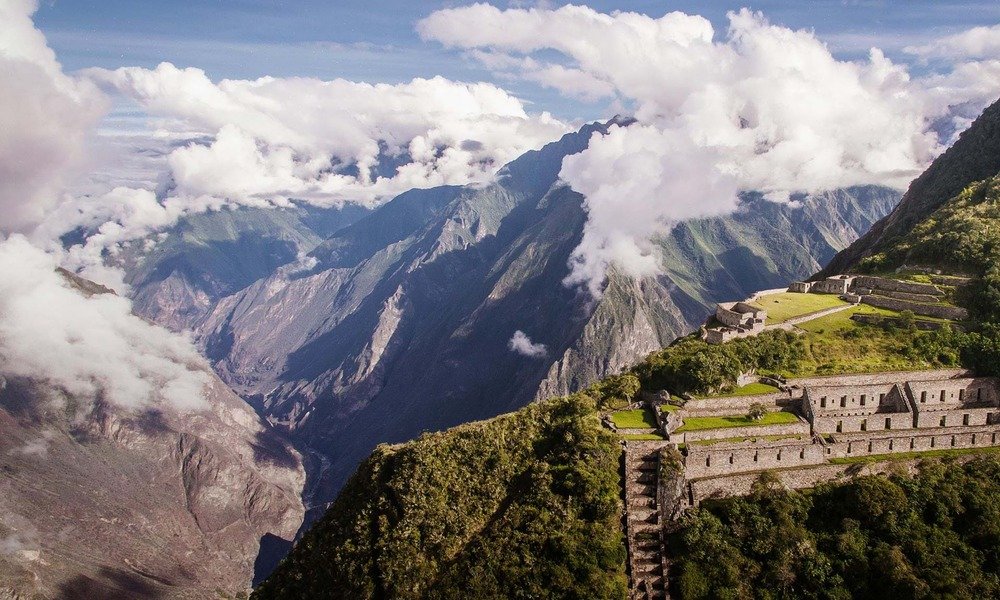
Located at approximately 3,050 meters above sea level, the city strategically controlled the valleys and offered natural defense against invaders. Only between 30% and 40% of the site has been excavated. Much of the 1,800 hectares remains covered in jungle, patiently awaiting discovery and study. Compared to the physical extent of Machu Picchu, Choquequirao is larger, not only in area but also in urban complexity and Inca functionality. Some specialists believe that, once excavations and restorations are completed, Choquequirao could triple the visible size of Machu Picchu, establishing itself as one of the largest complexes on the continent.
Machu Picchu: The Inca icon known throughout the world
Machu Picchu is the most famous Inca citadel in Peru. Its name means “Old Mountain” in Quechua, and it sits at 2,430 meters above sea level. Discovered in 1911 by Hiram Bingham, it has been the subject of extensive archaeological studies and careful restorations. Its fame grew rapidly thanks to books, documentaries, and photographs showcasing its unique landscape and architecture. The site combines temples, plazas, agricultural terraces, and dwellings, demonstrating the precision and sophistication of Inca engineering. Its constructions blend harmoniously with the mountain and respect the terrain’s topography. Machu Picchu is accessible from Cusco by train and bus. This has allowed it to receive more than 1.5 million visitors annually. The ease of access contrasts with the physical demands of Choquequirao and makes the experience more touristy and crowded.
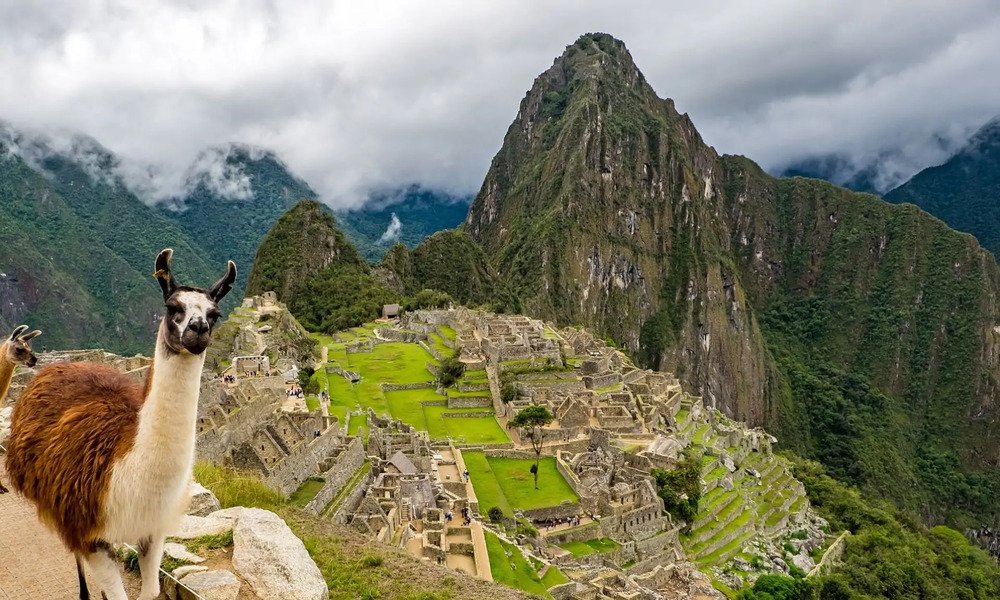
Although smaller in size than Choquequirao, its restoration and international promotion have made it a global icon. It represents the most well-known face of the Inca Empire , while sites like Choquequirao reveal a more secret and wild Peru, waiting to be explored.
Comparison of extent: Choquequirao vs Machu Picchu
⚔️
To determine if Choquequirao is larger than Machu Picchu, we must first define what we mean by “size.” In terms of visible archaeological area, Machu Picchu is compact. Its structures occupy only a few square kilometers. Choquequirao, on the other hand, extends horizontally across a much larger area. It includes terraces, ceremonial buildings, plazas, storehouses, and pathways that demonstrate the planning and sophistication of Inca engineering . Much of Choquequirao remains covered by the jungle. This suggests that its total area could be several times larger than that of Machu Picchu, revealing a site whose magnitude has not yet been fully explored or understood.
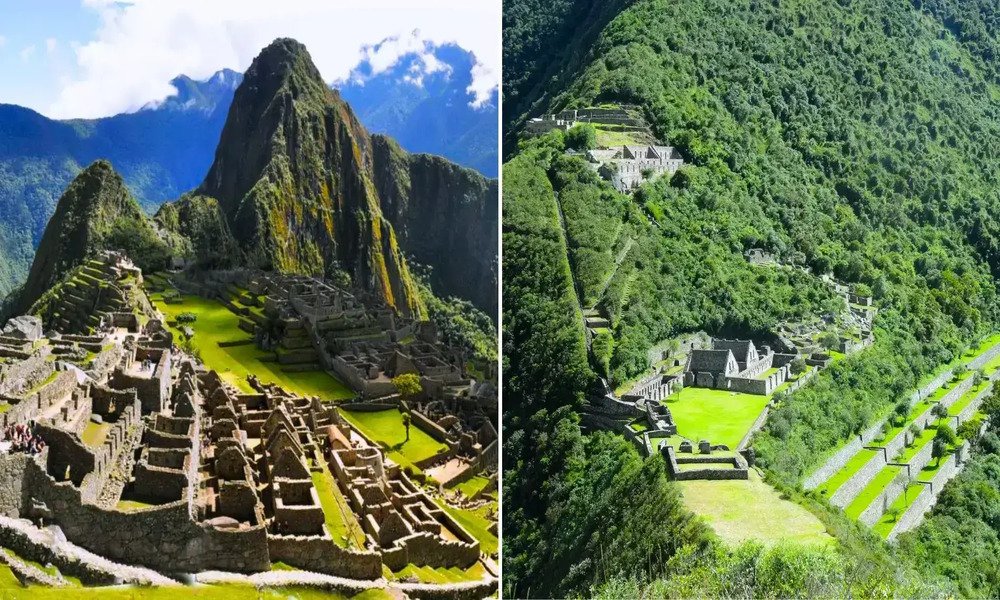
If we analyze the protected areas, the difference increases. Machu Picchu is within the Historical Sanctuary, which covers 37,000 hectares. Choquequirao is part of the Regional Conservation Area, which, together with ecological zones, can exceed 100,000 hectares. This makes it one of the largest archaeological and ecological regions in Peru, with unique biodiversity and cultural heritage.
The reason for its anonymity: history and demanding access
Despite its scale, Choquequirao isn’t as famous as Machu Picchu. Its inaccessibility is the main reason. While Machu Picchu can be visited by train or bus, Choquequirao can only be reached after several days of hiking along steep trails and through deep canyons. This physical exertion limits tourism and requires preparation, but in return, it offers a more intense connection with nature and history. The inaccessibility also protects the site. Terraces covered in vegetation, barely visible canals, and temples emerge from the surrounding flora. Each visitor experiences personal discovery and exploration, as if unearthing secrets that have remained hidden for centuries.
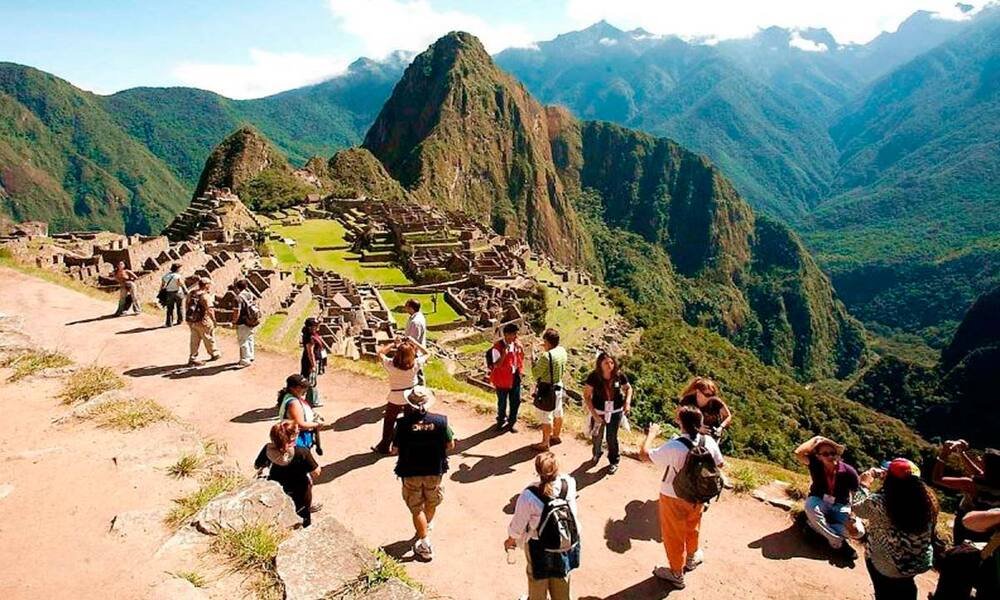
Choquequirao is estimated to receive between 5,000 and 20,000 visitors annually. In contrast, Machu Picchu receives over 1.5 million. This makes a visit an intimate encounter with Inca history , where every step resonates with echoes of the past and evokes admiration for ancient engineering.
Beyond Size: Cultural and Heritage Significance
In terms of physical size, Choquequirao may surpass Machu Picchu. However, the cultural impact of the Cusco citadel is unparalleled. Machu Picchu is a World Heritage Site and one of the New Seven Wonders of the World. It has been studied, restored, and promoted internationally. It is Peru‘s most recognized tourist icon and one of the universal symbols of the Inca legacy.
Choquequirao, on the other hand, retains an aura of mystery. Its vast, still largely unexplored area offers a unique archaeological experience. Here there are no trains or predefined routes. Only a territory that demands physical effort, a connection with nature, and constant wonder. Every stone tells the story of an Inca empire that still whispers among the valleys and mountains.
Final Reflection: What Does ‘Bigger’ Really Mean?
Deciding whether Choquequirao is larger than Machu Picchu depends on how we measure size. If we consider the entire archaeological site, including unexcavated structures and conservation areas, the answer is yes. Choquequirao occupies more space and offers more Inca heritage to discover. However, if we talk about cultural impact, accessibility, and global recognition, Machu Picchu remains the tourist giant that millions dream of visiting.
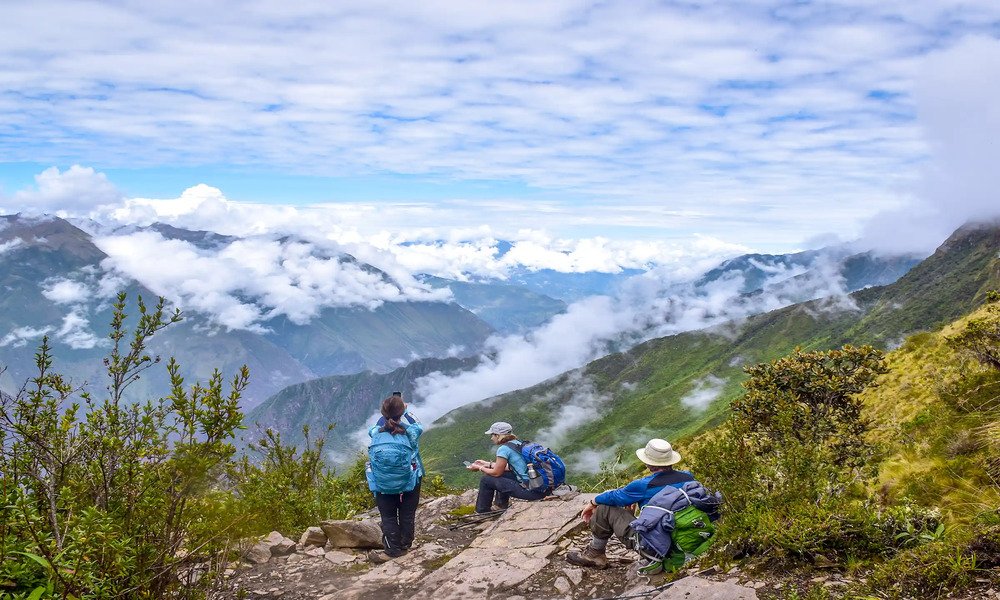
Both represent different facets of the Inca legacy: one — Machu Picchu — polished and touristy; the other — Choquequirao — wild, immense and still to be revealed, waiting for those who dare to discover its hidden secrets.