


“Is Choquequirao better than the Inca Trail?”
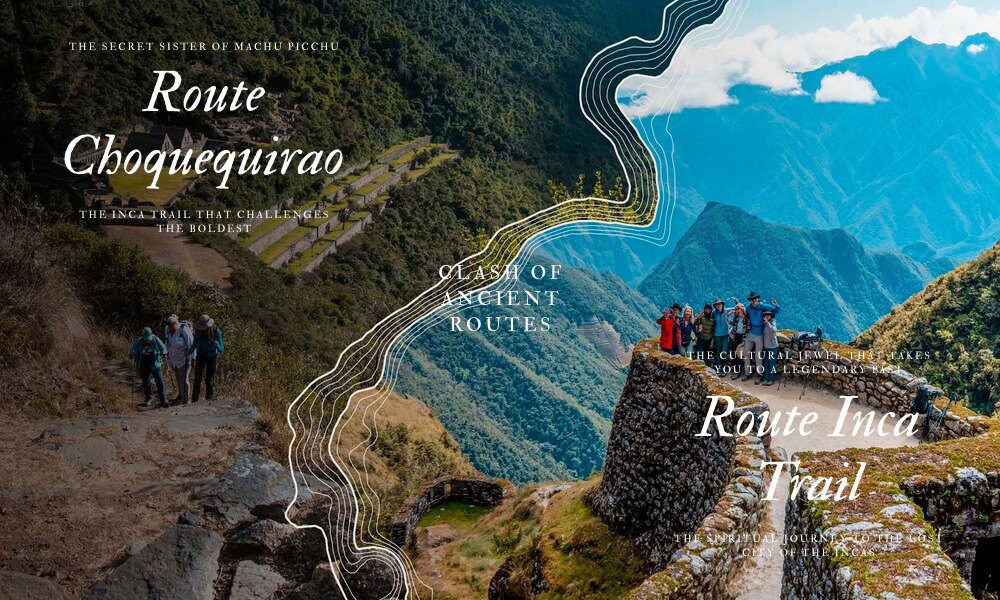
When discussing trekking in Peru, two routes stand out: the Inca Trail and Choquequirao. These trails are not only a physical challenge but also offer an immersive experience in the history, culture, and nature of the Peruvian Andes. Both destinations provide unique experiences, but the question remains: is Choquequirao better than the Inca Trail? To answer this, it’s necessary to compare both options, considering the characteristics of each route, as well as their advantages and disadvantages.
This way, you can make an informed decision about the best option for your adventure in the Andes.
Inca Trail: The Classic Route of the Incas
The Inca Trail is undoubtedly one of the most famous trekking routes in the world. Stretching 42 kilometers, it connects the Sacred Valley with Machu Picchu, the most iconic ceremonial center of the Inca civilization. This trail is not only a physical challenge but also offers travelers a unique immersive experience in the history and culture of the Andes. Along the way, trekkers traverse diverse and breathtaking landscapes, from mist-shrouded mountains to lush rainforests. It is a journey that allows you to connect not only with the past but also with nature in its purest form.
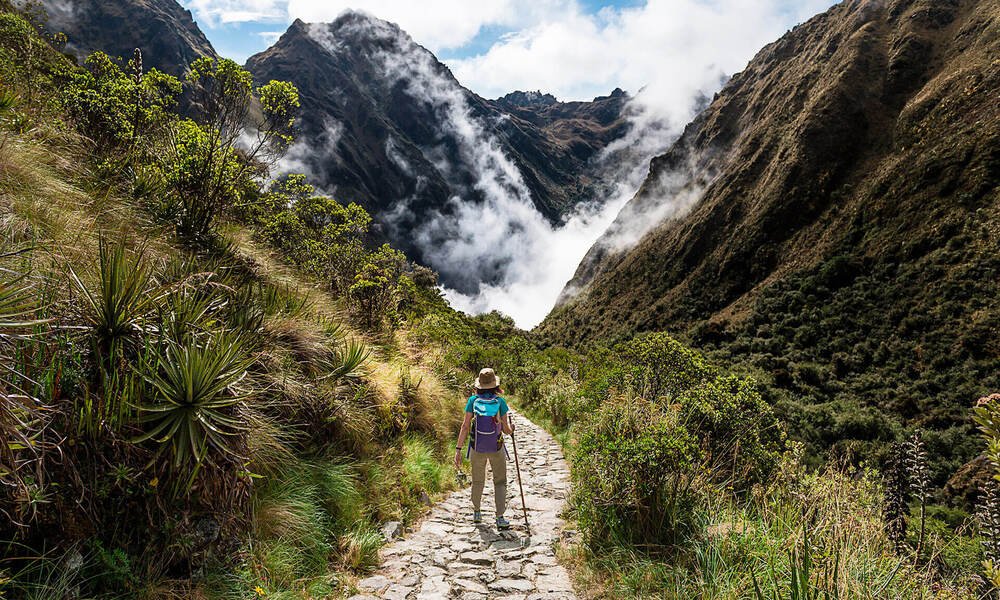
The popularity of the Inca Trail lies in the incredible beauty of its surroundings, the authenticity of the cultural experience, and the majesty of the site reached at the end: Machu Picchu. This route offers some of the most spectacular views in the region, and simply walking the same path as the ancient Incas is an unforgettable experience for trekking and history enthusiasts.
Highlights of the Inca Trail:
History and Living Culture
The Inca Trail is more than just a trekking route; it’s a journey back in time, allowing travelers to walk the same paths as the ancient inhabitants of the Inca Empire. Along the way, trekkers have the opportunity to explore important archaeological sites such as Wiñay Wayna, Sayacmarca, Phuyupatamarca, and many others. Each of these places bears witness to the grandeur of the Inca civilization, with well-preserved structures that reveal how the Incas lived, interacted with nature, and developed their religious worldview.
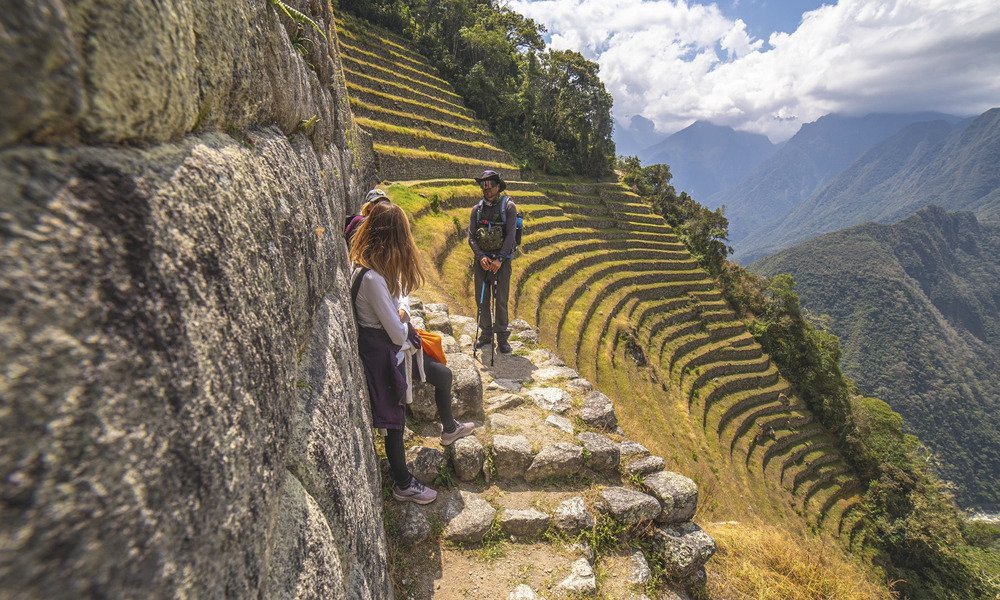
Beyond the breathtaking ruins, what truly sets the Inca Trail apart is the opportunity to understand, almost viscerally, the Incas’ connection to their natural environment. The agricultural terraces, stone pathways, and temples constructed with a precision that still astonishes archaeologists are just some of the wonders trekkers will encounter along the trail. These vestiges offer a deeper cultural experience than simply observing archaeological remains.
Accessibility and Comfort
One of the Inca Trail’s greatest attractions is its well-developed infrastructure. Throughout the route, the trails are clearly marked, making navigation easy and the trek more accessible for those without prior trekking experience. Furthermore, the trail is maintained by the Peruvian government, ensuring that the paths remain in good condition and free of major obstacles.
Trekkers can also rely on expert guides who not only ensure the safety of the trek but also provide valuable historical and cultural context throughout the journey. These guides are knowledgeable about Inca history and often enrich the experience by sharing details about the flora, fauna, and hidden landscapes along the way. With support services such as tents, meals, and trail assistance, the Inca Trail is relatively comfortable, allowing trekkers to enjoy a well-organized and hassle-free experience. The four-day duration is ideal for those with limited time who want a comprehensive and memorable trek.
Machu Picchu: The Ultimate Encounter with History
The culmination of the Inca Trail is undoubtedly the arrival at Machu Picchu, the majestic Inca sanctuary. Reaching this Inca citadel at dawn is one of the most anticipated and exciting moments of the trek. Trekkers witness a visual spectacle as the sun begins to illuminate the ruins, while the mist-covered mountains slowly clear, revealing one of the most breathtaking views in the world.
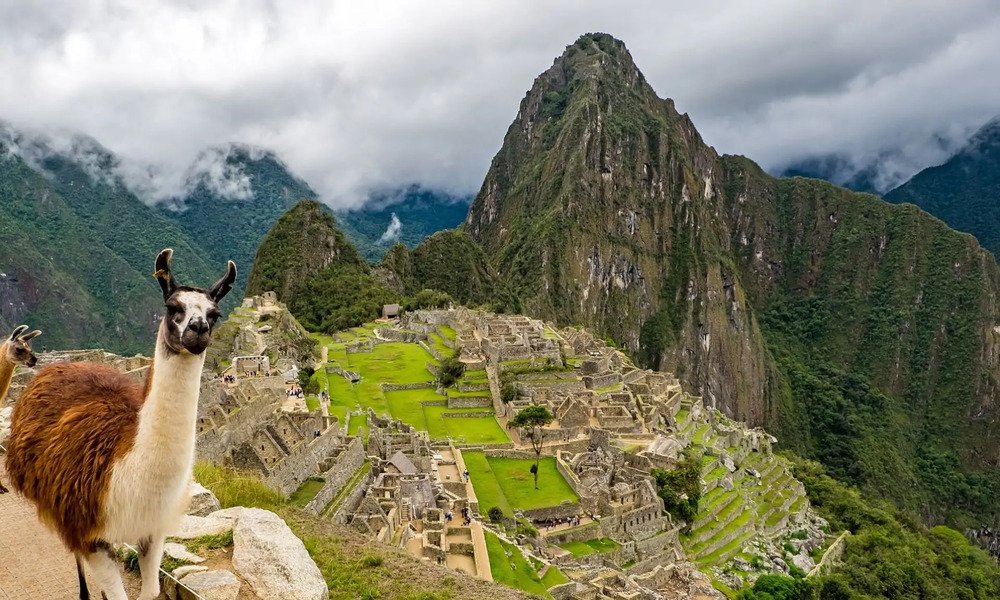
This moment is indescribable for many, a reward after several days of hiking, physical exertion, and connecting with history. For many travelers, reaching Machu Picchu is not only a personal satisfaction but also a spiritual experience. Feeling the energy of the site and observing the landscape from the mountaintops generates a sense of awe and gratitude. Without a doubt, this is the grand finale of the entire trek and one of the most exciting experiences in the life of any nature and history lover.
What You Should Consider:
Crowds
Although the Inca Trail is an incredible experience, it’s important to consider that the number of tourists hiking this route can be quite high. Despite a daily limit of 500 visitors, high demand often means that trekkers share the trail with large groups. This can diminish the sense of isolation and adventure that many seek when undertaking this type of trek. However, even then, the beauty of the landscape and the connection to history remain invaluable.
Prices and Reservations
Due to its popularity and the limited number of permits, advance booking is required to hike the Inca Trail. Demand is so high that, in some cases, reservations must be made several months in advance. Furthermore, trekking prices are high due to its popularity and the infrastructure needed to maintain the trail. This can represent a financial barrier for some travelers, but for those seeking a unique experience, the investment is usually worthwhile. Despite its cost, the allure of the Inca Trail remains irresistible, as few other places in the world offer such a rich combination of natural beauty, history, and culture.
Physical Difficulty
Although the Inca Trail isn’t one of the most demanding routes, some sections of the trail feature steep inclines and are at high altitudes, which can make the trek more challenging than some travelers anticipate. Despite this, trekkers in good physical condition will find the four-day duration adequate and won’t need advanced training to enjoy the route. However, those unaccustomed to hiking at high altitudes or carrying heavy loads may find the trek more demanding than expected. It’s important to be physically and mentally prepared for the challenge, but the reward at the end of the trek more than makes up for it.
Choquequirao: The Road Less Traveled to a Secret Citadel
If you’re looking for a peaceful, secluded, and challenging experience, the trek to Choquequirao is undoubtedly the ideal choice. This Inca citadel is located in the breathtaking Andes Mountains, about 32 miles from Machu Picchu, in a natural setting renowned for its beauty and serenity. Unlike other more popular routes, Choquequirao offers a more intimate and connected experience with nature. This makes it a unique experience for those seeking more than just a simple trek. The hike to this site presents a true challenge, but the reward is one of the most gratifying.
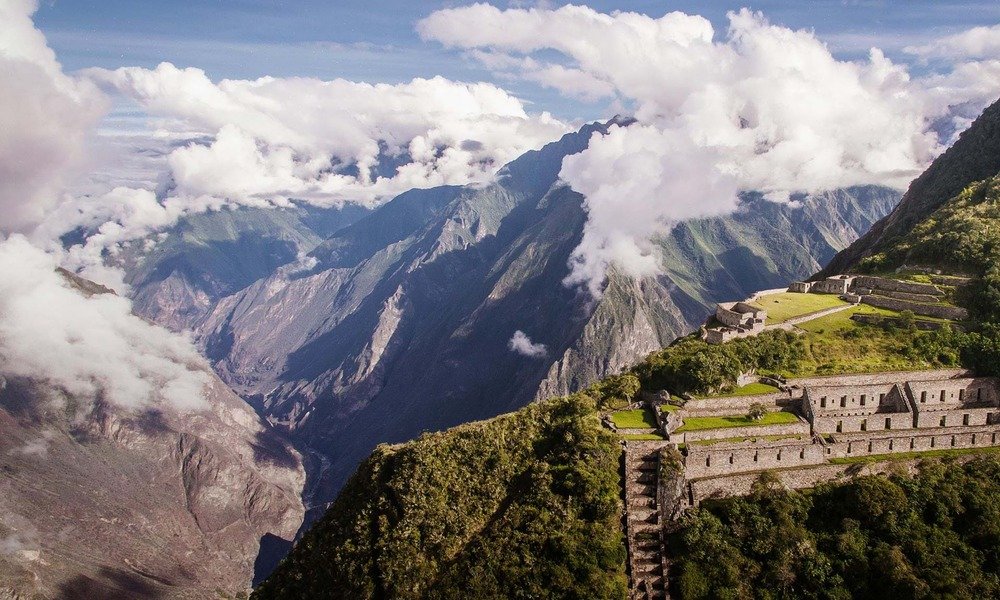
Although Choquequirao is less well-known and more difficult to access than other tourist destinations in the region, its mystery and exclusivity make it irresistible to adventurous travelers. The citadel has long remained off the radar of mass tourism, allowing it to retain its original essence. The lack of tourist infrastructure and the distance required to reach it only enhance its allure. Travelers who dare to undertake the trek feel like part of a small elite who have managed to reach this hidden site in the mountains.
Known as “Machu Picchu’s secret sister,” Choquequirao holds within it many of the architectural and cultural wonders of the Inca civilization. Although access is limited and requires considerable physical effort, the reward for reaching it is incomparable.
Highlights of Choquequirao:
Adventure in Solitude
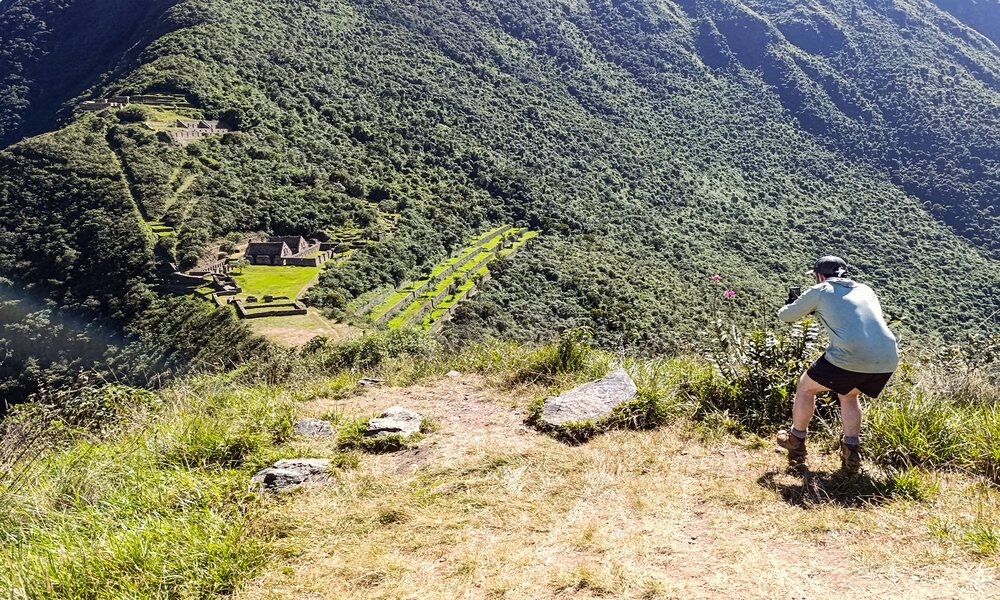
Unlike the Inca Trail, Choquequirao is much less traveled, offering a more intimate and tranquil experience. The trek to this Inca citadel is ideal for those seeking to disconnect from the tourist crowds and immerse themselves in the Andean wilderness. Along the way, trekkers feel completely immersed in the history and culture of the Inca Empire. The trail takes them away from the crowds, allowing for a more secluded experience. The solitude of the journey fosters a deep connection with the land. This experience is felt with every step, surrounded by unexplored landscapes and a serenity that invites reflection.
Spectacular Landscapes
The route to Choquequirao covers 64 kilometers, traversing some of the most breathtaking and varied landscapes in the region. From cloud forests to deep valleys and mountains covered in lush vegetation, every stretch offers stunning views. The trek is not only physically challenging but also rewards trekkers with breathtaking panoramas. For photography and nature enthusiasts, every turn of the trail offers a new window onto the beauty of the landscape. Furthermore, the diversity of ecosystems along the way makes the experience even richer, with flora and fauna changing as you ascend or descend.
An Exclusive Archaeological Site
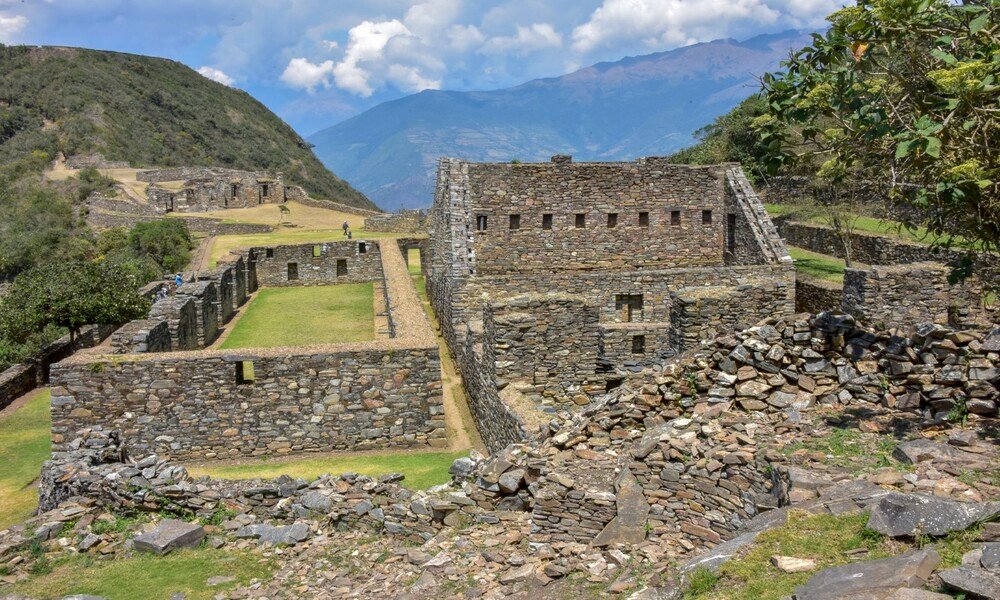
Choquequirao is one of the most impressive archaeological sites in the region, yet also one of the least known, granting it an unparalleled exclusivity. Unlike Machu Picchu, which receives thousands of tourists each year, Choquequirao remains far less explored and more rustic. This allows travelers to enjoy a more authentic experience, exploring the ruins without the crowds. Walking through the ancient agricultural terraces, temples, and citadel structures, one feels a direct connection to the Inca civilization. There are no barriers of modern tourist infrastructure. The citadel is surrounded by a breathtaking natural environment, which reinforces the mystical and exclusive atmosphere that emanates from the place. This lack of infrastructure helps preserve its pristine essence, making each visit unique.
What You Should Consider
Difficulty and Duration
The trek to Choquequirao is more challenging than the Inca Trail. Trekkers must contend with steep terrain and sharp ascents, making the trek physically demanding. The altitude can also make breathing difficult, adding an extra challenge. The trek lasts between four and six days, depending on the pace and itinerary chosen, making it a more demanding option than shorter routes. Due to the physical difficulty, this route is suitable only for well-prepared trekkers with experience in long and arduous hikes. It is not recommended for those seeking a comfortable experience, as each day presents new challenges that require stamina and mental fortitude.
Limited Accessibility
In addition to its physical demands, the route to Choquequirao has limited accessibility due to a lack of infrastructure and services along the way. Trekkers should be prepared for a more rugged trek, with less clear signage than on other routes. Available services are scarce. Unlike the Inca Trail, where there are well-organized campsites and expert guides, travelers to Choquequirao must be more self-sufficient. Amenities such as restaurants, shops, and lodging are very limited. This means trekkers must carry everything necessary for their survival, from water and food to appropriate trekking equipment.
Básic Infrastructure
Although Choquequirao offers unparalleled natural beauty, it lacks the tourist infrastructure that characterizes other more well-known routes, such as the Inca Trail. The area has few facilities for tourists, making it a more “wild” experience. Trekkers won’t find luxurious accommodations or gourmet restaurants. Instead, they will experience the authenticity of a trek in direct contact with nature, without modern comforts. This lack of infrastructure also contributes to the exclusivity and tranquility of the place. Travelers who choose to embark on this journey will enjoy greater privacy and the feeling of having discovered a secluded place where nature and history converge in a unique way.
What is the best option for you?
The answer to this question largely depends on what you’re looking for in your trekking experience. Both routes offer stunning scenery and a deep connection to Inca history, but their characteristics are quite distinct.
If you’re looking for comfort, history, and a well-organized tour, the Inca Trail is ideal for you. It offers a shorter hike, an enriching historical experience, and the chance to see Machu Picchu in all its splendor, although the crowds can detract somewhat from its authenticity.
If you prefer a physical challenge, tranquility, and exclusivity, Choquequirao is the best option. This trek is much more demanding and isolated, allowing you to enjoy a solitary adventure, far from mass tourism, but in return, you’ll have to contend with a more difficult hike and more limited access.
Conclusion: Choose According to Your Adventure Style
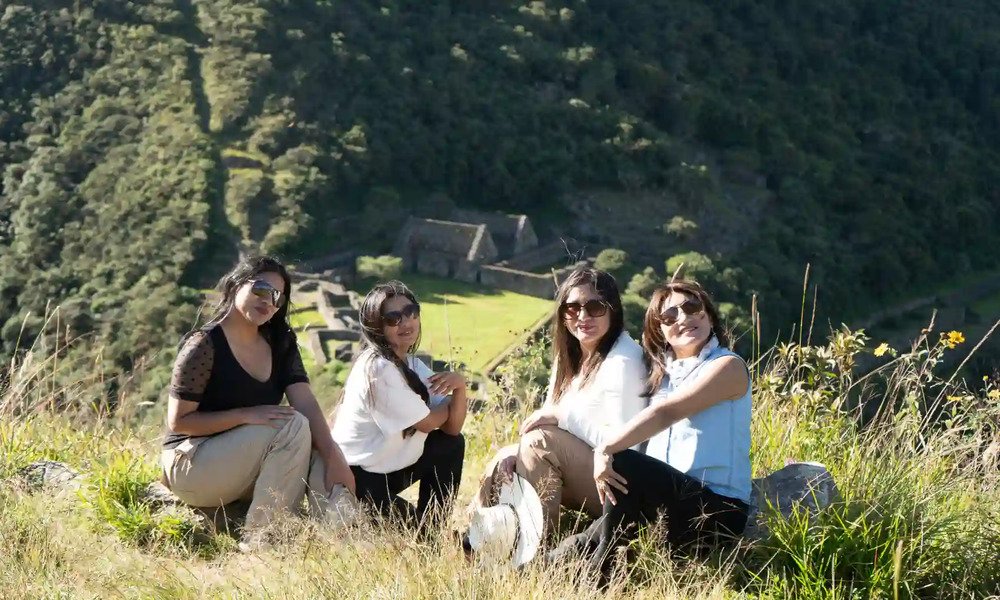
In short, there’s no definitive answer as to which of the two routes is best, as it all depends on your personal preferences and the type of experience you’re looking for. If you prefer a combination of history, organization, and comfort, the Inca Trail is the ideal choice. This route is perfect for those seeking a structured experience with expert guides and a well-marked trail, as well as the opportunity to immerse themselves in Inca culture while enjoying breathtaking views and a hike accessible to most.
The Inca Trail offers a deep dive into history, with outstanding archaeological sites like Wiñay Wayna and Phuyupatamarca, culminating in the majestic Machu Picchu, one of the wonders of the world. It’s an ideal option for those seeking to enjoy the beauty of the Andes without straying too far from modern comforts. While the influx of tourists and the need to book in advance may be factors to consider, the experience remains unparalleled for many.