


“Weather on the Salkantay Trek month by month”
The Salkantay Trek is much more than a path to Machu Picchu: it’s a journey through breathtaking landscapes that change with every kilometer, from the frigid heights of Nevado Salkantay to the warm lowland rainforest near Aguas Calientes. The weather varies dramatically depending on the season, so understanding its month-by-month patterns is key to planning a safe and memorable experience.
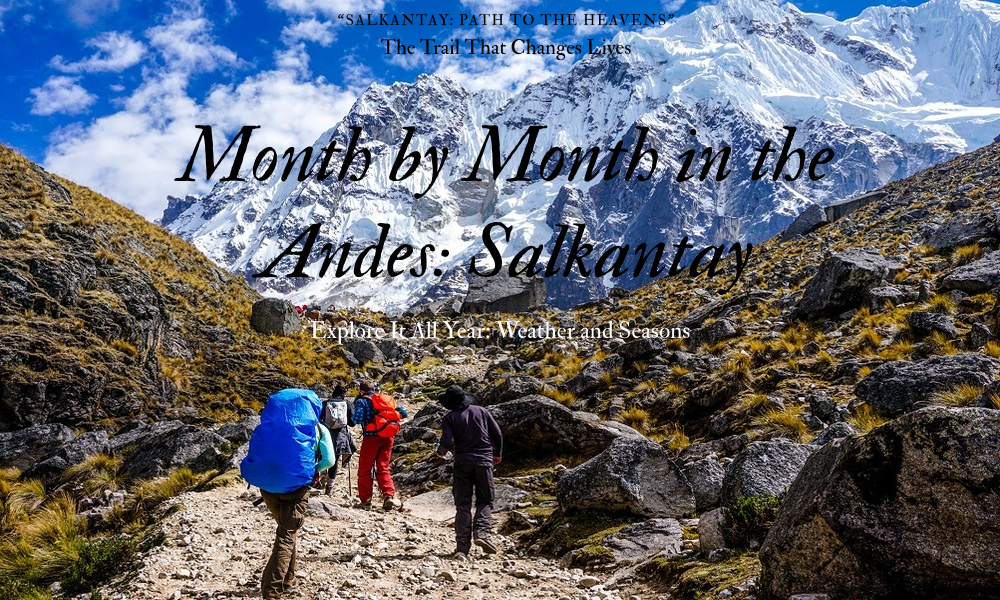
This comprehensive guide will show you what to expect each month of the year, highlighting rainfall, temperatures, trail conditions, and opportunities for spectacular photos. This way, you can choose the best time for your adventure and make the most of every step on one of the most iconic treks in the Peruvian Andes.
January – Nature in full bloom under the rain
🌦️
January opens the year with typical rainy season weather. During this month, rainfall is frequent and sometimes lasts all day. This makes the Salkantay Trek a muddy and challenging trail. While many travelers might see this as a drawback, this time of year also offers spectacular scenery. The Andean valleys and mountains are a vibrant green, and rain-fed streams form temporary waterfalls everywhere. These elements create an environment filled with the sounds of water and life.
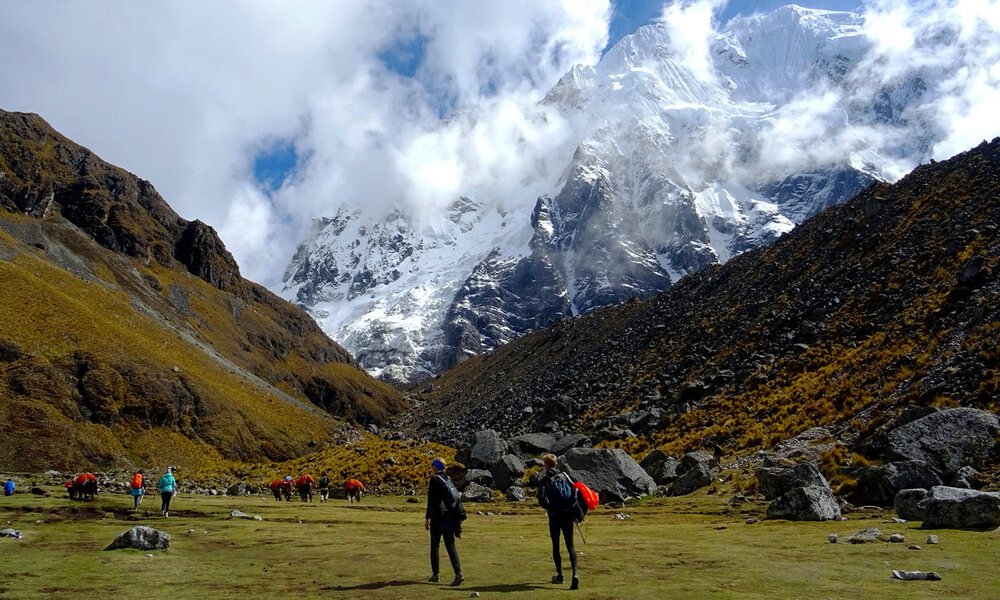
However, rain can limit visibility in the higher elevations. Therefore, guides must adjust the group’s pace to ensure safety on the slipperier sections. More than just a hike, January offers an immersive experience in an active and dynamic Andean ecosystem. The combination of natural beauty and physical challenge makes this month a unique time to explore the region.
FEBRUARY — The challenge of extreme humidity
☔
February is the rainiest month of the year in the Salkantay Trek region. This presents challenges for both travelers and tour operators. The rains can be persistent and, at times, very heavy. Streams and small rivers along the trail swell, making them difficult to cross safely. As a result, many operators temporarily suspend guided tours during this month. Conditions change rapidly, and certain sections of the trail can become dangerous.
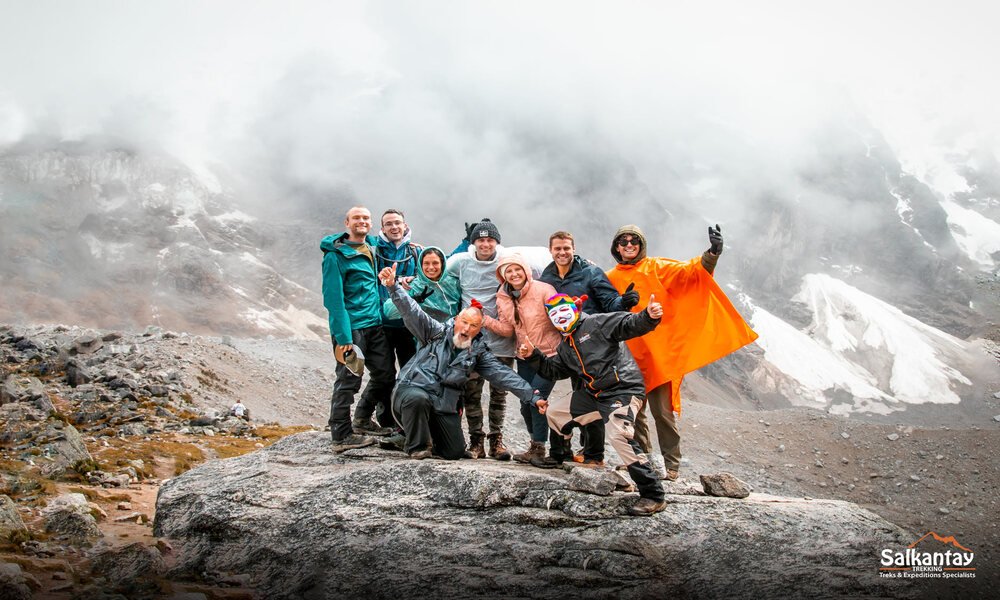
Despite this, February holds a special charm for the most intrepid adventurers. The vegetation bursts into vibrant colors, and the isolation is complete, as few travelers venture out on foot at this time of year. Mist and low clouds envelop the snow-capped peaks, creating dramatic and mysterious scenes. For those seeking intensity and authenticity, February offers a unique mountain experience.
MARCH — Transition and natural exuberance
🌧️
March marks the transition between the rainy and dry seasons. Rain still occurs, but it is less intense and more intermittent than in January and February. This combination of sun and rain creates a stunning visual effect. Grasslands and ferns become denser, and the colors of the vegetation appear deeper and more vibrant. Additionally, birds and other animals are more visible in the low-lying areas.
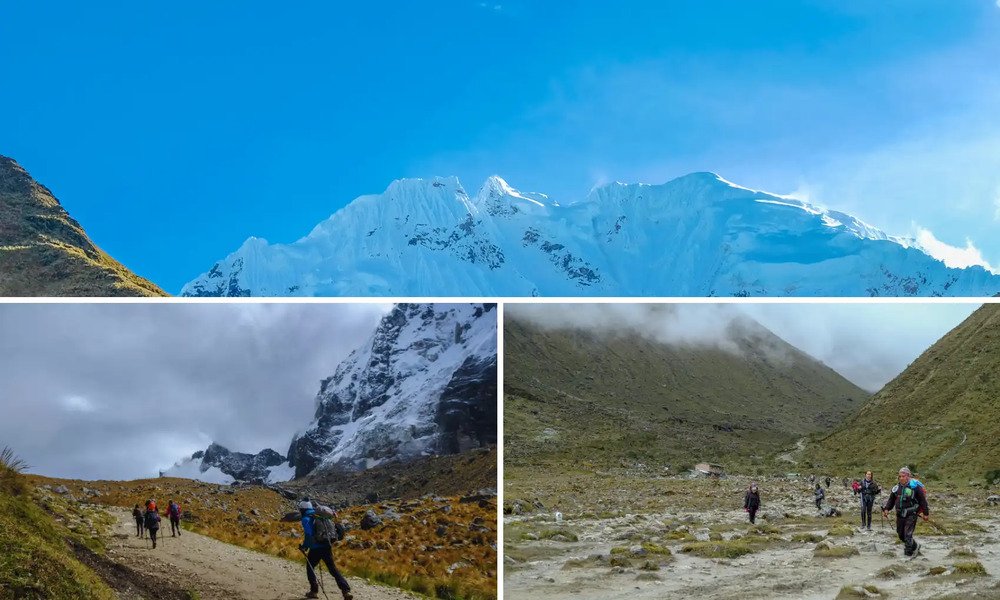
Although the trails may still have muddy sections, the gradual decrease in rainfall is improving trekking conditions day by day. For many travelers, March offers the ideal balance between lush nature and fewer tourists. It also allows the body to gradually acclimatize to the altitude and physical exertion. It’s not a month of perfect weather, but it is a month of authentic experiences in direct contact with the grandeur of the Andes.
APRIL — The quiet before the high season
🌤️
April marks the official start of the dry season, with much more stable and predictable weather. Mornings usually begin with clear, sunny skies. In the afternoon, although light clouds may appear, the weather remains mostly dry. Nights, especially in the higher elevations of the trek, become colder. Therefore, it is recommended to have good thermal gear and a quality sleeping bag.
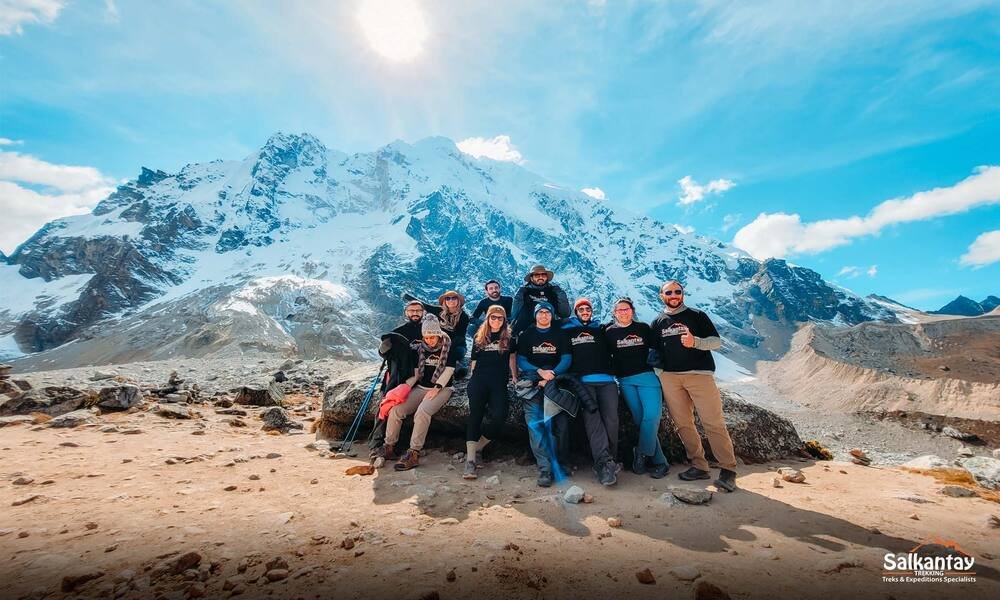
The trails in April become firmer and less muddy, making progress easier even for those with less experience. This month is ideal for those who want to avoid the crowds of the peak season, which runs from June to August, but still enjoy good weather and spectacular scenery. Golden sunrises over the snow-capped peaks offer unforgettable views. Panoramic views of Nevado Salkantay are more frequent and clear, and the contrast between the blue sky and the white mountains creates a perfectly balanced visual spectacle.
MAY — The perfect balance between climate and landscape
☀️
May is one of the best months to do the Salkantay Trek. It combines the best of the dry season with pleasant weather and fewer crowds than during peak season. During this month, rain is rare and daytime temperatures are usually mild. This allows for comfortable walking and long days without interruption from heavy downpours.
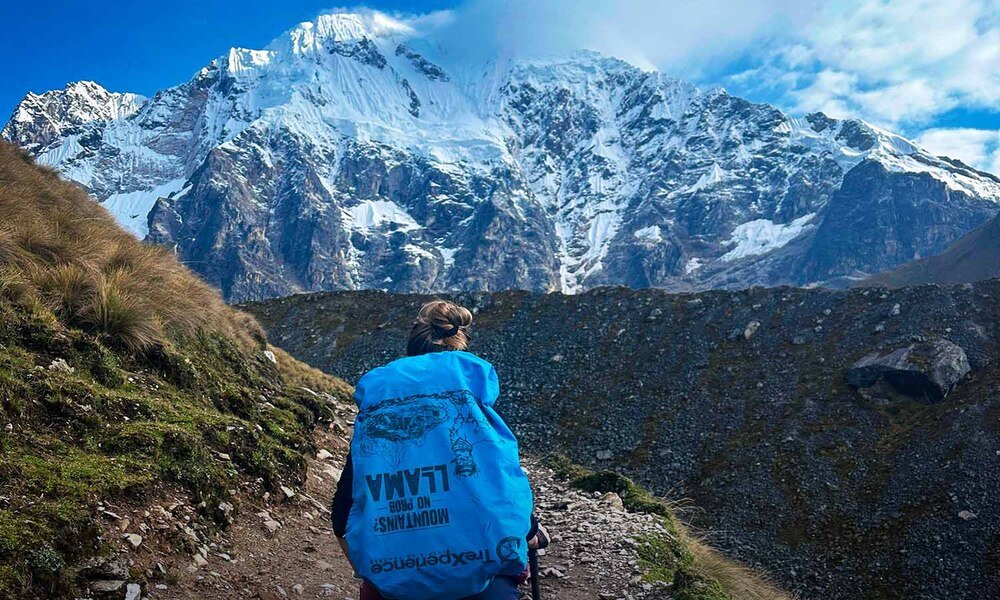
In the mornings, the air is fresh and inviting for leisurely walks. In the afternoon, the sun illuminates the valleys and casts a warm glow on the mountain peaks. The nights are cool, but not as extreme as in June or July, allowing muscles to recover after a demanding day. May also offers excellent visibility for photography. The clear skies accentuate the dramatic lines of Salkantay and other nearby mountains. This makes the month an ideal choice for both adventurers and landscape photographers.
JUNE — Clear skies and freezing nights
❄️
June is one of the driest and most stable months for the Salkantay Trek. During the day, the sky remains clear and blue, almost cloudless. This offers spectacular panoramic views of all the snow-capped peaks, including the majestic Salkantay Mountain. Many travelers take advantage of this month to capture sharp photographs with high contrast between mountains and sky. For this reason, June is highly valued by photographers and lovers of panoramic views.
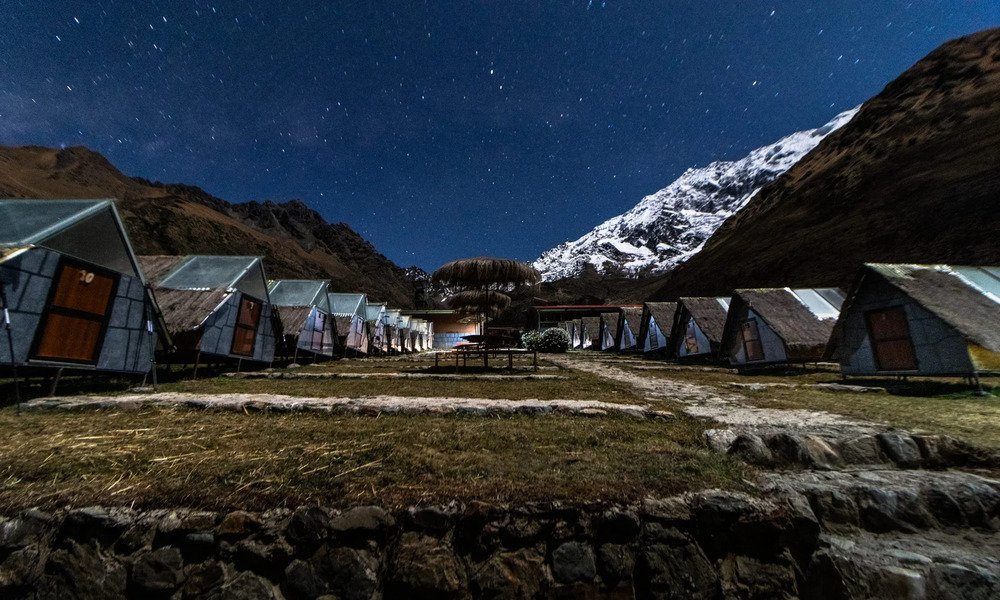
However, the nights are cold, especially in places like Soraypampa or Salkantay Pass itself. The lack of clouds means the day’s heat dissipates quickly after sunset. Temperatures can drop below freezing, making the nighttime experience a bit of a heat challenge. Even so, the quality of the weather during the day and the clear air make June an exceptional choice. Those who value stable weather and clear landscapes will find this month a truly unique experience.
JULY — Peak season and extreme weather
❄️
July maintains the dry weather and clear skies that characterize June. However, it is one of the coldest months of the year in the Andean region. Nights at high altitudes can be extremely cold, with sub-zero temperatures even in relatively low-lying camps.
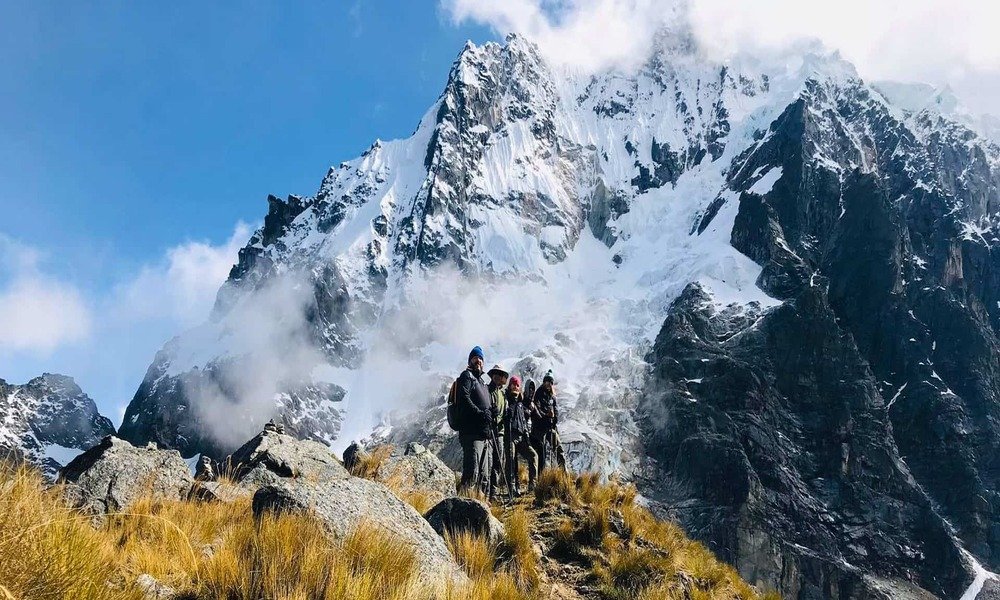
Even so, it’s one of the most popular times to do the Salkantay Trek. During the day, conditions are practically ideal: there’s no rain, visibility is excellent, and the mountain displays all its nuances at sunrise. Many travelers plan their treks to take advantage of the early morning hours, when sunlight illuminates the snow-capped peaks and the air is still fresh.
Peak season brings more tourists to the trail. This can bring energy and camaraderie, but those seeking solitude or introspection might notice more activity on the path.
AUGUST — Perfect light and crisp landscape
☀️
August is the last full month of the dry season, with clear skies and stable weather, continuing the conditions that have persisted since May. The light during this month is especially intense: the sun in the Andean highlands provides clear and defined illumination for much of the day. This brings out every detail of the landscape, from the textures of the terrain to the profiles of the snow-capped mountains, with breathtaking realism.
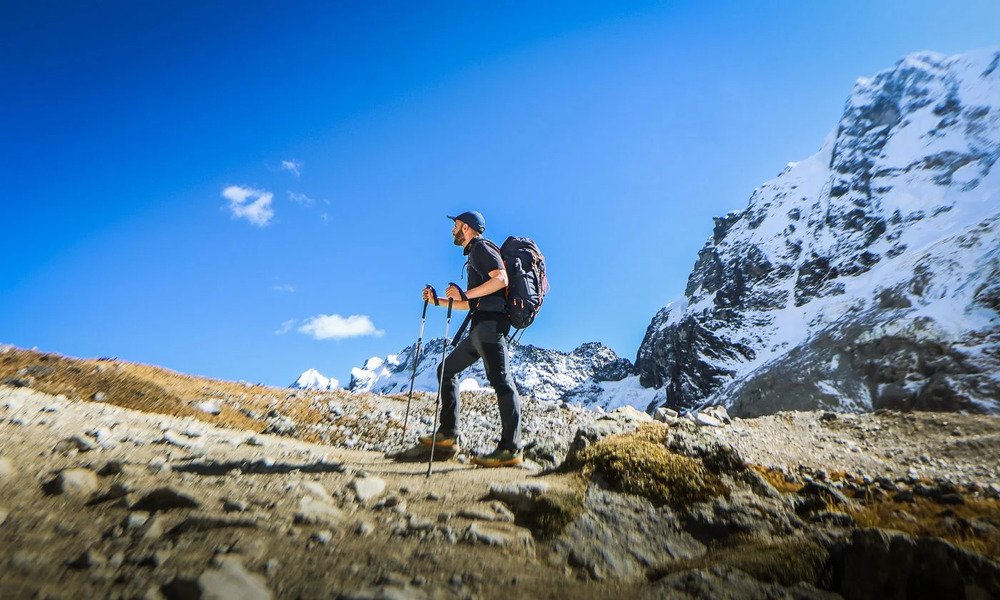
At night, temperatures remain low in the higher elevations, reminding hikers of the importance of having appropriate thermal gear. For many, August represents the perfect balance between stable weather and spectacular views. However, it can also be one of the busiest months for tourists in the most popular sections of the trek. Even so, the combination of perfect light, dry air, and panoramic visibility makes August one of the best times to fully enjoy the Salkantay Trek.
SEPTEMBER — Pleasant weather and lower crowds
🌞
September marks a slight transition in the weather, but it still retains much of the stability of the dry season. Mornings are usually cool with clear skies, while afternoons are warm and comfortable for enjoying the natural surroundings.
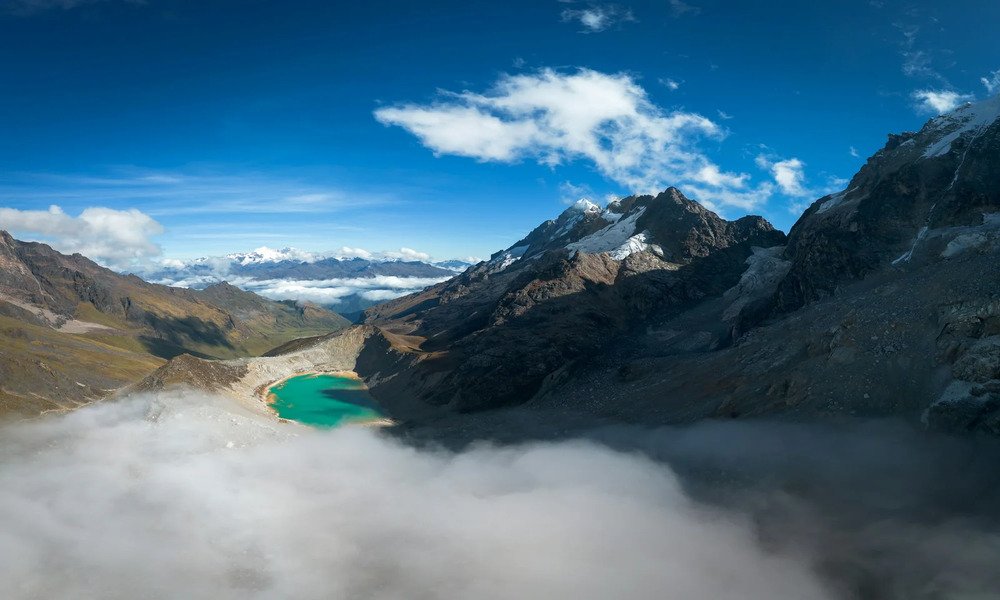
Unlike June or July, September sees fewer tourists. This allows for a more relaxed pace of trekking and a better opportunity to connect with nature. Towards the end of the month, light rain may occur, although it is rarely heavy and poses no obstacle for most travelers.
As for the scenery, September offers excellent visibility, soft light ideal for photography, and moderate temperatures. It’s a perfect month for those seeking beautiful excursions without the crowds of peak season or the heavy rains of the wet season.
OCTOBER — The bridge between seasons
🌦️
October is an interesting month, as it acts as a bridge between the dry season and the rainy season. In the first few weeks, conditions are similar to those of September, with mostly clear skies, pleasant temperatures, and comfortable trekking.
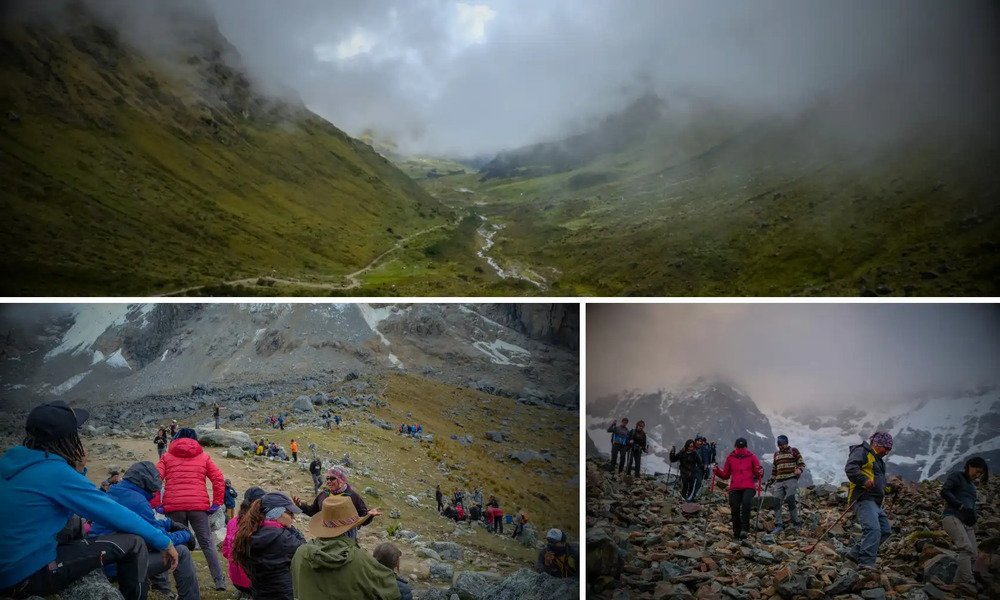
Towards the end of the month, light rain or scattered showers may occur. This creates a more colorful and dynamic landscape, where dry land blends with verdant areas that seem to come alive after the first mists.
October offers a unique experience: neither the absolute dryness of the mid-month nor the persistent humidity of the rainy season. It’s a transitional time full of natural contrasts that stimulate the senses. For those who don’t mind gentle changes, October can be an excellent choice, with spectacular landscapes and moderate tourism.
NOVEMBER — Gentle rains and rampant vegetation
🌧️
In November, the rainy season returns, though less intensely than in January or February. Rainfall typically occurs in the afternoon or evening, leaving many mornings with clear or partly cloudy skies. This makes it easier to get around and enjoy the scenery.
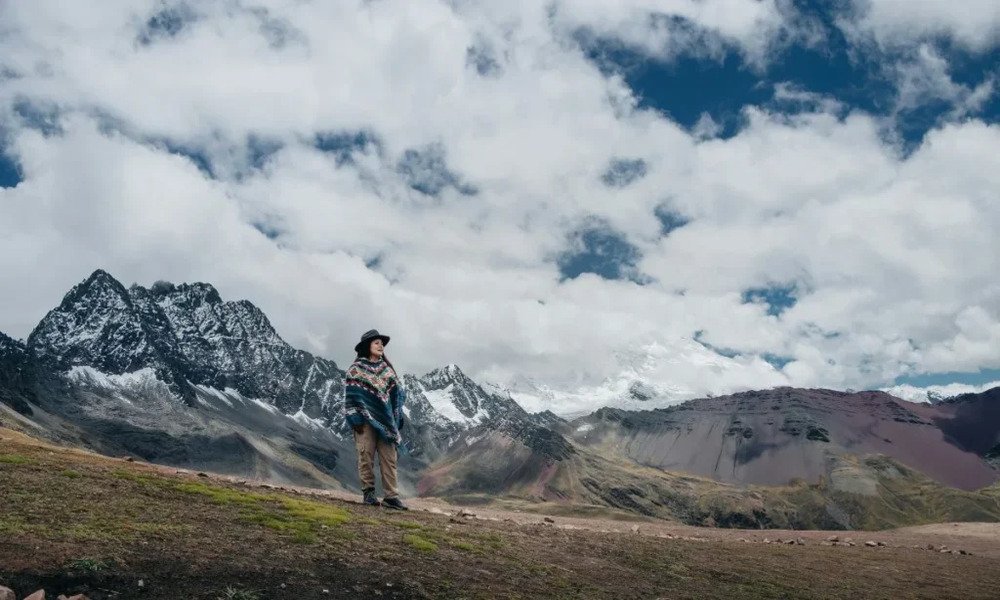
The vegetation is at its most lush: tall grasses, dense ferns, and wildflowers paint the valleys in vibrant colors. The trails may become softer, but this creates a dynamic and ever-changing landscape. Many travelers describe it as a natural dance of rain, light, and growth.
For those who aren’t afraid of the humidity and seek a deep connection with nature, November offers a unique sensory experience. Every corner of the trek seems to breathe life and energy.
DECEMBER — The return of heavy rain
☔
December marks the full return of the Andean rainy season. Rainfall can be frequent and heavy as the month progresses. Mornings may begin with clear skies, but clouds quickly build up, leading to prolonged downpours in the afternoon or evening.
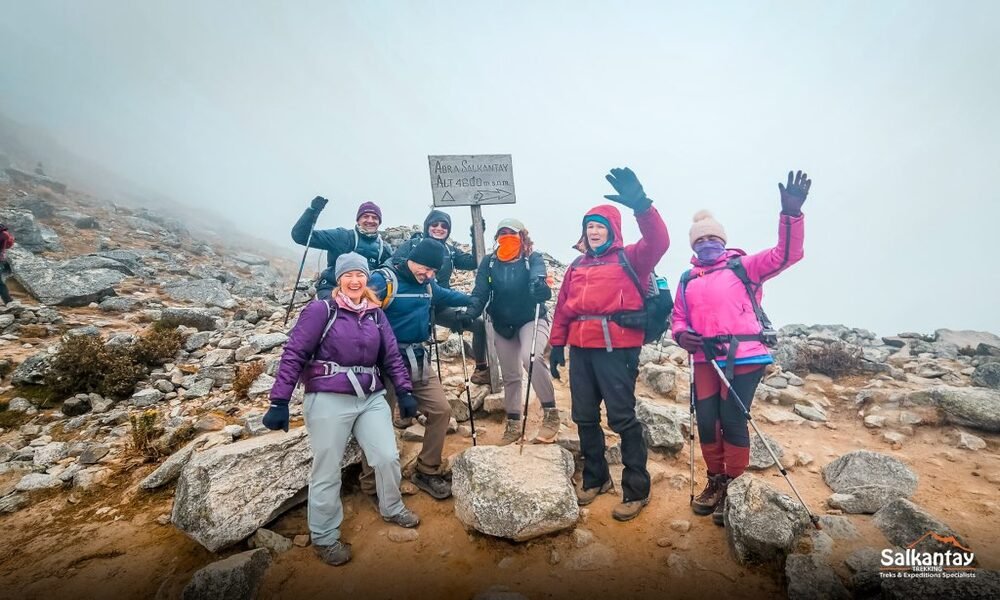
This can present challenges: slippery paths and potential temporary disruptions to activities. However, it also offers a natural spectacle that is hard to match: dramatic skies, rainbows over the valleys, and a humid atmosphere that revitalizes the local flora. The water forms shimmering pools that reflect the mountains, and the light can be spectacular before or after the rain. This creates unique moments for atmospheric photography enthusiasts.
For many, December is an invitation to embrace the power of nature in its purest form. It’s an opportunity to experience the Salkantay Trek from a perspective deeply connected to the rain, the mist, and the ever-present greenery.
Conclusion
Each month of the year offers a different side of the Salkantay Trek, almost as if the mountain itself transforms every 30 days to tell a different story:
Dry season (April–October): stable weather, clear skies, and ideal days for trekking and photography, with cold nights due to the altitude.
Wet season (November–March): frequent rain, vegetation at its peak and an experience rich in natural sensations, although with greater challenge on the trails.
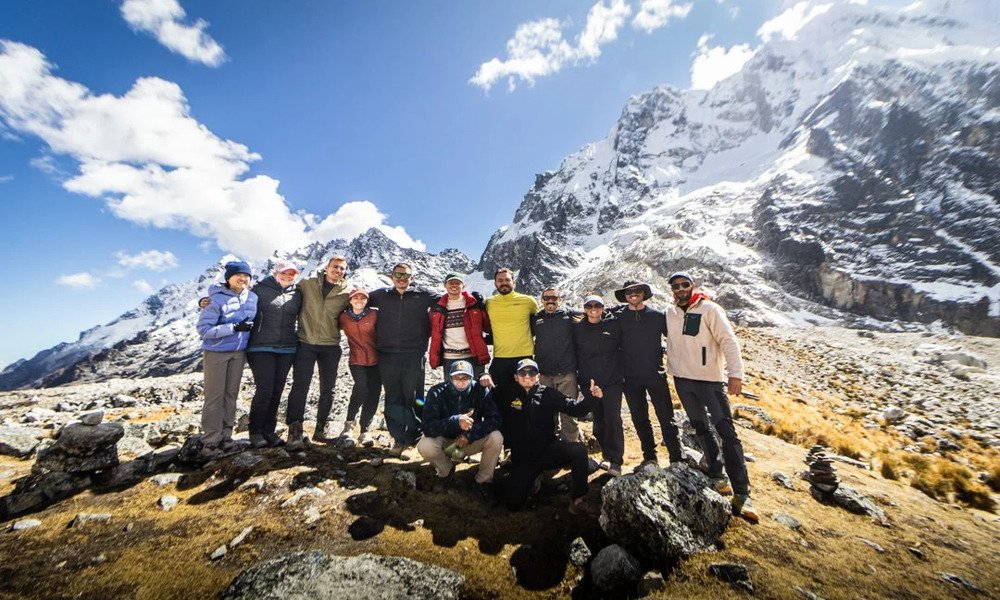
Beyond simply “best time of year” or “worst time of year,” what truly defines your experience is the kind of adventure you’re seeking : peace and blue skies? Vibrant, lush nature? Seclusion and challenge? Each month offers a distinct story on this magnificent trek, and the more you understand the character of each season, the better you can prepare your body, gear, and spirit to fully enjoy it.