


The importance of Machu Picchu lies not only in its architecture or historical value, but also in the breathtaking natural environment surrounding it. The citadel is nestled among mountains covered in vegetation and crossed by the Urubamba River, creating a unique landscape where history and nature come together in an extraordinary way.
There are several ways to reach this destination. Among the best-known alternative routes are the Salkantay Trek and the Lares Trek. Both hikes eventually lead to Machu Picchu, but each has distinct characteristics that make it unique. The Salkantay Trek is mainly recognized for its impressive landscapes and physical challenge, while the Lares Trek is notable for offering direct contact with Andean communities that maintain ancestral traditions.
Comparing these two routes allows travelers to better understand the different experiences that can be had in the Peruvian Andes.
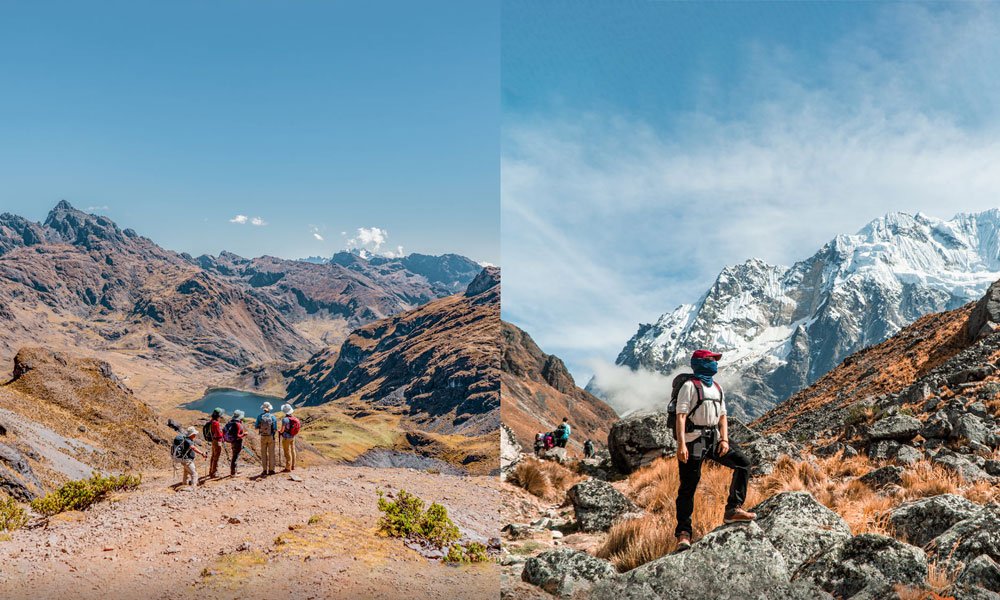
The Salkantay Trek
Geographical Context
The Salkantay Trek is located in the Cusco region, within the Andes mountain range, and is one of the most prominent trekking routes in the area.
Its name comes from Nevado Salkantay, a towering peak that reaches approximately 6,271 meters (20,574 feet) above sea level and dominates the surrounding landscape with its majestic presence.
This mountain has been considered sacred since ancient times. In Andean cosmology, the “Apus” are mountains that protect communities and regulate the relationship between nature and human life. Nevado Salkantay fulfills this symbolic and spiritual role, serving as a cultural and geographical reference along the trek.
Along the route, hikers pass through various types of landscapes, such as:
-
High mountains: featuring glaciers, snow-capped peaks, and Andean grasslands.
-
Deep valleys: formed by river erosion and geological processes, where vegetation becomes more abundant.
-
Upper jungle: with warm, humid climates, abundant rivers, and dense vegetation.
This succession of environments allows hikers to experience marked climatic and ecological changes—from sub-zero temperatures and dry air at the snowy peaks to warmth and humidity in the jungle zones. The combination of mountains, valleys, and jungle makes the Salkantay Trek a diverse and dynamic route, where the geography directly shapes the natural and cultural experience.
History and Development of the Trek
For centuries, the Inca Trail was the main access route to Machu Picchu, used by Andean cultures for trade, communication, and ceremonial purposes. With the arrival of modern tourism, the growing number of visitors began to threaten both the archaeological infrastructure and surrounding ecosystems. As a result, authorities imposed strict entry limits to preserve historical and natural heritage.
This situation prompted the creation of alternative routes, with the Salkantay Trek becoming one of the most important.
From the beginning, the route stood out for its moderate to high difficulty, its direct contact with nature, and the variety of landscapes it traverses—from glaciers and snow-capped peaks to cloud forests and upper jungle. This diversity quickly made it a preferred option for travelers seeking a more authentic and less crowded experience than the traditional Inca Trail.
Over time, the Salkantay Trek gained international recognition, becoming a benchmark trekking route in South America. Its popularity stems from both the stunning landscapes it offers and the physical challenge it presents, as well as the opportunity to observe local communities, culture, and traditions.
Today, the route is considered a complete experience that combines adventure, nature, and cultural heritage, continuing to attract hikers from around the world who seek a unique journey in the Peruvian Andes.
Diversity of Landscapes
The Salkantay Trek is characterized by the wide variety of landscapes along its route, offering hikers very different experiences at each stage.
This diversity results from changes in altitude, climate, and vegetation, allowing multiple ecosystems to be observed in just a few days of trekking.
-
In the early stages, high mountain landscapes dominate, with low temperatures, strong winds, and the presence of glaciers. Hikers encounter snow-capped peaks, massive rock formations, and glacial lakes that reflect the majesty of the mountains and the harshness of the high-altitude environment.
-
As the trek descends into intermediate valleys and cloud forests, the climate becomes milder and more humid. These zones are rich with moss-covered trees, giant ferns, flowering shrubs, and rivers and waterfalls. The combination of lush vegetation and flowing water contrasts sharply with the cold, dry high-altitude sections.
-
Toward the final stage, near Aguas Calientes, the upper jungle environment becomes more prominent, with dense vegetation, larger rivers, and tropical flora such as orchids and bromeliads.
The transition of ecosystems—from frozen mountain areas to jungle lushness—makes the Salkantay Trek a unique route where each stage offers landscapes with distinctive characteristics and visual experiences.
Flora and Fauna
The Salkantay Trek allows exploration of a wide variety of ecosystems, resulting in diverse flora and fauna along the route. Each stage presents different environmental characteristics that determine the species present.
-
High mountain zones: vegetation is limited and adapted to cold, including Andean grasslands and hardy plants. Wildlife includes llamas, alpacas, vicuñas, condors, and small Andean mammals.
-
Upper jungle zones: biodiversity increases considerably, with tropical and riverine forests populated by exotic plants, orchids, and bromeliads. Rivers and streams sustain fish, amphibians, and small mammals. The birdlife is especially varied, with brightly colored species moving through the foliage.
Physical Challenges and Preparation
The Salkantay Trek is a demanding route that requires good physical condition and preparation due to altitude, length, and terrain changes. The hike lasts several days, crossing high peaks, steep descents, and uneven terrain, requiring muscular endurance, balance, and cardiovascular capacity.
One of the most challenging sections is the Salkantay Pass, at over 4,600 meters (15,091 feet). At this altitude, oxygen levels decrease significantly, potentially causing altitude sickness, including fatigue, dizziness, headaches, or difficulty breathing.
To reduce risks and enjoy the trek safely, it is recommended to:
-
Acclimate in Cusco before starting the route.
-
Wear clothing suitable for sudden temperature changes, sturdy footwear, and use trekking poles.
-
Stay well-hydrated and nourished throughout the hike.
With proper preparation, the Salkantay Trek becomes an accessible experience for those with moderate fitness, offering spectacular landscapes, ecological diversity, and the satisfaction of completing a high-mountain challenge.
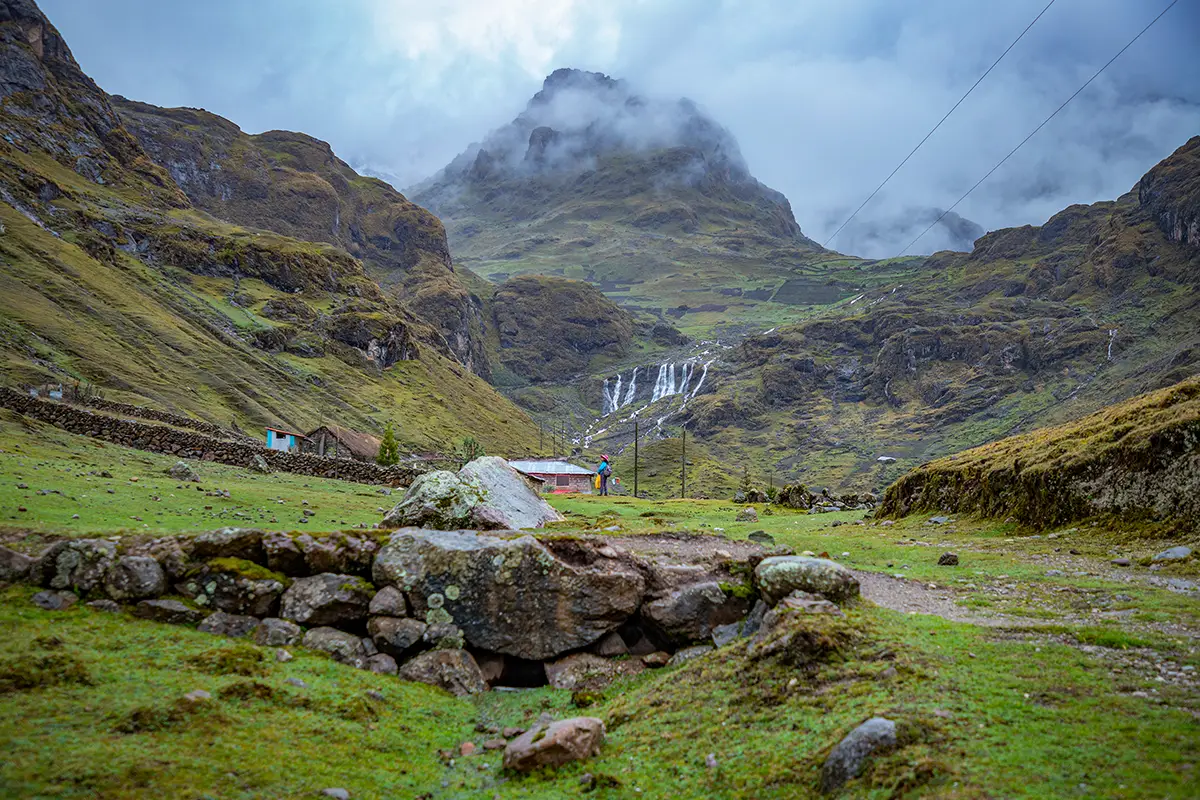
The Lares Trek
Geographical Location
The Lares Trek is an alternative route to Machu Picchu that passes through the Cusco region, entering rural areas and traditional Andean communities. Unlike other more crowded routes, the Lares Trek offers direct contact with local life, customs, and agricultural practices preserved for centuries.
The trek usually starts near the village of Lares, a small settlement in a valley surrounded by mountains, Andean lagoons, and high-altitude rivers. This area is famous for its natural hot springs, which hold recreational and cultural significance, as communities have used them for therapeutic and ritual purposes since ancient times.
Throughout the trek, travelers pass through inter-Andean valleys, highlands, and towering mountains, experiencing significant altitude changes that influence climate and vegetation. Landscapes include snow-capped peaks, elevated grasslands, and crystal-clear lagoons, while rivers and streams showcase the majesty of the Andes. These geographical changes create a dynamic and visually striking route, where each section offers a unique panorama.
Additionally, the Lares Trek integrates natural surroundings with local communities, as paths pass near terraced fields, pastures, and small villages where inhabitants maintain ancestral traditions, such as weaving alpaca and vicuña wool. This combination of geography, climate, and culture creates a complete experience, blending mountain landscapes with authentic Andean life.
Cultural Significance
The Lares Trek stands out for its cultural value, providing close contact with Andean communities that preserve traditions inherited from the Inca Empire. Hikers pass through small villages where daily life remains closely linked to agriculture, livestock, and environmental stewardship, reflecting a sustainable, ancestral lifestyle.
In these communities, Quechua remains the primary language, and many cultural practices continue through rituals, festivals, and traditional work methods. Travelers can see how locals cultivate terraced fields, raise llamas and alpacas, and produce handcrafted textiles using techniques passed down through generations. These activities not only serve economic and social purposes but also strengthen regional cultural identity.
Moreover, the Lares Trek highlights daily interactions between people and their environment, showing how inhabitants responsibly use natural resources. The architecture of houses, stone roads, and irrigation channels reflects profound knowledge of local geography and climate, demonstrating community adaptation to the mountains.
This cultural dimension makes the Lares Trek a more intimate and educational experience than other routes, allowing visitors to connect with the daily life, knowledge, and identity of Andean communities.
Traditions and Handicrafts
One of the most notable cultural expressions along the Lares Trek is traditional textile weaving, combining art, identity, and daily utility. Women in these communities are the main weavers, using alpaca and sheep wool to create ponchos, hats, blankets, and belts.
Each design and color carries symbolic meaning, passed down through generations, reflecting stories, beliefs, and natural surroundings. For example, patterns may represent mountains, rivers, or sacred animals, while colors can indicate family, community, or festival affiliation. This symbolism turns every textile into a living record of Andean memory.
Beyond artistic and cultural value, textile craftsmanship plays an important economic role. Selling products to tourists generates income while preserving traditions, reinforcing social cohesion and intergenerational learning.
The practice of handicrafts, along with other local traditions, makes the Lares Trek a deeply cultural experience. Visitors not only enjoy stunning landscapes but also observe, learn, and engage with daily life, connecting with the history, knowledge, and identity of the Andean people.
Rural Landscapes
The Lares Trek features peaceful, well-preserved rural landscapes, offering hikers an authentic experience of the Peruvian Andes. Terraced fields stretch across valleys, blending history, human activity, and nature.
Crystal-clear lagoons reflect surrounding peaks and provide water for agriculture and livestock. Grazing alpacas, llamas, and sheep are integrated harmoniously into the landscape, emphasizing traditional livestock practices maintained over generations.
Unlike other routes to Machu Picchu, the Lares Trek has low tourist traffic, helping preserve both natural and cultural environments. This tranquility enhances the sense of isolation and immersion, allowing hikers to appreciate the blend of scenic beauty, biodiversity, and rural life in harmony with the mountains.
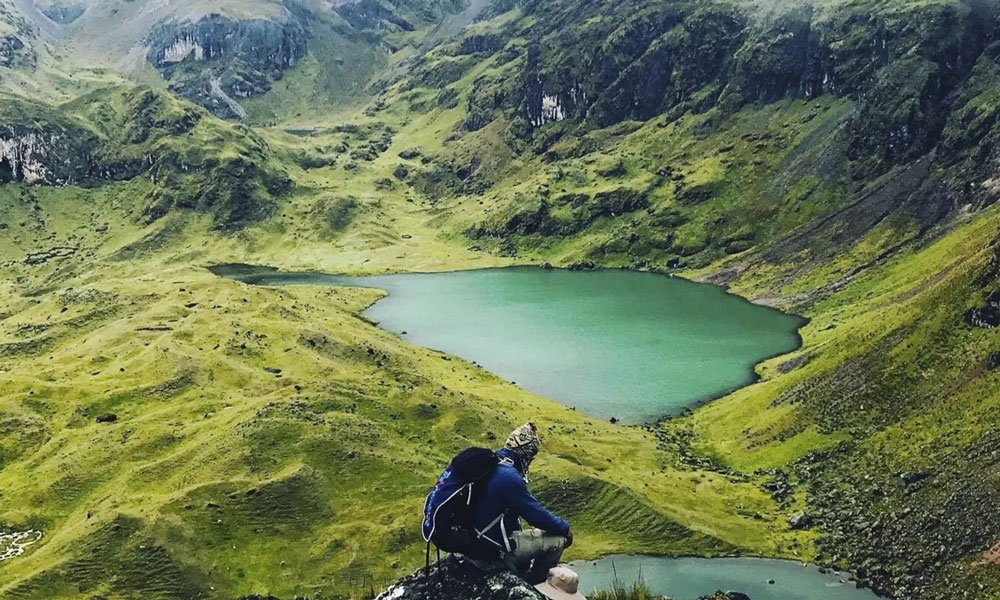
Differences in the Travel Experience: Salkantay Trek vs. Lares Trek
The Salkantay Trek is best known for its focus on adventure and natural exploration. This popular trekking route crosses diverse ecosystems—from glaciers and high-altitude mountains to cloud forests and the upper jungle—allowing hikers to experience dramatic changes in climate, vegetation, and altitude within just a few days. The trek demands considerable physical preparation, especially to conquer high-altitude sections like the Salkantay Pass, making it a challenging and unforgettable experience for adventure seekers and nature lovers visiting Machu Picchu.
In contrast, the Lares Trek emphasizes cultural immersion and interaction with local Andean communities. Along this route, travelers pass through traditional villages where ancestral practices are still alive, including terraced farming, alpaca herding, and textile weaving. This trek offers an educational and intimate way to learn about the daily life, customs, language, and artisanal traditions of the Quechua people, while enjoying serene rural landscapes far from crowded tourist paths.
In summary, while the Salkantay Trek prioritizes adventure, physical challenge, and natural scenery, the Lares Trek combines scenic rural landscapes with cultural experiences, fostering direct engagement with local communities and the preservation of centuries-old traditions. Choosing between these two treks depends on whether travelers are seeking an intense mountain adventure or a profound cultural experience in authentic Andean settings.
Differences in Natural Environment
The Salkantay Trek is renowned for its incredible biodiversity. Hikers traverse a wide range of ecosystems, from icy high mountains and glaciers to cloud forests and upper jungle. This variation allows travelers to witness dramatic shifts in climate, vegetation, and wildlife along the same journey. Along the route, hikers can observe snow-capped peaks, glacial lagoons, puna grasslands, rushing rivers, and abundant biodiversity, including endemic birds, mammals, and plants unique to each ecosystem.
The Lares Trek, however, takes place mainly in rural Andean mountain areas. The route features agricultural valleys, grasslands, crystal-clear lagoons, and traditional Andean villages. While there are changes in altitude, the landscape remains more homogeneous, highlighting rural scenery and native vegetation typical of the inter-Andean Andes. Local fauna such as alpacas, llamas, and sheep graze freely, but the diversity of ecosystems is less pronounced than along the Salkantay Trek.
Essentially, the Salkantay Trek focuses on exploring the natural diversity of the Peruvian Andes, while the Lares Trek highlights rural life and cultural heritage, offering peaceful landscapes and closer interaction with local communities. This difference clearly shapes the travel experience, guiding visitors based on their preference for wild nature or cultural immersion.
Differences in Visitor Numbers
Tourist traffic can significantly affect the trekking experience. The Salkantay Trek and Lares Trek differ greatly in terms of visitor flow, resulting in distinct experiences for hikers heading to Machu Picchu.
- Popularity of the Salkantay Trek
The Salkantay Trek has gained international recognition as one of South America’s most spectacular trekking routes. Its scenic beauty and challenging terrain attract many hikers each season.
During peak months, from May to September, organized groups with professional guides are common. The presence of tour operators ensures smooth logistics and enhances safety along the route. Although the Salkantay Trek sees fewer visitors than the traditional Inca Trail, hikers may still encounter other groups along certain sections.
- Tranquility of the Lares Trek
The Lares Trek is less known internationally, resulting in significantly fewer visitors. This low traffic allows for a tranquil trekking experience. Hikers often feel a stronger sense of isolation and connection with nature, making it easier to enjoy the Andean scenery without interruptions.
An important aspect of the Lares Trek is its cultural immersion. Travelers can observe daily life in villages, agricultural practices, and local traditions with greater ease and intimacy than on more crowded routes.
- Impact on the Trekking Experience
Visitor numbers directly influence the trekking experience. The Salkantay Trek offers a thrilling adventure with striking landscapes and occasional interaction with other hikers. The Lares Trek, on the other hand, provides a quieter, more authentic journey ideal for those seeking a peaceful hike and a deeper connection to Andean culture.
Choosing Between the Salkantay and Lares Treks
Both the Salkantay Trek and Lares Trek provide unique ways to explore the Andean region of Peru en route to Machu Picchu.
-
The Salkantay Trek stands out for adventure, stunning natural landscapes, and a significant physical challenge.
-
The Lares Trek offers deep cultural engagement and a closer connection to Andean communities, showcasing centuries-old traditions and rural life.
Despite their differences, both treks share a common goal: giving travelers the chance to discover the extraordinary natural and cultural richness of the Cusco region, where history, tradition, and nature intertwine to create an unforgettable experience.