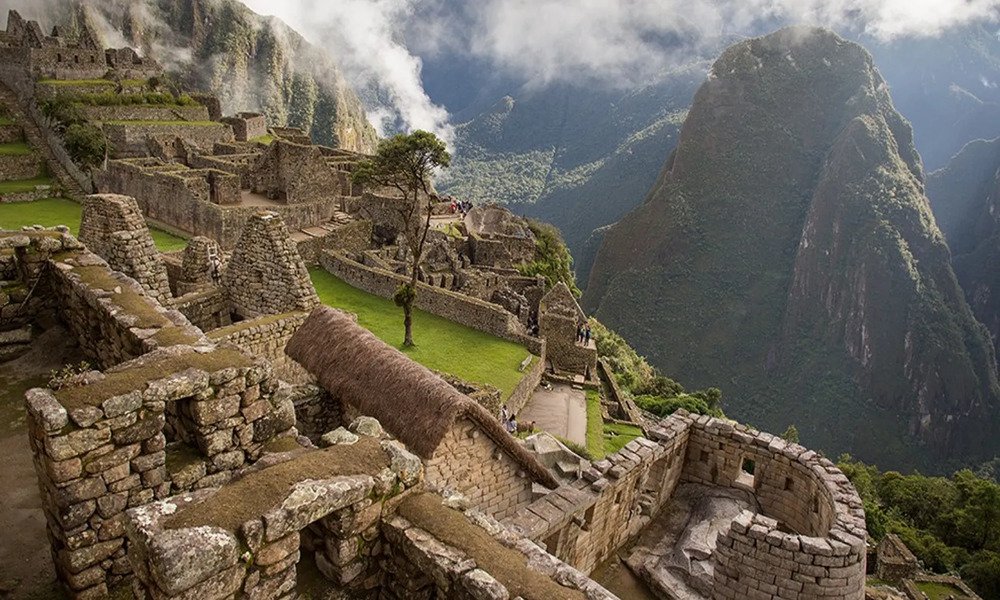
Access to Machu Picchu from Ollantaytambo and Aguas Calientes
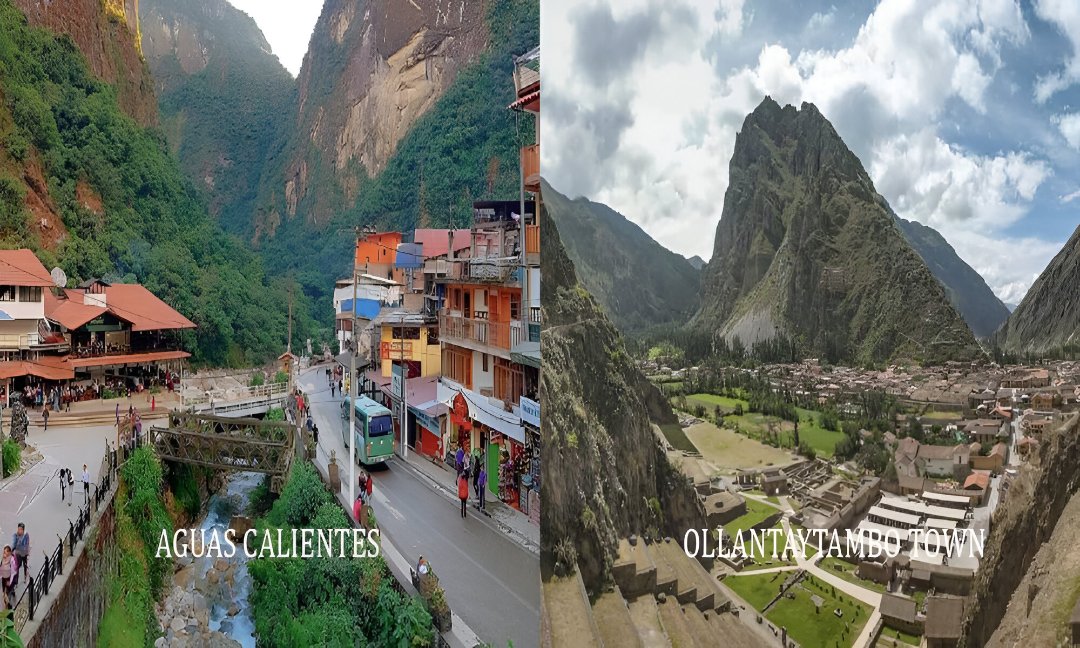
Access to Machu Picchu is a fundamental part of the travel experience. There are two main points from which visitors reach the Inca citadel: Ollantaytambo and Aguas Calientes.
Each route offers different features in terms of transportation, duration, and type of experience. The choice of access depends on the time available, the budget, and the traveler’s preferences.
Knowing the access options to Machu Picchu allows you to better plan your trip. It also helps you enjoy an organized and safe journey before arriving at one of the world’s most important archaeological sites.
Routes from Ollantaytambo to Aguas Calientes
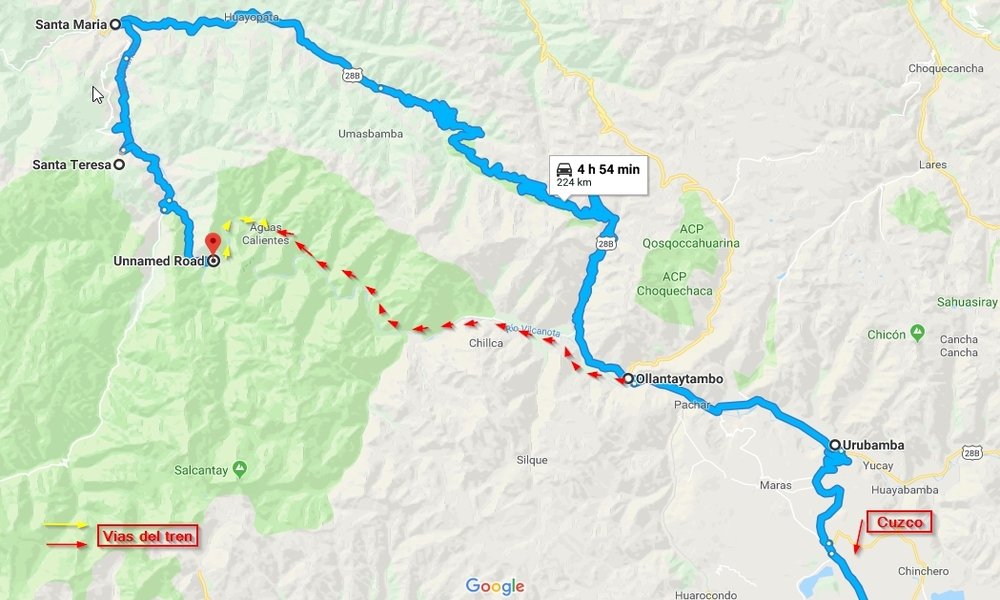
The journey from Ollantaytambo to Aguas Calientes is one of the most popular routes to reach Machu Picchu. This route is known for its natural beauty and the variety of options available to travelers.
The choice of route depends on the time, budget, and type of experience you want to have before visiting the Inca citadel.
Railway route through the Urubamba Valley
The most common route from Ollantaytambo to Aguas Calientes is by train. This journey follows the course of the Urubamba River and crosses Andean landscapes and areas of high jungle.
During the journey, passengers can observe mountains, lush vegetation, and small settlements. This experience makes the transfer an important part of the trip to Machu Picchu.
The rail service offers different schedules and types of trains, making it easy to plan your trip according to your needs.
Alternative routes and hikes to Aguas Calientes
In addition to the train, there are alternative routes that combine hiking and ground transportation. These options are attractive for those seeking a more immersive experience in nature.
Some routes include trails that follow ancient Inca roads and through rural landscapes. These hikes offer the opportunity to meet local communities and enjoy the natural environment.
These alternatives require more time and physical preparation. However, they offer a different and enriching experience before arriving in Aguas Calientes.
Means of transport from Ollantaytambo to Aguas Calientes
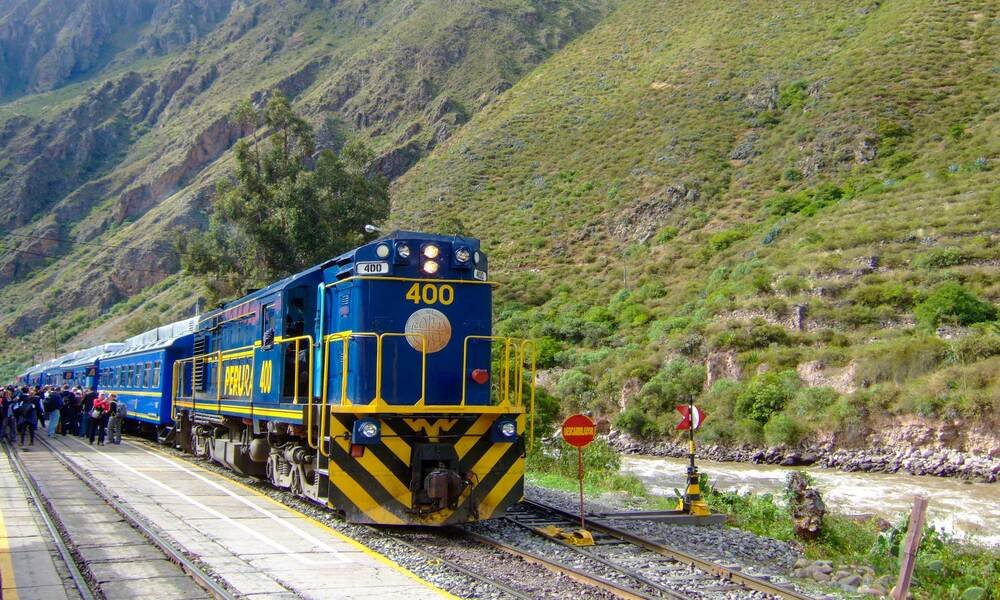
The transfer from Ollantaytambo to Aguas Calientes is primarily done through organized tour services designed to facilitate access to Machu Picchu. Due to the geography of the Sacred Valley and the absence of a direct road, the means of transport are adapted to the natural environment and ensure a safe and organized experience for visitors.
This route connects two sites of great historical and cultural value: Ollantaytambo, an ancient Inca center, and Aguas Calientes, the gateway to the historical sanctuary. For this reason, transportation not only serves a practical purpose but is an integral part of the tourist experience.
Transporte ferroviario turístico
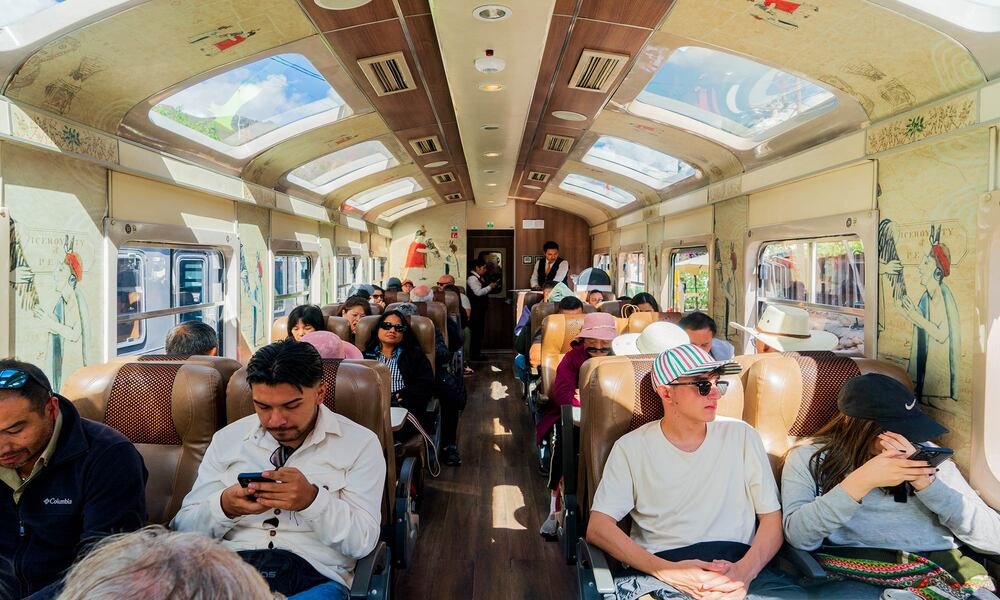
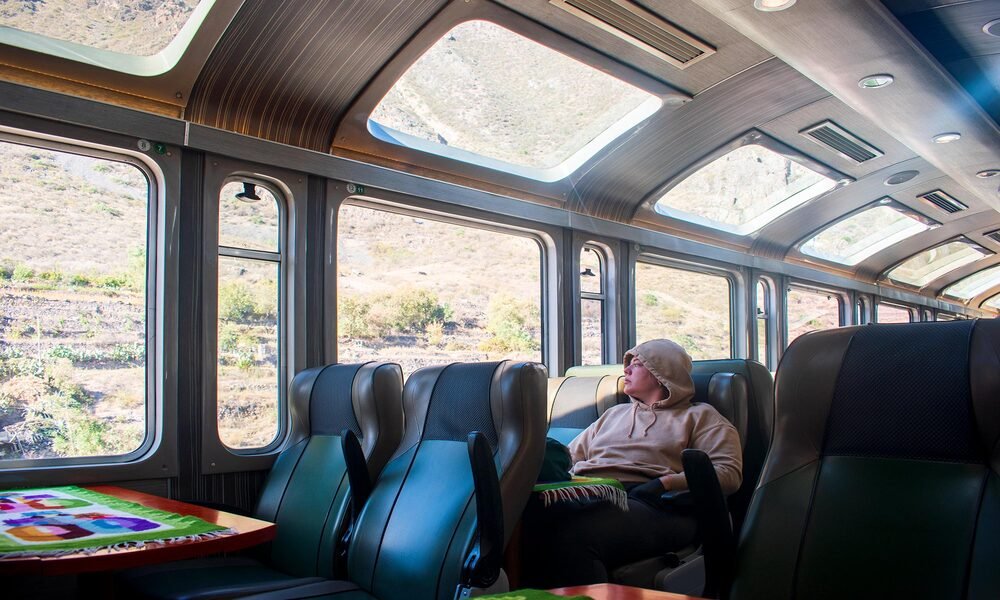
The train is the most popular way to travel from Ollantaytambo to Aguas Calientes. This option is known for its comfort and for allowing visitors to enjoy the Andean scenery throughout the journey. Along the route, you’ll see the Vilcanota River, rugged mountains, and a gradual transition to the cloud forest vegetation.
Railway companies offer a variety of tourist services that vary in comfort level. Some trains feature panoramic windows, spacious seats, and onboard service, enhancing the travel experience. This option is ideal for families, seniors, and tourists who prefer a relaxed and organized journey.
Rail transport is also characterized by its excellent planning and punctuality. Timetables are set in advance, which facilitates itinerary planning and reduces the risk of delays. Furthermore, using the train helps to lessen the environmental impact in an area of high natural and cultural value.
Combined transport and access alternatives
Combined transport offers an alternative for those seeking a different experience or a lower cost. This option integrates road trips, hiking, and, in some cases, short train journeys. The route allows you to explore less crowded areas and enjoy landscapes different from those of the traditional rail route.
This option offers a closer experience to nature and is often chosen by adventurous travelers. However, it requires more planning, as it involves longer travel times and a good level of fitness to complete some sections on foot.
Combined transportation is recommended for tourists with flexible schedules and good physical fitness. Before choosing this option, it’s advisable to consider factors such as weather, tourist season, and available time to ensure a safe trip and a satisfactory experience.
Travel time from Ollantaytambo to Aguas Calientes
The travel time from Ollantaytambo to Aguas Calientes varies depending on the chosen mode of transport and the planned itinerary. This is crucial for properly organizing your visit to Machu Picchu, as it directly impacts entry times, rest periods, and the overall traveler experience.
Knowing the approximate travel times helps avoid setbacks, reduces travel stress, and allows you to make the most of each stage of your journey. Therefore, it is recommended to evaluate the available options in advance and choose the one that best suits your needs.
Travel time on a tourist train
The train journey from Ollantaytambo to Aguas Calientes takes approximately one and a half to two hours. This time may vary slightly depending on the type of service booked and the day’s operating conditions. Even so, it is considered the fastest and most efficient way to reach your destination.
During the journey, travelers can enjoy a comfortable and continuous ride, without interruptions or changes in transportation. This allows them to arrive in Aguas Calientes with enough energy to continue with their planned activities, such as visiting the sanctuary or resting before the ascent to Machu Picchu.
Furthermore, the punctuality of the train service facilitates coordination with other tourist services, such as shuttle buses, scheduled tickets, and guided tours. This efficiency makes the train the preferred option for most visitors.
Journey time on alternative routes and combined transport
Alternative routes and combined transport require longer travel times. Depending on the chosen itinerary, the total duration can range from half a day to a full day. This type of journey includes road sections, walking, and, in some cases, short rail connections.
The extra time allows visitors to enjoy a more leisurely experience and a closer connection with the natural environment. During the tour, it’s possible to make strategic stops to rest, take photographs, and acclimatize to the weather and altitude. However, this option requires careful planning and good time management.
Choosing alternative routes involves considering the traveler’s physical condition, the time of year, and weather conditions. Although the journey is longer, many tourists value this experience for the sense of adventure and direct contact with the Andean landscape.
Recommendations for travel and trip planning
Proper planning of your trip to Aguas Calientes is key to enjoying a smooth and trouble-free experience. Good organization allows you to optimize your time, avoid unexpected problems, and make the most of your visit to Machu Picchu.
Making informed decisions about schedules, transportation, and luggage contributes to a safer and more comfortable trip. These recommendations help visitors prepare better before starting their journey.
Schedule organization and advance purchase
Booking train tickets and Machu Picchu entrance tickets in advance makes trip planning much easier. During peak season, demand increases and tickets sell out quickly, so securing your reservation avoids last-minute changes.
Choosing the right times is also essential. Many travelers opt to leave Ollantaytambo early to arrive in Aguas Calientes with enough time to rest before visiting the sanctuary. This arrangement reduces fatigue and improves the overall experience.
Coordinating train schedules with your Machu Picchu entrance time also helps avoid long waits and unnecessary travel. A well-structured itinerary ensures a smoother visit.
Personal preparation and practical tips
Traveling light makes getting around easier, especially on tourist trains and combined tours. It’s recommended to pack only the essentials, such as documents, water, sunscreen, and comfortable clothing suitable for the area’s changeable weather.
Climate and altitude adaptation should also be considered. Although Aguas Calientes is at a lower altitude than Cusco, it is important to stay hydrated and get adequate rest before visiting Machu Picchu.
Finally, following the instructions of the transport staff and respecting the established schedules contributes to a safe and organized journey. These measures allow you to enjoy the trip with peace of mind and fully focus on the cultural and natural experience.