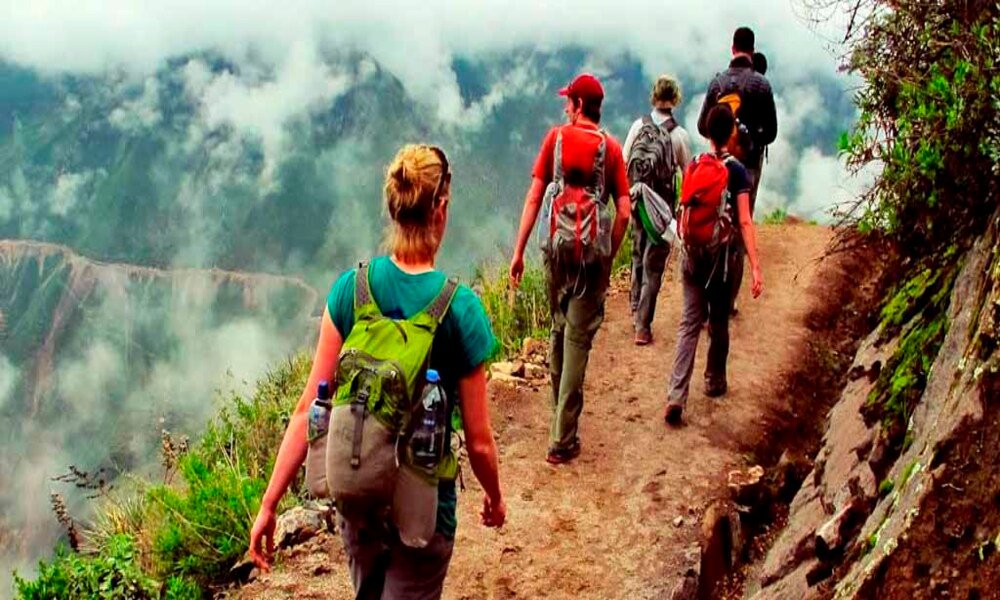
“What is the best time to travel to Arequipa?”
Arequipa, the “White City” of southern Peru, is best enjoyed when the weather cooperates to showcase its landscapes, colonial architecture, and nature excursions. Choosing the right time to visit can make all the difference between a trip filled with clear skies and outdoor adventures, or rainy days that make it difficult to access places like the Colca Canyon, the Sillar Route, or the Salinas y Aguada Blanca National Reserve. Knowing the dry and rainy seasons allows you to better plan your tours, savor the local cuisine, and explore the city without any problems.
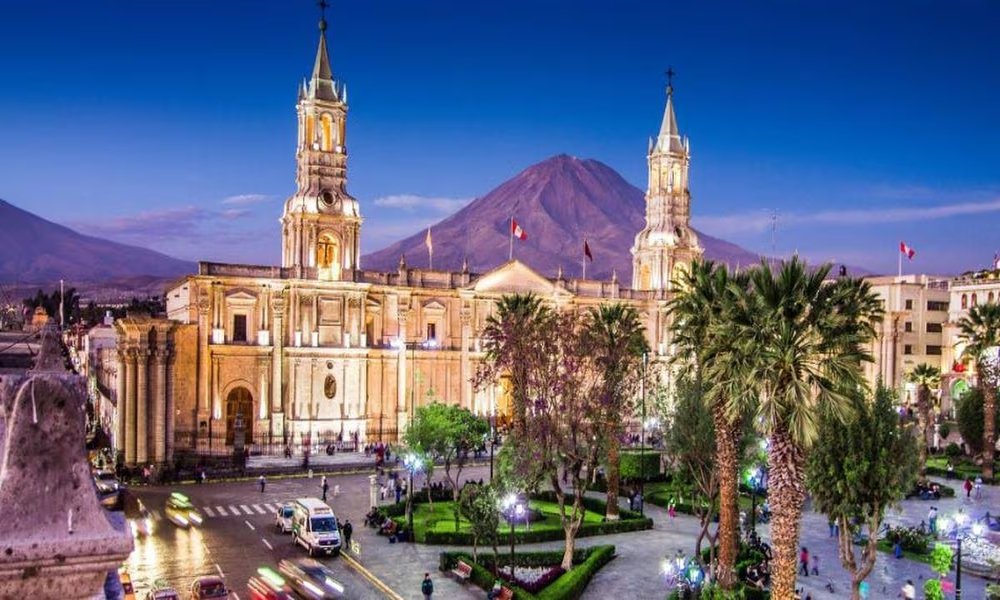
Dry season (April – November)
Weather
During the dry season, Arequipa enjoys mostly clear skies and abundant sunshine , making it the ideal time to explore the city, visit its plazas, churches, and museums, and take excursions to the surrounding areas. Outdoor activities such as trekking, birdwatching, and photography tours are much more comfortable and safe.
Rainings
Rainfall is scarce at this time of year, almost nonexistent from June to August. This means that the roads to the Colca Canyon, the Sillar Route, and the Salinas y Aguada Blanca National Reserve are more accessible , and tourists can enjoy extended excursions without interruption.
Temperatures
-
Daytime: mild, between 18°C and 25°C , pleasant for urban walks and outdoor activities by SENAMHI.
-
Nights: cool, between 5°C and 10°C , especially in high-altitude areas or in the Colca Valley, so it is recommended to bring light warm clothing.
-
The temperature range is typical of Andean climates: sunny and warm days, cold nights.
Landscape
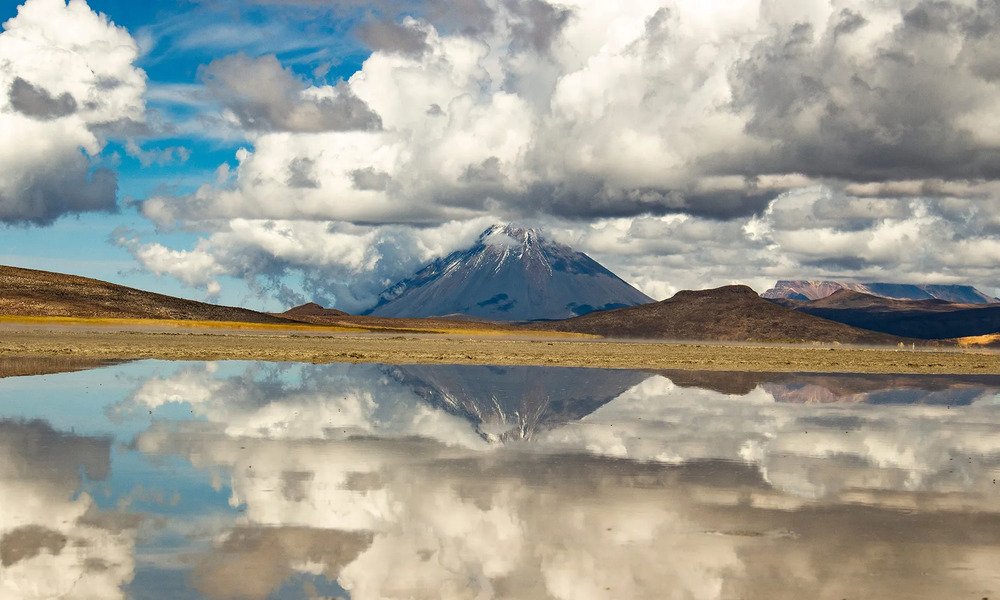
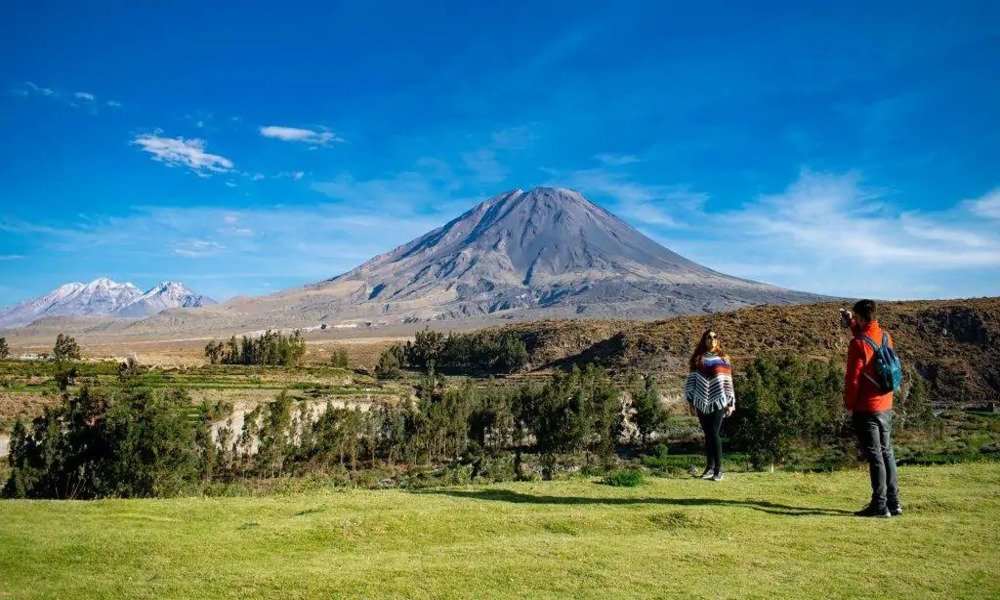
Clear skies allow you to contemplate imposing volcanoes like Misti, Chachani, and Pichu Pichu in all their splendor. The Andean deserts and plains reflect a palette of warm and contrasting colors , ideal for photography and for those seeking direct contact with nature. Furthermore, the vegetation in rural areas remains golden and light, highlighting the city’s sillar architecture.
Recomendations
-
Bring sun protection : a hat, sunglasses and sunscreen, as radiation at high altitudes is intense.
-
Layered clothing : comfortable for the day and warm for the night.
-
Constant hydration , especially during high-altitude excursions, to prevent mild altitude sickness.
-
Take advantage of sunny days for photo tours and walks around the city and surrounding areas .
Rainy season (December – March)
Weather and Rainings
During the rainy season, Arequipa experiences more frequent rainfall , especially in the highlands and the Colca Valley . The rain usually comes in the form of showers in the afternoon or evening , while mornings can be sunny, although partly cloudy.
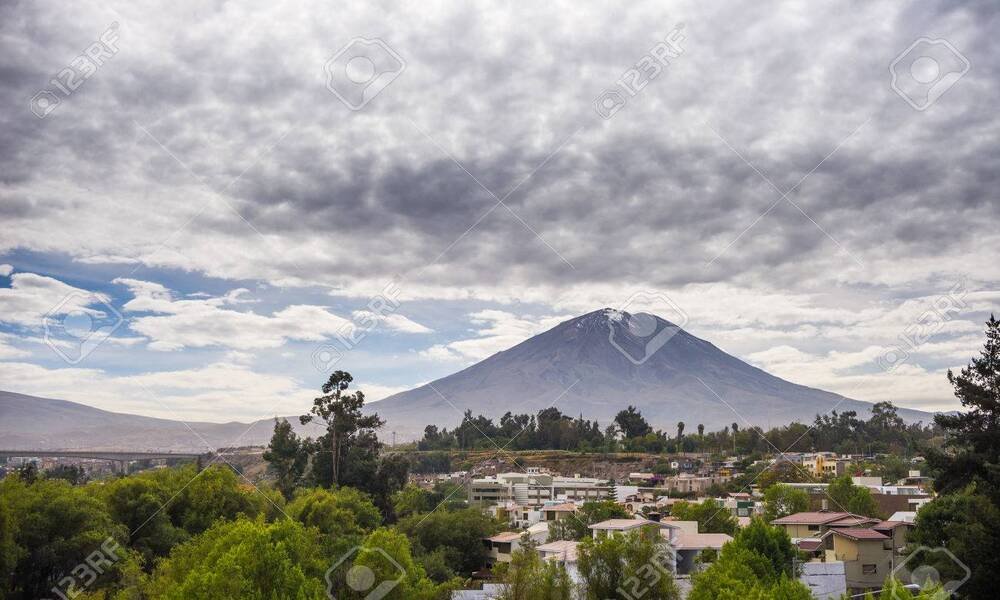
The majestic cone of El Misti Volcano in Arequipa, famous travel destination and landmark in Peru. Dramatic cloudy sky and fog on the bottom.
Accessibility and excursions
-
Some roads to the Colca Canyon, the Sillar Route, or the Salinas y Aguada Blanca National Reserve may become slippery or even be temporarily closed due to landslides or water accumulation.
-
Excursions require caution and planning , especially for trekking or routes outside the city.
-
Some agencies offer tours adapted to the season , with safer alternative routes.
Landscape and nature
-
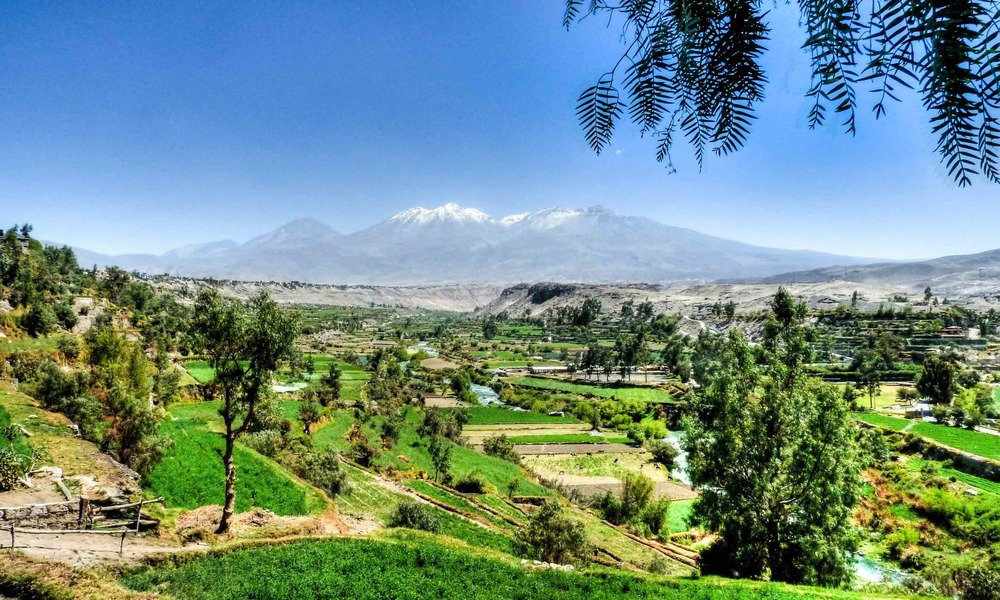
The rainy season transforms the landscapes: valleys and hillsides become green and lush , and rivers and lakes reach spectacular levels.
-
The vegetation flourishes, creating a very photogenic environment, ideal for those seeking vibrant nature and landscapes different from the dry season.
Tourism and Crowds
-
It’s a season with fewer tourists , so the most popular destinations can be enjoyed more peacefully.
-
The lower crowds allow for more authentic experiences in Andean villages and local markets.
Recomendations
-
-
Wear waterproof clothing and non-slip footwear .
-
Stay informed about the weather and road conditions before long excursions.
-
Plan flexible activities , as rain may affect schedules and routes.
-
Take advantage of sunny mornings for photography and short excursions , leaving the afternoons to rest or visit indoor places such as museums or markets.
-