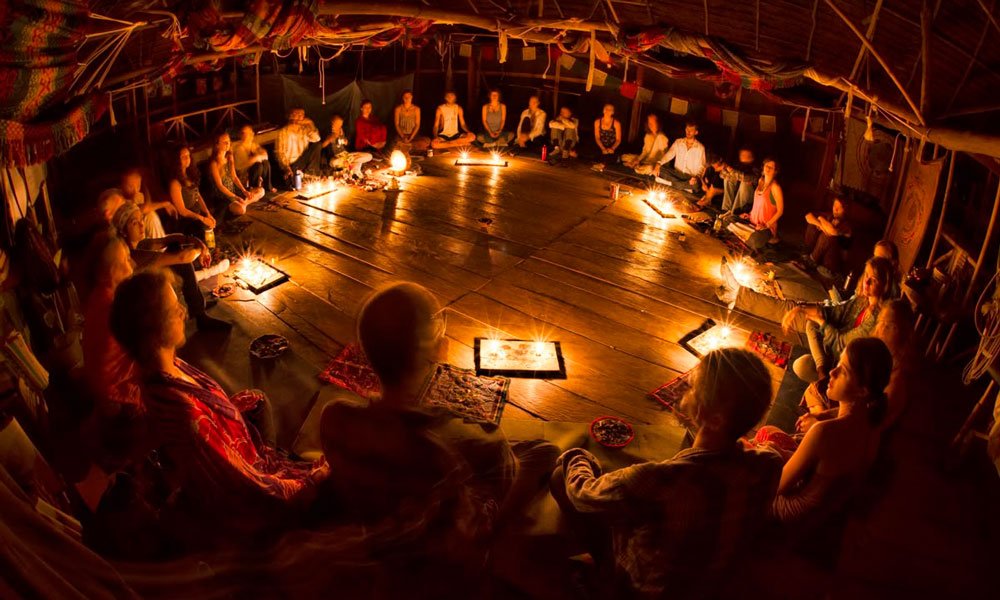
Ayahuasca Retreats: What Americans Need to Know.
In recent years, ayahuasca retreats have gained popularity among people in the United States seeking spiritual, emotional, or psychological healing. From celebrities to highly stressed workers, many individuals travel to South American nations such as Peru, Costa Rica, Colombia, and Brazil to participate in ceremonies led by shamans or guides.
However, although ayahuasca has been shown to have therapeutic potential in scientific research, it also poses physical, psychological, and legal risks. Therefore, it is essential to understand what it is, how it works, and what precautions should be taken before opting for a retreat.

What constitutes Ayahuasca:
Ayahuasca is a traditional psychoactive drink from Amazonian cultures, made from two main types of plants:
- Banisteriopsis caapi (a vine containing monoamine oxidase inhibitors, known as MAOIs)
- Psychotria viridis (a plant containing DMT, or dimethyltryptamine, a powerful natural hallucinogen)
When combined, they produce an intense experience lasting between 4 and 8 hours, marked by visions, intense emotions, and a feeling of “spiritual connection.”
Common Reasons Among Americans
A large number of Americans seek ayahuasca as a way to:
- Overcome depression, anxiety, or emotional trauma
- Discover spiritual purpose or meaning
- Address addictions (whether to narcotics, alcohol, or behavioral issues)
- Connect with nature and ancestral spiritual traditions
Preliminary research (e.g., in Frontiers in Pharmacology and the Journal of Psychopharmacology) suggests potential therapeutic benefits, although it is not a substitute for professional medical treatment.
Legal Status and Regulation
- In the United States, ayahuasca is considered illegal because it contains DMT, classified as a Schedule I controlled substance.
- However, certain religious groups, such as the Santo Daime Church and the União do Vegetal (UDV), have obtained legal exemptions for its use in rituals.
- In countries such as Peru, Brazil, and Costa Rica, its ceremonial use is legal or tolerated, especially in traditional or spiritual contexts.
Suggestion: Before traveling, research local regulations and make sure the retreat has the appropriate permits and safety protocols.

What to Expect at a Conventional Retreat
An ayahuasca retreat typically includes:
- Nightly ceremonies guided by an experienced shaman or facilitator
- Pre-diet (“the diet”): restrictions on salt, alcohol, meat, medications, and sexual relations
- Emotional preparation and meditation practice before the ingestion
- Integration: Post-experience reflection or therapy sessions
Ceremonies are held in a controlled environment, accompanied by ritual music (icaros) and with continuous supervision.
Various Risks and Precautions
Although many share transformative experiences, ayahuasca is not without its dangers. Some of the risks include:
- Anxiety attacks, panic attacks, or paranoia during the experience
- Dangerous interactions with medications, especially antidepressants (SSRIs)
- Cardiovascular or blood pressure problems
- Psychotic symptoms in individuals predisposed to mental disorders
- Retreat without medical supervision or with untrained guides
Key tips: Consult with a medical professional or psychiatrist before participating
- Verify the reputation and certification of the retreat (look for reliable reviews)
- Avoid combining ayahuasca with other psychedelics or psychiatric medications
Safe or complementary alternatives
If you are seeking emotional healing or greater self-knowledge, also consider:
- Psychotherapy with psilocybin or ketamine (in legal clinical settings in the US)
- Conventional treatments such as therapy Cognitive-behavioral therapy or somatic therapy
- Mindfulness practices, holotropic breathwork, and silent retreats