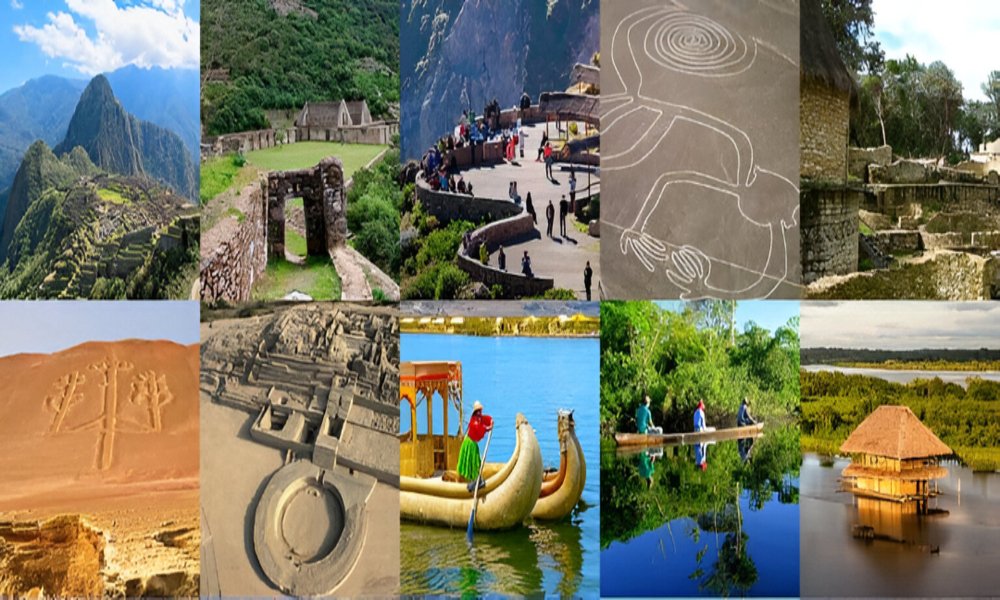
Best time to visit Peru: Dry vs Rainy Season
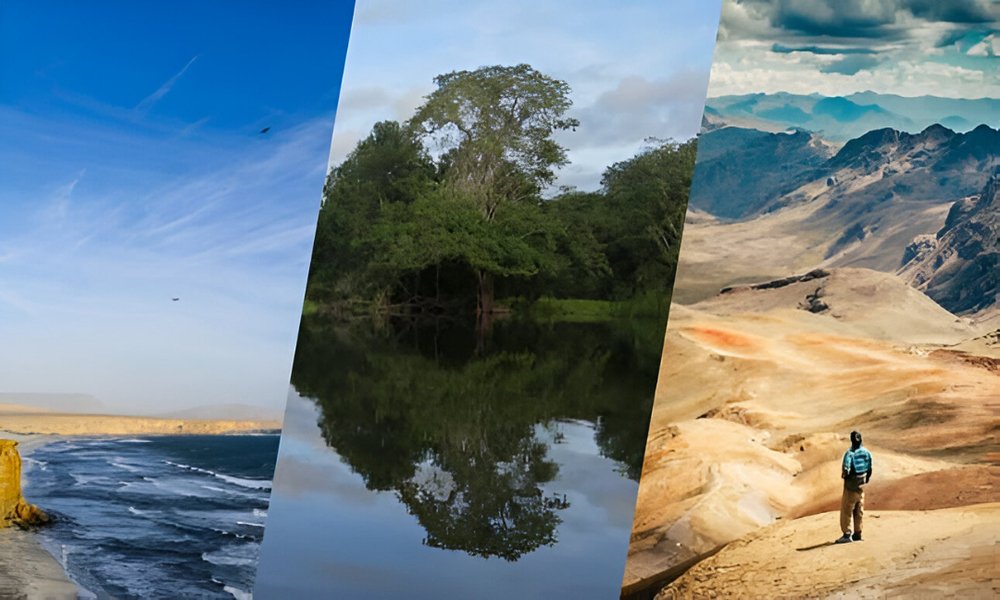
When planning your next adventure in South America, there is one important and relevant question: When is the best time to visit Peru?
The answer depends on the type of experience you want. Peru has two main seasons: the dry season, ideal for enjoying clear skies and mountain hikes, and the rainy season, when nature is greener and cultural life flourishes. Both offer unique experiences, from hiking the Inca Trail to exploring the Amazon rainforest. Understanding the differences between these seasons will help you plan the perfect trip for 2025.
☀️
Dry Season in Peru (May to October)
The dry season in Peru, lasting from May to October, is often considered the best time to visit the country — especially for travelers who dream of exploring the Andes, trekking to Machu Picchu, or photographing dramatic mountain landscapes. During these months, the skies are clear, the air is crisp, and rainfall is minimal across most highland and jungle regions. This perfect balance of sunshine and cool temperatures makes it ideal for adventure seekers, photographers, and anyone who enjoys being outdoors.
In Cusco and the Sacred Valley, the days are bright and comfortable, averaging between 17°C and 21°C (62°F–70°F), while nights can drop close to freezing. The trails to Machu Picchu — including the Classic Inca Trail — are dry, firm, and at their safest for hiking. The Colca Canyon near Arequipa also shines during this time, offering crystal-clear views of the flying condors at sunrise. Meanwhile, the Amazon rainforest (Tambopata and Iquitos) becomes more accessible, with slightly less rain and excellent wildlife sightings as animals gather around the rivers.
Although the dry season brings perfect weather, it’s also Peru’s peak travel season. Book train tickets to Machu Picchu, flights, and hotel stays at least 2–3 months in advance to secure the best options.
🌧️
Rainy Season in Peru (November to April)
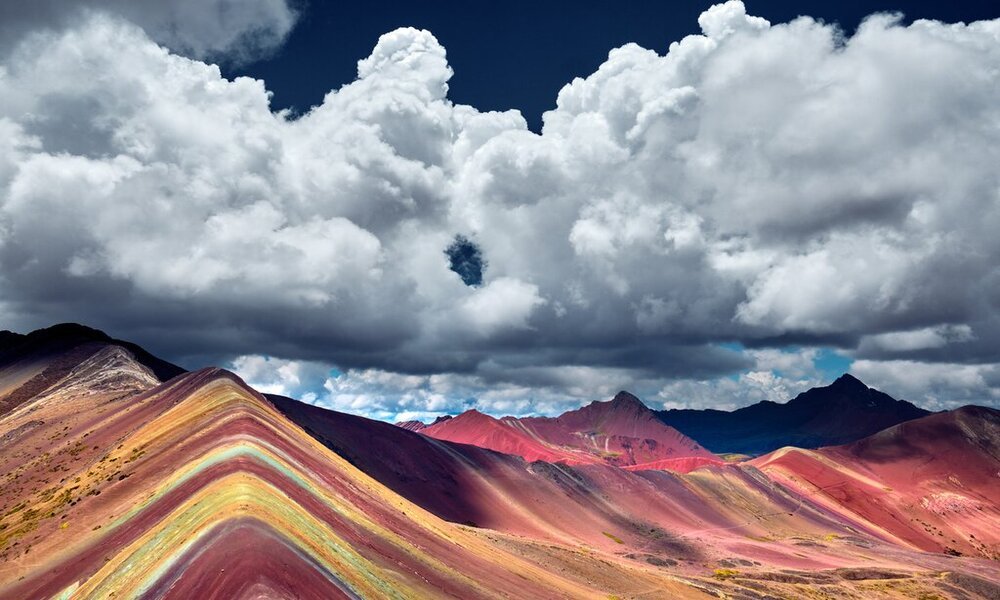
The rainy season in Peru, stretching from November to April, reveals a different yet equally fascinating side of the country. While many travelers associate rain with inconvenience, those who visit during these months quickly discover a greener, more authentic Peru. The Andes transform into a vivid patchwork of emerald valleys, waterfalls emerge along the roadsides, and ancient sites like Machu Picchu glisten under a mysterious mist that makes them even more enchanting. Rain showers are frequent but usually brief, followed by bright, fresh skies — a rhythm that gives life to the mountains and farmlands.
In Cusco, the Sacred Valley, and the southern Andes, daytime temperatures average around 18°C to 22°C (64°F–72°F), with light rain in the afternoons. Trails may be muddy, but most remain open, including access to Machu Picchu itself. The Inca Trail, however, closes each February for annual maintenance. On the coast, it’s the opposite story — this same period marks summer in Lima and Paracas, bringing warm weather, blue skies, and ideal conditions for beach lovers. Meanwhile, the Amazon rainforest experiences heavier rainfall, yet this is when wildlife thrives and rivers swell, allowing boats to reach deeper parts of the jungle.
Don’t let the word “rainy” scare you -mornings are often sunny, and fewer tourists mean quieter ruins, cheaper hotels, and a more relaxed pace of travel.
Regional Climate Differences
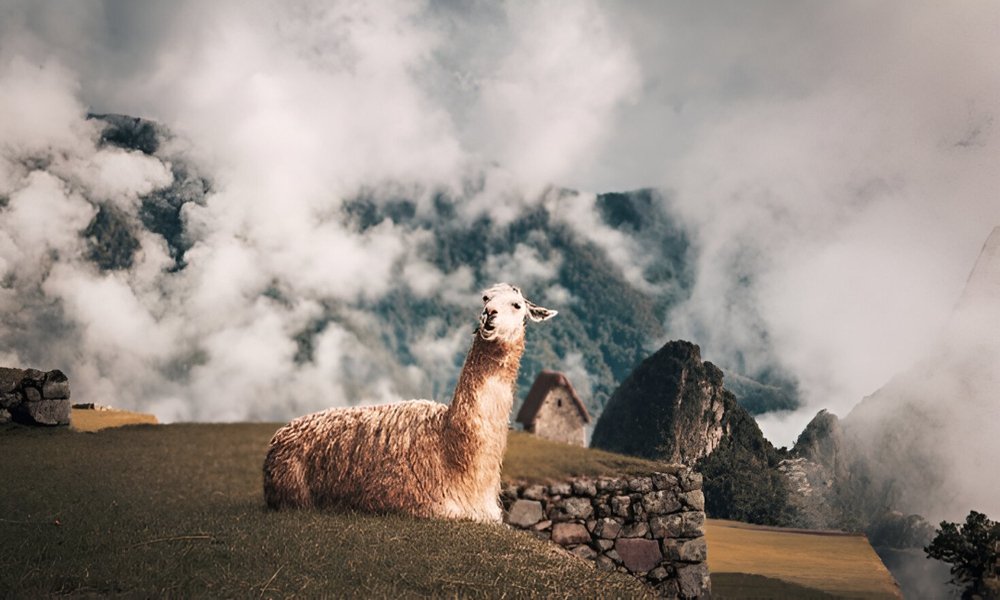
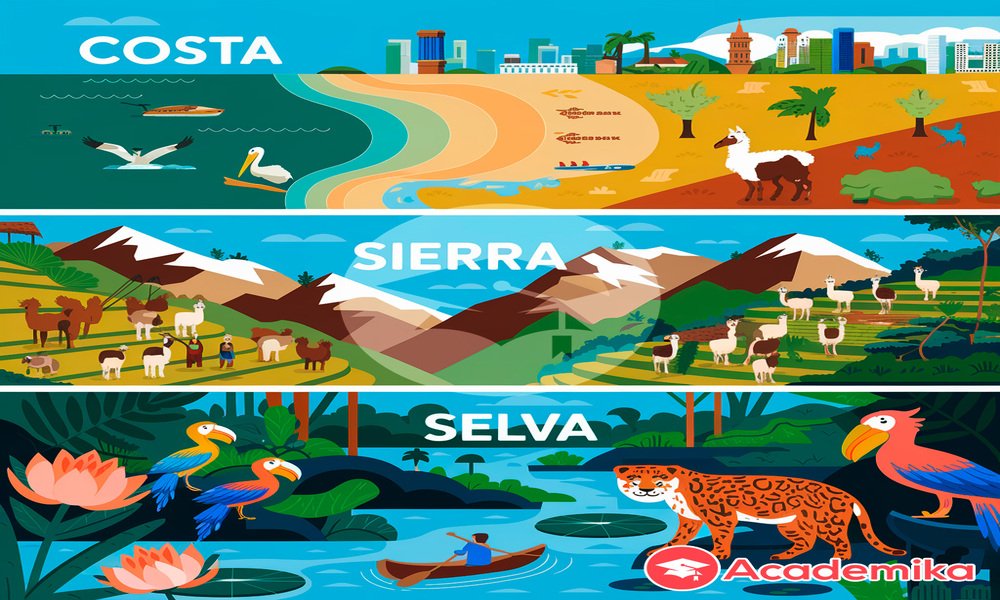
Peru’s geography is one of the most diverse in the world — and so is its climate. Because the country stretches from the Pacific Ocean to the high Andes and deep Amazon basin, travelers can experience three distinct weather zones in a single trip. Understanding these regional differences is key to deciding the best time to visit Peru, since each area has its own version of the dry and rainy seasons.
Along the coast, which includes cities like Lima, Paracas, and Trujillo, the weather is opposite to the Andes. From December to April, it’s warm and sunny — perfect for beach activities and surfing. During the rest of the year, a thick sea fog called garúa covers Lima, bringing mild temperatures and cloudy skies. The Andes region, home to Cusco, Machu Picchu, and Puno, follows a mountain climate: dry, sunny winters (May–October) and rainy summers (November–April). Finally, the Amazon jungle, including Iquitos and Tambopata, is hot and humid year-round but sees heavier rainfall between December and March.
If you plan to travel through all three areas on your trip, remember to bring cool clothes for Lima, warm clothes for Cusco, and breathable clothes for the Peruvian Amazon.
📌 From January to December: When to Go to Peru
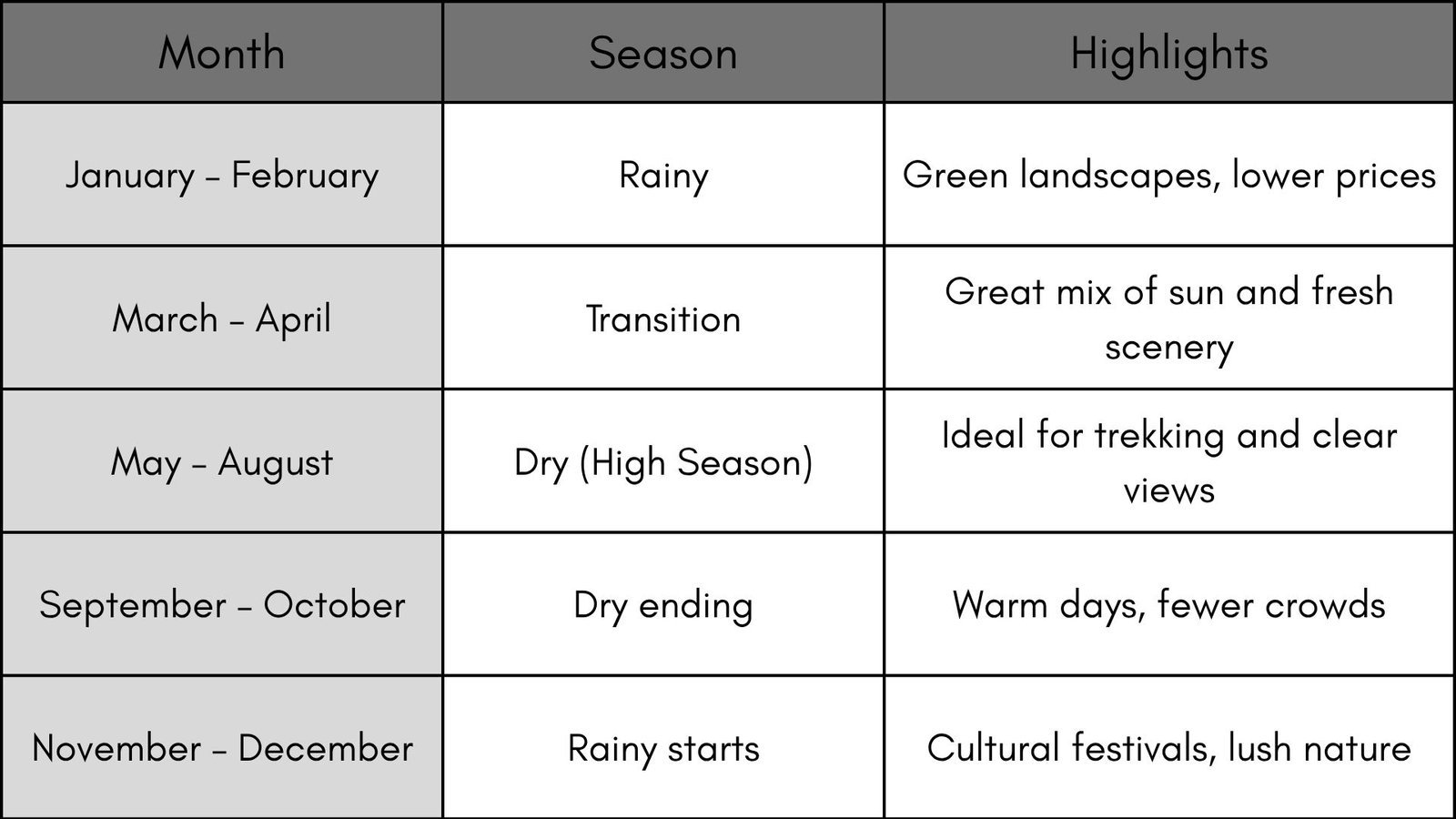
The best time to visit Peru according to your travel style
Many tourists come to Peru, but they don’t always have the same idea of what they want from their trip. Some come for adventure, photography, gastronomy, information, or leisure.
Here we explain how to plan your trip according to your travel style:
Adventure Seekers
If you love hiking and the outdoors, the dry season from May to September is ideal. The weather is stable, the trails are dry, and the skies are clear. You can trek the Inca Trail, hike the Salkantay Route, or climb peaks in the Cordillera Blanca near Huaraz. Days are sunny and comfortable, while nights in the Andes are cool.
Cultural Explorers
If you enjoy traditions and festivals, plan your visit between June and August. During this period, the Andes come alive with celebrations. The Inti Raymi Festival in Cusco honors the Inca Sun God with colorful parades and music. July also brings Fiestas Patrias, Peru’s Independence Day, when towns celebrate with dance, fireworks, and delicious food.
Budget Travelers
For budget-conscious travelers, the rainy season from November to March is perfect. Prices drop, crowds disappear, and accommodations are easy to find. Although it rains often, showers are usually short, and mornings remain bright. You’ll see a greener, quieter version of the Andes and enjoy a more relaxed pace.
Interested in nature and wildlife
For jungle lovers, visit the Amazon regions of Tambopata, Manu, or Iquitos between May and October. Rainfall is lighter, rivers are lower, and wildlife is easier to spot. You can see macaws, monkeys, caimans, and even pink river dolphins. Mornings are calm and perfect for boat rides or nature walks.