


Bolivia’s Mint: History, architecture, and tours
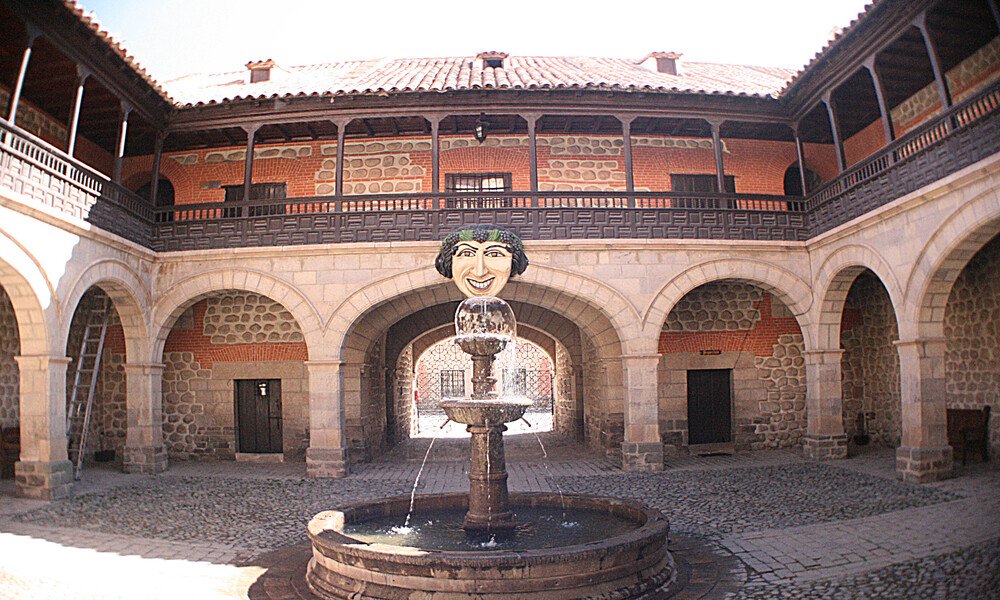
The Mint in Potosí, Bolivia , is one of the most emblematic buildings of South American colonial history. It was built in the 16th century, during the silver mining boom in the region. At the time, this building was the center where coins for the Spanish Empire were minted. Today, it functions as a museum and houses a rich collection of colonial art, antique minting tools, and historical documents. Visiting the Mint is to immerse oneself in the heart of Bolivian history.
History of the Mint
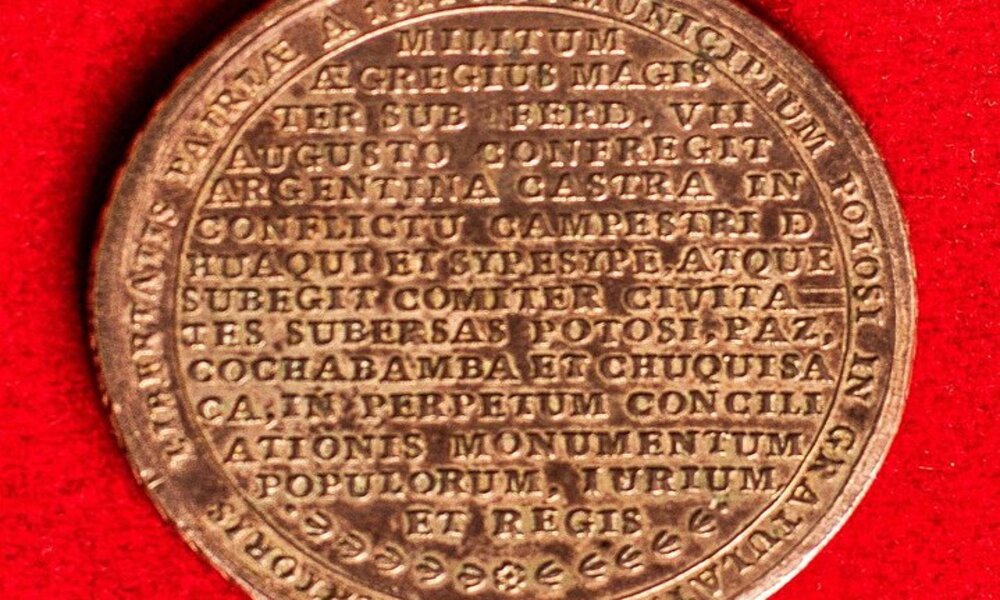
The Potosí Mint was built in the late 16th century, specifically in 1592. At that time, Potosí was one of the richest cities in the world, thanks to the enormous wealth extracted from Cerro Rico (Rich Hill). During the Viceroyalty of Peru, this building became a key center for coinage, contributing significantly to the colonial economy.
The role of the Mint in the colonial economy
The Mint played a fundamental role in the colonial economy. It facilitated the circulation of silver extracted from Potosí and other nearby mines. For over 200 years, it was the main place where coins were minted for the Spanish Empire, directly impacting the flow of money throughout the empire.
The transition from the Mint to a museum
Over time, coinage was replaced by more advanced methods. However, the Mint did not lose its value. In 1953, it was restored and transformed into a museum. Since then, it has preserved its colonial architecture and the history of coinage in the region.
How to get to the Mint?
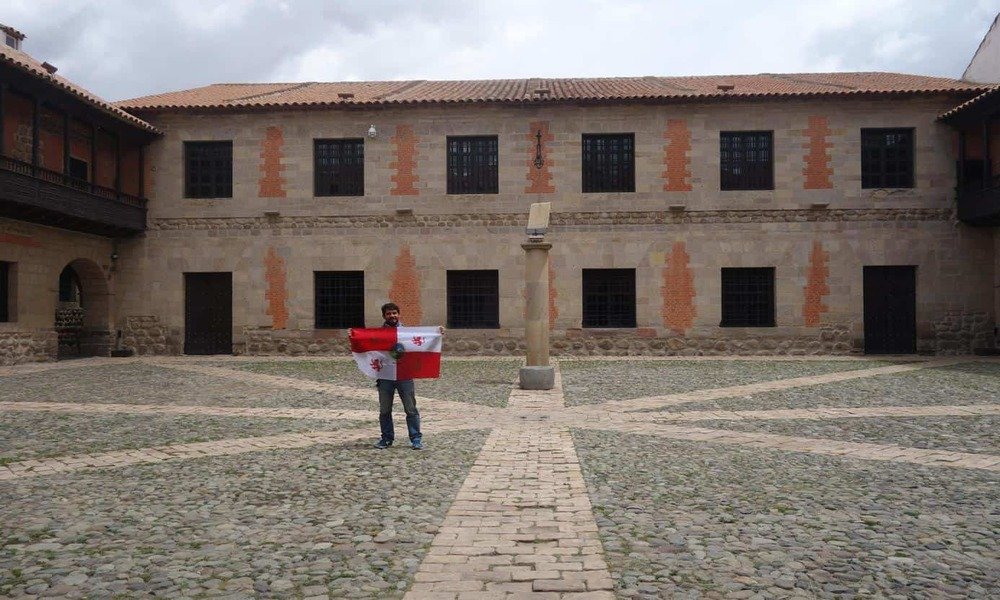
The Mint is located in the center of Potosí, in southern Bolivia. It is easily accessible from other nearby cities, such as La Paz or Sucre. From La Paz, the bus trip takes approximately 6 hours. From Sucre, it takes about 3 hours. You can also get there from Uyuni in about 3 hours.
To get there from downtown Potosí, it’s just a short walk. The building is located in Plaza 10 de Noviembre, one of the city’s most important squares.
Transportation from La Paz and Sucre
If you’re traveling from La Paz, you can take a direct bus to Potosí. The trip takes about 6 hours. From Sucre, there are regular routes that will get you there in approximately 3 hours. Both cities have good road connections, making it easy to reach Potosí.
Transportation options from Uyuni
If you’re in Uyuni, you can take a bus or private transport. The journey to Potosí takes about 3 hours. Uyuni is famous for the Salar de Uyuni salt flats, and many travelers take advantage of their time in the city to visit the Casa de la Moneda (Mint).
What to see inside the Mint
The Mint is not only a historic building, but also a fascinating museum filled with valuable artifacts that reflect the economic, cultural, and social history of Potosí and Bolivia. Inside the museum, visitors can explore rooms housing antique minting tools, historical coins, and an extensive collection of colonial art created during the viceroyalty.
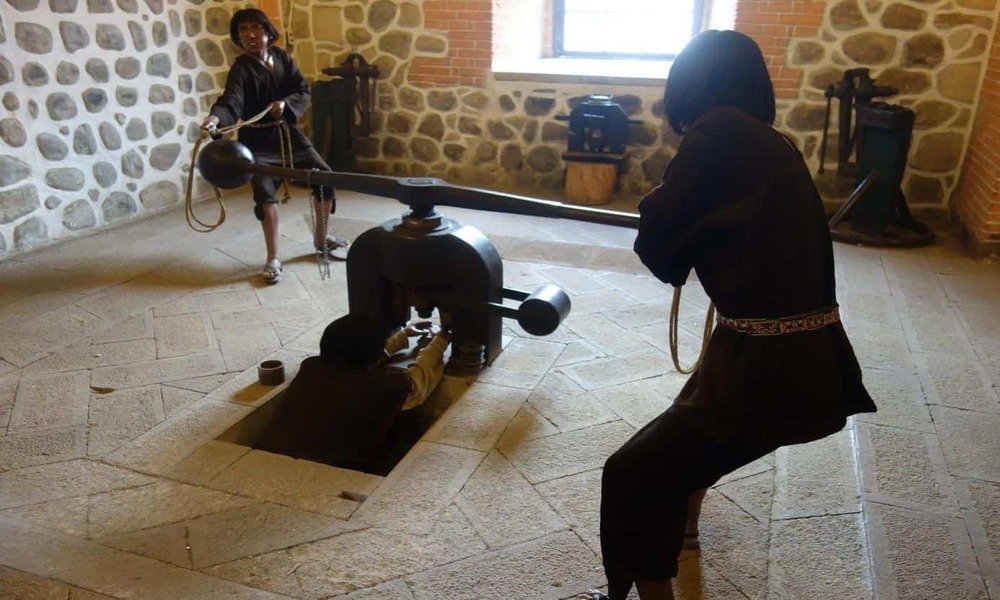
One of the most interesting aspects of the museum is the minting machine used to create the coins. This machine, along with the presses of the period, demonstrates the complexity and manual labor that took place in the mint during its active period.
The Minting Machine
The minting machine is one of the most impressive exhibits within the Mint. Visitors can see firsthand how the coin minting process worked, a meticulous process that required skill and strength to produce the silver coins used in the empire.
Arte colonial y esculturas
In addition to the machinery, the Mint houses an extensive collection of colonial art. Religious sculptures, paintings, and antique furniture, reflecting the artistic style of the era, adorn the walls. These pieces help visitors understand the region’s rich artistic history and its connection to European art during the colonial period.
The architecture of the Mint
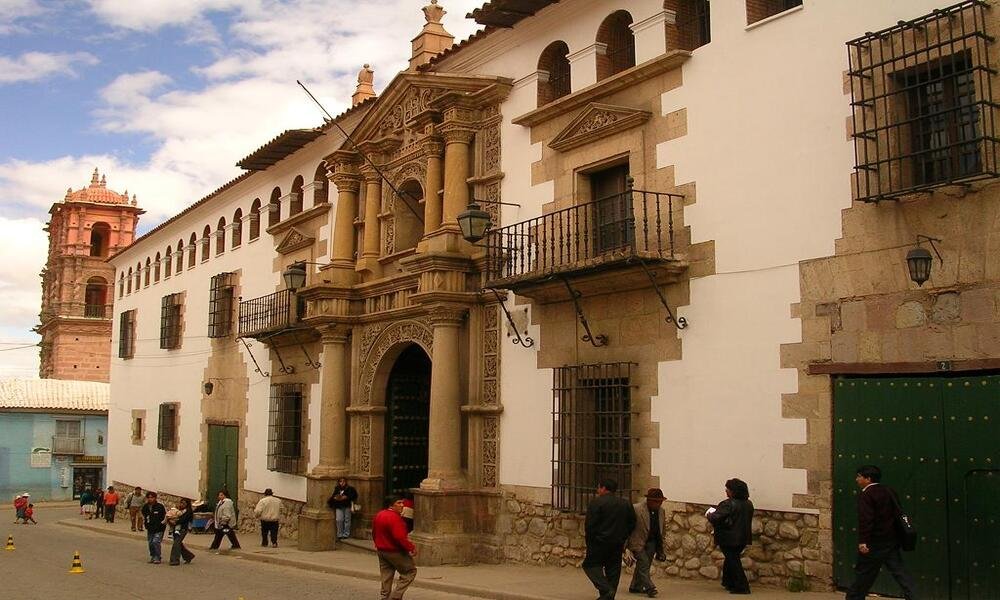
The Potosí Mint is an impressive example of Spanish colonial architecture. The building is constructed of stone and boasts a robust structure that has withstood the test of time. The Mint’s façade is adorned with Baroque details that reflect the artistic style of the viceroyalty era, while the interior features a layout that combines elegance and functionality.
The building was designed to be a production center and also to house the employees and machinery necessary for minting coins. Over the years, the building has been restored to preserve its historical and architectural value.
Featured Architectural Elements
Upon entering the Mint, one of the first things that stands out is its interior columns and arches, which create a majestic and historic atmosphere. The central courtyard is another highlight, surrounded by walkways with wooden balconies that were once used for minting operations.
The building restoration
Over the years, the Mint has been restored to preserve its original structure. In recent decades, efforts have been made to protect and restore the walls, windows, and ceilings, ensuring that future generations can experience this impressive example of colonial architecture.
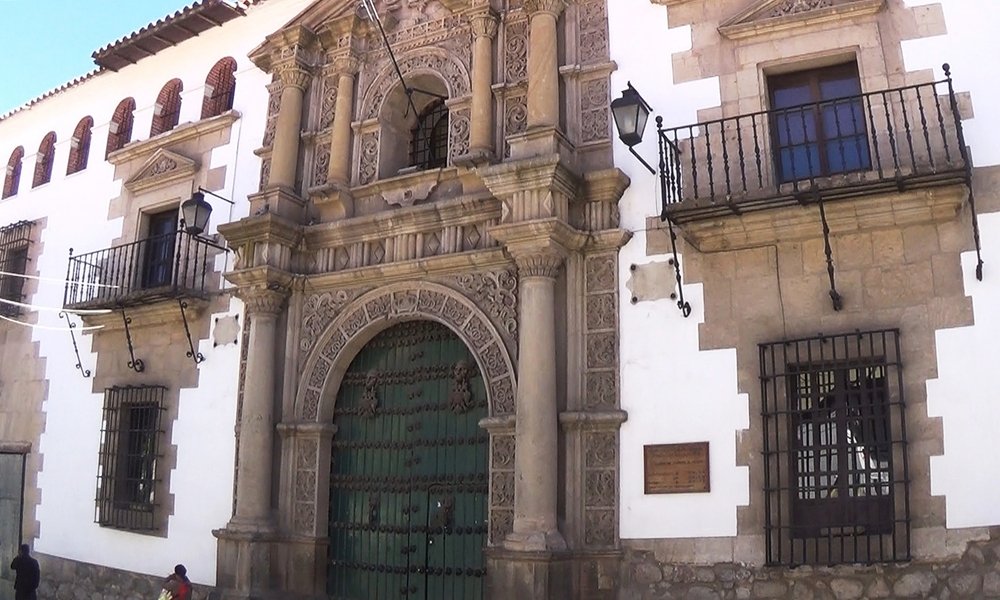
Over the years, efforts have been made to protect and restore the Mint. You can find more details about monument restoration on the official website of the Bolivian Ministry of Culture.