Cachicata: historical memory among mountains
Nestled high in the Cusco Andes lies Cachicata, a destination that combines breathtaking landscapes with a rich history. Its mountains hold secrets of ancient mining operations, while its valleys offer perfect spots to explore, take photographs, and connect with nature.
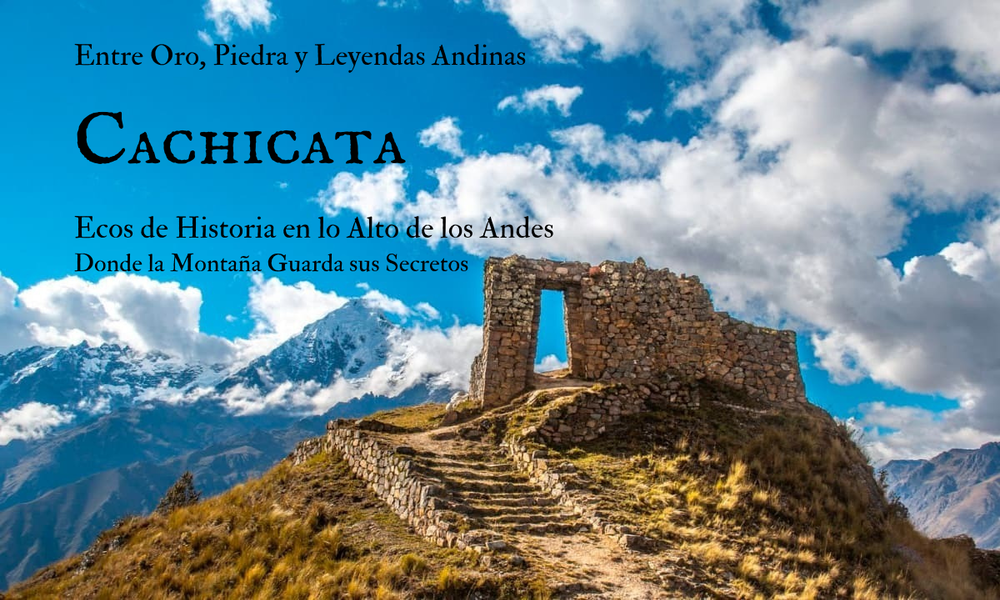
Cachicata invites travelers to walk along trails steeped in ancestral memory, discover the region’s rich culture, and marvel at the majesty of the Andes. It is a place where every stone and every mountain tells stories of tradition, work, and resilience that have endured through time.
About the place
Cachicata (also spelled Cachiccata ) is an ancient Inca quarry located in the Cusco region of Peru, in the eastern mountain range of the Sacred Valley of the Incas, near the town and archaeological site of Ollantaytambo. It was one of the main places where the Incas, and in some cases pre-Inca cultures, extracted and worked stone blocks that were later used in the construction of temples, palaces, and other monumental structures in the region, including the archaeological complex of Ollantaytambo.
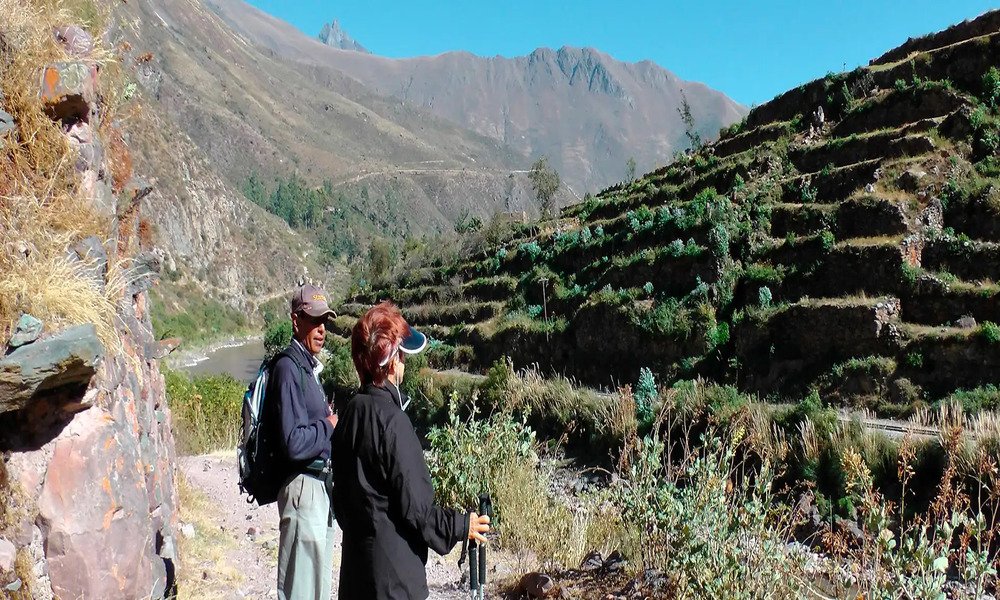
But Cachicata is not only attractive for its historical value: its mountainous landscapes and clear skies offer unique experiences for nature lovers, photographers, and adventure tourists. From there, you can observe the Andean valleys, imposing peaks, and crystal-clear rivers, while exploring a territory that has witnessed centuries of history and tradition.
History and tradition
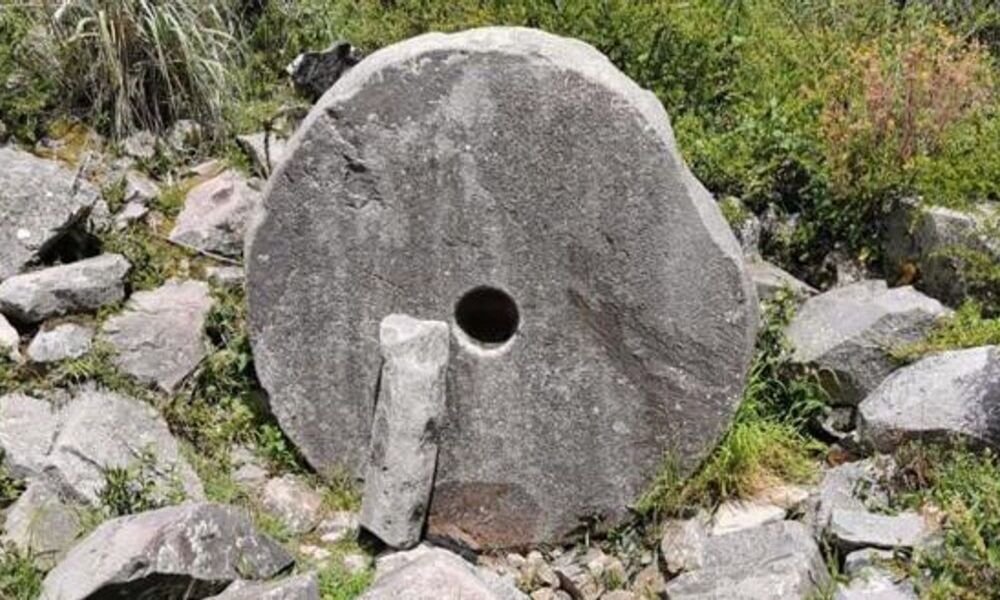
Cachicata, whose Quechua name means “salt slope,” is an ancient Inca quarry near Ollantaytambo in the Sacred Valley of Cusco. It was used during the Inca Empire to extract stones such as pink granite, which were used in the construction of temples, palaces, and terraces. Inca stonemasons employed precise techniques to cut and transport the enormous blocks, and some stones were left unfinished, known today as “tired stones.” In addition to its construction function, the quarry held symbolic value, as it was surrounded by sacred mountains (apus).
Landscapes That Steal Your Heart
The mountains surrounding Cachicata are impressive not only for their height and shape, but also for the diversity of ecosystems they harbor. Their valleys and ravines are filled with native flora, such as ichu grass, queñua trees, and various Andean herbs, and native fauna, including vizcachas, Andean foxes, and a wide variety of birds that delight observers and photographers.
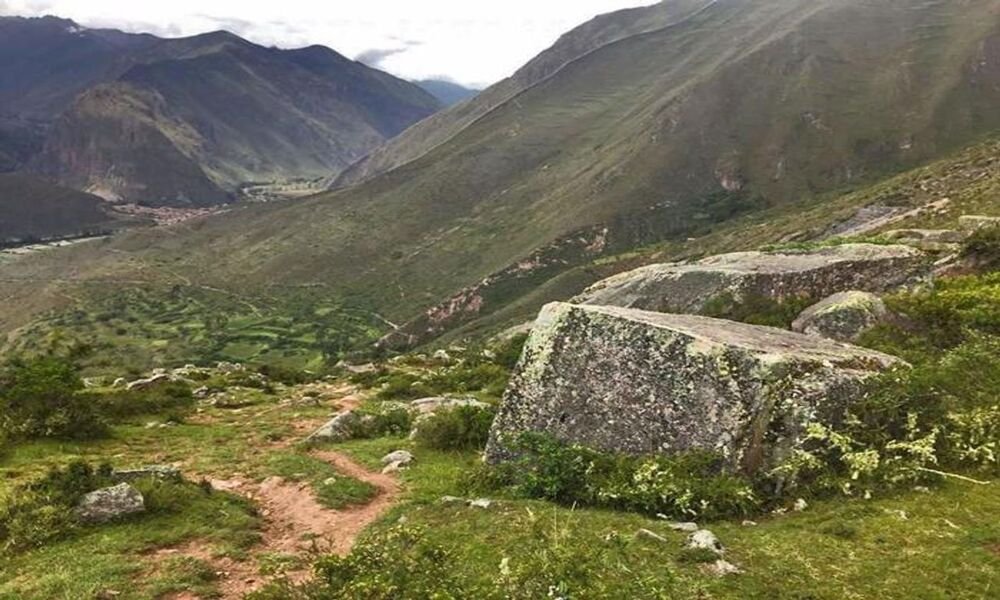
The trails that crisscross the area offer unique landscapes, where every bend reveals panoramic views of snow-capped peaks, crystal-clear rivers, and old mining roads that evoke the area’s history. The contrast between the colors of the earth, sky, and vegetation creates ideal settings for photography and for those seeking to connect with nature.
Andean Valleys: The quarry is located in the mountains of the Sacred Valley, offering panoramic views of the valley and the rivers that flow through it. From there, Ollantaytambo and its agricultural terraces can be seen from an elevated perspective.
Mountains and snow-capped peaks: Imposing Andean peaks rise all around, some with perpetual snow, considered apus or sacred mountains by the Incas. These mountains surround the quarry, creating an atmosphere of isolation and mysticism.
Trails: During the walk to the quarry, you will cross ancient Inca paths, abandoned agricultural terraces and small archaeological remains, integrating history with nature.
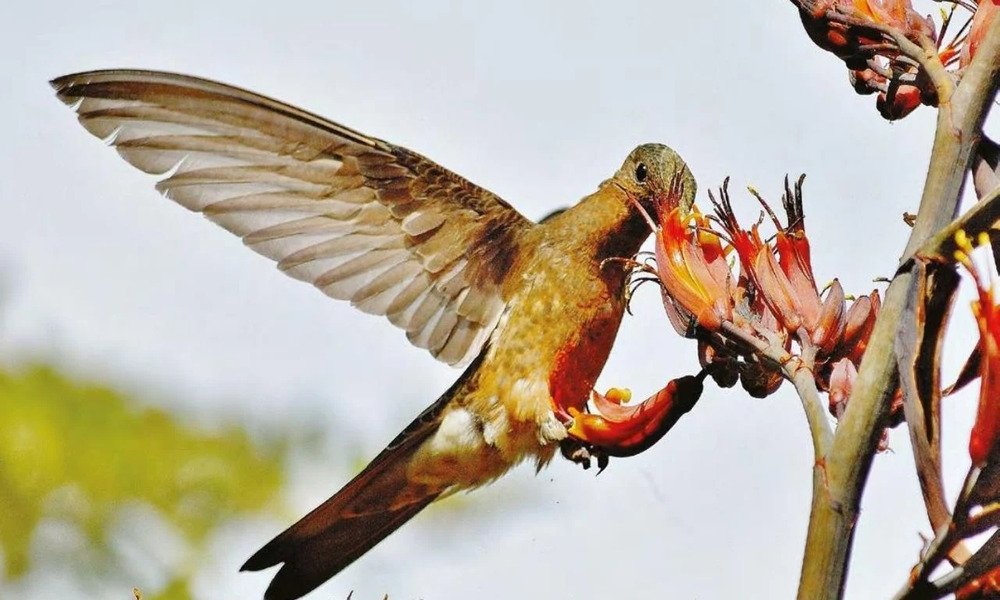
Flora and fauna: The area is home to vegetation typical of puna and high valleys, with grasslands, Andean cacti and birds such as the Andean hawk and the giant hummingbird.
Inti Punku: the “Gate of the Sun” in the Andes
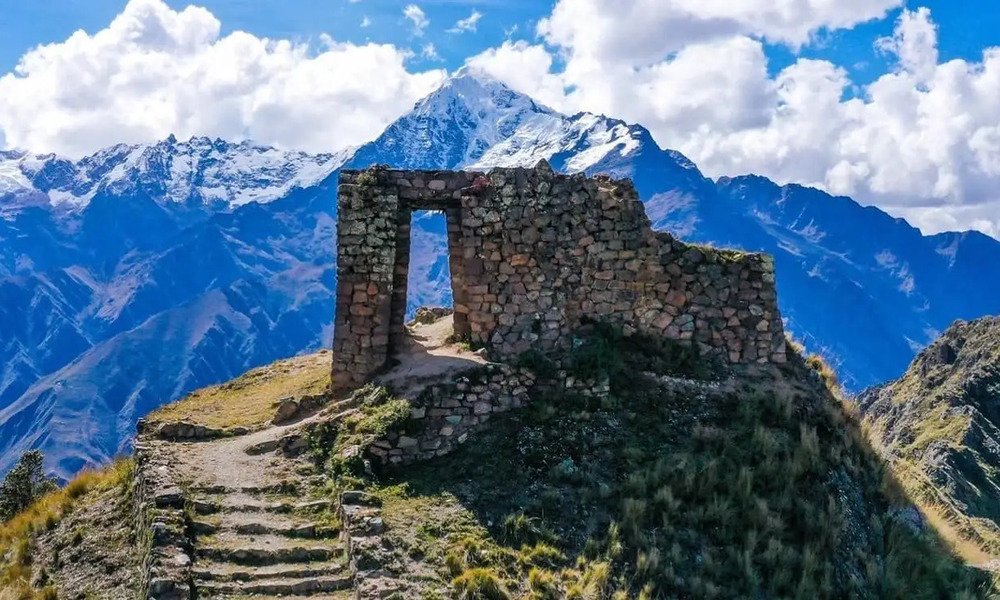
In addition to its ancient quarries and mining remains, there is an archaeological site known as Inti Punku, which in Quechua means “ Gate of the Sun. ” This place is part of the hiking and cultural experience circuits within the Sacred Valley of the Incas, and offers a unique combination of history, archaeology, and nature.
Meaning and Location
Inti Punku is located on a mountain ridge in the community of Cachicata, in the district of Ollantaytambo (Urubamba province, Cusco). It sits at approximately 3,800–3,900 meters above sea level, making it a high point with breathtaking panoramic views.
Visitors can appreciate the snow-capped Veronica mountain(also known as Wakay Willka or “Sacred Tears”), the mountains surrounding the Sacred Valley, and even fragments of the ancient Inca road that connected the region. The Gate of the Sun may also have served as an Andean observation or ceremonial post, aligned with the sun’s movements and used by the ancient inhabitants to mark and celebrate astronomical cycles.
Hiking and Experience
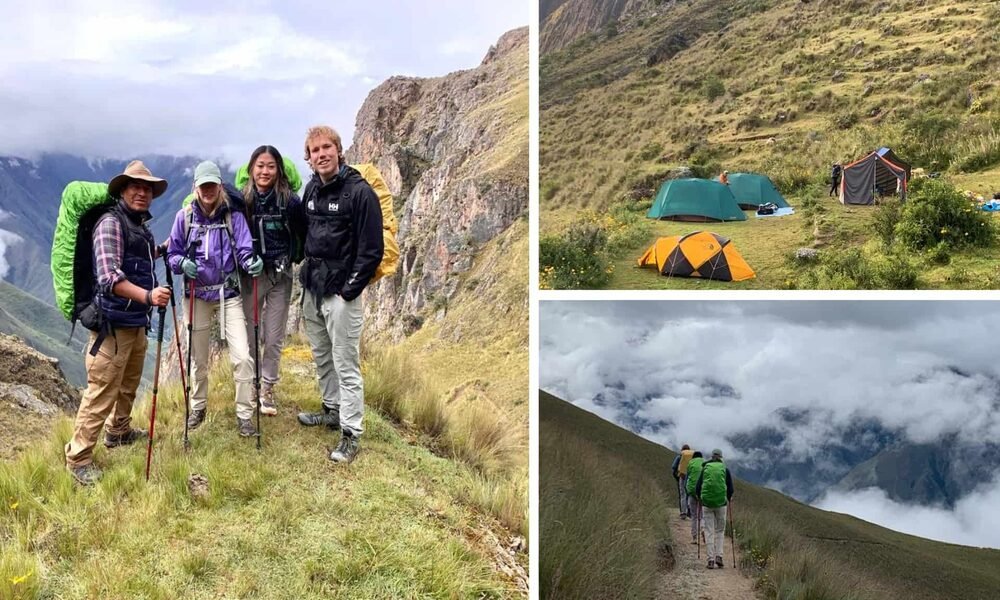
Reaching Inti Punku from Cachicata is a moderate trekking adventure, ideal for those who enjoy cultural hiking. The route passes through the Inca quarry of Cachicata, ancient chullpas (funerary towers) and Inca trails, and culminates at this high point that seems to “open up” to the Andean landscapes.
Culture and community
The Cachicata area is located within the district of Ollantaytambo, in the heart of the Sacred Valley of the Incas, where a strong Quechua identity is still preserved.Local communities maintain ancestral traditions, such as weaving, terrace farming, and Andean festivals, passed down from generation to generation.
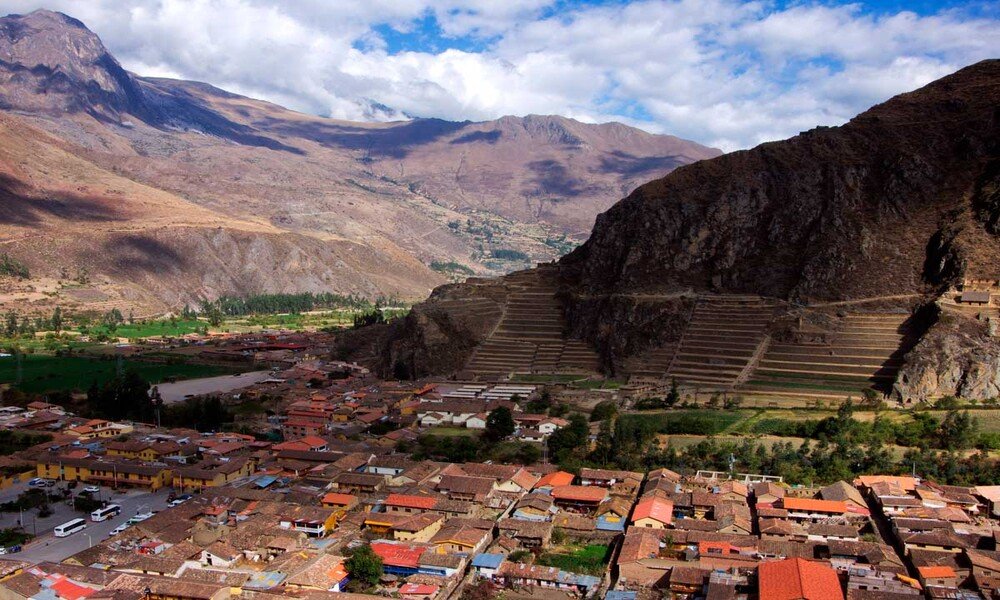
Historically, the quarry and the trails connecting it to Ollantaytambo were part of an Inca communal work system. Today, the local people participate in sustainable tourism activities, guiding visitors on treks and sharing the history of the quarry, thus preserving and disseminating their knowledge of Inca engineering and their spiritual connection to the mountains.
Responsible Tourism
Visiting Cachicata means respecting both the archaeological heritage and the local community. Travelers can practice responsible tourism by following some key guidelines:
Respect for heritage: Do not touch or move the stones, walls, or archaeological remains. This helps preserve Inca construction techniques and the history of the site.
Care for the natural environment: Avoid leaving trash, do not light campfires, and respect the Andean flora and fauna. The trails are fragile, and erosion can damage paths and terraces.
Responsible routes and walks: Following marked trails, keeping groups small and reasonable schedules reduces environmental impact and preserves the tranquility of the site.
Cultural awareness: Respect the Quechua traditions, festivities and rituals related to the apus and the Andean worldview.
Practical information for visiting
Location: Ollantaytambo District, Urubamba Province, Cusco, Peru.
Approximate altitude: 4,100 meters above sea level, so it is recommended to acclimatize before the hike.
How to get there: From Cusco: 1.5–2 h by car or bus to Ollantaytambo.
Recommendations: Bring warm clothing, comfortable walking shoes, a camera, and respect local conservation rules.
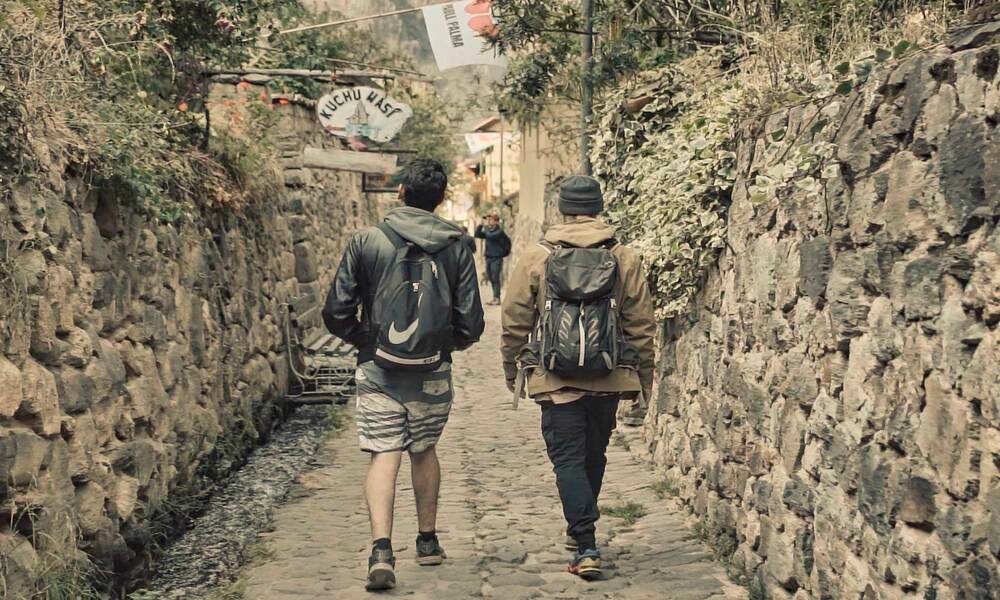
How to get to Cachicata
Cachicata is located in the province of Espinar, Cusco, at over 4,000 meters above sea level, surrounded by Andean mountains and valleys. Getting there requires a combination of ground transportation and, in some cases, local transport or short hikes.
From Cusco to Ollantaytambo (capital regional)
By Car or Private Transport:
The distance from Cusco to Ollantaytambo is approximately 72 km, which can be covered in 1.5 to 2 hours via the Sacred Valley road, passing through Urubamba.
By bus or Tourist Transport:
From the Cusco terminal, minibuses or shared taxis leave for Ollantaytambo, with an approximate price of 10–15 USD.