


Can you visit the Salar de Uyuni year-round?
The Salar de Uyuni is one of South America’s most spectacular destinations, and a common question among travelers is clear: can the Salar de Uyuni be visited all year round?
The short answer is yes, but the experience changes significantly depending on the season. Weather, landscapes, access routes, and activities vary throughout the year, meaning each season offers a different version of the salt flat.
Here’s a clear guide to what visiting the Salar de Uyuni is like during each time of year and what you should consider.

🌍 The Salar de Uyuni and Its Seasons
Located at more than 3,600 meters above sea level, the Salar de Uyuni lies in the Bolivian Altiplano, a region with an extreme climate and two well-defined seasons:
-
Rainy season: December to March
-
Dry season: April to November
Both seasons allow visits to the salt flat, but with very different landscapes and conditions.
🌧️ Rainy Season: Yes, You Can Visit
(December to March)
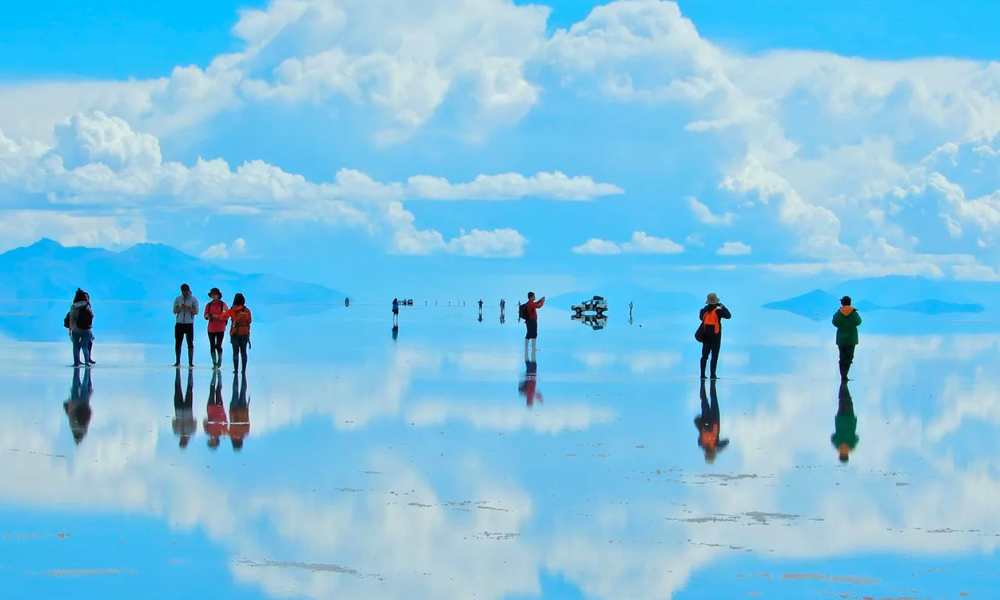
During the rainy season, a thin layer of water partially covers the salt flat, creating the famous mirror effect, where the sky is reflected like a giant natural mirror.
✨ Highlights of This Season
-
Surreal, one-of-a-kind landscapes
-
The famous mirror effect (especially January–February)
-
Ideal for artistic and contemplative photography
⚠️ Things to Consider
-
Some routes may be restricted
-
Weather conditions can change quickly
-
It’s not always possible to explore the entire salt flat
👉 Conclusion: Yes, you can visit, but itineraries are more flexible and routes are adapted to conditions.
☀️ Dry Season: The Most Stable Time to Visit
(April to November)
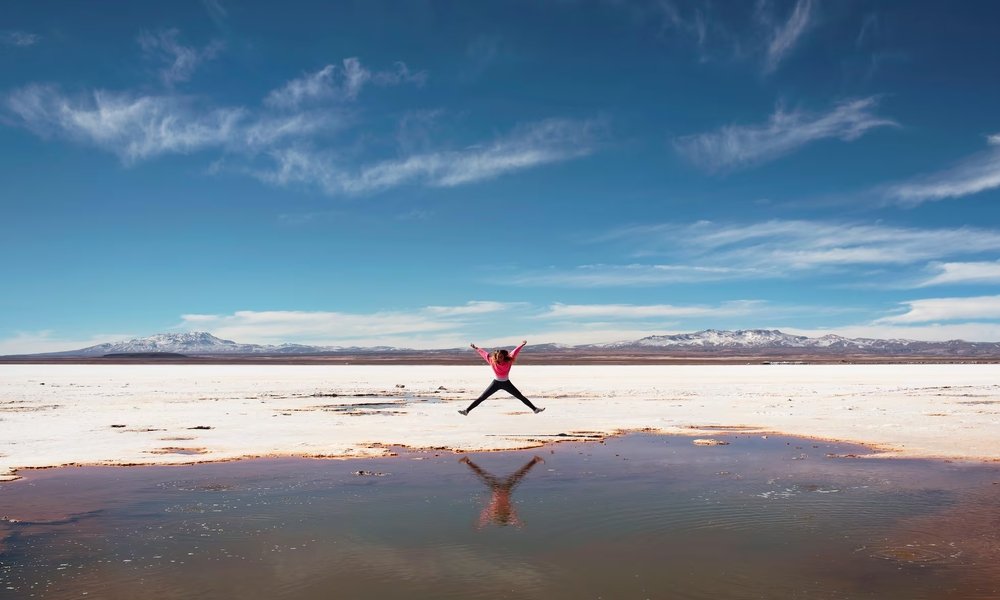
During the dry season, the salt flat is completely solid and bright white, making it easy to travel long distances.
🌟 Advantages
-
Full access to the salt flat
-
Ideal for 1-, 2-, or 3-day tours
-
Classic photos of the endless white salt desert
-
More predictable weather
❄️ Disadvantages
-
No mirror effect
-
Very cold nights, especially from June to August
👉 Conclusion: This is the most comfortable and reliable time to visit the Salar de Uyuni.

🌤️ Transition Months: April and November
These months combine features of both seasons.
✔️ What Makes Them Special?
-
Fewer tourists
-
Possible partial reflections
-
A better balance between weather and accessibility
They are ideal for travelers seeking a calmer, less extreme experience.
📅 What Kind of Experience Will You Have by Month?
-
January – February: mirror effect, limited routes
-
March: partial mirror effect and greener surroundings
-
April: transition month, good balance
-
May – October: dry salt flat, full routes
-
November: beginning of rains, occasional reflections
🧭 Tips for Visiting the Salar de Uyuni at Any Time of Year
-
Bring warm clothing, even during the rainy season
-
Use sunscreen: solar radiation is intense year-round
-
Stay well hydrated due to the altitude
-
Always check current conditions before your tour
-
Travel with local guides who adjust routes according to the season

✨ Conclusion
Yes, the Salar de Uyuni can be visited all year round, but each season offers a different experience.
-
During the rainy season, you’ll witness the magic of the mirror effect.
-
During the dry season, you’ll explore the vastness of the salt flat in its entirety.
There isn’t one single “best” time—only the time that best matches your travel style. No matter the month, the Salar de Uyuni remains one of the most extraordinary landscapes on Earth, capable of amazing even the most experienced travelers.