


Historic Center of Lima
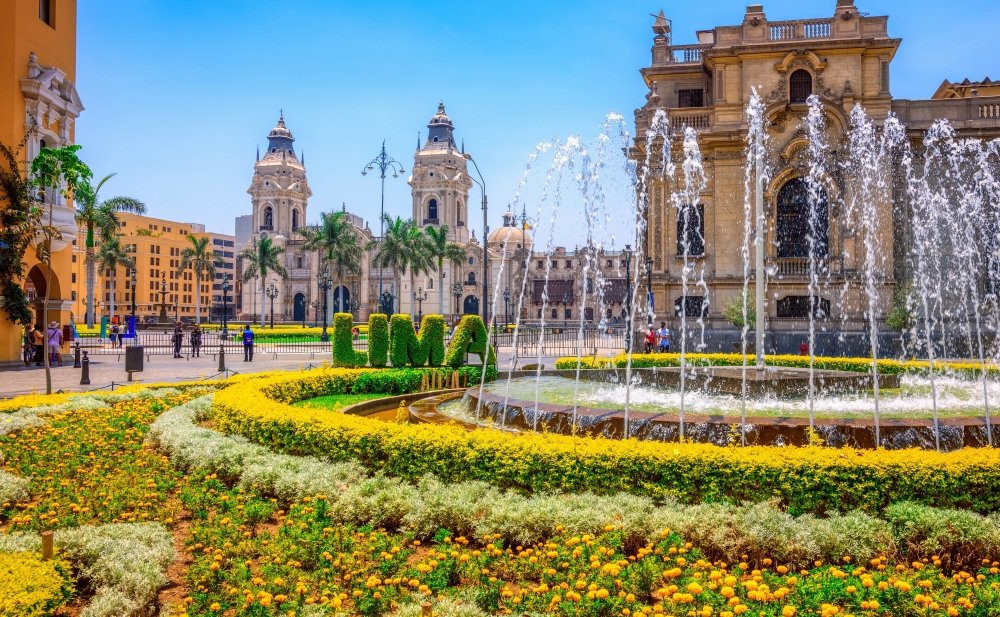
Historic Center of Lima
Culture, art, and history combine at every corner of Lima’s Historic Center, making it a unique place. Lima, which was established by Francisco Pizarro in 1535, has witnessed centuries of Peru’s development, and its old town retains the spirit of the city’s colonial era. In 1988, UNESCO declared it a World Heritage Site for its historical importance and magnificent architecture. If you are planning a trip to Lima, be sure to visit this iconic site, which remains the beating heart of the Peruvian capital.
The Historic Center of Lima is one of those hidden gems that every traveler should know about. Its blend of history, culture, and tradition makes it a fascinating place that will make you feel as if you have traveled back in time. Whether strolling through its squares, exploring its colonial churches, or enjoying its vibrant urban life, what to visit in the Historic Center of Lima?
Plaza de Armas in Lima: The soul of the city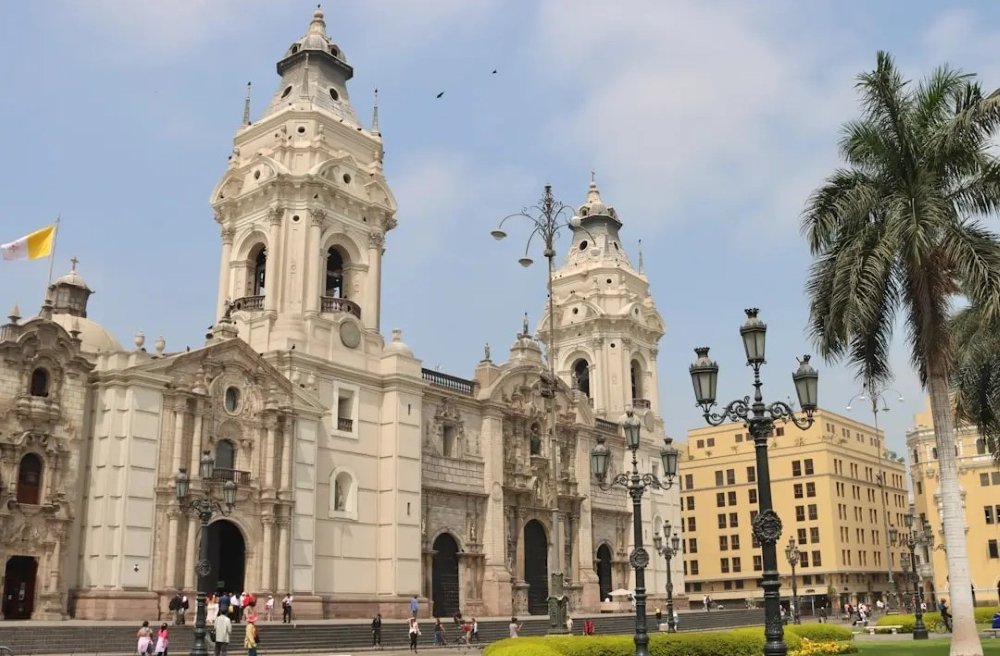
Without a doubt, the heart of the Historic Center is Lima’s Plaza Mayor. In times past, it was the center of the city’s political, religious, and social life. The plaza is a journey through colonial times and is surrounded by some of Lima’s most emblematic buildings, such as the Archbishop’s Palace, Lima Cathedral, and the Government Palace.
A 17th-century bronze fountain in the middle of the square is a popular spot for tourists and Lima residents alike. This is where important ceremonies are held, such as the Changing of the Guard in front of the Government Palace, which takes place daily at noon.
Lima Cathedral: Majesty and history
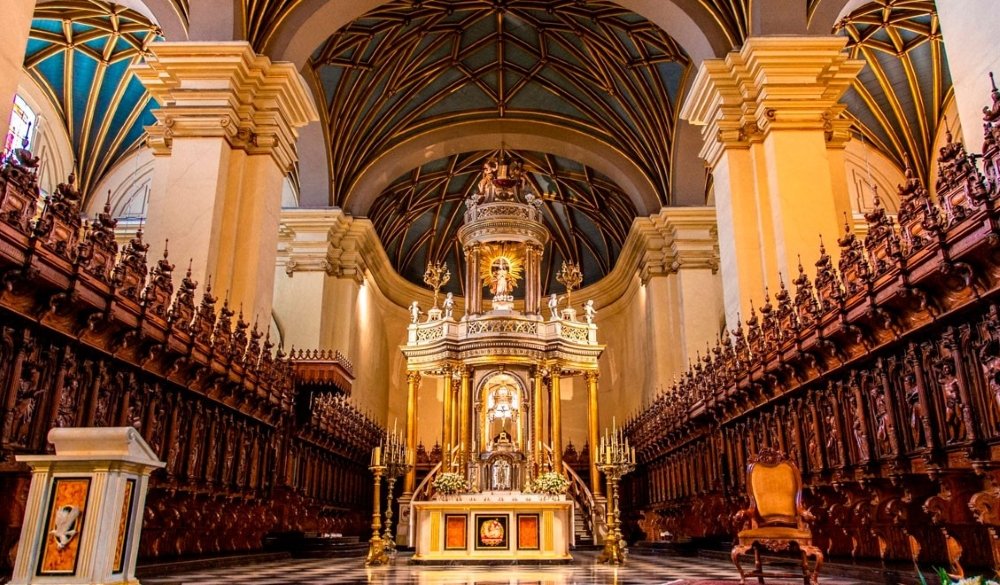
One of the most emblematic and oldest buildings in Lima is the Cathedral. This Baroque church, built in the 16th century, is evidence of the architectural and religious opulence of the colonial era. The main altar and the numerous chapels containing works of art from the Cusco school are two outstanding features of its interior.
The Cathedral also houses the tomb of Francisco Pizarro, the conqueror of Peru, making it a place of historical importance. Be sure to stroll through its corridors and visit its museum, which houses important pieces from the history of the church and the city.
San Francisco Convent: An underground journey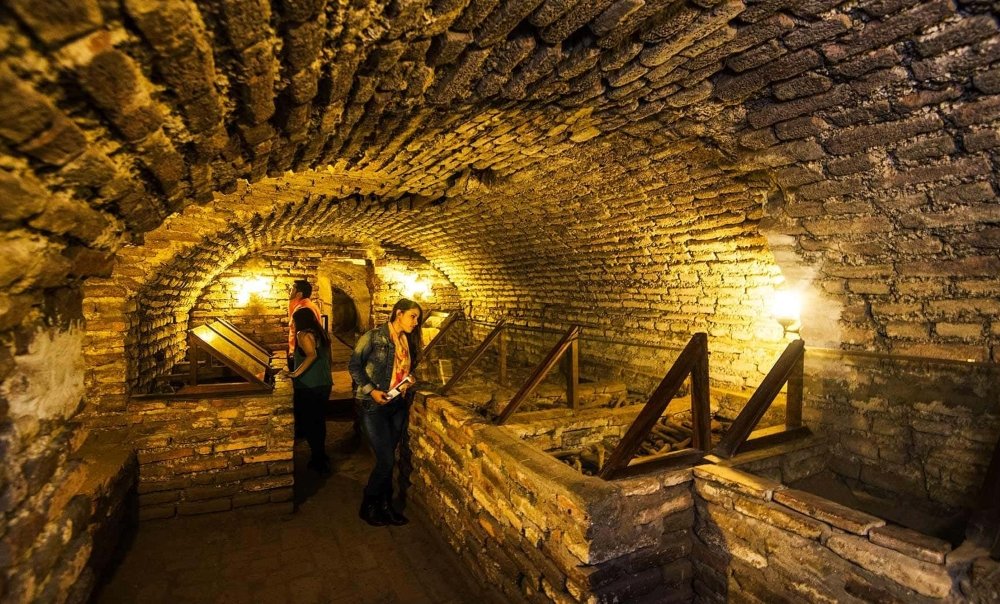
The Convent of San Francisco, famous for its colonial architecture and catacombs, is one of the most fascinating sites in the Historic Center. Founded in the 16th century, this convent is notable for its library containing thousands of antique books and its magnificent frescoes decorating the walls.
However, what really attracts tourists are the catacombs located beneath the convent. During the colonial era, these catacombs were used as a cemetery and contain the remains of thousands of individuals. Guided tours provide an amazing insight into the history and religious customs of ancient Lima.
Casa de la literatura peruana: Creativity and Culture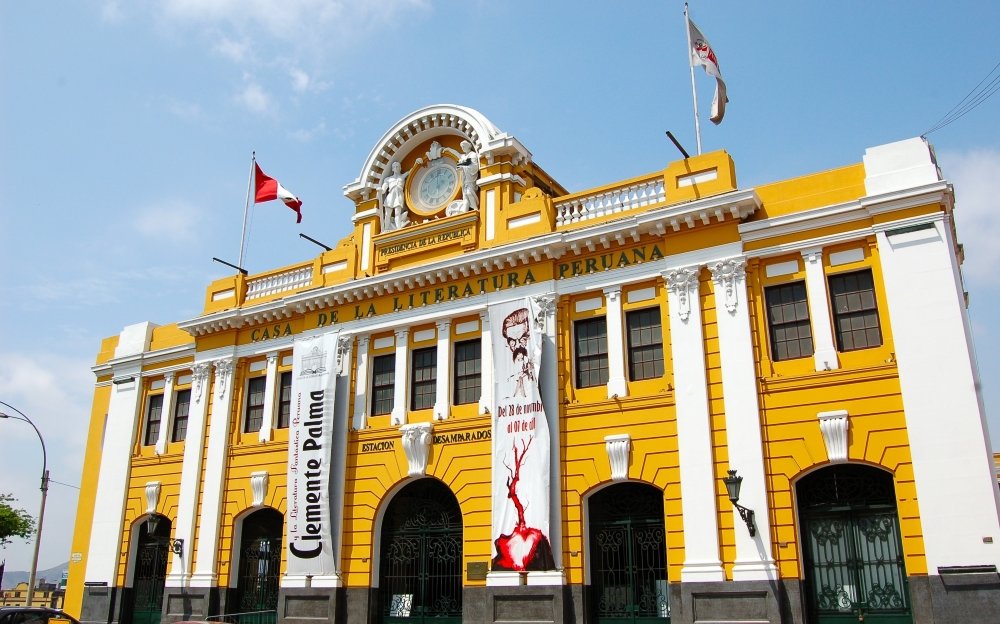
The House of Peruvian Literature is a magnificent place to explore Peruvian literature and its development over the centuries. Housed in a beautiful neoclassical building, this former train station has been transformed into a cultural center. Inside, you will have the opportunity to see exhibitions on famous Peruvian authors, such as César Vallejo and Mario Vargas Llosa, as well as enjoy cultural events and literary readings.
In addition to its valuable literary content, the House of Literature offers a terrace with panoramic views of the Historic Center. Here, tourists have the opportunity to relax while enjoying the unique atmosphere of the city.
Jirón de la Unión: Pedestrian street of commerce and history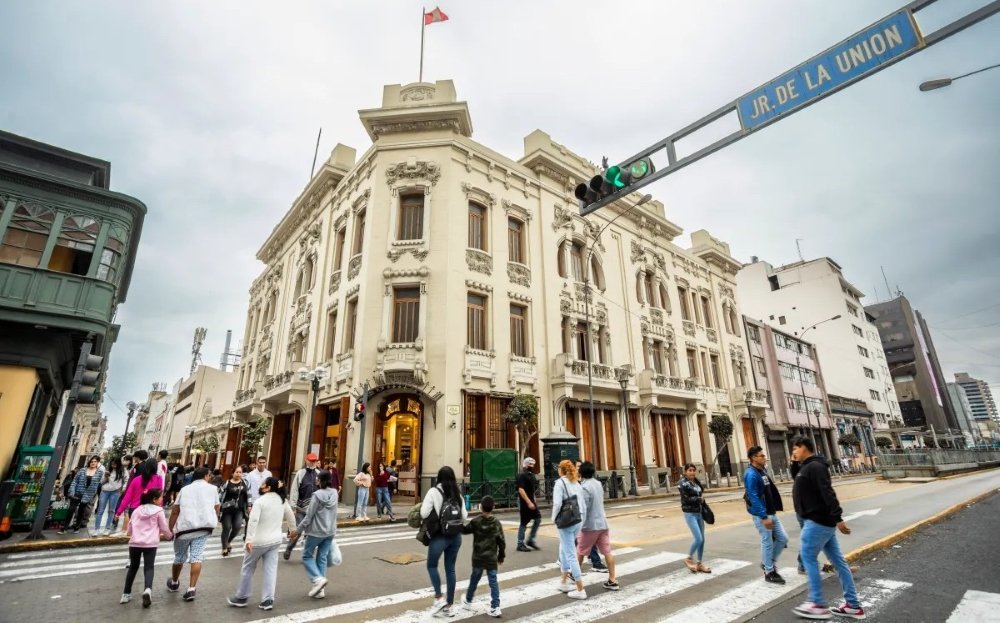
The Plaza Mayor and the Parque de la Exposición are linked by Jirón de la Unión, one of the most important pedestrian streets in the Historic Center. Along this street, you will see a large number of restored colonial buildings that house restaurants, cafes, and shops. It is the ideal place to go shopping, stroll, and admire the architecture that has characterized Lima for centuries.
Pasaje Olaya, a shopping arcade that retains its original design, is one of the most emblematic sites on this street. There, tourists can find souvenirs and traditional Peruvian handicrafts.
Tips for Visiting Lima’s Historic Center
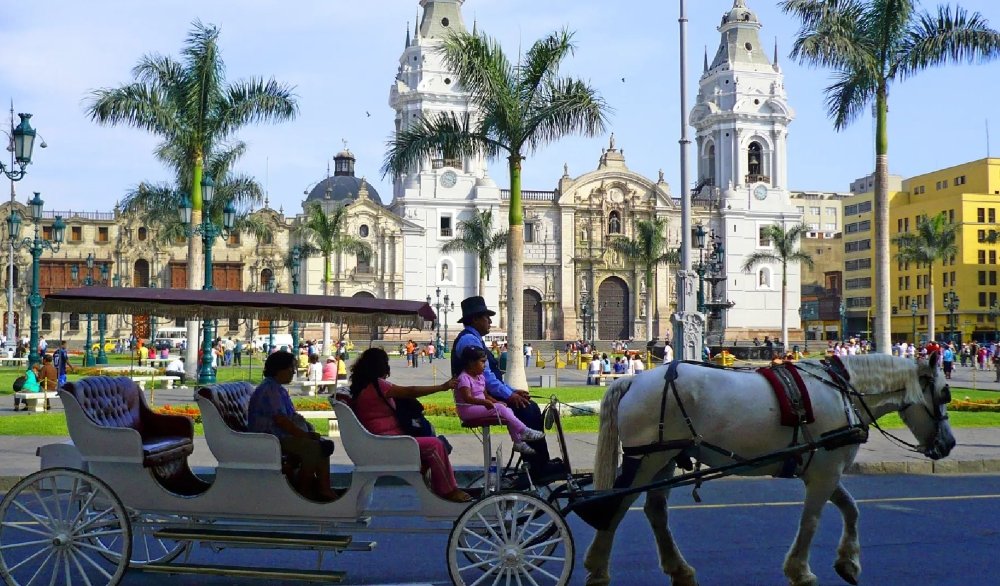
- How to get around: Lima’s Historic Center is small and ideal for exploring on foot. Walking is recommended so you can appreciate the architecture and details this site has to offer.
- Best times to visit: To avoid the crowds, it is advisable to visit the main tourist attractions early in the morning. This way, you can explore at your leisure and make the most of your time.
- Places to eat: The region has a wide range of cafes and restaurants. If you want something more classic, we suggest El Cordano, one of the oldest restaurants in Lima and famous for its chicharrón sandwich.