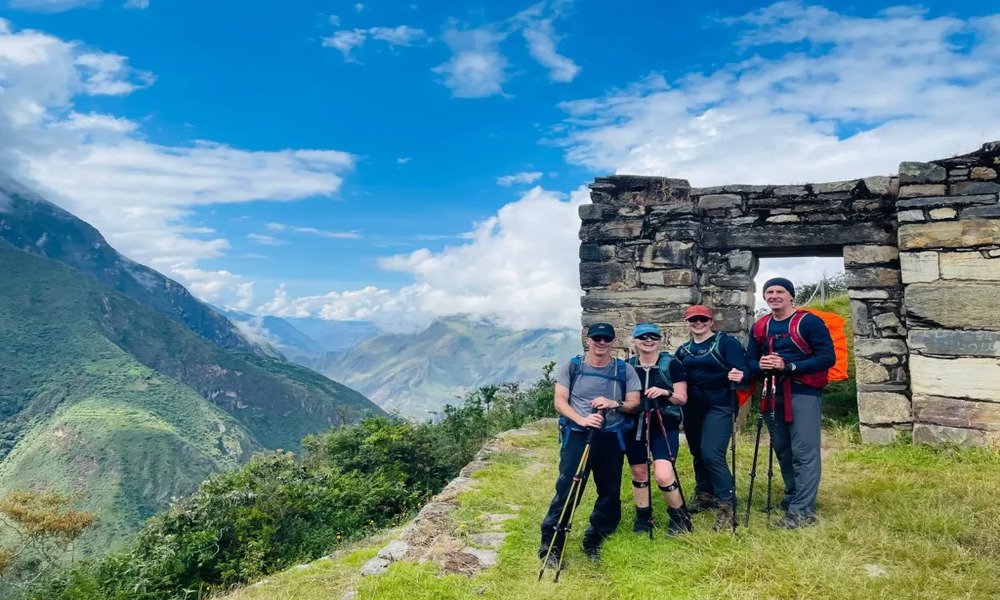
Choquequirao: Inca Legacy in the Heights of La Convención
Hidden among the mountains and canyons of southern Peru, Choquequirao is a stunning Inca citadel, known as “Machu Picchu’s sister.” Accessible only via a challenging trek, its terraces, plazas, and stone structures offer spectacular views and a unique encounter with Andean history, nature, and culture .
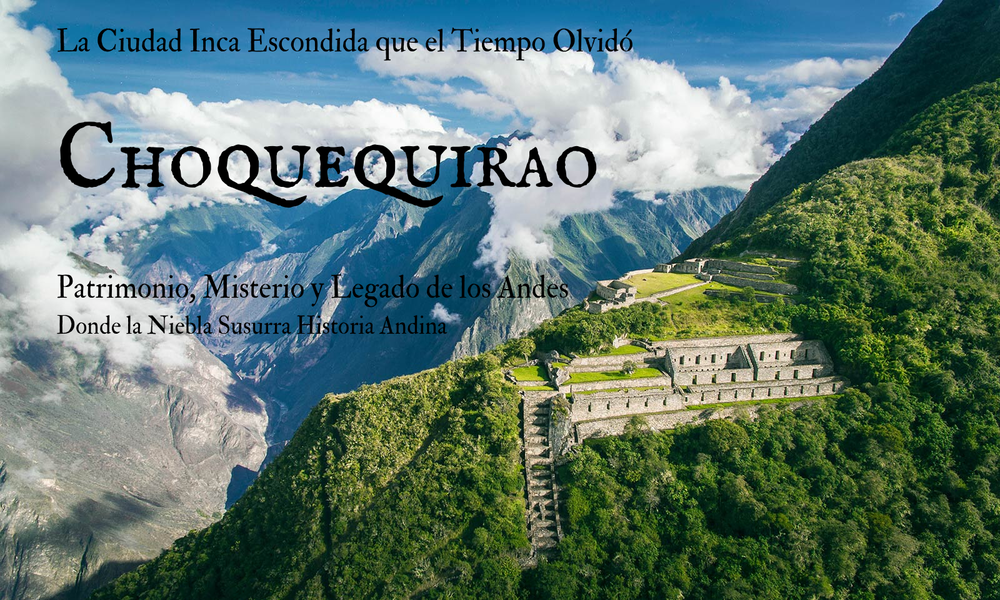
In this guide we will provide you with all the information about Choquequirao so that you can enjoy an unforgettable trip.
¿What is Choquequirao?
Choquequirao is a 16th-century Inca citadel located in the Cusco region , in the province of La Convención , district of Santa Teresa . It sits atop a high plateau at approximately 3,033 meters above sea level, on a hillside in the foothills of the Vilcabamba mountain range , offering spectacular views of the Apurímac River canyon . Its name comes from Quechua ( chuqi = “gold” and k’iraw = “cradle”), translating to “Cradle of Gold .” It is also known as the “sacred sister of Machu Picchu” due to its architectural and functional similarities.
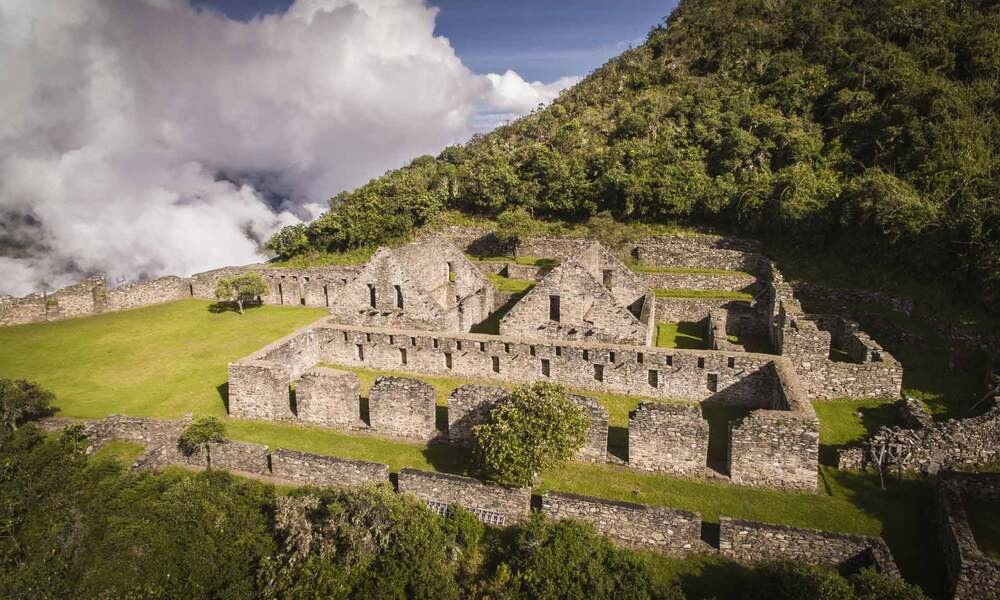
The site was likely an administrative, ceremonial, and strategic center , as well as a key transit point between the jungle and the Andes. After the Spanish conquest, it was abandoned and remained hidden for centuries until its rediscovery and restoration began in the 20th century.
Despite being in Cusco, it is only accessible on foot, making it an ideal destination for those seeking adventure and nature away from mass tourism.
History and cultural significance
Built around 1536 , Choquequirao was an important enclave of the Inca Empire , serving administrative and strategic functions. Its location on a steep promontory allowed it to monitor and control the valleys and access routes to the jungle , while its agricultural terraces and water systems showcased advanced Inca engineering. In addition to its functional role, Choquequirao was also a ceremonial center , where religious rituals and offerings were performed, demonstrating the Incas’ spiritual connection to nature and the surrounding mountains.
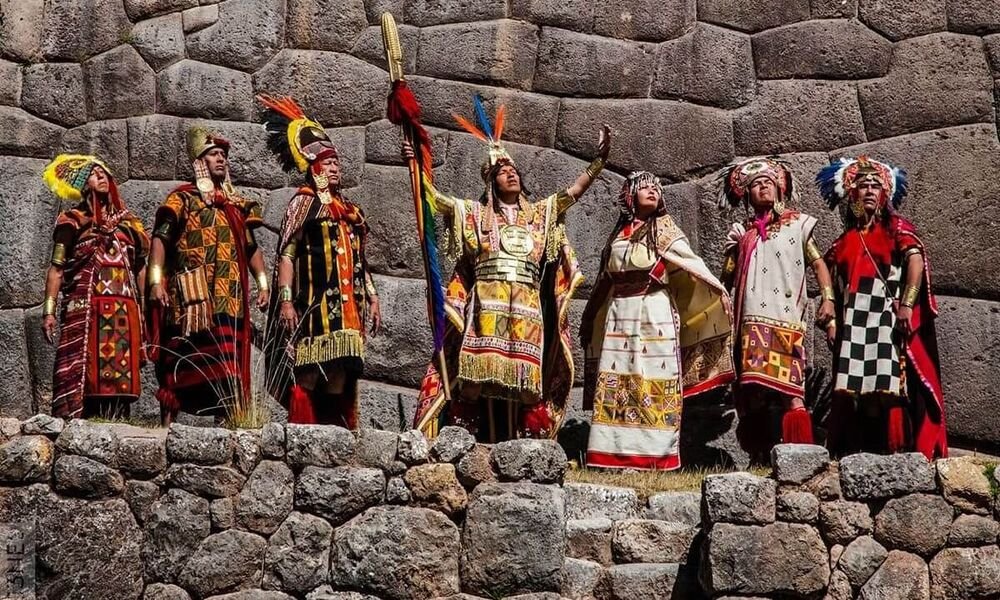
After the Spanish conquest, the city was abandoned and quickly overgrown with vegetation , which helped it remain hidden for centuries. The first excavations and restoration work only began in the 20th century, allowing much of its original mystery and charm to remain intact . Today, Choquequirao is not only a testament to the architectural and cultural mastery of the Incas , but also a symbol of historical resilience and a place of discovery for those seeking adventure and knowledge about ancient Peru.
Today, only 30% of the site has been excavated , which means there is still much to discover.
Architecture and archaeological spaces
Choquequirao stands out for its complex and sophisticated Inca engineering , which combines functionality, aesthetics and adaptation to the mountainous terrain.
Agricultural terraces: The site has more than 180 levels of terraces , designed not only for cultivation but also to control erosion and water drainage , demonstrating advanced hydraulic knowledge.
Ceremonial plazas, buildings and dwellings: Distributed on several levels connected by stairways and plazas, these spaces show the Inca urban planning, with residential zones, temples and ritual areas carefully aligned according to religious and astronomical principles.
Original Inca Roads: Parts of the road network that connected Choquequirao with other centers of the empire, such as Vilcabamba and Cusco, are still preserved, allowing us to appreciate how the Incas integrated the city into an efficient communication system.
Water and drainage system: In addition to the terraces, Choquequirao had canals, reservoirs and fountains that regulated the water supply, guaranteeing the sustainability of the city on a steep terrain.
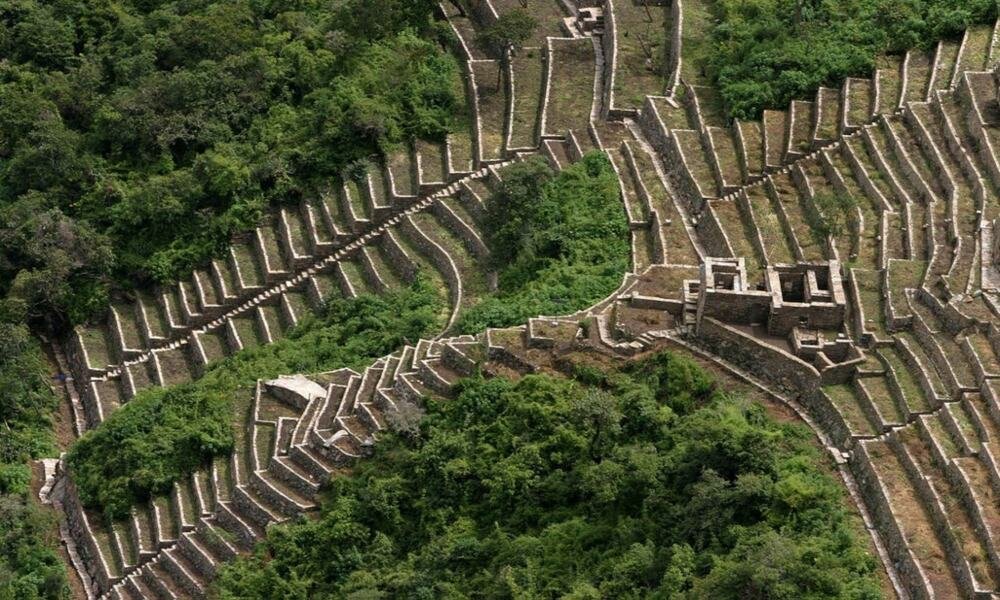
The construction style reflects the mastery of the Incas: fine masonry, trapezoidal walls resistant to earthquakes, and perfect adaptation to the topography , which has allowed many structures to withstand more than 400 years of extreme weather and abandonment. Every corner of Choquequirao combines function, beauty, and spirituality , demonstrating that this city was not only an administrative center but also a ceremonial and cultural site of great importance.
The trekking experience
Access
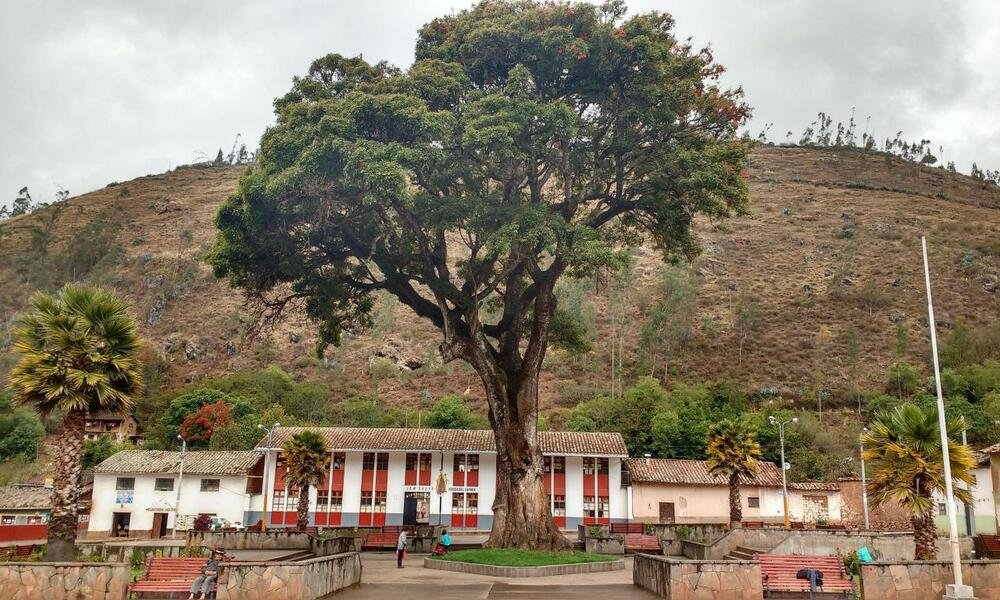
Access to Choquequirao begins in the town of Cachora , about a 4–5 hour drive from Cusco . From there, the trail descends into the deep canyon of the Apurímac River and then ascends to the impressive Inca citadel. This journey offers spectacular scenery , with panoramic views of mountains, rivers, and forests, and an authentic experience of connecting with nature and history.
There are several itinerary options depending on time and level of difficulty:
3 days / 2 nights: short and intense version, ideal for those looking for a quick challenge.
4–5 days: classic hike, with a more comfortable pace and enough time to explore the ruins and rest.
Extended routes: For the most experienced adventurers, it is possible to connect the trek with Machu Picchu, completing a journey of more than a week.
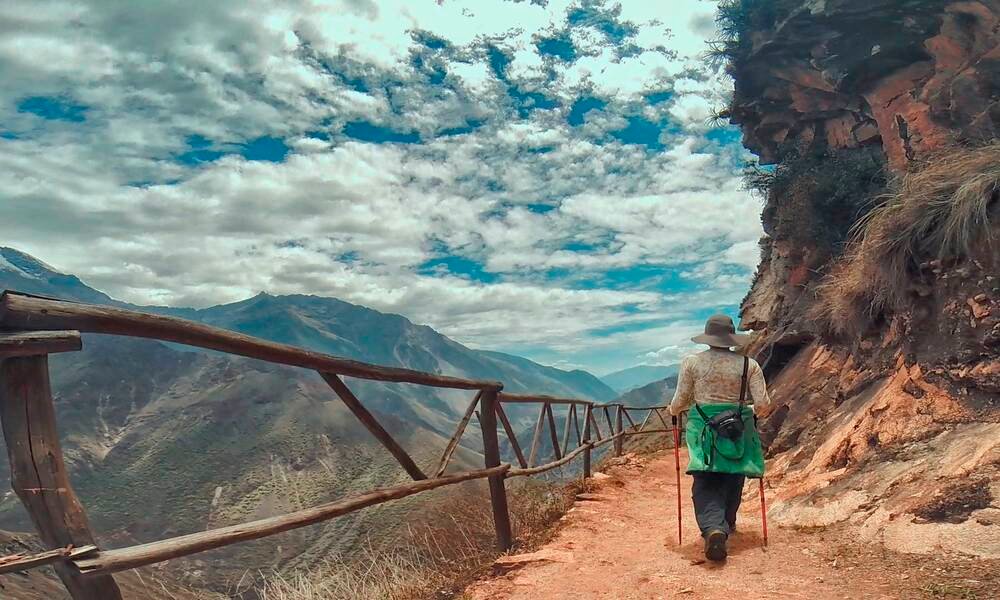
The Choquequirao trek is considered moderate to difficult due to the steep inclines, uneven terrain, and high altitude. Therefore, it is recommended to be well-acclimated to Cusco and in good physical condition. In return, hikers are rewarded with a unique experience , exploring nearly intact ruins, enjoying Andean biodiversity, and experiencing the thrill of discovering a lost city in the Andes.
Landscape, climate and biodiversity
🌿 Flora
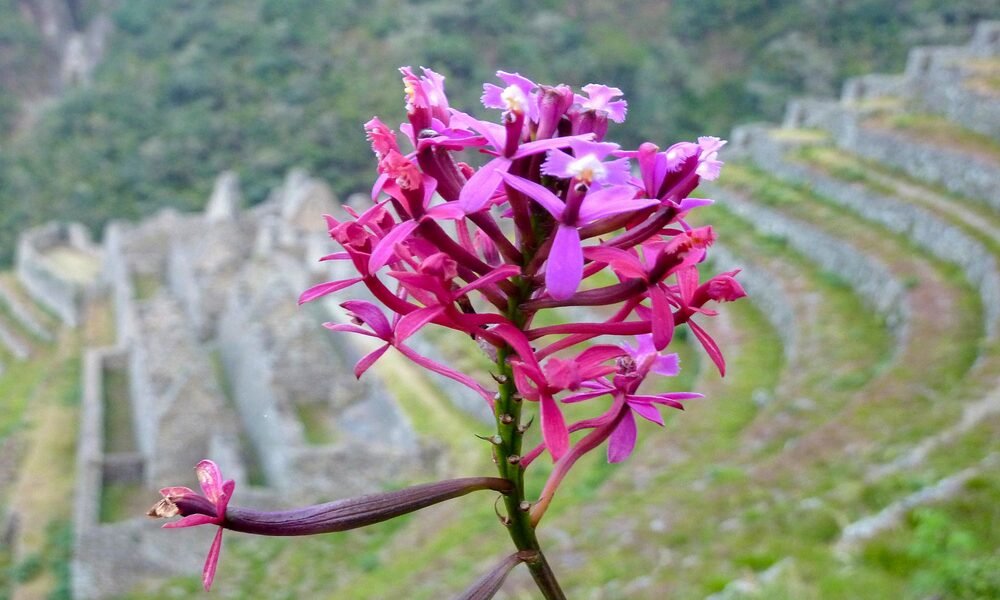
Choquequirao is located between dry inter-Andean forests, humid montane forests and fog , which generates spectacular biodiversity .
Among the most notable plants are:
Orchids and bromeliads of various colors.
Queñua, ferns and mosses in higher areas.
Ichu and Andean shrubs adapted to varying altitudes and climates.
Medicinal plants traditionally used by communities.
🐾 Fauna
The region is home to a diverse fauna, although many species are elusive:
Andean Condor and birds of prey.
Vizcachas and Andean foxes.
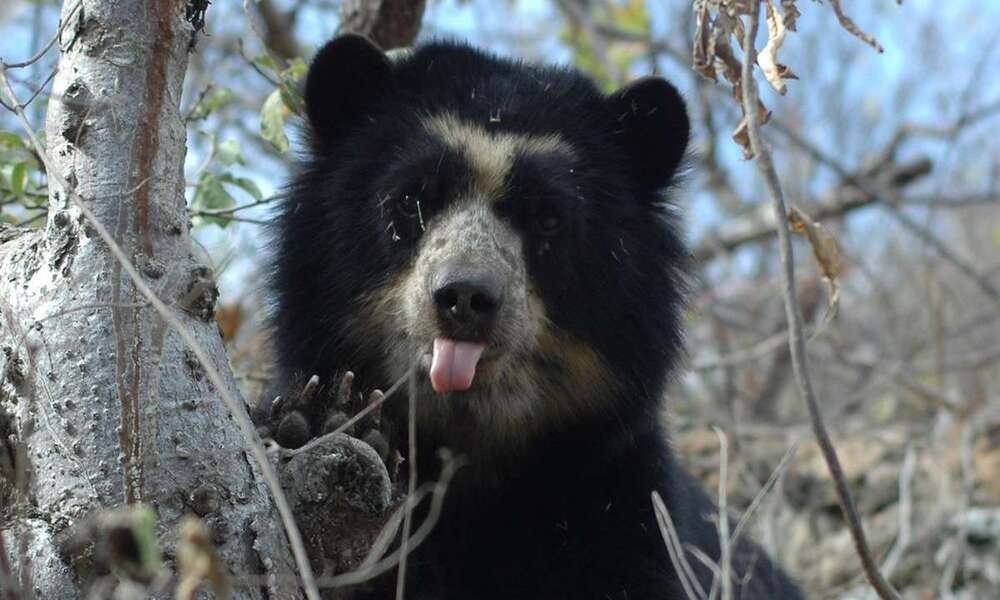
Oso de anteojos (espectacled bear).
Hummingbirds, colorful birds and butterflies.
Climate and best times to visit
Choquequirao is located in a transition zone between the Andes and the high jungle, so its climate combines mild, sunny days with cool nights , reaching around 23°C during the day and dropping to around 5–8°C at night , especially during the dry season. Rain is frequent between November and April , which can make the trails slippery and the trek more challenging.
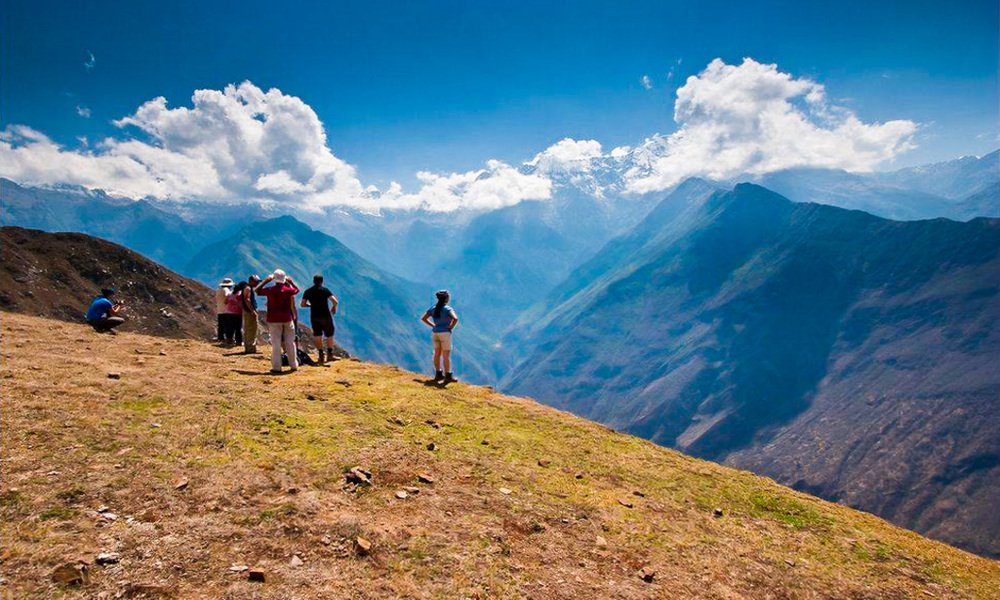
The dry season, from May to September , is the best time to visit Choquequirao: the trails are firmer, visibility is excellent, and you can enjoy breathtaking panoramic views of the Apurímac River canyon and the surrounding mountains. However, even during the dry season, it’s advisable to bring warm clothing for the evenings, sun protection, and layers for changing weather , as conditions can change rapidly on the mountain.
Practical information for your visit
Admission and hours
Approximate admission fee.: S/ 60 (≈ USD 18).
Hours: 07:00 – 17:00 every day.
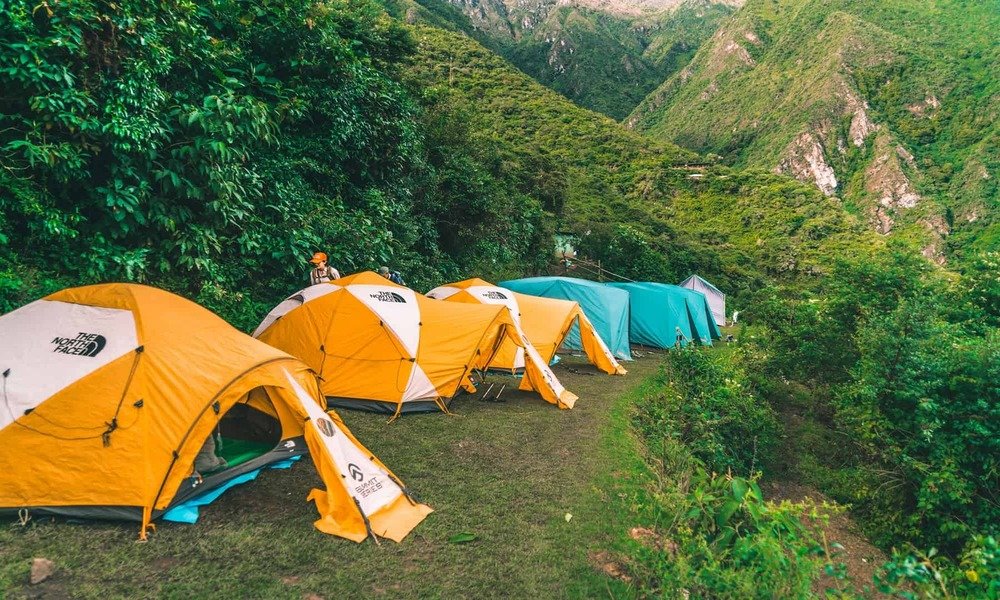
Camping near the archaeological site is permitted with the same ticket.
Tips for trekking
To fully enjoy the Choquequirao trek and stay safe during the adventure, consider these practical tips:
Appropriate clothing: Wear several layers to adapt to temperature changes: light clothing for the day, a coat for cold nights, a hat or cap and sunscreen to protect yourself from Andean radiation.
Hydration and nutrition: Carry enough water for the journey and energy snacks such as nuts, chocolate or energy bars to maintain your energy during the ups and downs .
Respect for the environment: Choquequirao is a protected archaeological site and a fragile ecosystem. Do not leave trash , respect the trails and the guides’ instructions, and avoid damaging the structures or local flora.
Additional equipment: Trekking poles for greater stability, comfortable backpack, camera to capture the landscapes and, if you plan to camp, lightweight and durable equipment.
What makes it special?
Choquequirao is unique in offering an authentic and almost solitary experience, receiving only a few dozen visitors per day. Its combination of Andean landscapes, Inca heritage, and adventure in a virtually untouched environment allows visitors to immerse themselves in the living history of the region. Furthermore, its impressive biodiversity, ranging from dry to humid forests, is home to fascinating flora and fauna, making every step a cultural and natural discovery.