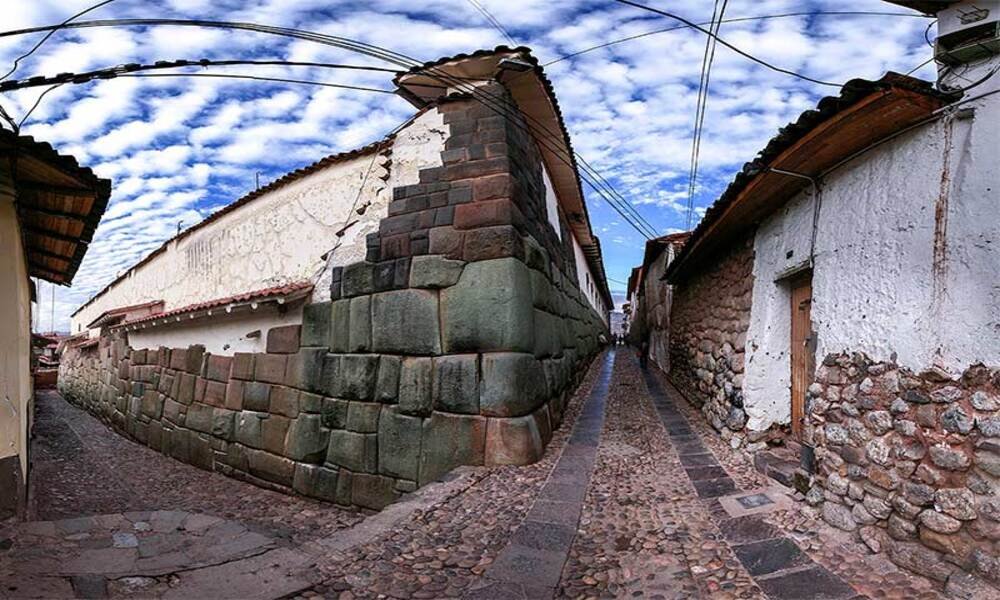
Cusco’s cobblestone streets: history and charm
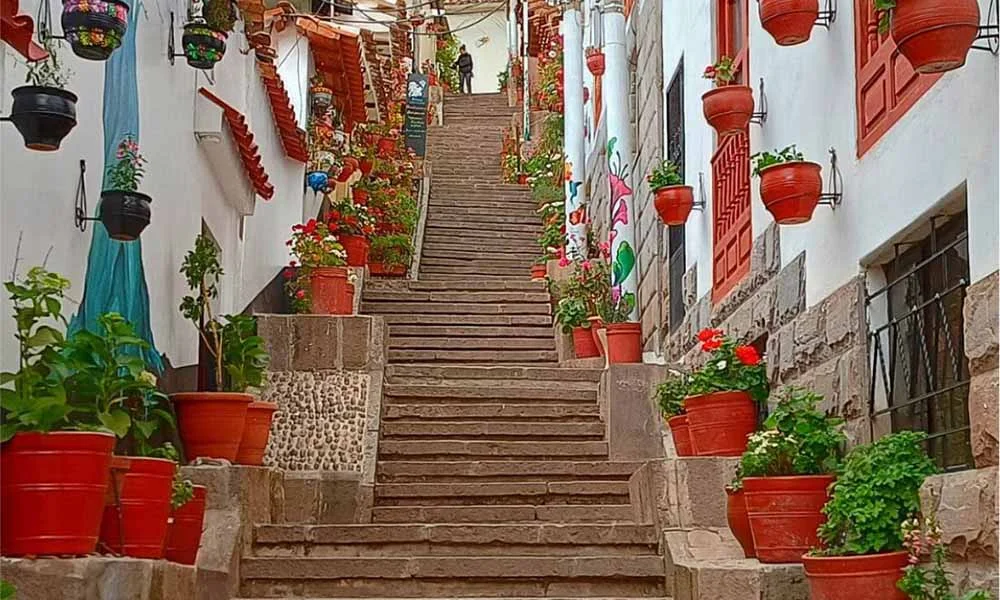
The cobblestone streets of Cusco are one of the city’s most distinctive features and a living testament to its rich history. Walking through them is like traversing centuries of history, where Inca engineering blends seamlessly with Spanish colonial architecture, creating a cityscape unlike any other in the world.
These streets not only serve a practical function, but also preserve Cusco’s cultural identity. From the historic center to traditional neighborhoods like San Blas, the original cobblestones remain and have become a symbol of the charm and authenticity of the ancient capital of the Inca Empire.
The Inca origin of cobblestone streets: engineering that defies time
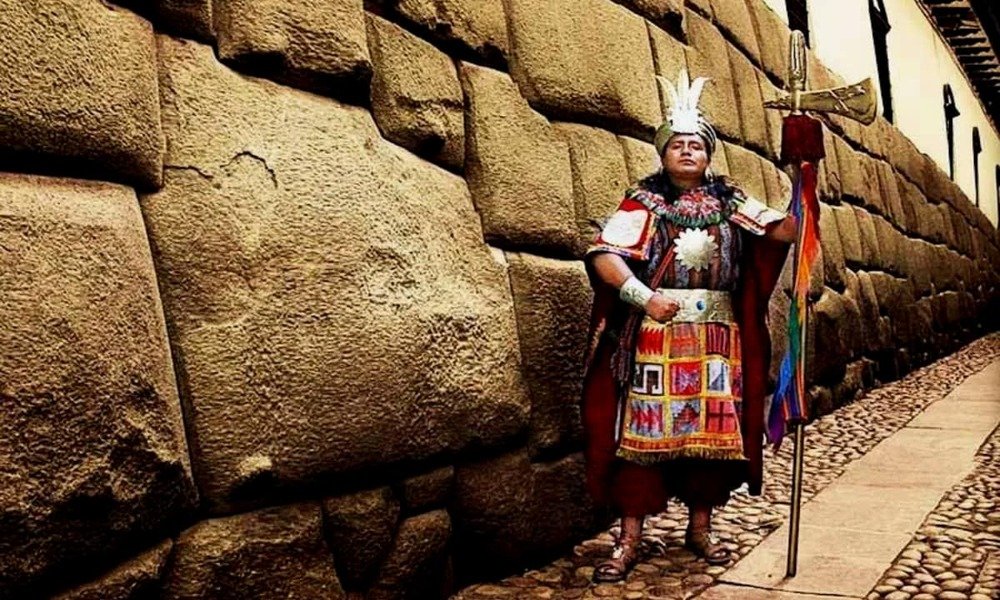
The cobblestone streets of Cusco are not simply ancient paths; they are one of the greatest examples of Inca engineering applied to the urban environment. Their origin dates back to the time when Cusco was the capital of the Inca Empire, when each street had a clearly defined ceremonial, administrative, or residential function.
Unlike other ancient cities, the Incas did not build haphazardly. Each street was designed considering the topography, the Andean climate, and the intense rainy season. Thanks to this planning, many of these streets are still in use today, centuries after their construction, retaining their original form and fulfilling their function with surprising efficiency.
Inca urban planning behind the cobblestones
The Inca paving stones were part of a carefully organized urban system. The streets were connected to plazas, temples, and important sites, following a hierarchical order within the city. It was not just about facilitating transit, but about integrating the city with nature and with the Andean worldview.
The stones used were selected and hand-carved to fit together without mortar. This system allowed the streets to adapt to ground movement, crucial in a seismic region. Furthermore, the design included gentle slopes that helped direct rainwater into underground channels, preventing flooding and erosion.
Why these streets have survived for centuries
One of the main reasons Cusco’s cobblestone streets have withstood the test of time is their structural flexibility. Unlike rigid modern constructions, Inca cobblestones allow for slight shifting between the stones, absorbing the energy of earthquakes without collapsing.
Added to this is the Incas’ profound knowledge of the terrain. Each stone was placed considering its weight, shape, and function within the whole. Thanks to this, these streets have survived earthquakes, torrential rains, and centuries of continuous use, becoming a living testament to a civilization that mastered the art of building in harmony with nature.
Walking through these streets today is to tread the exact same paths that Inca priests, rulers and inhabitants walked, an experience that directly connects the visitor with the ancient past of Cusco.
Why are the streets of Cusco still intact after centuries?
The secret technique of Inca and colonial cobblestone paving.
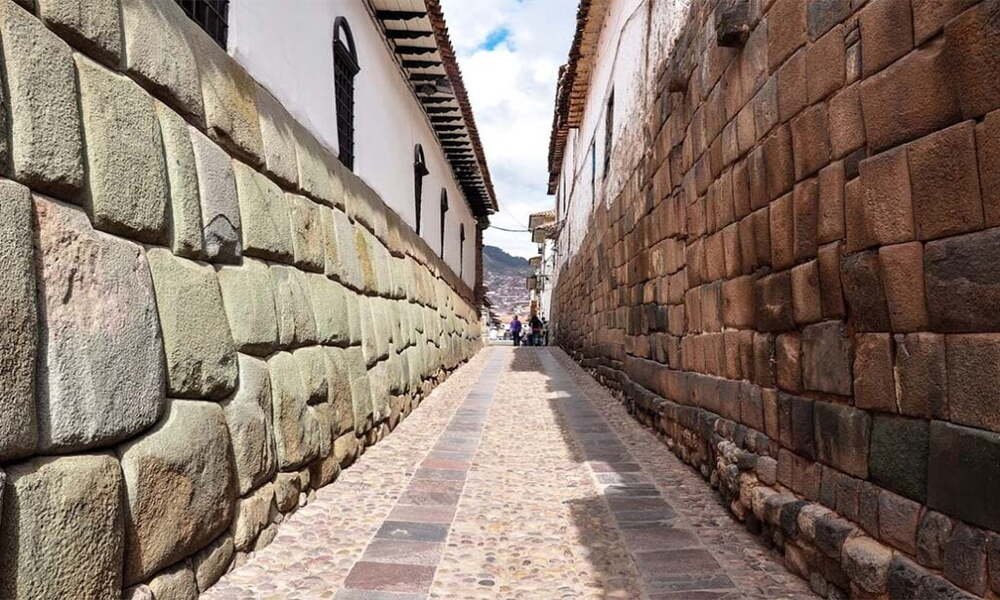
One of the questions that most surprises visitors to Cusco is how its cobblestone streets have managed to remain standing for centuries, despite heavy use, Andean rains, and frequent earthquakes. The answer lies in an advanced construction technique, developed by the Incas and later adapted during the colonial era.
Far from being simple stones placed randomly, the cobblestones of Cusco are the result of a deep knowledge of engineering, geology and architecture, applied with a precision that is still difficult to replicate today.
The perfect fit of the stones: stability without mortar
The key to Inca paving lies in the precise fit of each stone. The rocks were carefully carved to interlock, creating a solid yet flexible surface. This method, known as dry stone masonry, used no cement or mortar, allowing the stones to shift slightly without breaking.
This system allowed the streets to absorb the energy of earthquakes, preventing cracks and collapses. Furthermore, the weight of the stones was distributed evenly, increasing the road’s durability. Even today, many of these streets retain their original cobblestones, demonstrating the effectiveness of this ancient technique.
Colonial adaptation without destroying the Inca base
When the Spanish arrived in Cusco, they quickly recognized the strength of the Inca infrastructure. Instead of destroying it completely, they decided to build upon the existing foundations, reusing the original cobblestones for colonial urban traffic.
During this period, some streets were reinforced or modified, but always respecting the basic structure. This fusion of techniques allowed the cobblestones to survive both the passage of time and cultural changes. The result is an urban landscape where Inca engineering and colonial architecture coexist, visible in streets that still maintain their original design.
Thanks to this combination of indigenous knowledge and colonial adaptation, Cusco’s cobblestone streets are not only still in use, but continue to be one of the most fascinating and resilient features of the historic city.
Streets that tell stories: sacred paths, hidden drainage, and earthquake resistance
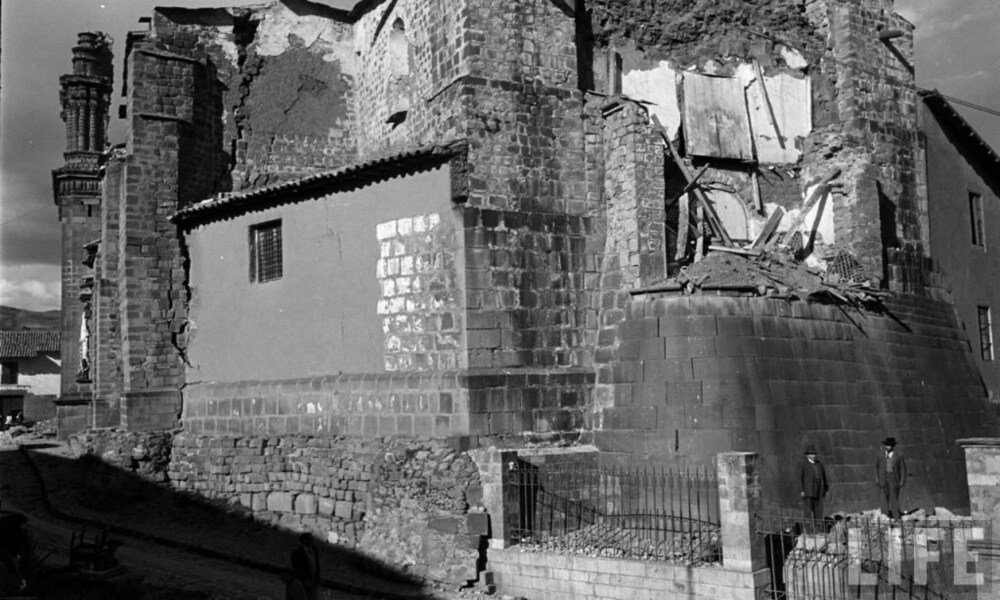
The cobblestone streets of Cusco served more than just a practical function; they also held profound symbolic and spiritual significance. For the Incas, urban thoroughfares were extensions of their worldview, connecting temples, plazas, and ceremonial spaces in a network that extended far beyond simple daily transit.
Each street was part of a sacred urban design, where architecture, nature, and spirituality were harmoniously integrated. Therefore, walking these streets today is like traversing ancient paths steeped in history and symbolism.
Sacred paths and the spiritual significance of urban layout
Many cobbled streets followed specific alignments related to sacred mountains, known as apus, and to important ceremonial centers. These roads connected religious precincts, palaces, and main plazas, allowing the movement of priests, nobles, and participants in rituals.
The urban layout of Cusco was designed as a representation of the order of the universe according to the Andean worldview. The streets not only guided people physically, but also symbolized spiritual journeys, reinforcing the relationship between the city and the forces of nature that the Incas venerated.
Concealed drainage and resistance to rain and earthquakes
One of the most impressive aspects of the Inca cobblestones is the hidden drainage system that runs beneath many of Cusco’s streets. The Incas designed underground channels to direct rainwater away from the walking surfaces, preventing flooding and erosion of the cobblestones.
This hydraulic system, combined with the sloping placement of the stones, allowed water to flow in a controlled manner even during heavy rains. Furthermore, this engineering contributed to the seismic resistance of the streets, as the drainage prevented the accumulation of moisture that could weaken the structure.
Thanks to this advanced planning, the cobblestone streets have withstood not only the passage of time, but also powerful earthquakes and extreme weather conditions. This balance between spirituality, functionality, and engineering is one of the reasons why Cusco remains an exceptional example of ancestral urbanism.
Walking through these streets is not just a tourist stroll, but an experience that connects the visitor with the deep knowledge and worldview of one of the most advanced civilizations in America.
San Blas and its cobbled streets: the most artistic and bohemian neighborhood in Cusco
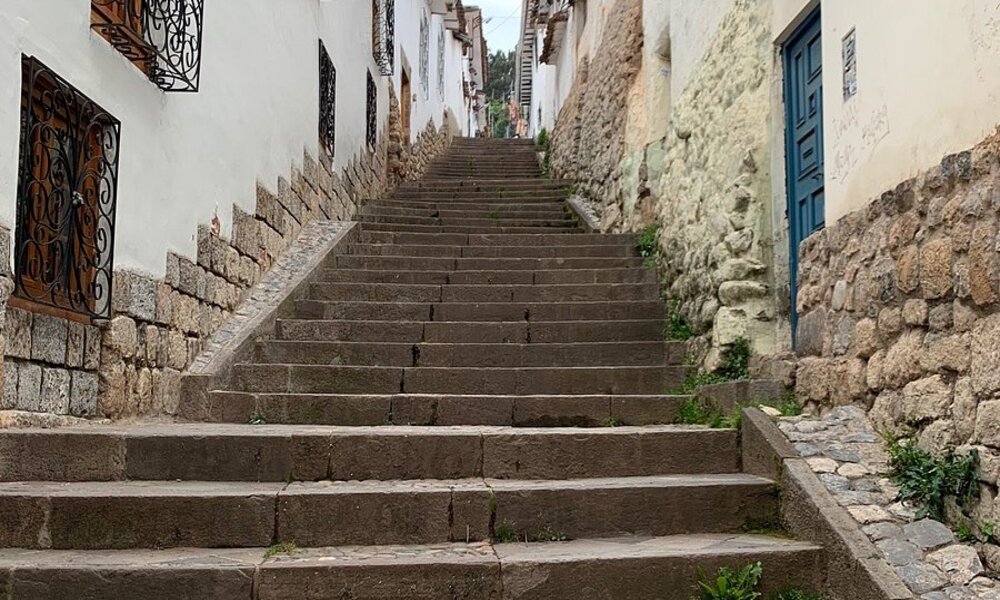
Among all the cobblestone streets of Cusco , those of the San Blas neighborhood have a special charm. This ancient Inca district, located in one of the highest areas of the historic center, has become over time the artistic and bohemian heart of the city.
Walking through San Blas is a unique experience: narrow, steep, and quiet streets, where every stone seems to hold stories of artisans, travelers, and former residents who have left their mark on the neighborhood.
A neighborhood of artisans built on ancient stone
San Blas has historically been a neighborhood of artisans. Since Inca and colonial times, this area has been inhabited by experts in carving, carpentry, and handicrafts. Today, that tradition lives on in the numerous workshops and galleries that line its cobblestone streets.
The original cobblestone paving stones coexist with colonial doors, wooden balconies, and perfectly preserved Inca walls. This blend creates a unique atmosphere where past and present merge seamlessly. For many foreign visitors, San Blas represents the most authentic Cusco, far removed from the hustle and bustle of the main squares.
Steep streets, viewpoints and a unique atmosphere
San Blas’s elevated location offers some of the best views of historic Cusco. Along its cobblestone streets are small viewpoints from which you can observe the city stretching out among the mountains, especially at sunset.
A stroll through this neighborhood invites you to wander at a leisurely pace, discover hidden cafes, observe local life, and feel the tranquility emanating from its cobblestone streets. At night, the soft lighting highlights the textures of the cobblestones, creating an almost magical atmosphere, ideal for those seeking a profound cultural and sensory experience.
San Blas is not just a neighborhood to visit; it is a place to experience Cusco, where every cobblestone street reinforces the connection between ancestral history, contemporary art, and the creative spirit that defines the city.
Cusco at night: the most photographed cobblestone streets and their ancient magic
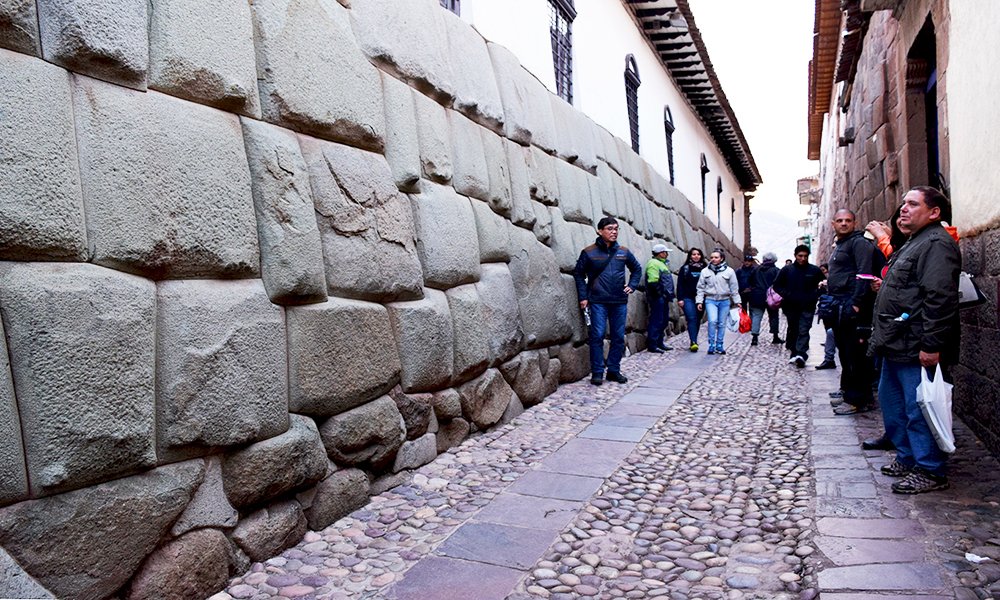
As night falls, Cusco’s cobblestone streets take on a completely different atmosphere. The dim lighting, the silence that replaces the daytime bustle, and the shadows cast upon the ancient stones transform the city into an almost mystical setting. For many foreign travelers, this is the moment when Cusco reveals its most enigmatic side.
Walking through these streets at night is a profound sensory experience, where every step resonates on stones that have witnessed centuries of history, rituals, and cultural transformations.
The most photographed cobblestone streets at dusk
Some streets become especially captivating after sunset. Places like the famous Hatun Rumiyoc Street, with its perfectly assembled Inca walls, offer unique scenes under artificial light. The contrast between the ancient stones and the streetlights creates images that seem to have been plucked from another era.
Other streets in the historic center and the San Blas neighborhood also become ideal spots for night photography. The textures of the cobblestones, the colonial walls, and the absence of crowds allow you to capture the authentic essence of Cusco, something many travelers seek to take home as a visual memory.
The experience of walking Cusco at night
Beyond the photographs, exploring Cusco at night is an experience that invites contemplation. The sound of footsteps on the cobblestones, the crisp mountain air, and the tranquility of the surroundings create a special connection with the city. It’s the perfect time to stroll leisurely, observe architectural details, and feel the ancient energy that still seems to linger in the streets.
For those seeking more than just a tourist tour, walking through the cobblestone streets of Cusco at dusk becomes an intimate journey into the past, where history, light, and stone come together to create an unforgettable experience .