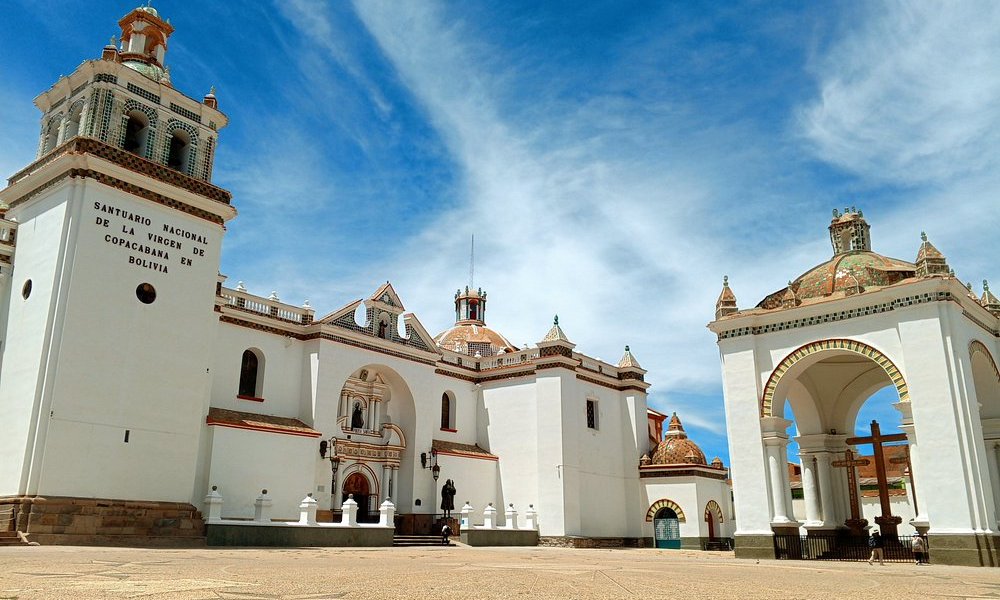
Colonial Historic Center: History and Landmarks

The Historic Colonial Center of Bolivia is the cultural heart of many cities, where history and colonial architecture intertwine. This UNESCO World Heritage Site reflects the rich history of bygone eras, with buildings, plazas, and churches of immense cultural value. It’s a perfect destination for history, art, and architecture enthusiasts, offering a complete immersion into the colonial past. Exploring these spaces will transport you to a golden age that left its mark on every corner.
Colonial architecture: what to see and how to enjoy it
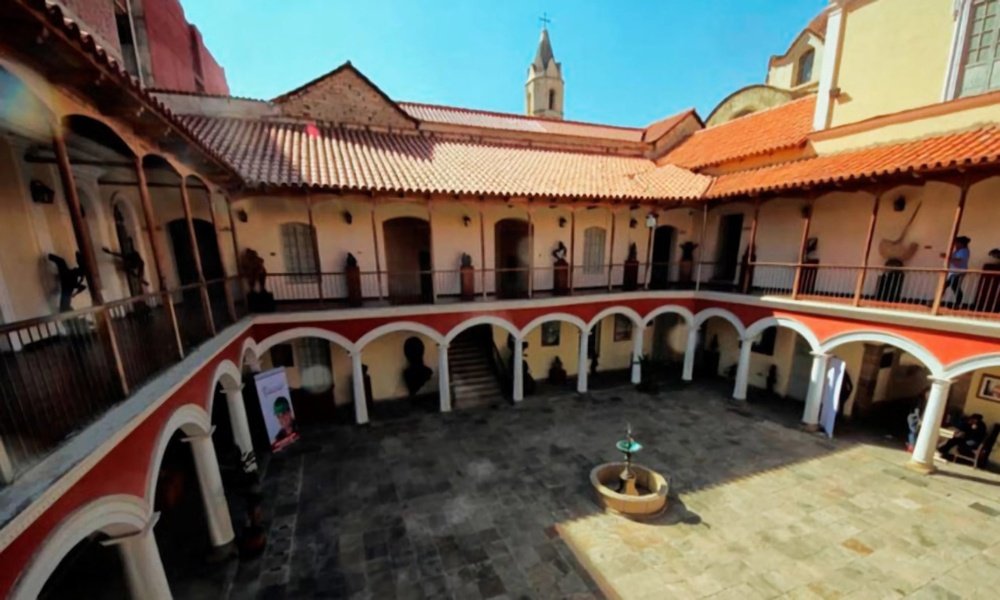
The Historic Colonial Center is famous for its stunning colonial architecture, which reflects the Spanish influence in South America. The buildings from that era are constructed with local materials, such as stone and adobe, while the decorative details showcase the richness of the colonial tradition.
The city’s main square is one of the best places to admire colonial architecture. From here, you can see churches, government buildings, and stately homes dating from the 16th and 17th centuries. These buildings were designed to reflect the grandeur of the Spanish Empire while also adapting to local conditions.
Notable elements of colonial architecture
As you explore the Historic Center, you’ll be amazed by the carved wooden balconies and ornate facades. These architectural features were not only a symbol of social status but also a way to adapt to the region’s warm climate. Large windows and interior courtyards helped keep the houses cool during the hot summer days.
The use of arcades on facades and Corinthian columns in churches are also common elements that reflect the influence of the European Renaissance, which merged with local creativity.
How to Enjoy Colonial Architecture
To fully appreciate the colonial architecture, we recommend taking a walking tour of the city center. Walking will allow you to appreciate all the details that make the architecture of that era unique.
If possible, opt for a guided tour. Local guides have in-depth knowledge of the buildings’ history and can offer a more enriching experience. Also, don’t forget to visit the local museums, which display restored architectural elements and explain the construction process of the colonial buildings.
The most emblematic places in the Historic Center
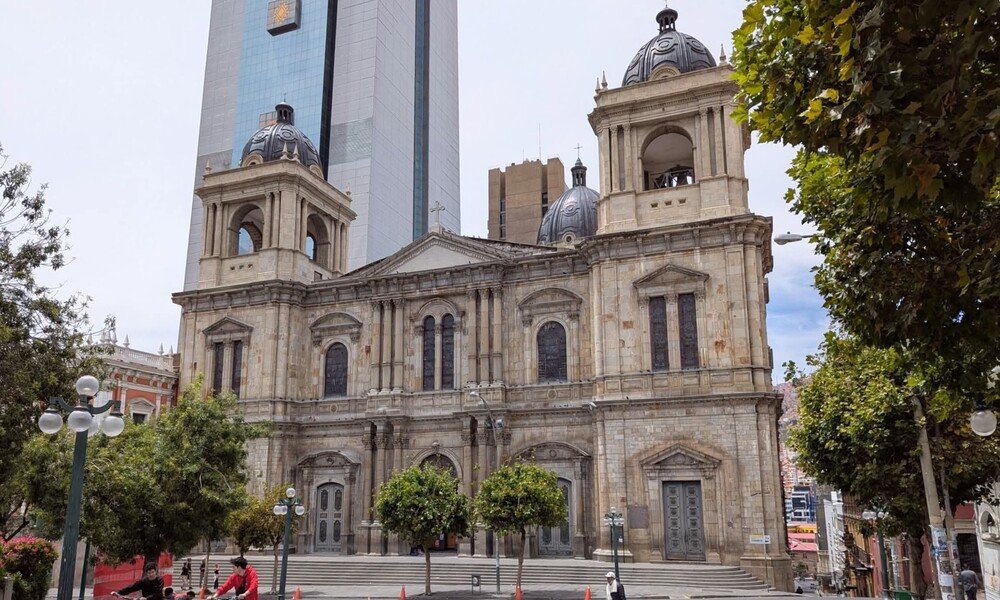
The Historic Colonial Center is home to a number of iconic landmarks that you simply must visit. These sites reflect the city’s rich cultural and historical heritage and are key to understanding the legacy of the colonial era.
The City Cathedral
One of the most iconic monuments in the Historic Center is the City Cathedral. This church, with its impressive Baroque facade, was built between the 16th and 17th centuries and is a prime example of colonial religious architecture. Its interior is adorned with gilded details and religious paintings that reflect the influence of European art in South America.
The Mint
Another must-see is the Mint, famous for its history linked to coinage during the Viceroyalty of Peru. This building not only houses a collection of minting tools and historical coins, but also an impressive display of colonial art. It is one of the most visited museums in the region.
Main squares and streets
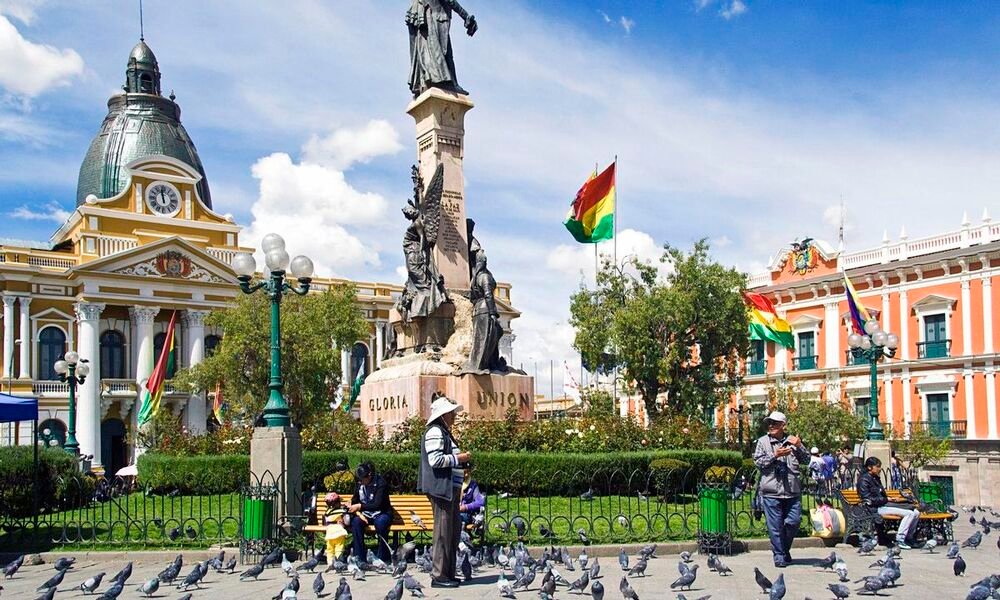
The main squares, such as Plaza Mayor and Plaza 10 de Noviembre, are the heart of the Historic Center. Here you can find important colonial buildings, like the Church of San Francisco, which offer a glimpse into the city’s historical and cultural past. The cobblestone streets that connect these places invite you to walk and explore every corner of this World Heritage Site.
How to get to the Historic Colonial Center?
The Historic Colonial Center is located in the heart of many cities, making it easily accessible from various parts of the country. If you are in La Paz, Sucre, or Cochabamba, you can easily reach it by bus or private transport. From La Paz, the trip usually takes about 6 hours, while from Sucre it takes approximately 3 hours.
Access is convenient and direct from bus stations and train terminals. Additionally, if you prefer a faster option, there are flights connecting major cities with airports near the Historic Center.
Local transport within the Historic Center
Once in the Historic Center, you can explore on foot to appreciate the architectural details and colonial atmosphere. Many of the main tourist attractions, such as plazas and churches, are located close to one another, making it easy to visit them without additional transportation. However, if you prefer not to walk, local taxis are a convenient option.
Tips for exploring the Historic Colonial Center
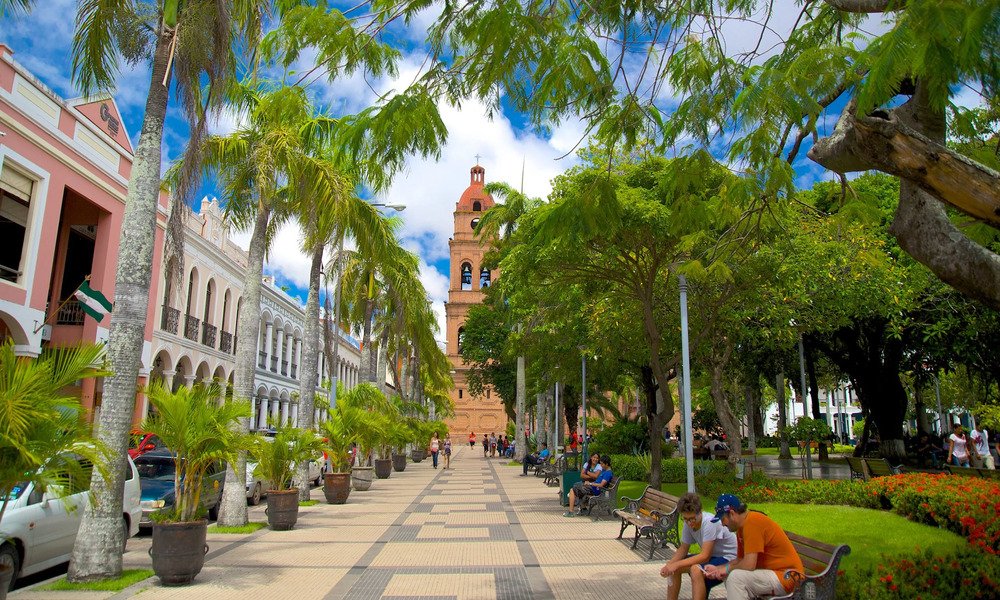
Exploring the Historic Colonial Center is an experience that requires time and patience. To fully enjoy it, we recommend doing so on foot, as walking will allow you to appreciate the architectural details and discover hidden corners of the city. Additionally, some buildings offer free admission on certain days, so we suggest checking the schedules before your visit.
Comfortable shoes are recommended, as the streets are cobbled and sometimes steep. Sun protection and water are also essential, especially if you visit during the warmer months.
Guided tour
For a more enriching experience, consider hiring a guided tour. Local guides are experts on the city’s history and can offer insights into the architecture, historical figures, and key events that took place in the Historic Center. Many also have fascinating stories and anecdotes about the colonial era.
Recommendations for a perfect visit to the Historic Center
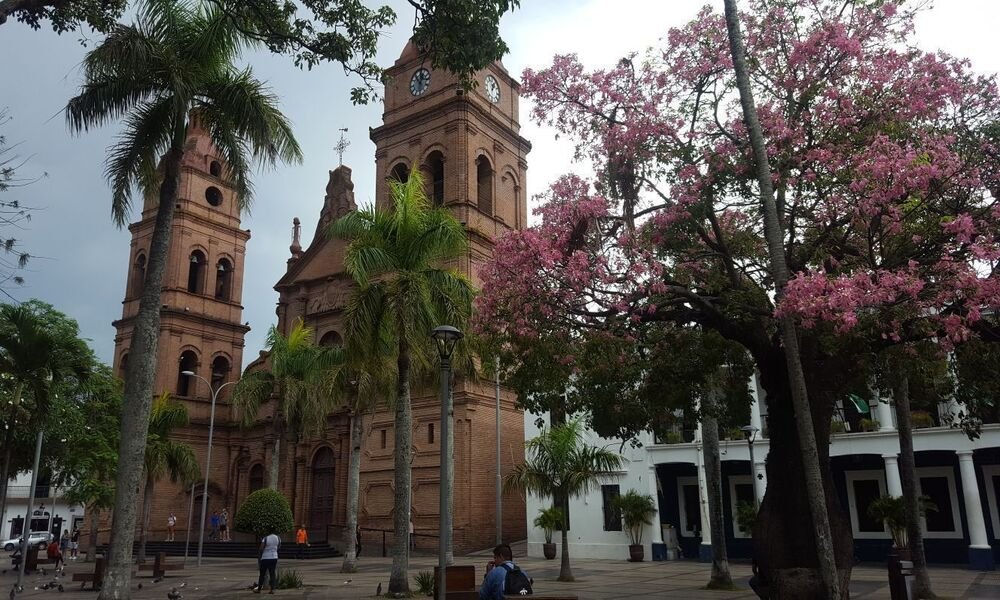
To make the most of your visit to the Historic Colonial Center, it’s important to follow a few recommendations. First, it’s best to explore on foot, as the main attractions are close to one another. Walking will also allow you to better appreciate the architectural details and history of each place.
Best time to visit
The best time to visit the Historic Center is during spring or autumn, when the weather is more pleasant and there are fewer tourists. During the summer, the heat can be intense, and crowds can make it difficult to enjoy some areas. It’s advisable to avoid holidays or school breaks for a more peaceful experience.
Preparation Tips
Don’t forget your camera to capture the unique moments and beauty of the colonial architecture. Be sure to wear comfortable shoes and sun protection, as most of the tour will be outdoors and the cobblestone streets can be challenging to navigate. It’s also important to bring water to stay hydrated throughout the tour.
How to plan your visit to the Historic Center
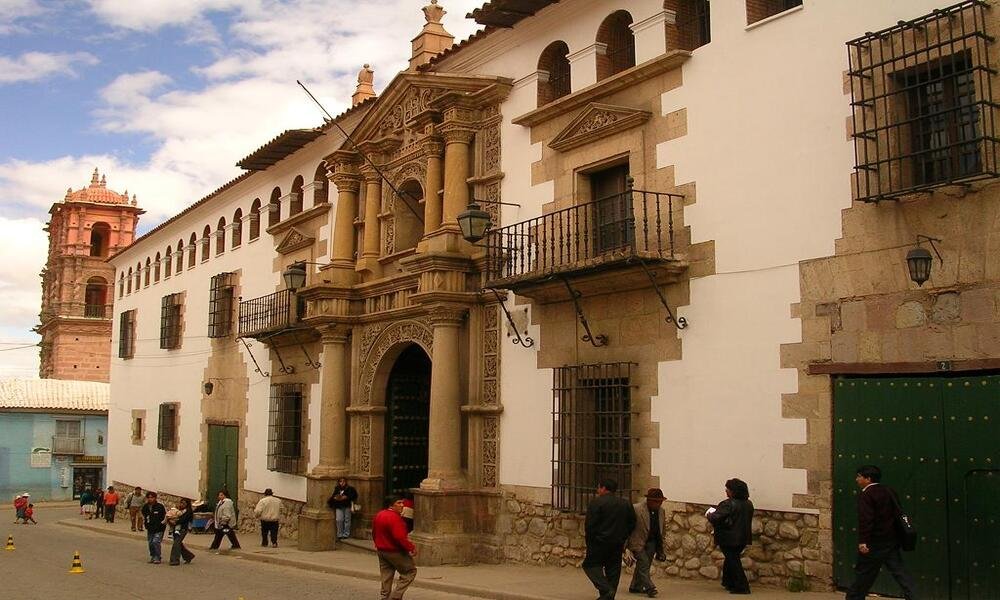
Planning your visit to the Historic Colonial Center can help you make the most of your time. It’s advisable to start early, especially if you plan to visit several points of interest.
Maps and guided tours
If you’re unfamiliar with the area, consider taking a guided tour. Local guides have extensive knowledge of the buildings’ history and can offer a much more enriching experience. Additionally, tourist maps available in the area will help you find your way around easily and ensure you don’t miss any of the most important sights.
Opening hours
Before heading out, check the opening hours of museums and other attractions. Some museums offer free admission or discounts on certain days, so it’s a good idea to check beforehand to make the most of your budget and time.