


Cultural etiquette for Americans in Peru.
🇵🇪 Cultural Etiquette for Americans in Peru
Traveling to Peru offers a unique opportunity to explore a rich cultural heritage filled with traditions, history, and customs. As an American tourist, understanding local etiquette will enhance your travel experience and foster meaningful connections with the Peruvian people. In this guide, we’ll cover essential cultural tips that will help you navigate social interactions, respect local traditions, and ensure you leave a positive impression in Peru.
1. Greetings and Social Interaction
A Friendly “Hola” Goes a Long Way
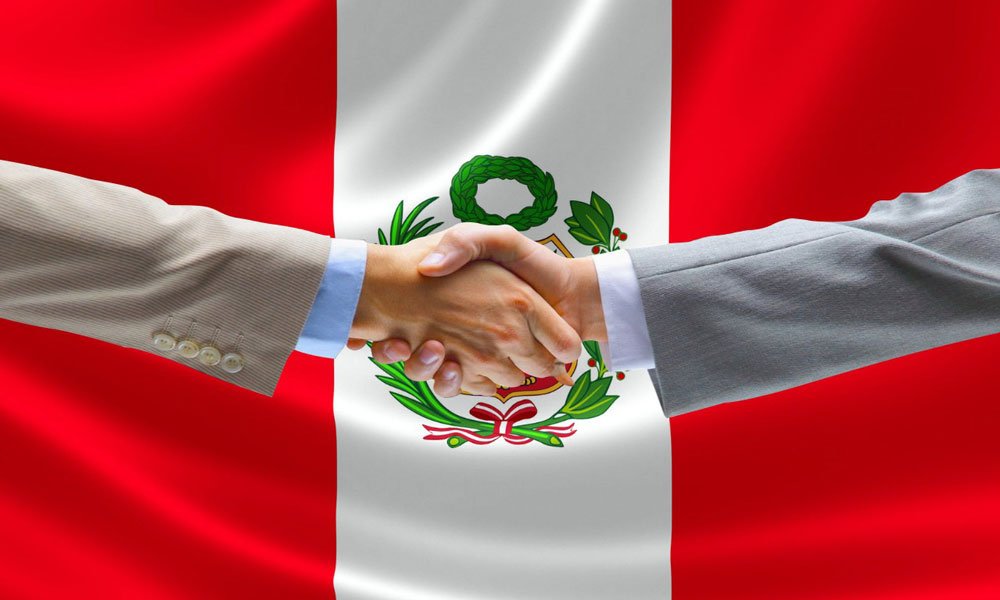
In Peru, greetings are very important and typically more formal than in the United States. The standard greeting is a handshake, especially in professional or unfamiliar settings. In casual settings, especially between friends or acquaintances, it is common to greet with a kiss on the cheek. This is especially true for women greeting women or men greeting women.
-
Handshake: Common for first meetings, especially in business or formal settings.
-
Kiss on the cheek: More casual and reserved for close friends and family.
Use of Titles
Peruvians often use titles like “Señor” (Mr.), “Señora” (Mrs.), or “Doctor” (even outside of medical professions). It’s a sign of respect to address people using their titles or formal “usted” until invited to use a more informal “tú.”
2. Personal Space and Touching
Respecting Personal Space
Personal space is important in Peru. While a handshake or kiss on the cheek is common, close physical contact beyond that, such as hugging, is less frequent than in the U.S. It’s essential to be aware of your surroundings and adjust your interactions based on how comfortable people seem with physical proximity.
-
Body language: Keep a respectful distance, especially when interacting with strangers.
-
Eye contact: Maintaining eye contact shows respect and attentiveness, but excessive staring may be perceived as rude.
3. Dining Etiquette
Wait to Be Seated
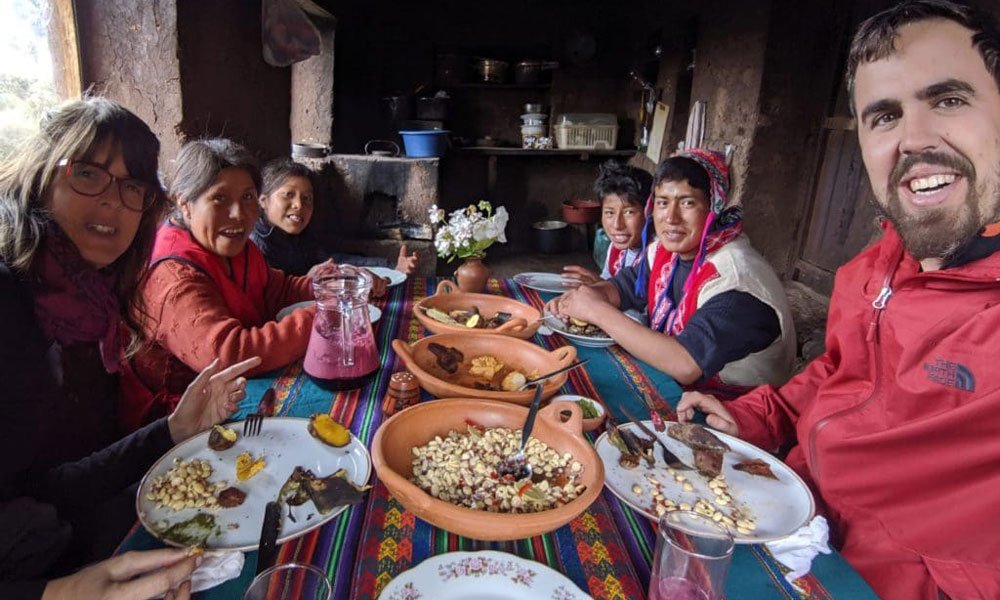
In Peru, it’s customary to wait until the host or the most senior person at the table invites you to sit. At formal dinners, meals are often a communal experience where guests are expected to wait for everyone to be served before eating.
-
Start with a greeting: It’s polite to say “Buen provecho” (enjoy your meal) when you sit down to eat or when someone is starting their meal.
-
No tipping required in restaurants: While tipping is not mandatory, it is appreciated, and a 10% tip is common for good service.
Table Manners
-
Elbows off the table: In Peru, it’s considered polite to keep your elbows off the table while eating.
-
Finish your meal: It’s polite to finish all the food on your plate. Leaving food uneaten is often seen as wasteful.
4. Language and Communication
Spanish Is Widely Spoken
The official language of Peru is Spanish, and while you’ll find some English speakers in tourist areas, knowing basic Spanish phrases can go a long way in building rapport with locals. It shows respect for their culture and helps you connect better.
-
Basic Phrases to Know:
-
Hola – Hello
-
Por favor – Please
-
Gracias – Thank you
-
¿Cuánto cuesta? – How much does it cost?
-
¿Dónde está…? – Where is…?
-
Speaking “Usted” vs. “Tú”
In Peru, “usted” (formal “you”) is often used instead of the informal “tú” (you). It’s respectful to use “usted” in formal situations or when speaking with someone older or of higher status. Save “tú” for casual conversations with friends or peers.
5. Respect for Religion and Tradition
Understand the Importance of Religion
Peru is predominantly Roman Catholic, and religion plays a significant role in daily life. Public holidays like Semana Santa (Holy Week) are widely observed, and many towns host religious festivals and processions throughout the year.
-
Respecting religious sites: When visiting churches or sacred sites, dress modestly, and be quiet. Don’t take photos unless permitted.
-
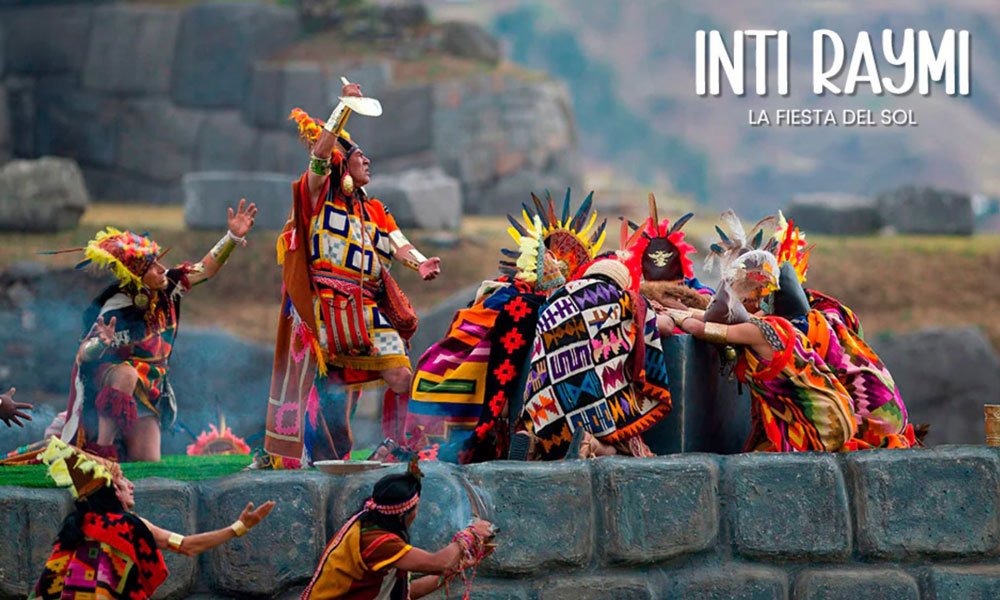
Cultural ceremonies: Participating in or observing traditional ceremonies is a unique part of Peru’s spiritual heritage, but always approach them with respect. If unsure, ask permission before joining in.
6. Punctuality
Being On Time Is Important
In Peru, punctuality is highly regarded, particularly in professional and business settings. Arriving on time for appointments or meetings is seen as a sign of respect. However, in some social situations, such as parties or gatherings, there may be a more flexible approach to time.
-
Business settings: Be punctual and ready for the meeting.
-
Social settings: It’s acceptable to arrive a little late (around 15 minutes) for informal events.
7. Gift Giving and Receiving
Thoughtful Gifting
If invited to a Peruvian home, it is common to bring a small gift, especially when visiting for the first time. A bottle of wine, a box of chocolates, or a simple flower arrangement are all appropriate choices.
-
Gifts for Hosts: Avoid giving too expensive gifts, as this could make the host uncomfortable.
-
Opening Gifts: It’s customary to open gifts in front of the giver as a sign of appreciation.
8. Respect for Nature and Pachamama
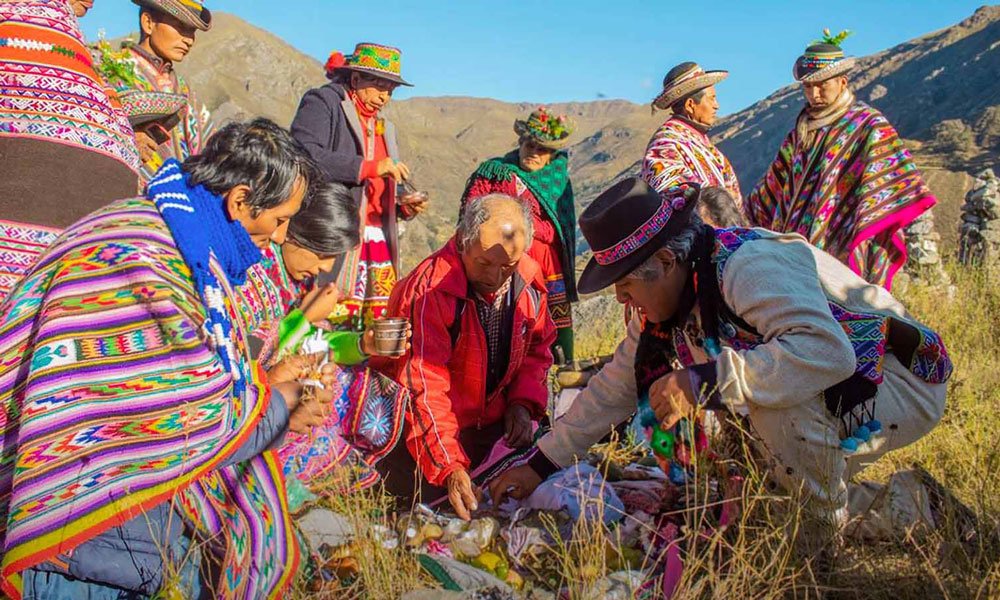
The Importance of Pachamama (Mother Earth)
In Peru, Pachamama, or Mother Earth, is an essential concept in Andean culture. It represents the connection between humans and the environment. When traveling through rural areas, especially in the Andes, you may encounter offerings (called pagos) to Pachamama, where locals give gifts to the earth as a sign of respect and gratitude.
-
What to do: Participate in or observe these rituals respectfully if invited, but be mindful of local customs.
9. Other Cultural Etiquette Tips
-
Politeness is key: Peruvians tend to be polite and respectful, and it’s important to reciprocate with the same level of courtesy.
-
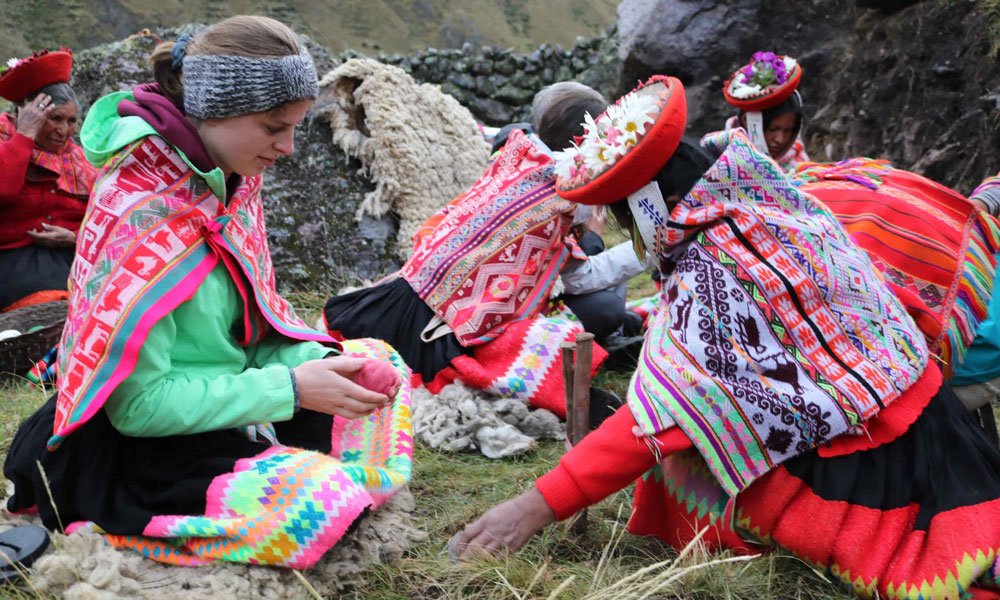
Complimenting locals: Complimenting someone’s work or their craftsmanship is appreciated, especially in artisan markets.
-
Avoid controversial topics: Avoid discussing sensitive topics like politics or religion unless you’re certain the conversation is appropriate.
Conclusion
By respecting Peruvian cultural norms, you’ll have a richer, more rewarding experience in this beautiful country. Understanding local etiquette helps build trust and friendships, ensuring your trip is both enjoyable and respectful. Whether you’re exploring ancient Inca ruins, tasting the delicious cuisine, or engaging with the friendly people, a bit of cultural awareness goes a long way.
Ready to explore Peru?
Start your journey by embracing the local customs and culture, and prepare to be amazed by all that Peru has to offer!