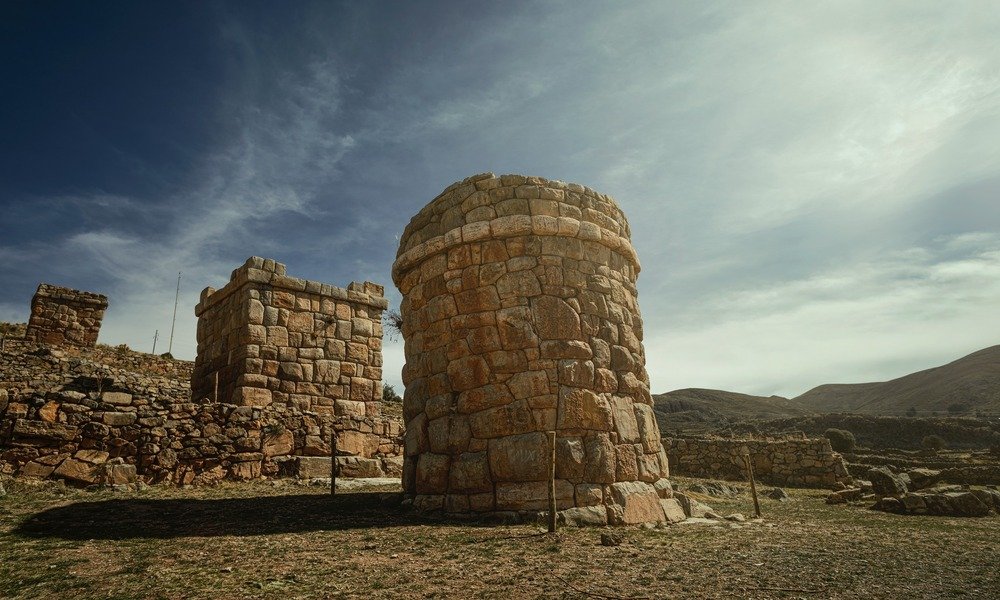
Cutimbo Archaeological Complex — chullpas, hiking, high Andean landscapes
The Cutimbo Archaeological Complex is located approximately 20 km southwest of the city of Puno, in the district of Pichacani, on a plateau of the Altiplano at over 4,000 meters above sea level. Its elevated location was not accidental: since pre-Hispanic times, high places were considered sacred and strategic, both for their proximity to the spiritual world and for their commanding view of the surrounding territory.
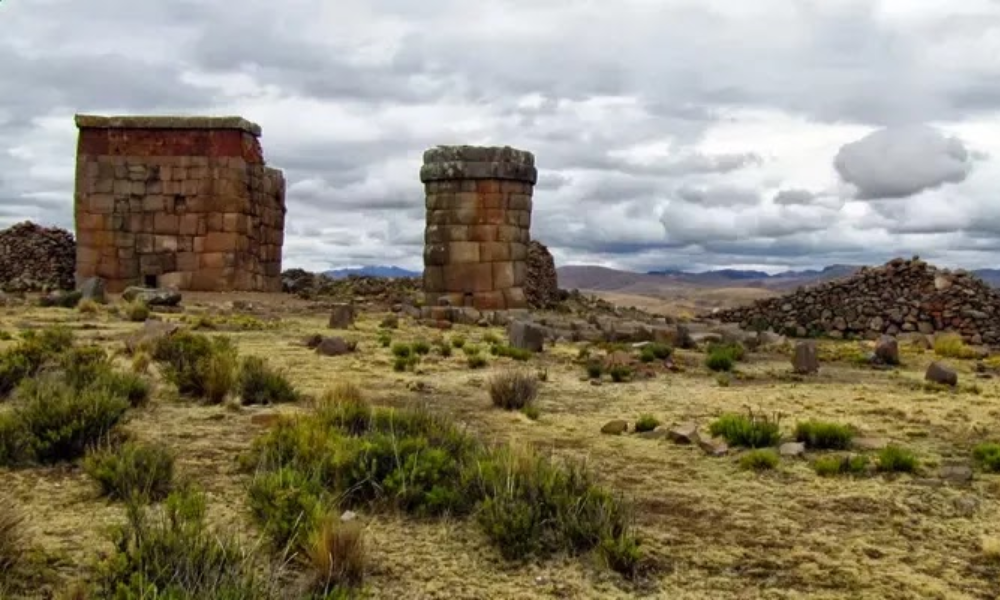
Cutimbo Chullpas: Meaning and Architecture
Chullpas are funerary towers used by the Colla and Lupaca cultures, and later by the Incas, to bury important members of the community. At Cutimbo, chullpas of different shapes and sizes can be observed, mainly circular and square, constructed with carefully worked stone blocks.
These structures served not only a funerary function but also a symbolic and social one, representing power, status, and the memory of the ancestors. Some chullpas feature carved decorations and are strategically oriented, demonstrating a high level of architectural and ritual knowledge.
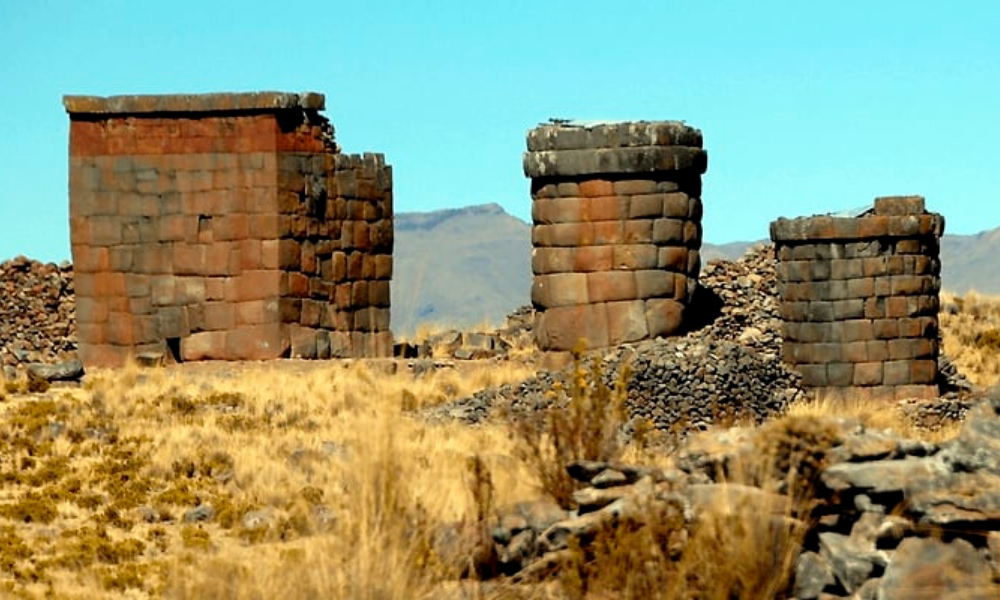
Hiking: Route and Experience
A visit to Cutimbo involves a hike along natural trails that cross the plateau. The route is of low to moderate difficulty, without technical sections, but the altitude can make the effort feel greater, especially for those who are not acclimatized.
The hike allows you to:
- Explore the site at a leisurely pace
- Stop at different archaeological points
- Enjoy the natural surroundings and the silence of the high plateau
It is an ideal experience for those who enjoy hiking while learning about history and culture.
High Andean Landscapes: The Natural Environment
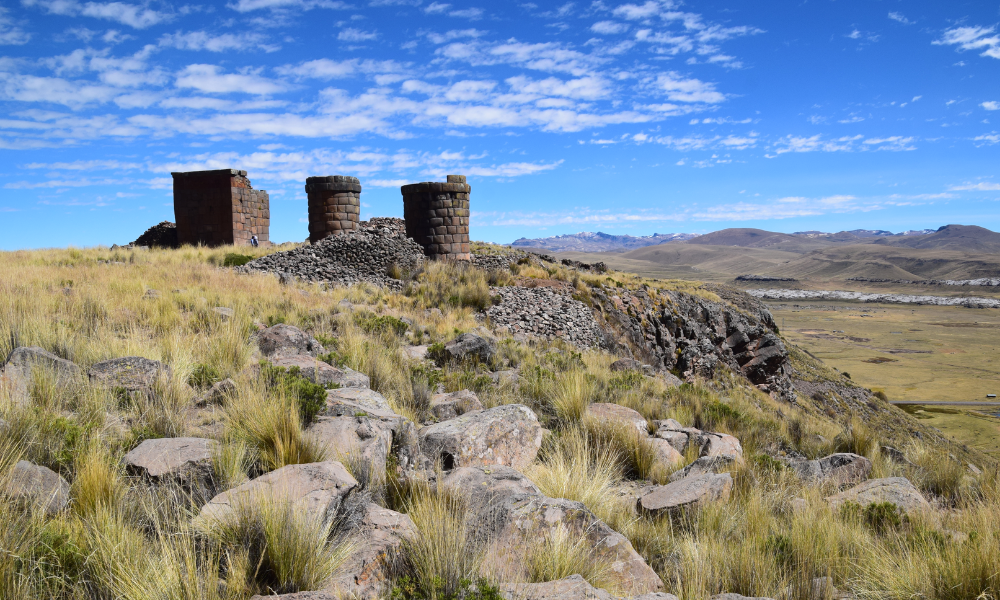
One of Cutimbo’s greatest attractions is its open high Andean landscapes. From the plateau, you can appreciate:
- Broad horizons of the high plateau
- Clear skies and abundant light
- A sense of immensity and tranquility
The natural surroundings reinforce the spiritual character of the place and make the visit as visual as it is cultural. During the dry season, the ochre and blue hues of the landscape are especially striking.
Cultural Significance and Visitor Experience
Cutimbo is a place that invites contemplation and respect. It is not a crowded or urban site, which allows for a more intimate experience with the heritage. The visit helps to understand the relationship between territory, ritual, and memory in Andean cultures, integrating archaeology and nature into a single journey.
- Practical Recommendations
- Wear layers of clothing and a warm jacket
- Wear comfortable walking shoes
- Protect yourself from the sun with a hat and sunscreen
- Walk slowly and drink water
- Respect the archaeological site (do not climb the chullpas)