


“How many days to spend in the Sacred Valley?”
The Sacred Valley of the Incas, located between Cusco and Machu Picchu, is a destination that combines history, culture, and breathtaking natural landscapes. Its traditional villages, colorful markets, and important archaeological sites lead many travelers to wonder: how many days are enough to explore it at a leisurely pace, savoring every corner?
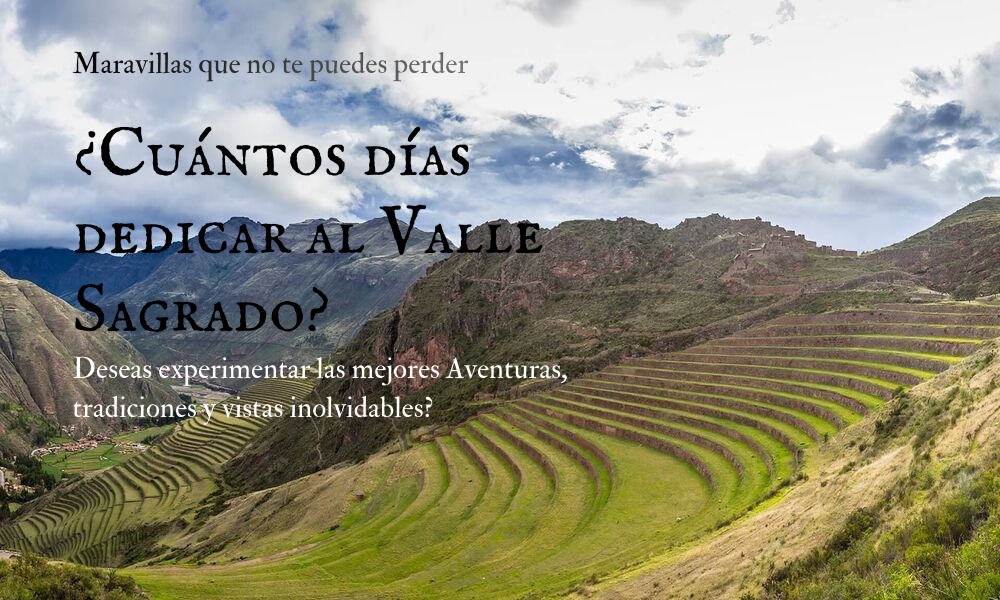
Choosing the right duration depends on your travel pace, personal interests, and logistics, and planning well can make the difference between a superficial visit and a truly enriching experience.
The important question?
The Sacred Valley of the Incas, located some 30–60 km from Cusco, is one of the most magical and diverse places in Peru. Surrounded by mountains, traversed by the Urubamba River, and dotted with towns steeped in history, this valley was a vital center of the Inca Empire, both agriculturally and religiously. Today, exploring it is to immerse oneself in a mosaic of culture, living traditions, and landscapes that seem straight out of a dream.
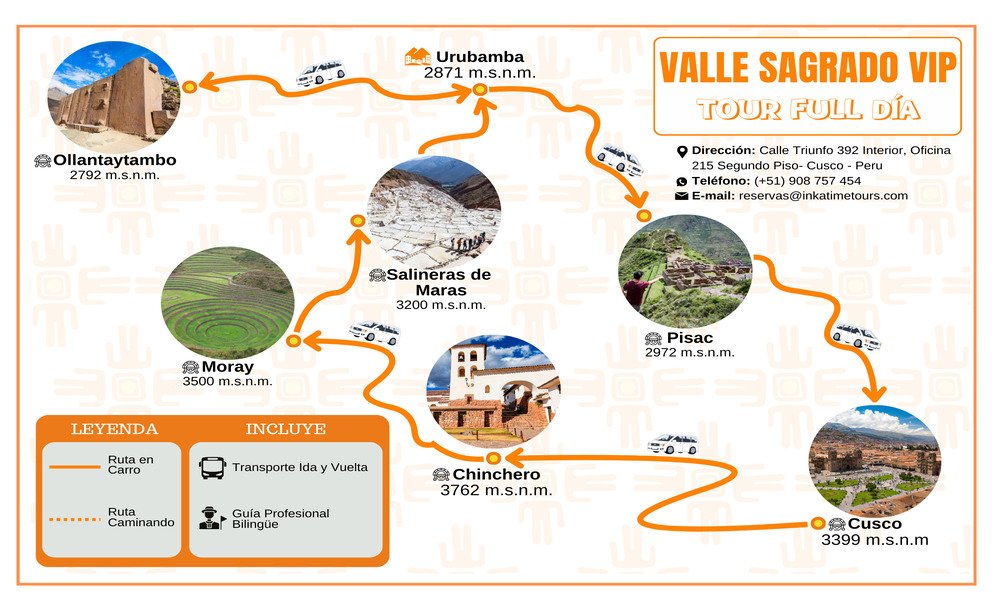
But the big question many travelers have is: how many days do I need to explore the Sacred Valley without missing anything important? The answer isn’t simple, because it depends on your pace, interests, and the number of experiences you want to have.
Essentials for your visit
The Sacred Valley is comprised of several towns and important archaeological sites, such as Pisac, Ollantaytambo, Chinchero, Moray, and Maras. Each offers something unique: from impressive Inca ruins to vibrant local markets where you can buy traditional handicrafts and textiles. Additionally, some activities, such as trekking or visiting the Maras salt mines, require extra time.
What to see in the Sacred Valley
The Sacred Valley is full of places that deserve time to be appreciated:
Pisac:
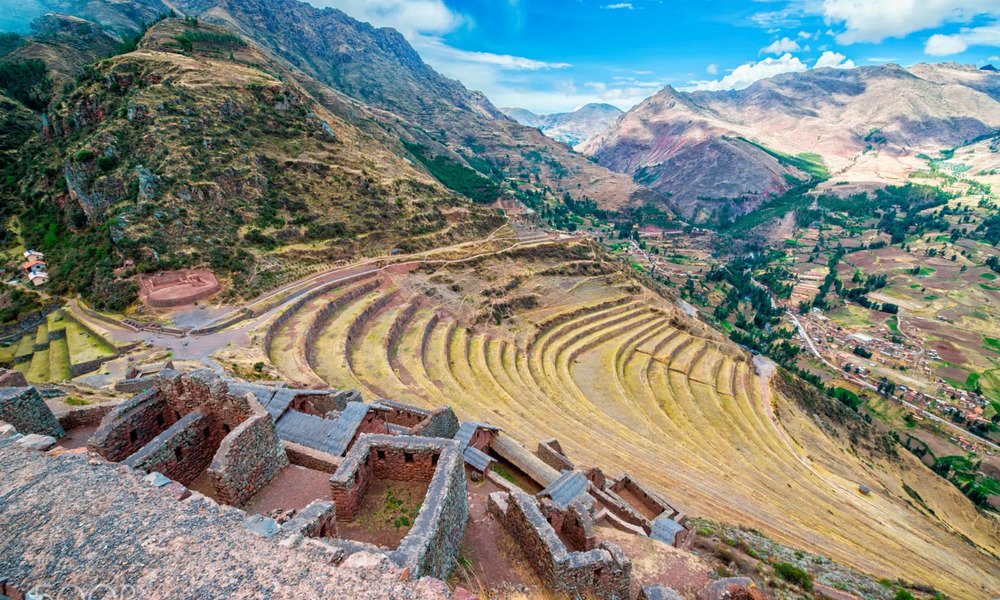
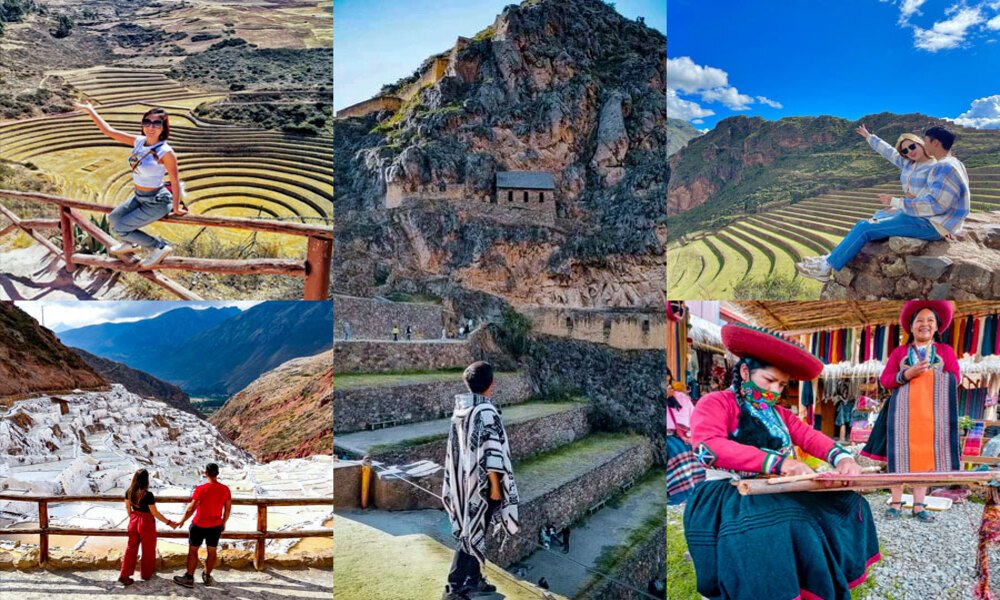
Pisac is known for its vibrant artisan market and impressive Inca agricultural terraces that cascade down the mountainside. The ruins, perched atop the hill, offer spectacular panoramic views of the Sacred Valley, making it a perfect place to start your day. Visiting Pisac combines culture and history with the opportunity to purchase local crafts directly from the artisans, creating an authentic and memorable experience.
Ollantaytambo:
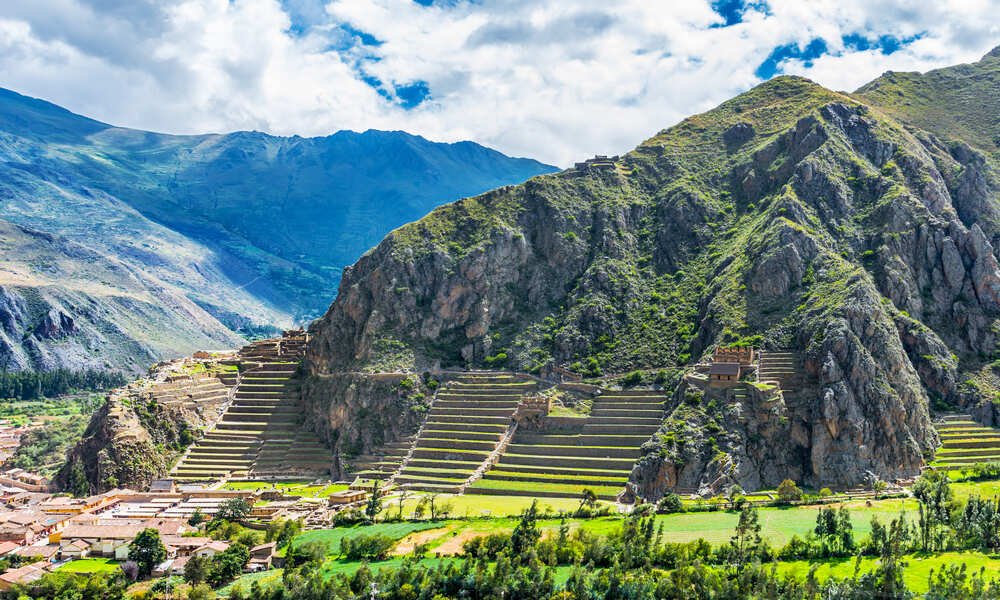
Ollantaytambo is one of the few Inca towns still inhabited since pre-Columbian times. Its cobblestone streets, fortresses, and agricultural terraces mean that every corner of the town tells a story of millennia past. Furthermore, Ollantaytambo is a strategic point for those planning to visit Machu Picchu, as it is the main train access point to the famous citadel. Exploring the town allows you to experience traditional Andean life blended with the majesty of Inca architecture.
Chinchero:
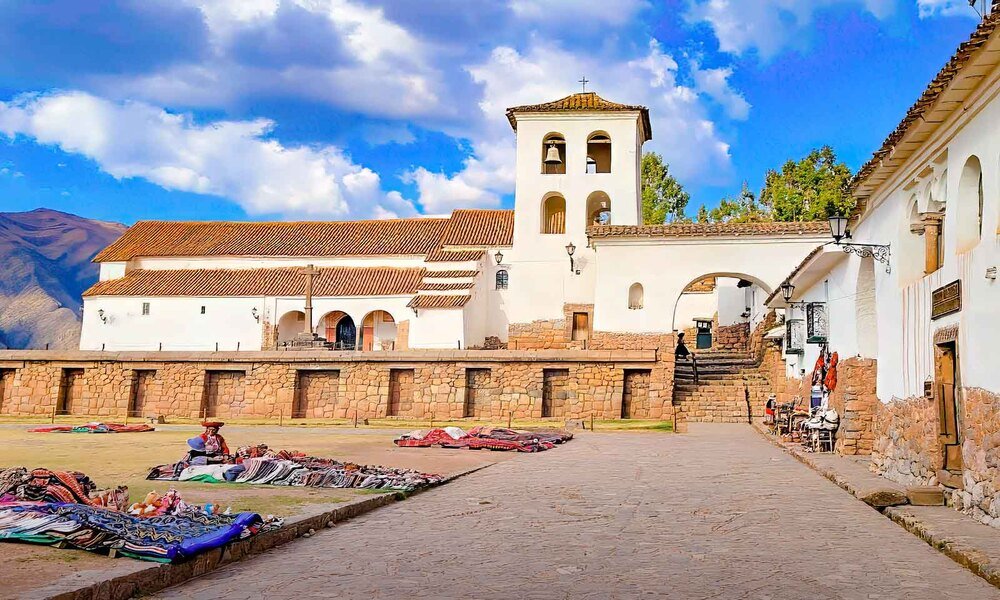
Chinchero is renowned for its traditional textiles and artisan workshops that preserve ancestral techniques. The Inca ruins and colonial church reflect the cultural fusion that characterizes the Andean region. It’s an ideal destination for those who want to learn about Andean weaving techniques, natural fiber dyeing, and the importance of textile art within the local identity. Furthermore, its market offers authentic and colorful products that delight visitors.
Moray y Maras:
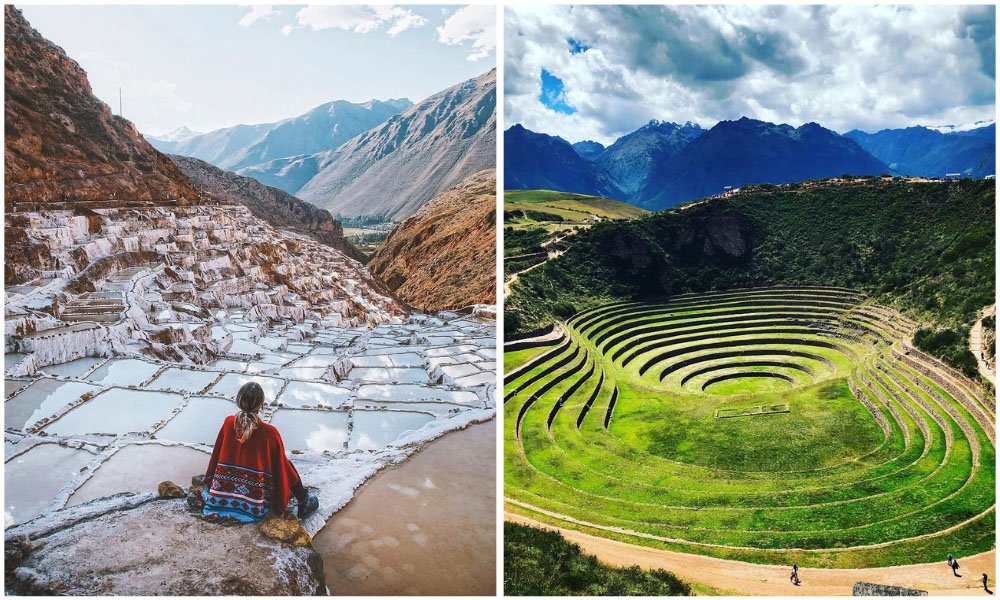
Moray is a fascinating archaeological site, known as an Inca agricultural laboratory due to its circular terraces that served to experiment with different crops and microclimates. Nearby are the Maras salt mines, a network of thousands of salt ponds dating back to pre-Inca times. The whiteness of the salt flats contrasts dramatically with the mountainous landscape, creating a unique view found nowhere else in the valley.
Otros lugares recomendables:
The Sacred Valley is also home to other destinations worth exploring. Urubamba, considered the heart of the valley, is ideal for lodging and enjoying excellent local cuisine. Meanwhile, Yucay and Calca are tranquil towns where visitors can experience Andean rural life, interact with locals, and enjoy a more relaxed and authentic pace of travel.
How many days to dedicate according to your travel style?
Options based on visit duration
1 day: This is only recommended if you have limited time and want to see the highlights. It usually includes Pisac (its ruins and market) and Ollantaytambo. This option is very quick and can be tiring, but it allows you to get a general overview of the valley.
2 days: This is the most balanced option. A full day can be dedicated to Pisac and its market, while the second day can be spent visiting Ollantaytambo and, time permitting, nearby sites such as Chinchero or Moray and Maras. It gives you the opportunity to enjoy the valley without feeling rushed.
3 days or more: Ideal for those who want to explore in depth. You can dedicate one day to each area: Pisac and its surroundings, Ollantaytambo with its impressive ruins and cobblestone streets, and a third day to visit Chinchero, Moray, and the Maras salt mines. There is also time for other activities.
Tips to Make the Most of Your Visit
Getting Around in Comfort:
To explore the Sacred Valley comfortably and make the most of your time, there are several options. You can book organized tours, use private transportation, or even rent a car. For those seeking freedom and flexibility, renting a vehicle is ideal, as it allows you to stop at panoramic viewpoints, explore less touristy towns, and organize your itinerary according to your own interests, without being tied to strict schedules.
Choosing the Right Season:
The time of year you visit the valley makes a big difference to the experience. The dry season, which runs from May to September, is the most recommended, as the paths and ruins are more accessible and rainfall is minimal. Avoiding the rainy season reduces the risk of difficulties getting around and allows you to enjoy clearer landscapes and outdoor activities without any problems.
Pace of Your Trip:
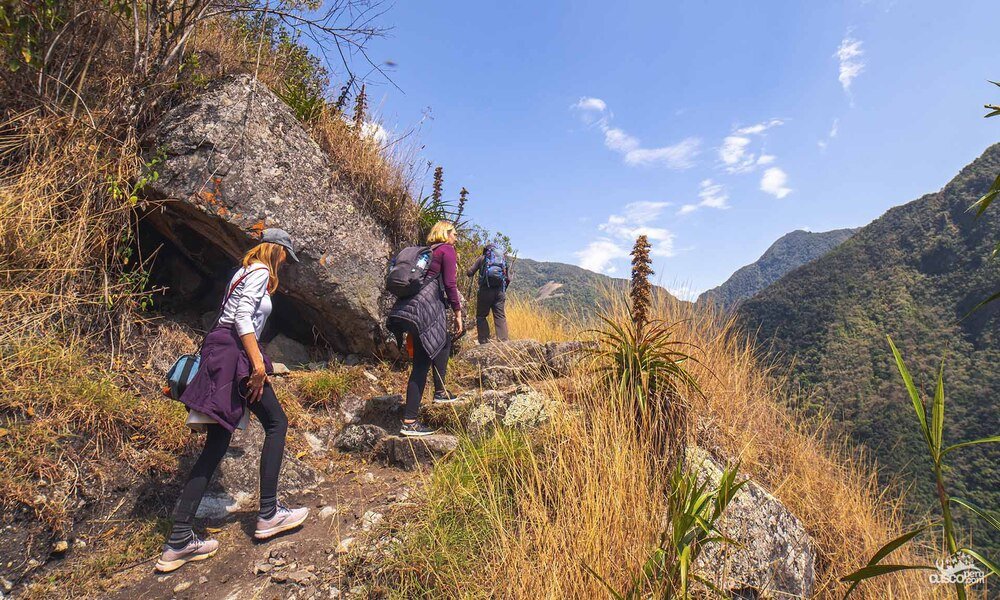
It’s important to plan your trip at a relaxed pace. Taking time to walk through the villages, talk to the locals, and observe daily life provides a much more authentic experience than simply visiting ruins. Living culture, gastronomy, and interaction with the community are essential parts of the Sacred Valley, allowing you to connect with the essence of the place on a deep level.
Strategic Accommodation:
Choosing the right accommodation can greatly enhance your visit to the valley. Pisac and Urubamba are excellent options for those seeking tranquility, proximity to nature, and delicious local cuisine. Ollantaytambo, on the other hand, is ideal for those planning to take the train to Machu Picchu, as it combines comfort with efficient logistics, reducing travel time and allowing you to make the most of your trip.
Experiences you can’t miss
Try the local food: trout from the Urubamba River, pachamanca and Andean fruit juices.
Buy textiles and handicrafts directly from the artisans.
Participate in traditional ceremonies or learn about Inca agriculture in Moray.
Enjoying sunrises and sunsets over the mountains is an experience that will stay in your memory.
Conclusion
There is no single “number of days” to explore the Sacred Valley: it all depends on what you are looking for.
1 day: For a quick look.
2 days: For a balanced and enjoyable tour.
3 days or more: For a complete and in-depth experience.
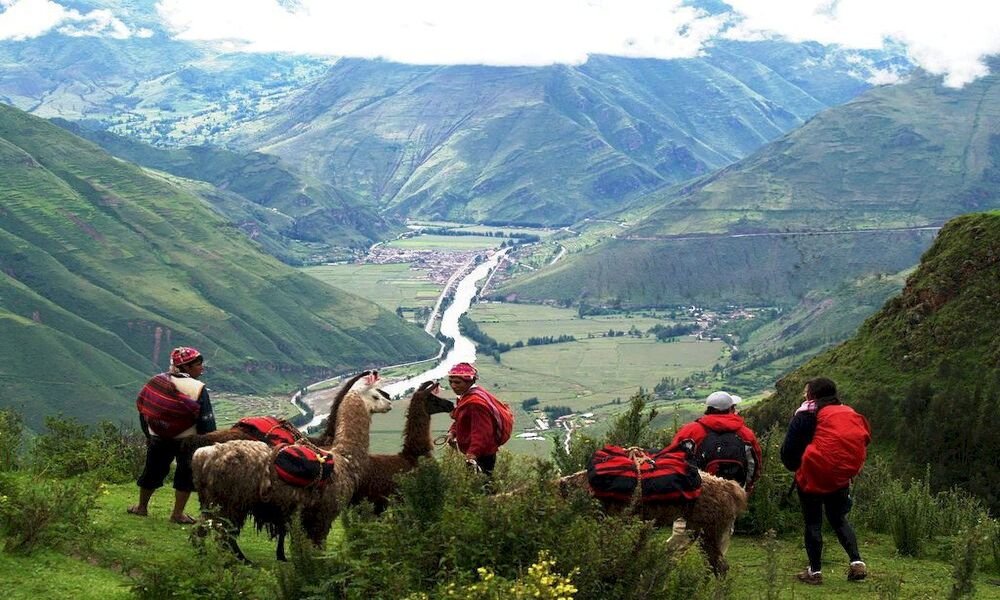
Spending enough time in the valley will allow you not only to explore ruins and landscapes, but also to connect with the living culture that makes it unique. Simply put: the more days you spend there, the more magical your trip will be.