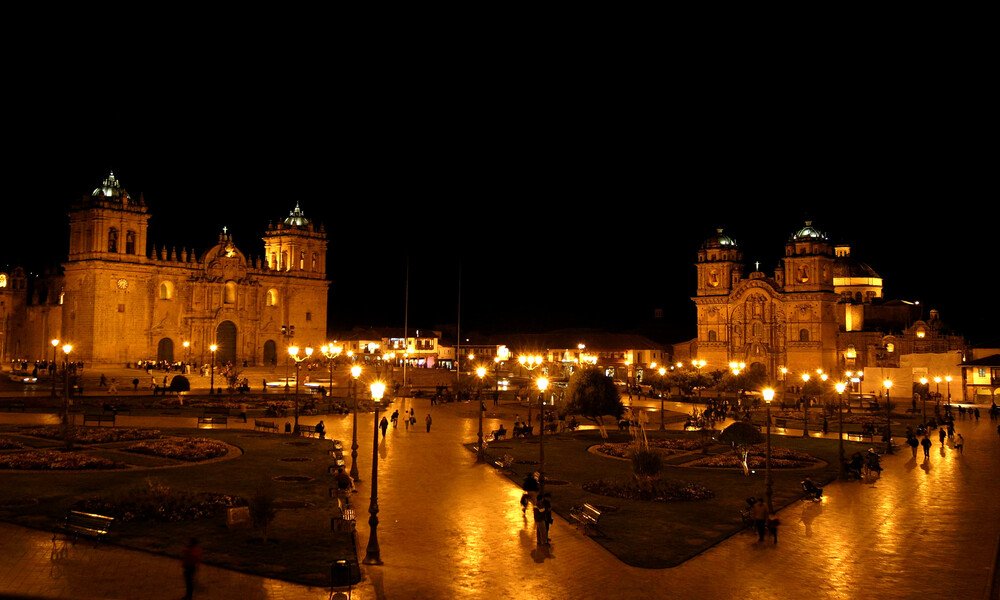
How to book and hike the INCA TRAIL
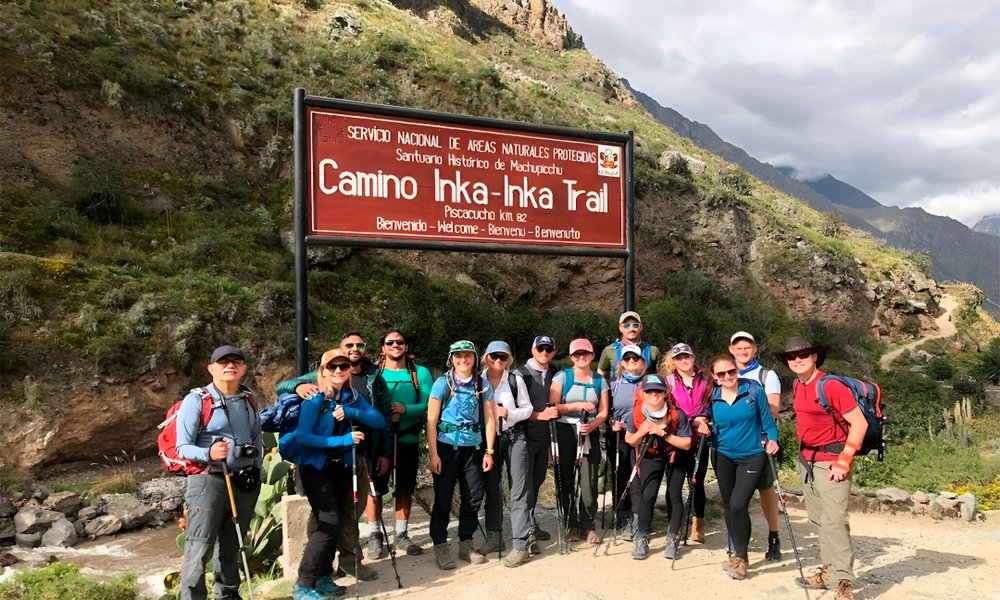
How to book and hike the Inca Trail is more than just a travel plan — it’s an adventure into the heart of the Andes, where history, culture, and nature meet. This legendary trail once connected the vast Inca Empire, guiding pilgrims through breathtaking landscapes toward the sacred city of Machu Picchu. Today, it remains one of the world’s most iconic hikes, offering travelers a chance to follow in the footsteps of ancient civilizations while experiencing the beauty of Peru’s highlands.
Every step along the trail reveals something extraordinary — snow-capped mountains, misty cloud forests, and mysterious stone ruins that whisper stories of the past. Booking the Inca Trail, however, requires early planning and careful preparation, as permits are limited and demand is high.
Therefore, understanding how to book and hike the Inca Trail properly ensures that your journey is smooth, sustainable, and unforgettable. From securing your permit and choosing an ethical operator to hiking through remote passes and finally arriving at Machu Picchu at sunrise, this guide will walk you through every detail you need to make your Inca Trail dream a reality.
How to Book the Inca Trail
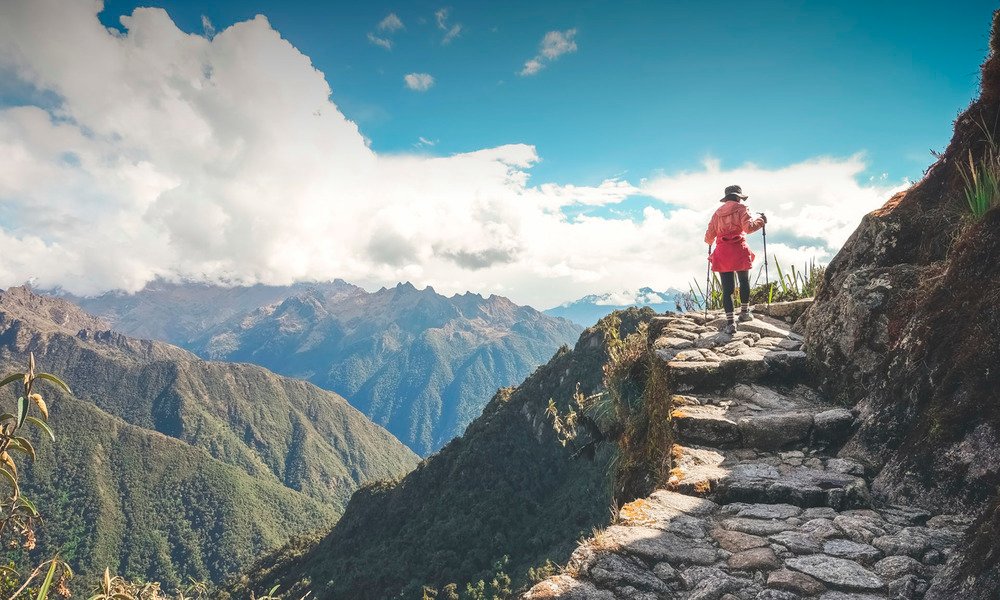
How to book and hike the Inca Trail is one of the most common questions for travelers heading to Machu Picchu. The Inca Trail is not only a journey through stunning Andean landscapes but also a walk through history. Because the trail is protected by the Peruvian government, only a limited number of permits are released each day. Therefore, careful planning is essential if you want to secure your spot and enjoy this unforgettable adventure.
Step 1: Plan Ahead and Book Early
To successfully book the Inca Trail, early preparation is the key. The Peruvian authorities issue 500 permits per day, and this number includes both tourists and guides. For that reason, it’s highly recommended to book your trek 4–6 months in advance, especially if you’re planning to hike during the peak season (May to September).
If you prefer fewer crowds and a more peaceful experience, consider the shoulder months (April and October). These months still offer great weather and slightly easier availability.
Transitional tip: In addition, the trail closes every February for maintenance, so make sure your travel plans avoid that period.
Step 2: Choose an Authorized Tour Operator
The Peruvian government allows only licensed operators to organize the Inca Trail. When choosing one, look for:
- Official authorization from the Ministry of Culture.
- Good reviews and ethical treatment of porters.
- Small groups for a more personal experience.
- Packages that include permits, transport, meals, camping gear, and guides.
A reliable company will handle all your logistics, including applying for your Inca Trail permit, which is issued under your passport number. Always double-check that your name and passport details are correct, as mistakes cannot be corrected later.
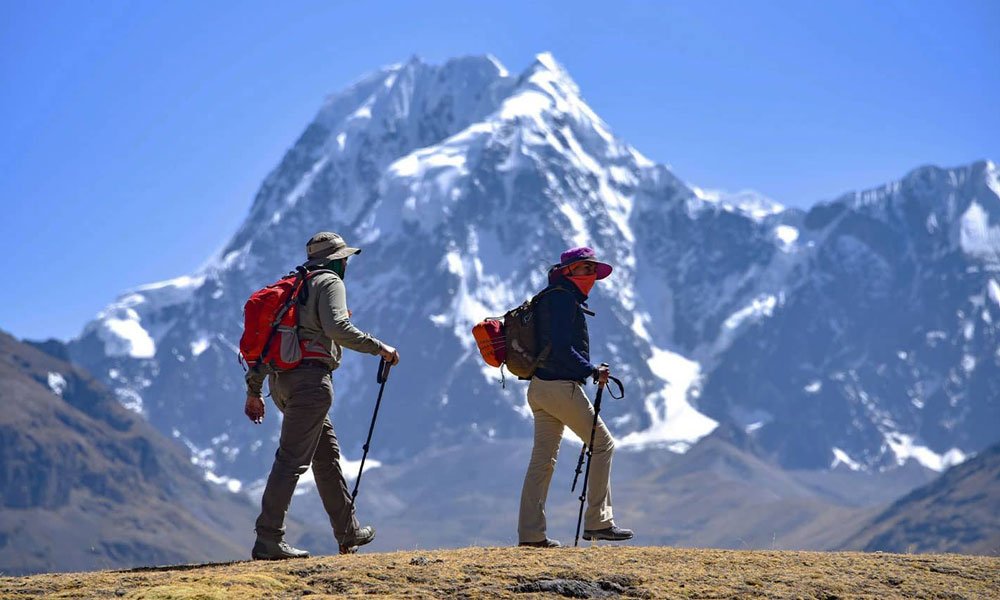
Step 3: Secure Your Permit and Payment
Once your tour operator confirms availability, you’ll need to provide your passport details and pay a non-refundable deposit (usually around 50% of the tour cost). The operator will then purchase your permit in your name.
Transitional note: Remember, these permits cannot be transferred or changed. If your passport expires, you must bring both your old and new passports to the trek.
After your booking is confirmed, your operator will send you a detailed itinerary and packing checklist so that you can prepare properly for the hike.
Step 4: Confirm Your Dates and Travel Plans
Since the Inca Trail permits are tied to specific dates, always double-check your travel arrangements. Ideally, plan to arrive in Cusco at least two days before your trek begins. This will help you acclimatize to the altitude (3,400 m / 11,150 ft) and reduce the risk of altitude sickness.
You can spend those days exploring the Sacred Valley, Pisac, or Sacsayhuamán, all of which provide a taste of the Inca heritage while you prepare for your adventure.
Preparing for the Inca Trail Hike
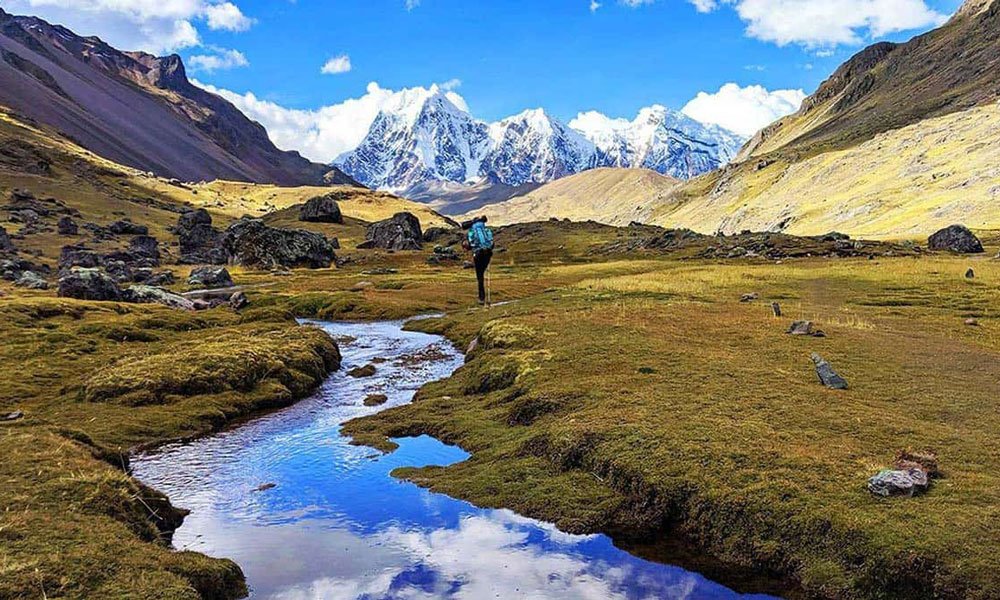
Once you know how to book and hike the Inca Trail, the next important step is preparing properly. The Inca Trail is one of the most beautiful but also most demanding treks in South America. Therefore, physical training, smart packing, and understanding the altitude are key to enjoying the experience. Preparation not only makes the hike safer but also allows you to appreciate every step of this sacred path.
Step 1: Physical Preparation
Training before your Inca Trail hike will help you adapt to its steep ascents, uneven paths, and high-altitude passes. The trek covers around 43 km (26 miles), reaching altitudes up to 4,215 m (13,828 ft) at Dead Woman’s Pass.
To prepare effectively:
- Start training 2–3 months in advance. Include hiking, jogging, or cycling several times a week to build endurance.
- Practice uphill walking with a loaded backpack to simulate trail conditions.
- Stay hydrated and eat healthy foods rich in carbohydrates for energy.
In addition, spending two days in Cusco before your trek helps your body adjust to the altitude and reduces the risk of altitude sickness.
Step 2: Smart Packing
Packing light but wisely is crucial when hiking the Inca Trail. Although porters will carry most of the equipment, you will need a small daypack for essentials.
Bring:
- Comfortable hiking boots (already worn-in).
- Light layers of clothing, including a rain jacket, as the weather changes quickly.
- Sun protection: sunscreen, hat, and sunglasses.
- Reusable water bottle or hydration bladder to reduce plastic use.
- Sleeping bag suitable for cold nights in the Andes.
Moreover, keep your passport and Inca Trail permit easily accessible; you’ll need to show them at control points.
Step 3: Health and Safety on the Trail
Health and safety must always come first when you book and hike the Inca Trail. The trek’s altitude can cause dizziness or fatigue, so move slowly and take breaks when necessary.
- Acclimatize in Cusco before the hike.
- Drink coca tea, a traditional Andean remedy that helps with altitude.
- Bring medication for headaches and motion sickness.
- Have travel insurance that includes medical evacuation.
Finally, remember that the Inca Trail is more than a hike—it’s a spiritual journey through history. Respect the environment, follow your guide’s instructions, and carry out all trash to preserve the path for future travelers.
During the Hike: What to Expect on the Trail
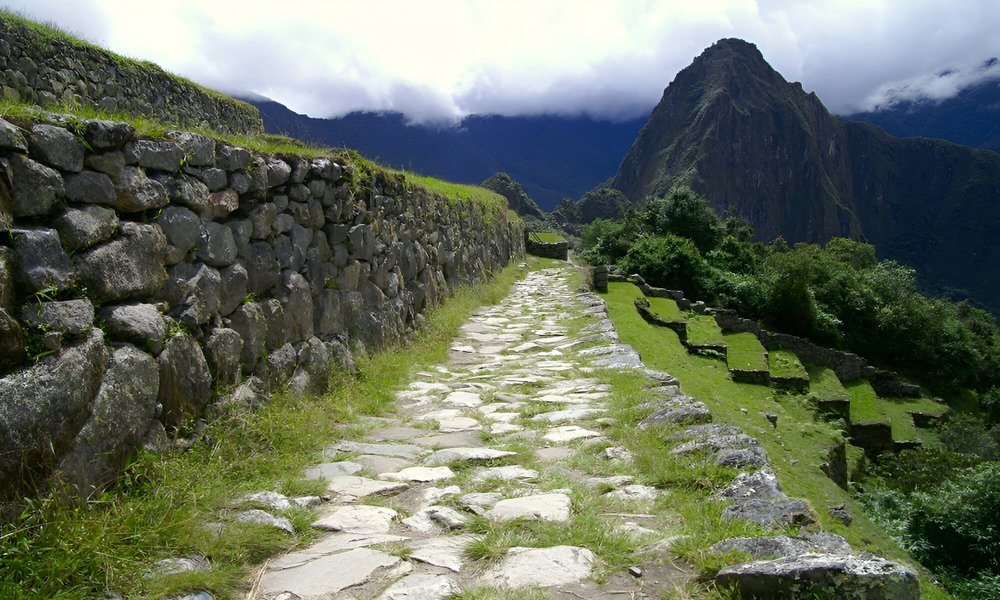
After you book and hike the Inca Trail, the real adventure begins. The four-day journey is not just a trek through the Andes—it’s a walk through ancient history, breathtaking landscapes, and Inca engineering wonders. Each day brings new challenges and rewards, blending nature, culture, and the legacy of the Inca civilization.
Day-by-Day Overview
- Day 1 – Easy Start and Acclimatization:
Your journey begins with a gentle hike through small Andean villages and farmlands. The first day is designed for acclimatization, letting you enjoy the scenic views of the Urubamba River and explore the first archaeological site, Llactapata. - Day 2 – The Challenge of Dead Woman’s Pass:
This is the most difficult day, as the trail climbs steeply to Warmiwañusca Pass (4,215 m / 13,828 ft). However, once you reach the top, you’ll be rewarded with a breathtaking panoramic view of the Andes. Therefore, take your time, hydrate, and rest frequently to adjust to the altitude. - Day 3 – Ancient Ruins and Cloud Forests:
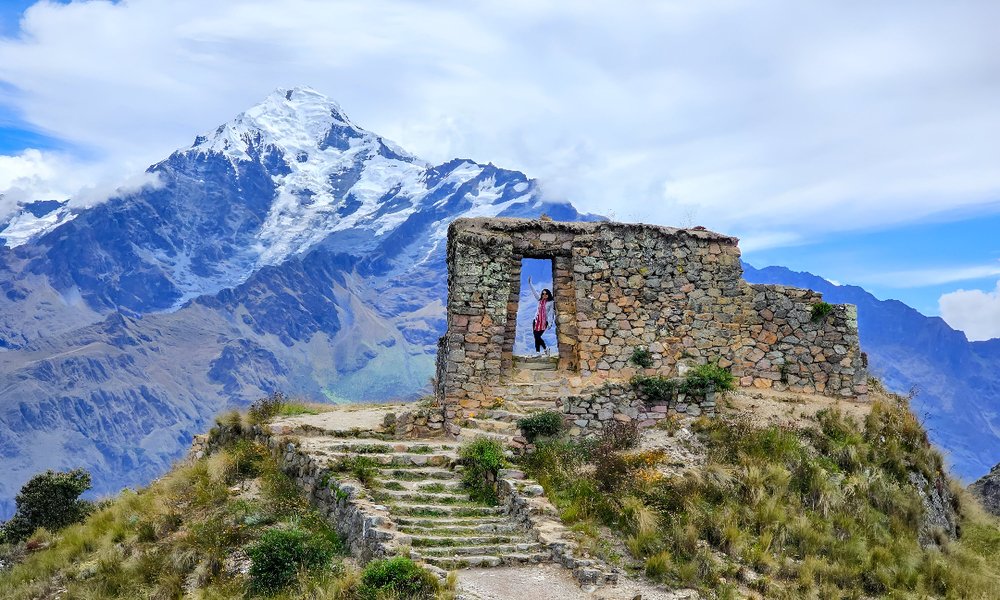
This section is both beautiful and cultural. You’ll walk through lush cloud forests, stone paths, and several Inca ruins such as Runkurakay, Sayacmarca, and Phuyupatamarca. Each ruin reveals a part of Inca life and their deep respect for nature. In addition, this day offers the most diverse landscapes and wildlife sightings. - Day 4 – Arrival at Machu Picchu:
You’ll wake up early to reach the Sun Gate (Inti Punku) before sunrise. As the first light touches the lost city, Machu Picchu appears majestically below you—a sight that makes every step of the journey worth it. Finally, your guide will take you on a detailed tour of the citadel, explaining its history, temples, and spiritual significance.
Meals and Campsites
One of the best parts of the Inca Trail experience is the food. Professional cooks prepare delicious Peruvian dishes every day, often using local ingredients like potatoes, quinoa, and corn. Moreover, vegetarian and vegan options are usually available upon request.
The campsites along the trail—such as Pacaymayo and Wiñaywayna—are carefully chosen by your operator for safety and comfort. Tents, sleeping mats, and hot meals await you after each day’s hike, giving you a well-deserved rest under the stars.
Scenery and Wildlife
Throughout the trek, you’ll cross several ecosystems, from high Andean peaks to tropical cloud forests. Expect to see orchids, hummingbirds, and maybe even the elusive Andean spectacled bear.
Therefore, always respect the environment—avoid littering and follow your guide’s sustainability instructions. Preserving the trail ensures that future generations can continue to book and hike the Inca Trail responsibly.
Tips for a Successful and Sustainable Trek
Knowing how to book and hike the Inca Trail is just the beginning—making the experience successful, comfortable, and sustainable requires preparation and awareness. The Inca Trail is a sacred path, and responsible trekking ensures its preservation for future generations. Below are practical and eco-friendly tips to make your adventure both memorable and respectful.
Travel Responsibly
When hiking through ancient Inca paths, respect is key. The trail passes through communities that still maintain traditional Andean lifestyles.
- Follow your guide’s instructions and avoid entering restricted areas.
- Do not pick plants or flowers, as many species are protected.
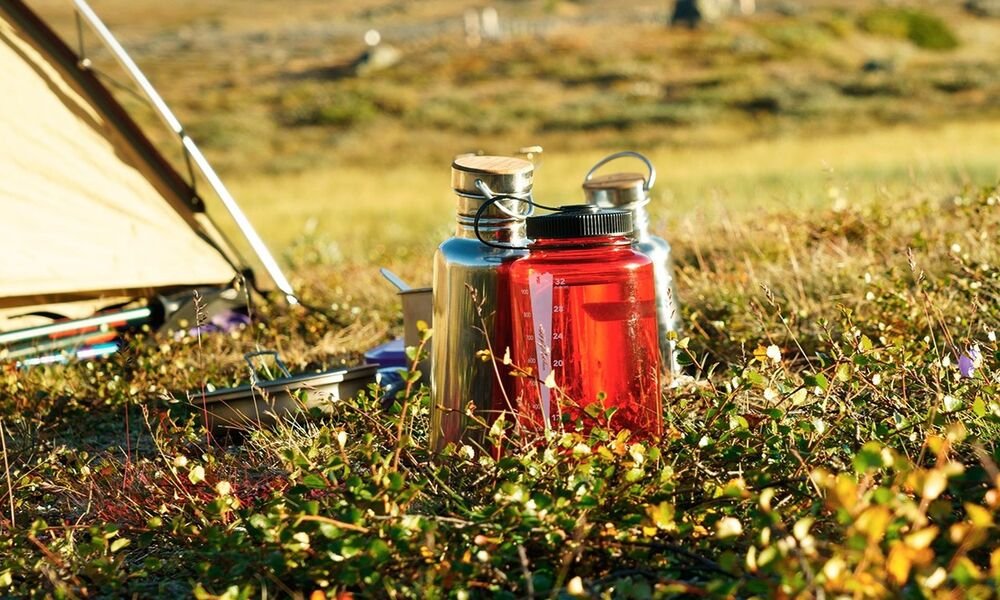
- Carry reusable bottles and utensils instead of plastic.
Moreover, support local economies by buying handmade crafts or snacks directly from community members along the trail. Your contribution helps preserve cultural traditions.
Take Care of the Porters
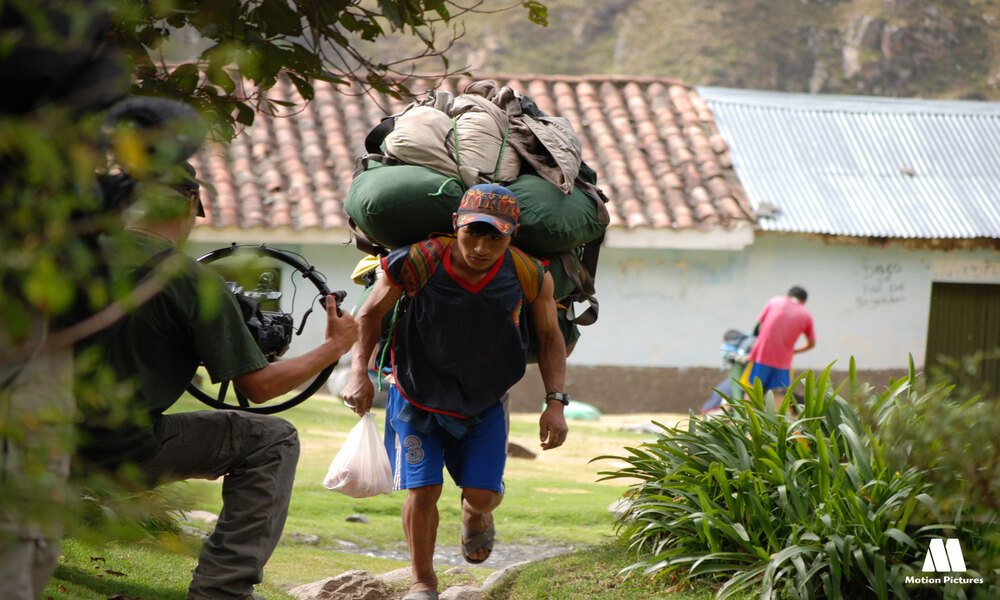
Porters are the heart of the Inca Trail experience. They carry your tents, meals, and equipment—allowing you to enjoy the hike. Therefore, treat them with kindness and gratitude.
Good practices:
- Choose companies with ethical porter policies (fair wages, limited loads, and proper gear).
- Pack light to avoid exceeding weight limits.
- Tip generously, as porters’ hard work makes the journey possible.
In addition, learning a few Quechua phrases such as “Sulpayki” (thank you) creates a genuine connection and shows appreciation for their culture.
Leave No Trace
Sustainability on the Inca Trail starts with personal responsibility.
Always follow the principle of Leave No Trace:
- Pack out everything you bring in.
- Use the portable toilets provided at campsites.
- Avoid littering and never carve on stones or ruins.
Finally, walking lightly and respecting the silence of the mountains honors the Inca belief that nature (Pachamama) is sacred.
Personal Comfort and Motivation
Beyond eco-consciousness, personal comfort matters. Wear comfortable hiking shoes, carry light snacks for energy, and dress in layers for changing weather conditions.
Furthermore, remind yourself why you came—to walk in the footsteps of the Incas, surrounded by breathtaking landscapes and centuries of history. Every step connects you to an ancient civilization that mastered balance between humans and nature.
After the Hike — Visiting Machu Picchu and Beyond
Completing the Inca Trail is an extraordinary achievement. Once you book and hike the Inca Trail, the final destination—Machu Picchu—awaits you like a dream carved in stone. Yet, your journey doesn’t have to end there. Visiting the citadel and exploring nearby destinations can deepen your understanding of the Inca legacy and enrich your travel experience.
The Reward: Machu Picchu at Sunrise
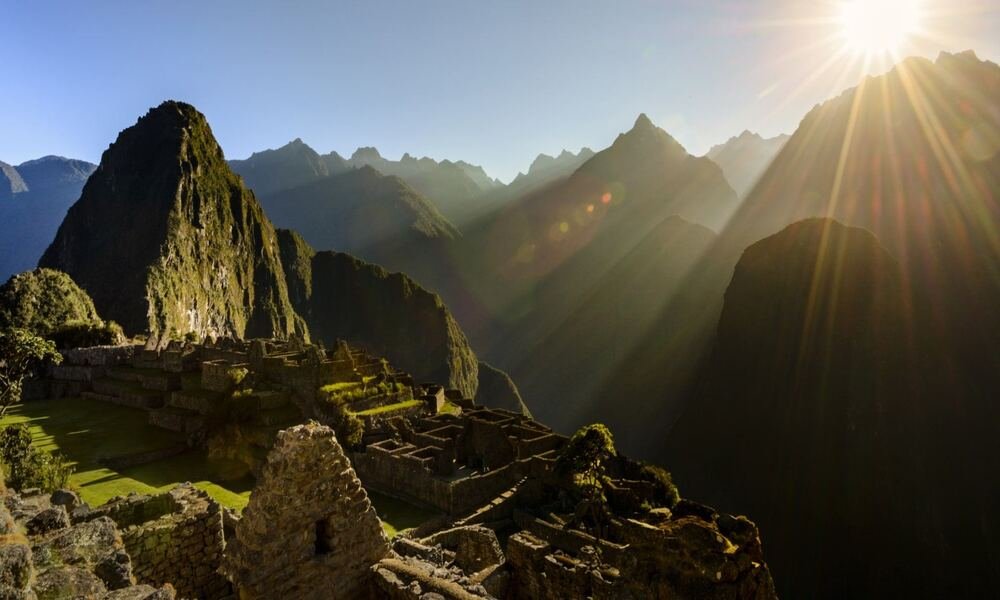
Arriving at Inti Punku (Sun Gate) at dawn is one of the most emotional moments of the entire trek. As the first golden rays illuminate the citadel, the Lost City of the Incas emerges from the morning mist, offering a view that few experiences on earth can match.
Your guide will lead a two-hour tour through Machu Picchu’s most significant landmarks:
- The Temple of the Sun — aligned with the solstices, honoring Inti, the Sun God.
- The Sacred Plaza — where rituals and astronomical observations were performed.
- The Temple of the Condor — symbolizing the connection between the heavens and the earth.
Moreover, you can climb Huayna Picchu or Machu Picchu Mountain for panoramic views of the valley and surrounding peaks (advanced booking required).
Exploring Beyond Machu Picchu
Even after finishing the trek, there’s much more to discover around Cusco and the Sacred Valley. Therefore, extend your trip for a few extra days to explore other Inca sites that complete the story of this ancient empire.
Recommended post-trail experiences:
- Aguas Calientes Hot Springs: Perfect for relaxing sore muscles after the hike.
- Sacred Valley: Visit Ollantaytambo, Pisac, and Chinchero for their markets and ruins.
- Cusco City Tour: Walk through colonial streets built upon Inca foundations, including Sacsayhuamán and Qorikancha.
In addition, visiting these places helps you appreciate how the Inca civilization’s engineering, spirituality, and architecture continue to shape modern Peru.
Reflecting on the Journey
After days of hiking, sharing meals, and witnessing spectacular views, many travelers describe the Inca Trail as a transformative experience. It’s not just about reaching Machu Picchu—it’s about the people, the culture, and the lessons of harmony with nature that the journey teaches.
Finally, remember to keep a journal or photos to capture your memories. Each sunrise, smile, and step on the trail becomes part of a personal story that connects you forever with the spirit of the Andes.