How to get around Cusco? Transportation for tourists
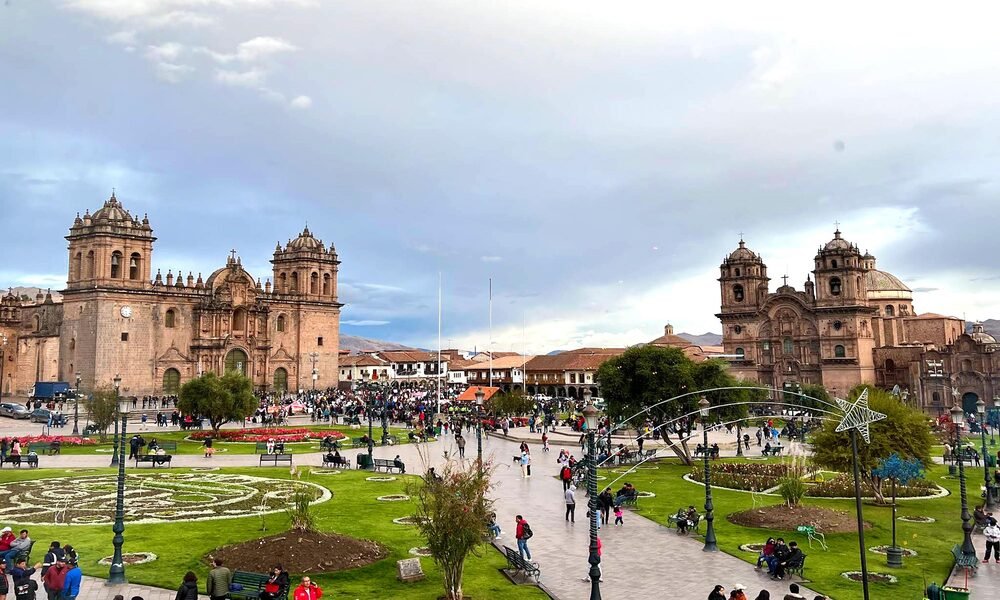
Knowing how to get around Cusco is essential to making the most of your trip. The city combines narrow colonial streets, modern areas, and neighborhoods located in elevated locations. Therefore, choosing the right mode of transport enhances the visitor experience.
Cusco receives thousands of tourists every year. Many are first-time visitors and unfamiliar with the city’s layout. Some attractions are located near the Historic Center, while others are in more distant districts. This makes careful planning of your trips essential.
There are several transportation options in the city. Visitors can walk around the city center, take a taxi, or use public transportation. Each option has advantages depending on the distance, budget, and time available.
Furthermore, Cusco’s altitude affects mobility. Walking long distances can be tiring during the first few days. Therefore, it’s important to know the available options and choose the most convenient one.
Walking in Cusco is the most practical way to get around the Historic Center

Walking is one of the best ways to get around Cusco, especially within the Historic Center. Most tourist attractions are within easy walking distance of each other, allowing you to explore the city without needing motorized transport.
The Plaza de Armas, colonial churches, museums, restaurants, and artisan shops are all concentrated in one area. Therefore, many tourists choose to explore on foot during the day. This option not only reduces costs but also allows for a better appreciation of the architecture and cultural atmosphere.
However, not all the streets are flat. Cusco has steep slopes and cobblestone streets. Furthermore, the altitude can cause fatigue during the first few days of acclimatization.
Advantages of walking in the Historic Center
One of the main advantages of walking is the proximity of the attractions. From the Plaza de Armas, you can reach Qoricancha, the San Blas neighborhood, or various museums in just a few minutes. This makes planning your daily itinerary much easier.
Walking also allows you to discover details that often go unnoticed from a vehicle. Visitors can observe colonial balconies, Inca walls, and small traditional plazas. This experience enriches their connection with local history and culture.
Another important advantage is the cost savings. There’s no need to pay for taxis for short trips. This is especially beneficial for backpackers and students looking to cut costs.
Furthermore, walking improves orientation in the city. Tourists learn to find their way around and recognize main streets more easily. This provides greater safety and independence during their trip.
Difficulties and recommendations when traveling on foot
While walking is convenient, it also presents some challenges. Cusco is located at over 3,300 meters above sea level. The altitude can cause fatigue, especially on the first day or two.
The cobblestone streets and steep slopes can be challenging. For example, access to the San Blas neighborhood involves a constant climb. This can be difficult for elderly people or those carrying heavy luggage.
It’s also important to consider the weather. During the rainy season, some streets can become slippery. Therefore, it’s recommended to wear comfortable, non-slip shoes.
Another recommendation is to walk slowly during the first few days. It’s best to take short walks while your body adjusts to the altitude. This way, you’ll avoid exhaustion and enjoy the experience more.
In conclusion, walking is the most practical and economical way to get around the Historic Center of Cusco. However, it is necessary to consider the altitude, the terrain, and the traveler’s physical condition.
Getting around by taxi in Cusco, a quick and affordable option
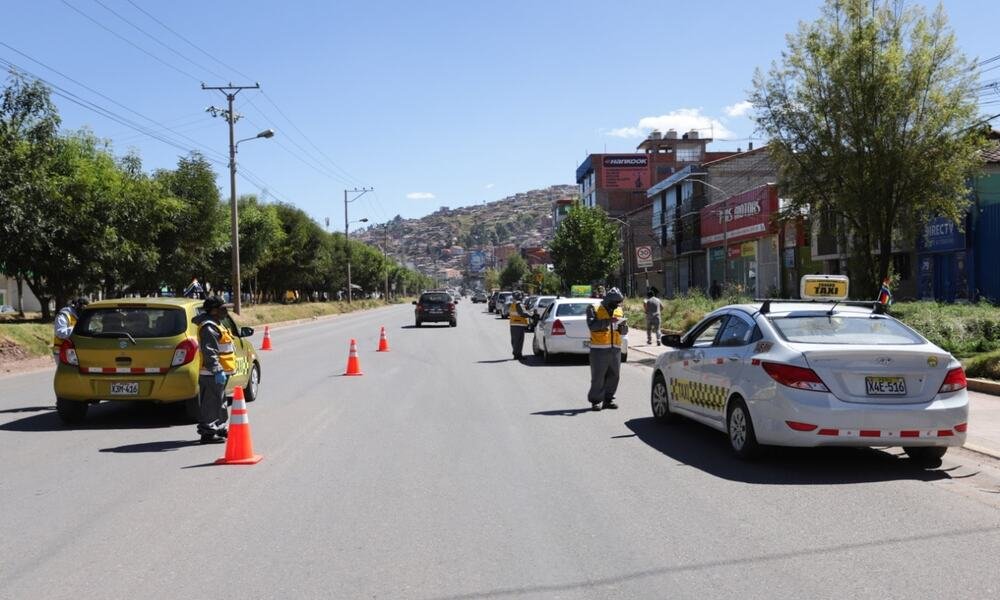
Taxis are one of the most common ways to get around Cusco . Both tourists and residents use this mode of transport for quick and direct travel. It’s a practical alternative when the distance is greater or when visitors are feeling tired from the altitude.
Compared to other large cities, taxi service in Cusco is relatively inexpensive. Most taxis don’t have meters, so the price is agreed upon before the trip begins. This means passengers should ask about the fare in advance.
Taxis are especially useful for reaching areas far from the Historic Center, such as Wanchaq or the airport. They are also recommended when visitors have luggage or are returning to their hotels late.
Advantages and costs of taxi service
One of the main advantages of taxis is speed. A ride within the city usually takes between 10 and 20 minutes, depending on traffic. This saves time when you have a tight schedule.
Another important advantage is comfort. Visitors avoid walking long distances on cobblestone streets or steep slopes. This is helpful during the first few days of acclimatization to the altitude.
Taxi fares in the city center are generally affordable. For example, a short trip can be moderately priced compared to other tourist cities. However, the price can vary depending on the time of day, distance, and prior negotiation.
There are also mobile apps that offer greater security and price information. Some hotels can arrange for trusted taxis for their guests.
Safety and recommendations when using taxis in Cusco
While taxis are generally a safe option, it’s important to take some precautions. It’s recommended to use licensed taxis or arrange one through your hotel. It’s also advisable to avoid vehicles without visible identification.
The passenger should agree on the price before getting into the taxi. This avoids misunderstandings at the end of the journey. If the driver quotes a high price, it’s possible to negotiate or find another taxi.
At night, a taxi is a safer option than walking in deserted areas. However, it’s always advisable to share your route information with a companion.
Another important aspect is rush hour traffic. At certain times of day, some avenues can become congested. Therefore, you should leave early if you have a tour or flight scheduled.
In conclusion, taxis are a fast, comfortable, and relatively inexpensive way to get around Cusco. They are ideal for longer journeys, transporting luggage, or traveling at night.
Public transport in Cusco, the most economical option for long journeys
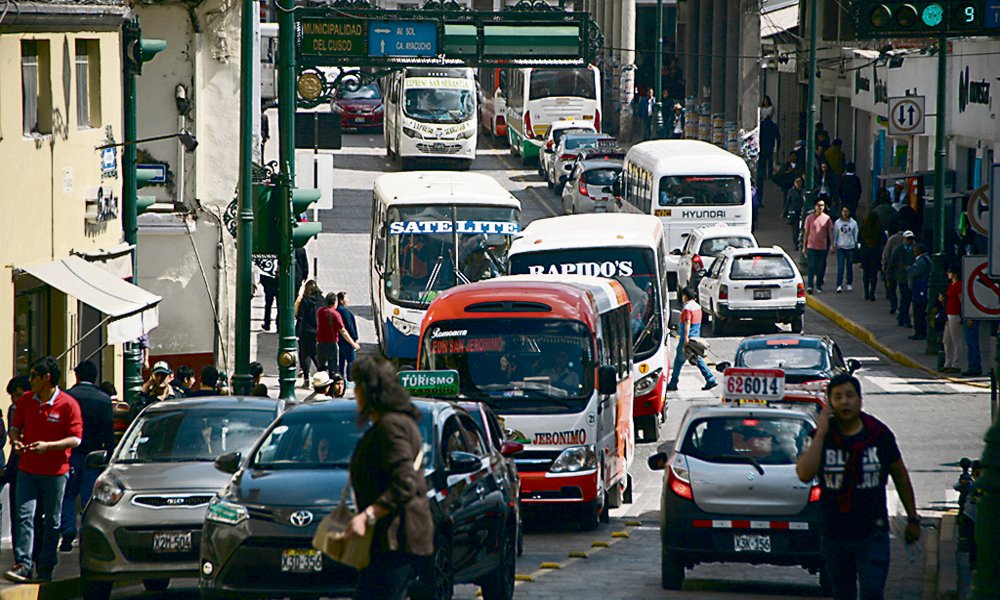
Public transportation is an economical way to get around Cusco, especially to areas further from the Historic Center. It consists mainly of city buses and minibuses that travel along different avenues and through various districts of the city.
This system is primarily used by local residents. However, some tourists also choose this option when they want to reduce expenses or travel to specific areas such as markets, bus terminals, or outlying neighborhoods.
Unlike taxis, public transport doesn’t operate on direct tourist routes. Its routes are based on local needs. Therefore, it can be confusing for visitors unfamiliar with the city.
Economic advantages and urban coverage
The main advantage of public transport is its low cost. Fares are usually affordable compared to taxis. This makes it a convenient alternative for travelers on a budget.
Buses and minibuses travel along main avenues such as Cultura and Ejército. These routes connect districts like Wanchaq, Santiago, and other residential areas. Therefore, they are useful when the destination is outside the Historic Center.
Another advantage is the frequency. Several buses run on many avenues throughout the day. This reduces waiting times compared to other urban services.
However, it’s important to know that public transportation doesn’t go directly into the narrow streets of the Historic Center. In some cases, passengers may have to walk a few minutes to reach their final destination.
Difficulties and recommendations for tourists
Although public transport is inexpensive, it has some limitations for visitors. Routes are not always clearly marked. Furthermore, conductors announce destinations quickly, which can make it difficult to understand.
During peak hours, the buses can be overcrowded. This reduces comfort, especially for passengers with luggage. There is also no unified digital system for checking schedules and routes.
For a tourist visiting Cusco for just a few days, public transportation might not be the most practical option. However, it can be useful for specific trips, such as going to local markets or less touristy areas.
It is recommended to ask hotel staff or local residents for directions beforehand. It is also important to carry coins or small bills to pay for the fare.
In conclusion, public transportation is the most economical way to get around Cusco, but it requires more guidance and patience. It’s more convenient for longer stays or for travelers who want to experience the city from a more local perspective.
What is the best way to get around in Cusco?
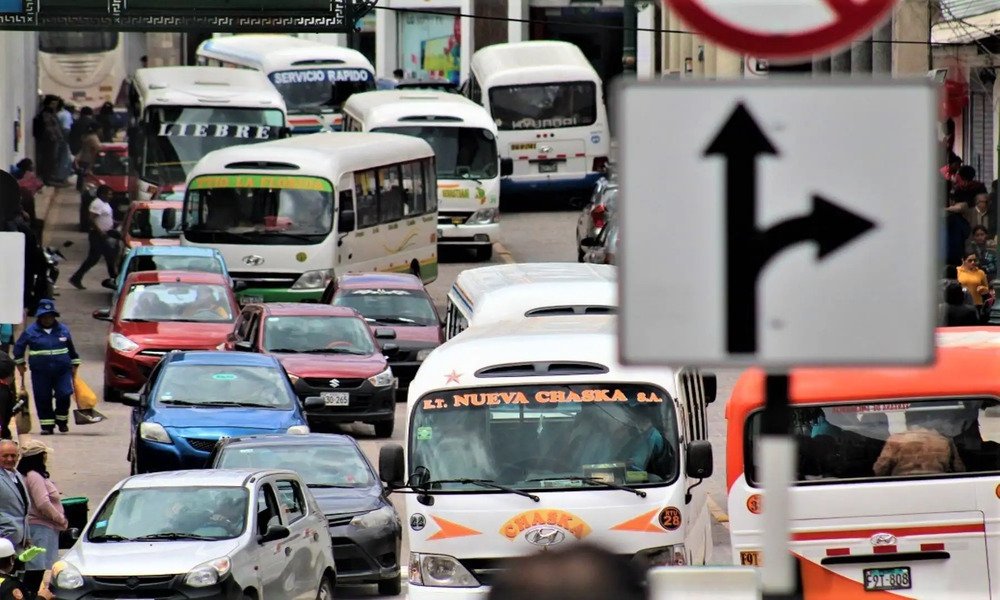
After analyzing the main transportation options in Cusco—walking, taxis, and public transport—it’s important to compare them to determine which is most convenient for each situation. There isn’t a single ideal mode of transport for every case. The best choice will depend on the time available, the budget, the distance, and the visitor’s physical condition.
Cusco is a tourist city with unique characteristics. Its Historic Center concentrates many attractions in a small area, but there are also outlying areas that require transportation. Furthermore, the altitude affects the traveler’s physical stamina. Therefore, the decision should be adapted to each stage of the trip.
Best option based on time and distance
When visitors are in the Historic Center and want to explore nearby attractions, walking is the best option. It saves money and allows you to enjoy the cultural surroundings. It also provides easy access to streets where vehicles are not allowed.
If the distance is greater or time is limited, a taxi becomes the most practical option. For example, to get to the airport, the train station, or districts like Wanchaq, a taxi offers speed and comfort.
For longer journeys to residential areas or local markets, public transport can be convenient due to its low cost. However, it requires more guidance and patience.
In summary, for short journeys: walk.
For medium or urgent journeys: taxi .
For long and economical journeys: public transport.
Best option according to the traveler’s profile
The traveler’s profile also influences the decision. A young backpacker might choose to walk or use public transport to reduce costs. In contrast, a family with young children might prefer a taxi for greater convenience.
Older people or those newly arrived in Cusco may find it more comfortable to use taxis during the first few days. The altitude can cause fatigue, so avoiding long walks is advisable.
For travelers seeking a more authentic experience and contact with local life, public transport can offer a different perspective of the city. However, they should research the routes thoroughly.
In conclusion, there isn’t just one best way to get around Cusco. The combination of walking, taxis, and public transportation allows you to adapt to your needs. Planning your trips helps optimize your time, budget, and energy during your stay.