


Is it worth buying eSIM or local chip?
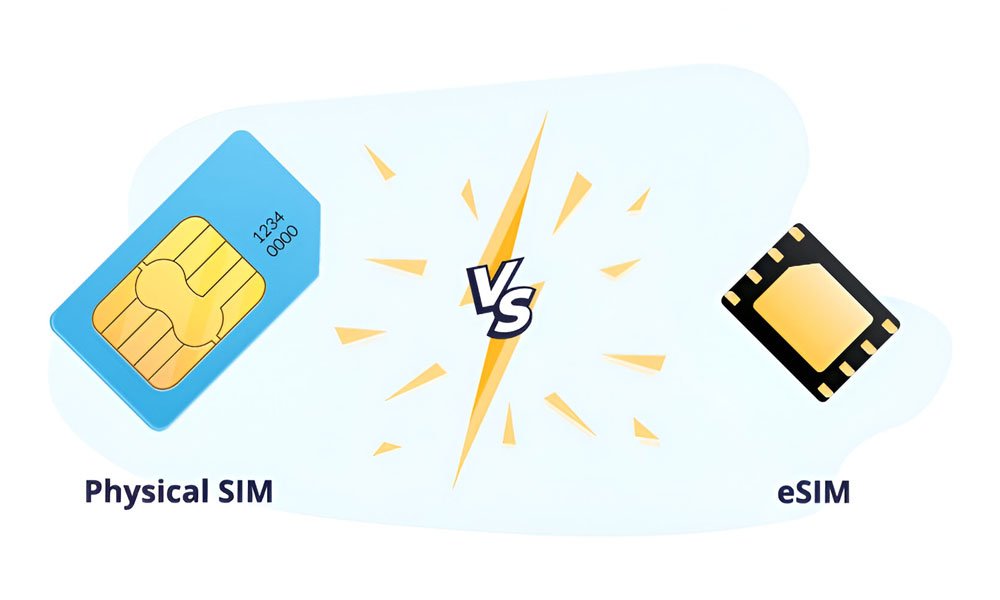
Should you buy an eSIM or a local SIM card (carriers, coverage, cost)?
Traveling to Lima—or anywhere in Peru—means staying connected. Whether it’s for using maps, ordering Ubers, checking tour schedules, or simply keeping in touch with family, having internet access from day one is practically essential. That’s why many travelers wonder: is it better to buy an eSIM before the trip or a physical SIM card upon arrival?
The answer depends on your travel style, your budget, and how comfortable you feel setting up your own mobile service. Here, I’ll explain everything in a simple, user-friendly way, without complicated technical jargon, so you can choose the best option.
What’s better for travelers: an eSIM or a local SIM card?
Practically speaking, both options work well in Peru, but each has clear advantages depending on your needs.
An eSIM is ideal if you want internet access from the moment you land. A local SIM card is better if you want lower prices and good coverage.
Let’s break it down.
Advantages of buying an eSIM before traveling
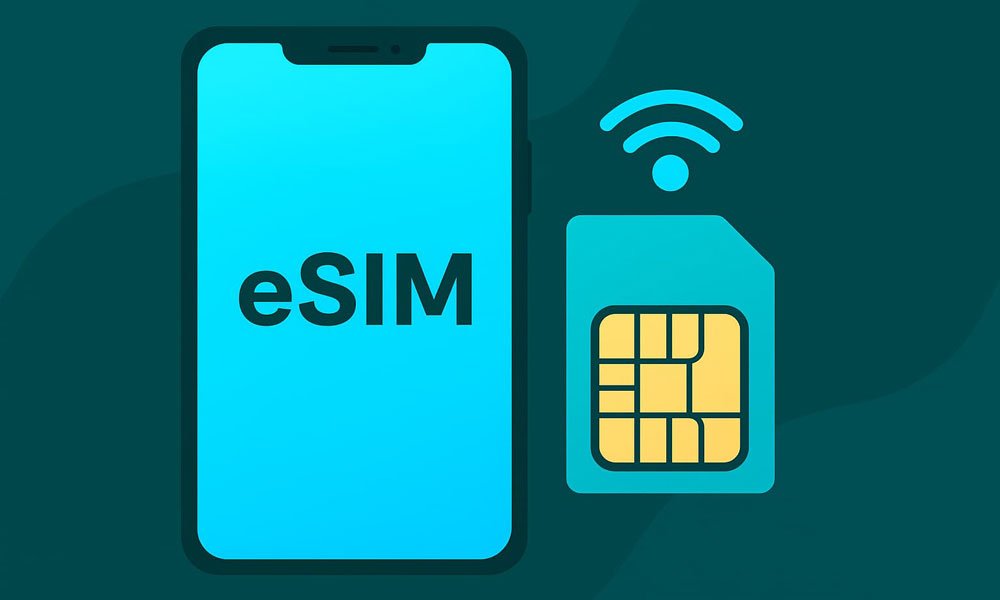
An eSIM lets you arrive in Peru with internet access from the moment you land. You don’t have to look for stores or wait in lines, and the process is usually very simple.
Main benefits:
- You activate it from your phone before traveling.
- You have a signal as soon as you land.
- Ideal if you need Uber, WhatsApp, or maps immediately.
- You don’t change your personal number.
- You don’t lose your physical SIM card.
Ideal for:
- Travelers who don’t want any hassle.
- People arriving in the early morning or with little time.
- Travelers visiting several countries on the same trip.
Disadvantages:
- They tend to be more expensive than a local SIM card.
- They depend on the coverage of international operators, which isn’t always the best in rural areas.
Advantages of buying a local SIM card in Peru
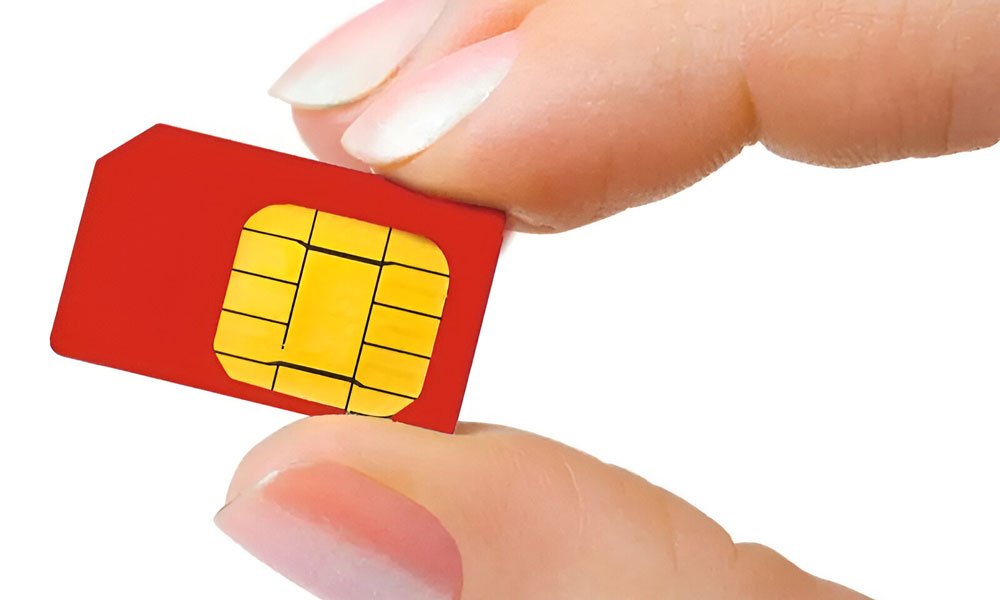
Buying a local SIM card is usually the most economical option with the best coverage within the country. Peru has several carriers, and all of them work well in urban areas.
Benefits:
- Plans are inexpensive.
- They offer a lot of data for a low cost.
- Excellent signal in Lima and major cities.
- Perfect if you’re staying for several days or weeks.
Ideal for:
- Backpackers
- Travelers who will explore beyond Lima
- People looking to save money
Disadvantages:
- You have to go to a physical store.
- Sometimes they ask to see your passport.
- There can be lines at the airport.
Which carriers work best in Peru?
Peru has four main carriers. They all work well in Lima, but some have better signal outside the city.
1) Claro
- The network with the best overall coverage.
- It works very well in Lima, Cusco, and almost the entire country.
- Ideal for travelers visiting the jungle, coast, and highlands.
2) Movistar
- Good coverage in large cities.
- Somewhat inconsistent in rural areas or on highways.
- Internet speeds vary.
3) Entel
- Excellent speed in Lima.
- Very good for urban use.
- Good experience with ride-hailing apps.
4) Bitel
The most economical option.
Acceptable signal in cities.
Not recommended for remote areas.

How much does an eSIM cost vs. a local SIM card?
- eSIM (online, before your trip)
Between $7 and $25 USD, depending on data allowance and duration. - Ideal for short trips or for staying connected.
Local SIM card (in Peru)
- SIM card: from S/ 5 – S/ 10 (very cheap).
- Prepaid plans:
- S/ 10 – S/ 20 for 7 days
- S/ 20 – S/ 30 for 15 days
- S/ 30 – S/ 40 for 30 days
- Include plenty of data and unlimited social media.
Generally, the local SIM card is cheaper and lasts longer.
Where to buy a local SIM card?
Jorge Chávez International Airport
Quick and easy, but more expensive.
Even so, it’s still economical compared to international eSIMs.
Official stores in the city
- Shopping malls (Larcomar, Mall del Sur, Real Plaza)
- Claro, Movistar, and Entel stores
- Supermarkets (Plaza Vea, Tottus, Metro)
They will usually ask for your passport and activate the SIM card in 5 minutes.
So, what’s the best option?
Here’s the practical answer:
Choose eSIM if:
- You want to stay connected from the airport
- You don’t like paperwork
- You’re traveling for a short time
- You have a more flexible budget
Choose a local SIM card if:
- You want to pay MUCH less
- You need good signal throughout Peru
- You’ll be staying for several days or weeks
- You’re traveling through different regions (Cusco, the jungle, Puno, Arequipa)
Conclusion
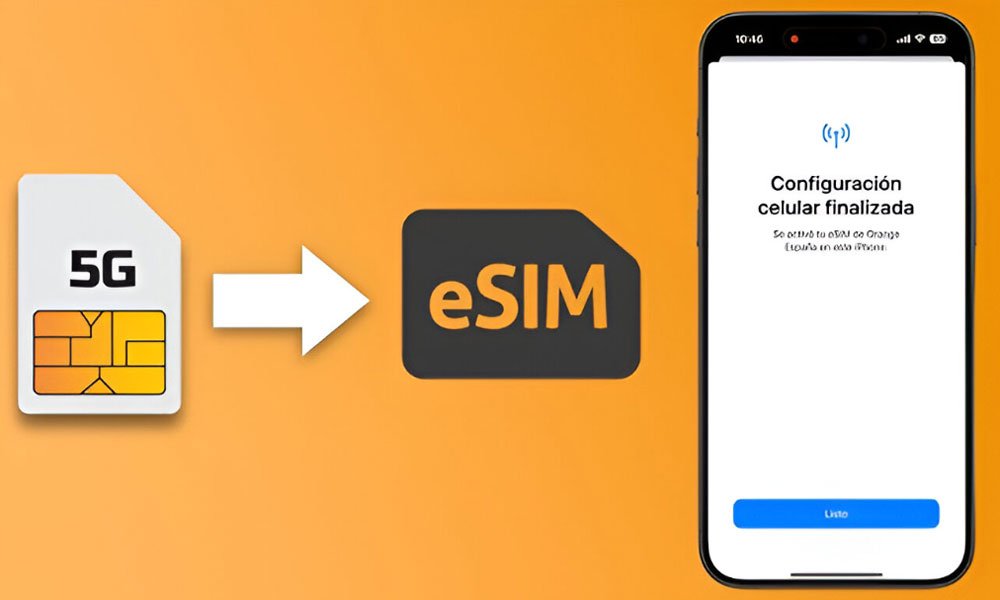
In Lima and the rest of Peru, staying connected is easy. The eSIM is perfect for those seeking immediate convenience, while the local SIM card offers better pricing and coverage for a more complete trip. Both options work well; the important thing is to choose the one that suits your travel style.
If convenience is your priority, go for the eSIM.
If saving money and strong internet are your priorities, the local SIM card is your best bet.