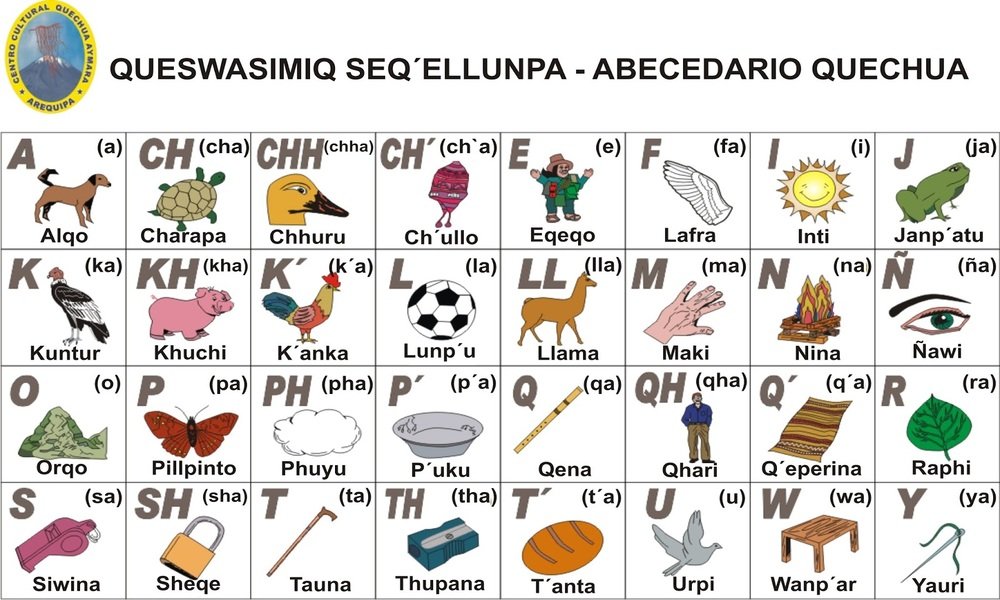
Language in Peru: Spanish vs. Quechua phrases to learn.
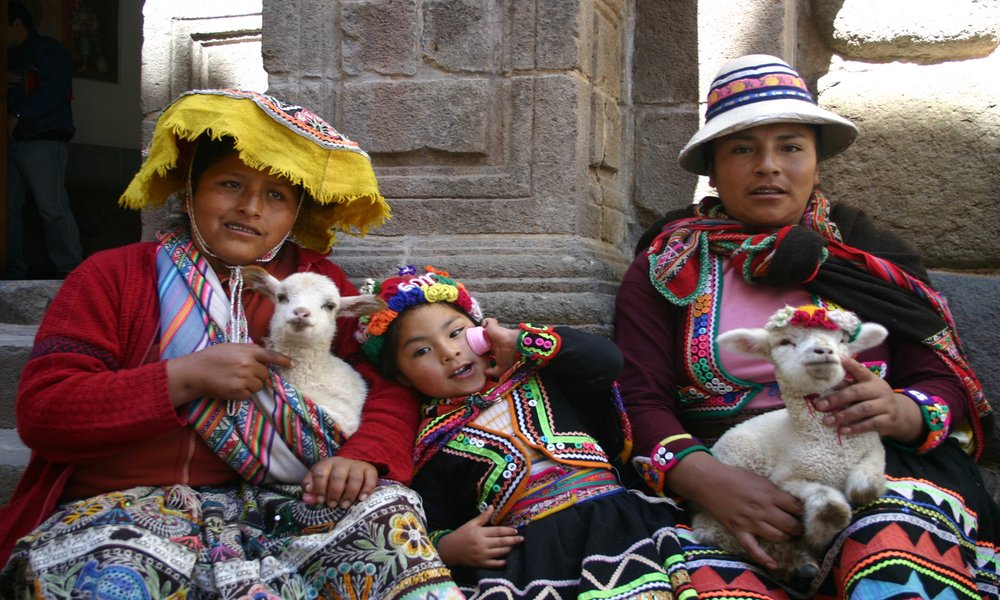
Learning Spanish vs Quechua phrases to learn is an essential step for anyone planning to visit Peru. Both Spanish and Quechua are spoken throughout the country, but Quechua remains vital in Andean and Amazonian communities.
When traveling to Peru, understanding the languages spoken can make a significant difference. While Spanish is the official language, Quechua, the language of the Incas, is still spoken by millions, especially in the Andean regions. In this article, we will explore common Spanish vs. Quechua phrases that will help you communicate with locals and immerse yourself in Peruvian culture. From greetings to everyday expressions, learning both languages gives you the opportunity to connect with people in a deeper, more meaningful way.
Key Spanish and Quechua Phrases
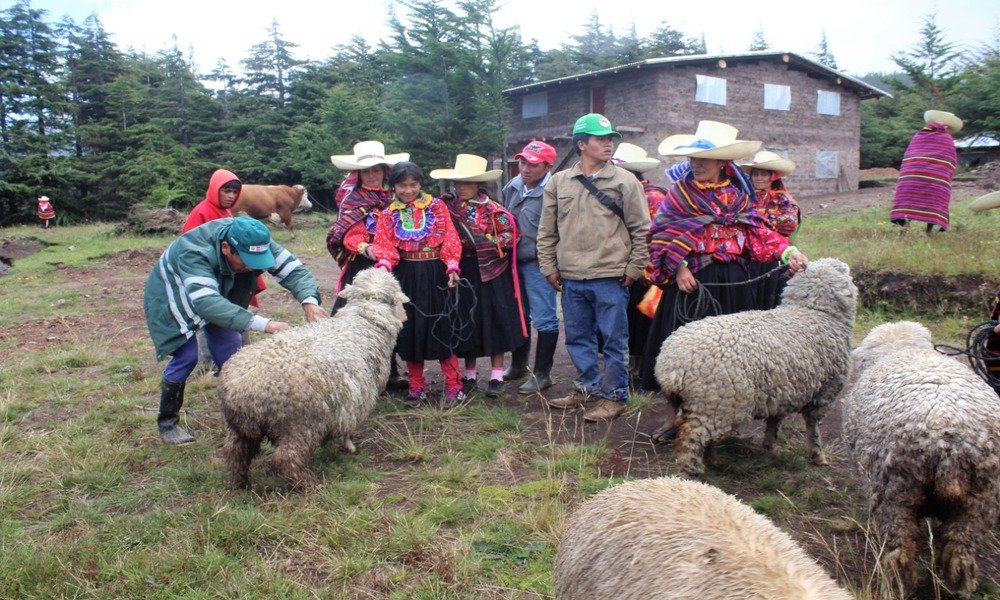
Learning key Spanish vs. Quechua phrases is an essential step for anyone planning to visit Peru. Both Spanish and Quechua are spoken throughout the country, but the level of usage and importance depends on the region. Spanish is the official language, while Quechua is widely spoken in Andean and rural areas, especially in regions like Cusco, Puno, and the Sacred Valley. Mastering basic phrases in both languages will help you navigate your journey more comfortably and show respect for the local culture.
Spanish and Quechua Greetings
Hello:
- Spanish: Hola
- Quechua: Rimaykullayki
Explanation: “Rimaykullayki” is a polite way to greet someone in Quechua. The Quechua language has various forms of greetings depending on who you’re speaking to. This greeting is common when addressing friends or acquaintances.
How are you?
- Spanish: ¿Cómo estás?
- Quechua: ¿Ñuqanchik kanki?
Explanation: While Spanish uses “¿Cómo estás?” to ask how someone is, Quechua uses “Ñuqanchik kanki?,” which translates directly to “How are we?” reflecting the collective nature of many Andean cultures.
Good morning:
- Spanish: Buenos días
- Quechua: Allin ñuqa
Explanation: The Quechua greeting reflects an intimate connection to the day. “Allin ñuqa” directly translates to “Good day” but is often used in the morning to greet others.
Expressing Gratitude and Politeness
Thank you:
- Spanish: Gracias
- Quechua: Yusulpayki
Explanation: Both Spanish and Quechua use “thank you,” but the Quechua phrase “Yusulpayki” adds a deeper cultural layer, as gratitude in Quechua often carries spiritual meaning. It can be said with a gesture of respect, such as a bow of the head.
Please:
- Spanish: Por favor
- Quechua: Ñuqayku
Explanation: Similar to Spanish, Quechua uses “Ñuqayku” as a form of politeness. The Quechua language, however, is often more direct in its politeness and is used widely in daily exchanges.
Excuse me:
- Spanish: Perdón
- Quechua: Ñuqaykuchaspa
Explanation: The Quechua expression “Ñuqaykuchaspa” is used when asking for someone’s attention or to apologize for an interruption. It’s a phrase you will often hear among the Quechua-speaking communities.
Practical Travel Phrases:
For travelers in Peru, there are some common phrases that will be helpful in daily situations, such as asking for directions or ordering food:
Where is...?
- Spanish: ¿Dónde está…?
- Quechua: Maynin chay…?
Explanation: Asking for directions is one of the most important skills for any traveler. The Quechua phrase “Maynin chay…?” is commonly used when looking for specific places like markets or hotels in rural Andean towns.
How much is this?
- Spanish: ¿Cuánto cuesta esto?
- Quechua: Hayk’a qellqay?
Explanation: Quechua speakers might use “Hayk’a qellqay?” to inquire about the price of items in local markets. It’s important to know this phrase, especially when bargaining in traditional markets.
I want...
- Spanish: Quiero…
- Quechua: Ñuqaqa… rikuy
Explanation: This phrase is very useful when ordering food or expressing a desire for something. “Ñuqaqa… rikuy” can be used in various contexts, making it an essential phrase for interactions.
Fun Phrases to Connect with Locals
As you immerse yourself in Peruvian culture, using these fun, lighthearted phrases will help you connect with locals:
Cheers!
- Spanish: ¡Salud!
- Quechua: ¡Ñawpa!
Explanation: When raising a glass, whether for a pisco sour or local drink, Quechua speakers use “Ñawpa” as a form of cheers, a joyful greeting that connects you to their culture.
What’s your name?
- Spanish: ¿Cuál es tu nombre?
- Quechua: Ima ruwan kanki?
Explanation: This is an excellent icebreaker when meeting Quechua-speaking locals. Quechua speakers appreciate when travelers make an effort to learn even a little of their language.
Useful Phrases for Travelers
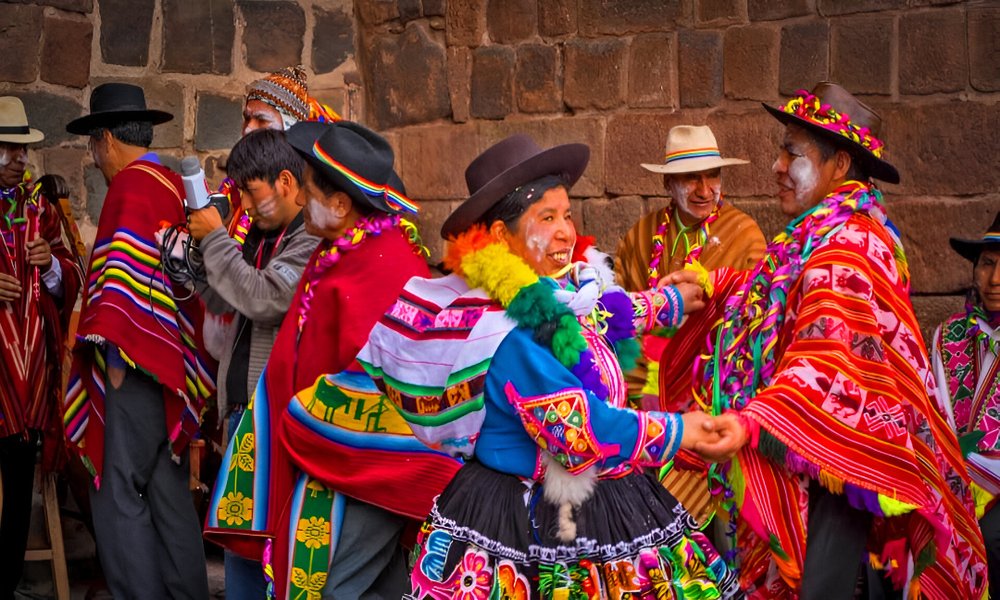
As you travel through Peru, there are common situations where you will need to ask for directions, order food, or purchase souvenirs. Quechua and Spanish are useful for communicating with locals, and knowing a few practical phrases can make your trip much easier and more enjoyable. Here are some phrases that can come in handy:
Asking for Directions:
When traveling through rural villages, small towns, or the Sacred Valley, you’ll often find yourself needing to ask for directions to important sites like Machu Picchu, Sacsayhuamán, or even basic facilities such as restaurants and markets.
Where is...?
- Spanish: ¿Dónde está…?
- Quechua: Maynin chay…?
Explanation: This simple question will allow you to ask where specific places are, whether it’s a restaurant or a historic site. Quechua speakers will appreciate your effort to use their native language.
Can you help me?
- Spanish: ¿Puedes ayudarme?
- Quechua: Pujllayki?
Explanation: Useful if you’re lost or need assistance with finding a place or understanding directions. Saying “Pujllayki” in Quechua shows respect for their culture and willingness to learn the language.
How far is it?
- Spanish: ¿Qué tan lejos está?
- Quechua: Hayk’a mayk’a?
Explanation: This is a handy phrase to ask how far a destination is, especially in areas where distances might be longer than expected. It’s useful for both urban and rural navigation.
Ordering Food:
When you’re in local markets, restaurants, or even in more remote communities, food is an essential part of the Peruvian culture. Here are some phrases that will help you when ordering typical Peruvian dishes like ceviche, lomo saltado, or pisco sour.
I would like...
- Spanish: Quisiera…
- Quechua: Ñuqaqa… rikuy
Explanation: This polite phrase is essential when ordering food. Saying “Ñuqaqa… rikuy” will show that you are respectful and engaged in the local language.
What do you recommend?
- Spanish: ¿Qué me recomiendas?
- Quechua: ¿Imata qillqaykikim?
Explanation: Asking for recommendations can help you discover the best local specialties. Whether you’re in Cusco, Arequipa, or Puno, locals often have great suggestions on where to try the best local food.
How much is it?
- Spanish: ¿Cuánto cuesta esto?
- Quechua: Hayk’a qellqay?
Explanation: When shopping in markets or small shops, this phrase is essential. It’s especially useful in traditional markets where you might need to haggle or ask for the price of items.
Greetings and Politeness
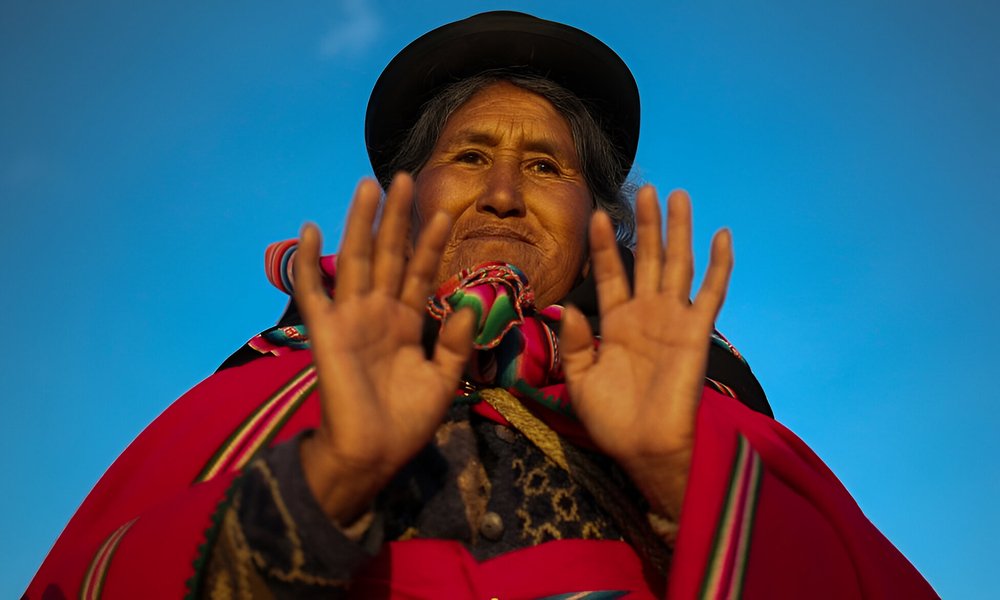
In Quechua, politeness and respect are integral parts of daily communication. Indigenous communities in Peru value respect not only through words but also through gestures and tone of voice. Understanding how to greet someone properly, depending on the time of day and relationship, can go a long way in building rapport and showing appreciation for the culture.
Formal Greetings:
Good morning:
- Spanish: Buenos días
- Quechua: Allin ñuqa
Explanation: Quechua speakers use “Allin ñuqa” to greet others in the morning. This greeting is seen as a sign of respect and connection to the natural world. You can use this when you meet elders, community leaders, or even just in casual encounters.
Good afternoon:
- Spanish: Buenas tardes
- Quechua: Allin wayk’u
Explanation: “Allin wayk’u” is used for greeting in the afternoon, and it’s another way to show respect, especially in rural communities where customs are still strongly observed.
Good evening:
- Spanish: Buenas noches
- Quechua: Allin ch’isi
Explanation: Quechua-speaking communities often use “Allin ch’isi” in the evening. It reflects a calm and respectful way of greeting others as the day winds down.
Politeness and Courtesies:
Please:
- Spanish: Por favor
- Quechua: Ñuqayku
Explanation: Politeness is vital in Quechua culture, and the phrase “Ñuqayku” is used when making requests. It’s a simple but respectful way to ask for something politely.
Excuse me:
- Spanish: Perdón
- Quechua: Ñuqaykuchaspa
Explanation: In Quechua, saying “Ñuqaykuchaspa” is a way of apologizing or getting someone’s attention politely. This is useful when entering a conversation or asking for help.
Thank you:
- Spanish: Gracias
- Quechua: Yusulpayki
Explanation: When expressing gratitude in Quechua, you say “Yusulpayki”. This word carries a deep sense of respect and acknowledgment, as it’s part of the Andean worldview, where everything in nature is interconnected.
Cultural Significance of Quechua
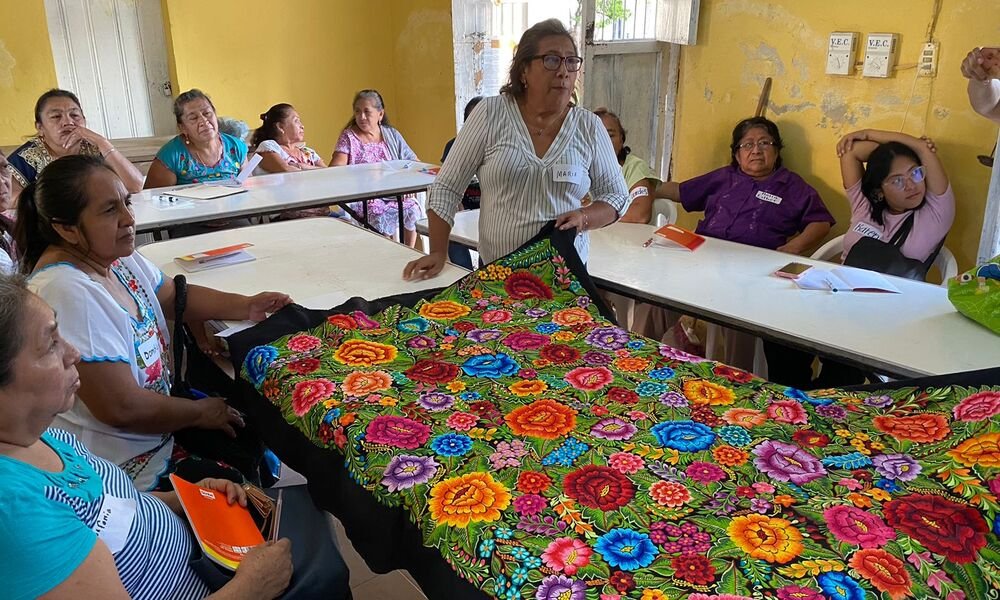
Quechua is more than just a language; it represents a deep connection to the land and the spiritual world. The language holds within it centuries of tradition, mythology, and ancestral knowledge. Learning Quechua helps travelers understand the cultural significance behind the traditions of indigenous communities in Peru.
Heritage of the Incas:
The Quechua language was the official tongue of the Inca Empire and continues to be the language of many communities in the Andes. The words and expressions found in Quechua often reflect the Inca worldview, where nature and spirits played central roles. This is particularly evident in the many ceremonial phrases and prayers still used today.
Reviving the Language:
Efforts to preserve and revive Quechua have been gaining momentum. In recent years, schools and institutions across Peru have implemented programs to teach Quechua alongside Spanish. This ensures that the younger generation maintains their connection to ancestral customs while adapting to the modern world.
Challenges of Learning Quechua
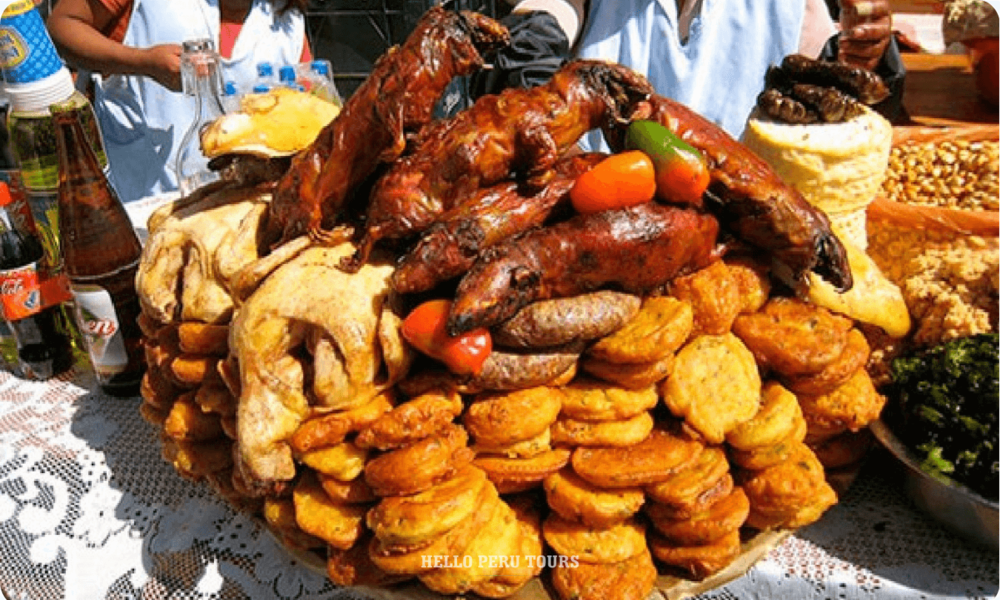
Learning Quechua can be a rewarding but challenging experience. Unlike Spanish, Quechua has a completely different structure, phonetics, and pronunciation. Here are some challenges faced by learners:
Pronunciation and Grammar:
The Quechua alphabet contains some unique sounds not found in Spanish. For example, the glottal stop (a sudden pause in sound) is a crucial part of Quechua pronunciation.
Grammar in Quechua also differs significantly from Spanish, as it has an ergative-absolutive structure, which means that sentence construction can vary greatly from what Spanish speakers are accustomed to.
Regional Variations:
Quechua has many dialects depending on the region. For example, the Quechua spoken in Cusco may differ in vocabulary and pronunciation from Quechua in Puno or Ayacucho. While the basic structure remains the same, local differences can pose a challenge for learners.
Despite these challenges, learning Quechua is a powerful way to engage with Peru’s rich cultural heritage and communicate more deeply with indigenous communities.