Nazca Lines flight: safety tips and costs.
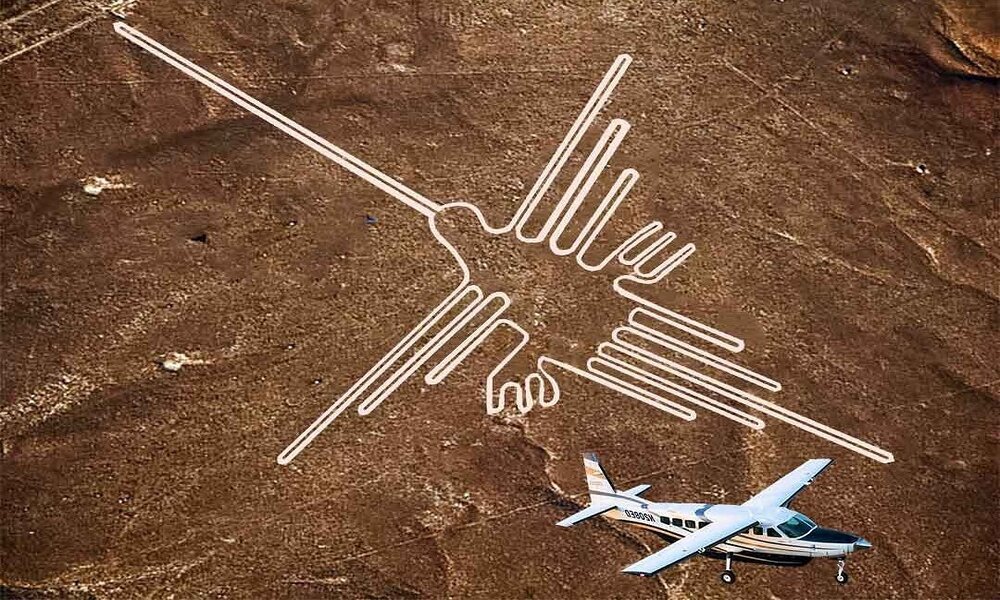
High above the Peruvian desert lies one of the world’s greatest mysteries — the Nazca Lines. Massive figures of animals, plants, and geometric shapes stretch across the sand, created over 1,500 years ago by the ancient Nazca culture. The best way to appreciate their size and beauty is from the sky.
A Nazca Lines flight gives travelers the chance to see these incredible geoglyphs up close — a breathtaking experience unlike anything else in Peru. Whether you depart from Nazca or Pisco, you’ll soar above the desert and witness giant designs like the hummingbird, monkey, and condor. It’s an unforgettable journey that combines history, mystery, and adventure all in one.
What Are the Nazca Lines?
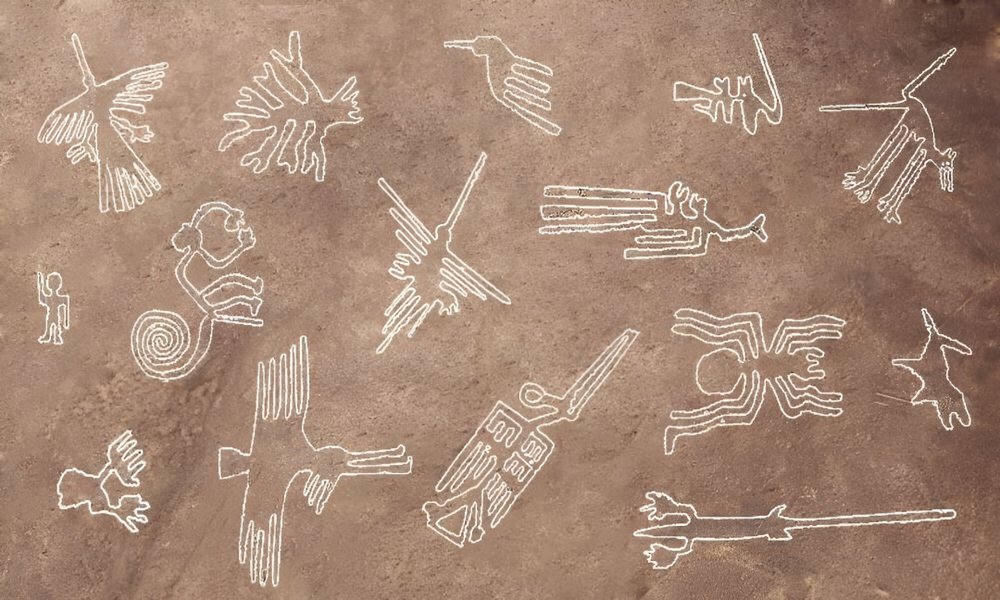
Hidden in the vast Peruvian desert, the Nazca Lines are one of the greatest archaeological mysteries in the world. Created between 500 BC and 500 AD by the ancient Nazca culture, these enormous designs were carved directly into the sand and stone. From the ground, they seem simple — but from the air, they reveal impressive shapes of animals, plants, and geometric figures that stretch for hundreds of meters.
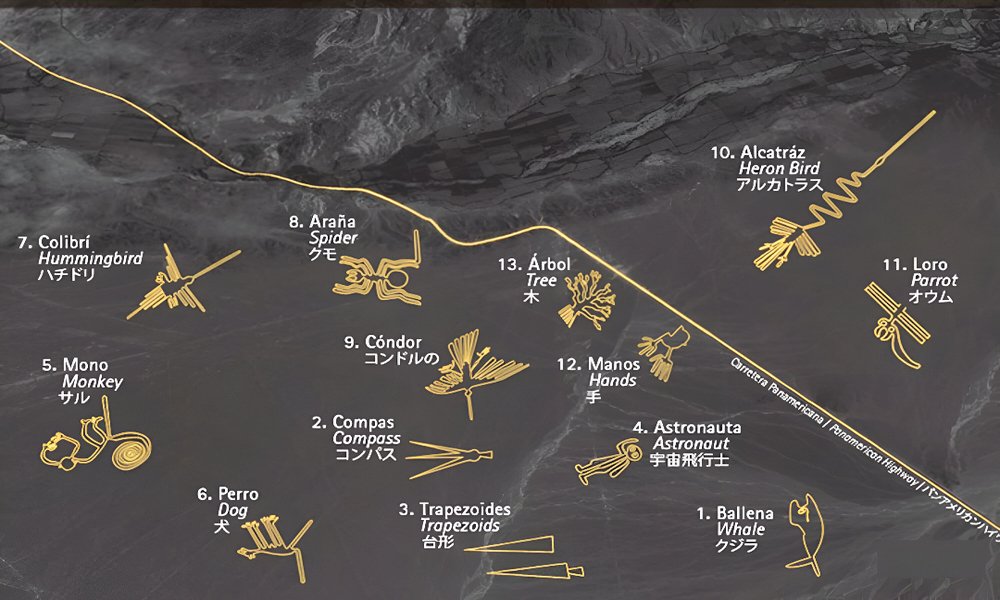
Among the most famous figures are the Hummingbird, the Monkey, the Spider, and the Condor. Some lines even extend over 10 kilometers, perfectly straight despite the desert winds and time. Scientists still debate their purpose — some believe they were part of astronomical calendars, while others think they were offerings to the gods to attract water and fertility.
Declared a UNESCO World Heritage Site in 1994, the Nazca Lines attract travelers from all over the world. Seeing them from the sky is not only a flight; it’s an experience that connects you to the mystery and spiritual energy of an ancient civilization that once thrived under the relentless Peruvian sun.
Where Do Nazca Lines Flights Depart From?
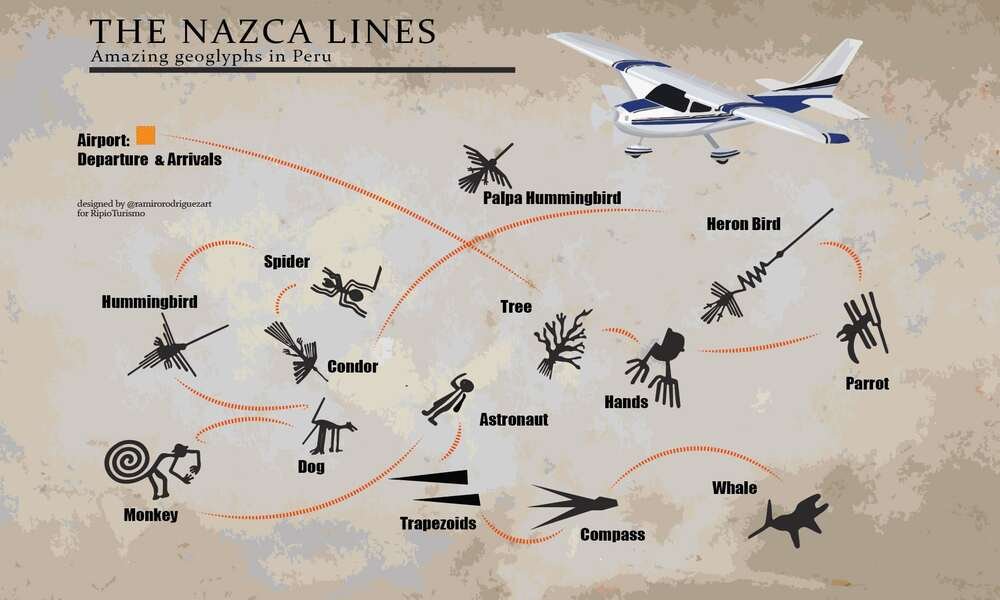
There are two main departure points for the Nazca Lines flight experience — Nazca Airport and Pisco Airport. Each offers a different way to see Peru’s most mysterious desert figures, depending on your travel route and schedule.
Nazca Airport (Maria Reiche Aerodrome)
Located in the town of Nazca, this is the most popular starting point. It’s ideal for travelers who are already exploring southern Peru, including destinations like Ica, Huacachina, or Paracas. Flights here usually last 30–40 minutes, covering the main geoglyphs such as the Hummingbird, Monkey, and Astronaut. Getting to Nazca takes about 7 hours by bus or 1 hour by small charter flight from Lima.
Pisco Airport (Capitán FAP Renán Elías Olivera)
For travelers with less time, Pisco is the most convenient choice. Located closer to Lima (about a 3.5-hour drive), flights from Pisco take around 90 minutes and cover both the Nazca and Palpa Lines. This option is perfect for those staying in Paracas or visiting the Ballestas Islands, as several operators combine these tours into one full-day adventure.
Whether you fly from Nazca or Pisco, both routes offer breathtaking views and professional pilots certified by Peru’s Civil Aviation Authority (DGAC). Remember to book your flight early, especially in the high season (June to September), when clear skies and perfect visibility make for the most memorable experience.
Nazca Lines Flight Costs and Duration
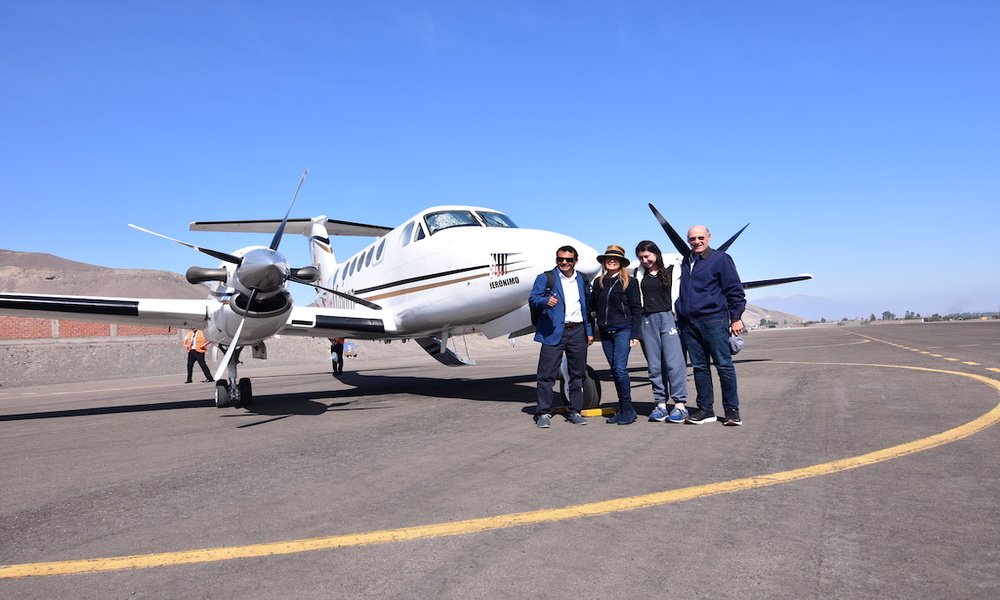
Taking a Nazca Lines flight is more affordable than most travelers expect, and the experience is worth every penny. Prices vary depending on the departure city, flight duration, and operator, but all include a spectacular aerial view of Peru’s most mysterious desert drawings.
From Nazca Airport
Flights from Nazca usually cost between US$80 and US$120 per person, lasting about 30–40 minutes. This is the most popular option among visitors traveling through southern Peru, as it covers the main figures like the Hummingbird, Monkey, and Condor. Additional airport tax (around S/30 or US$8) must be paid directly at check-in.
From Pisco Airport
Flights from Pisco, near Paracas, are slightly longer — around 1 hour and 30 minutes — and cost between US$200 and US$280. This route includes both the Nazca and Palpa Lines and is ideal for travelers coming from Lima or staying along the southern coast.
Regardless of your departure point, prices often include transportation to the airport, pre-flight briefings, and a certificate of flight completion — a great souvenir of your adventure. To secure the best rates, it’s recommended to book in advance, especially during high season (June–September), when clear skies and calm winds make for the best visibility.
Safety Tips Before and During Your Nazca Lines Flight
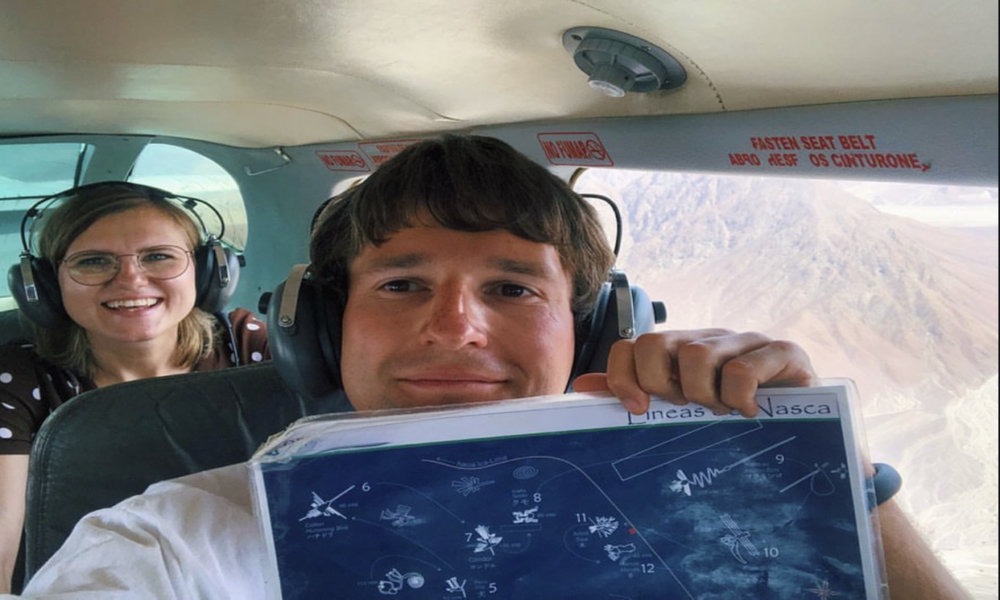
Flying over the Nazca Lines is a once-in-a-lifetime adventure — and with a few safety tips, you can make it both comfortable and worry-free. Peru’s aviation authorities strictly regulate these flights to ensure passenger security, and most airlines maintain excellent safety standards. Still, knowing what to expect helps you feel more confident before takeoff.
Choose a Certified Airline
Always book your Nazca Lines flight with an airline authorized by the DGAC (Peruvian Civil Aviation Authority). Reputable operators like AeroNasca, Movil Air, or Aerodiana follow strict maintenance and pilot training requirements. Avoid last-minute street offers or unregistered agencies.
Prepare Before Takeoff
Flights are typically in small 6–12 passenger planes, so motion can feel more noticeable. To prevent discomfort, avoid heavy meals before your flight and take anti-nausea medication if you’re sensitive to movement. Bring a bottle of water, sunglasses, and light clothing for comfort.
Follow Crew Instructions
Before takeoff, the pilot will give a detailed safety briefing. Listen carefully and keep your seatbelt fastened throughout the flight. You’ll notice that the aircraft tilts side-to-side so everyone gets a clear view — this is normal and part of the experience.
Stay Calm and Enjoy the View
If you start to feel dizzy, close your eyes for a moment and breathe deeply. Most passengers quickly adapt after the first few minutes. Remember, your pilot performs these flights daily — you’re in good hands.
Flying safely means flying smart. With proper preparation and by choosing a certified operator, you can focus on what truly matters — admiring one of Peru’s greatest wonders from above.
Best Time of Day and Season to Fly Over the Nazca Lines
Choosing the right time for your Nazca Lines flight can make a big difference in visibility and comfort. The desert climate of southern Peru is generally dry, but there are specific hours and months when conditions are truly perfect for viewing the mysterious geoglyphs from the air.
Best Time of Day to Fly
The early morning is the best time to fly — usually between 7:00 a.m. and 10:00 a.m.. During these hours, the skies are clear, winds are calm, and sunlight creates sharp contrasts that make the lines stand out beautifully against the desert floor. Afternoon flights are also available, but they can be bumpier due to stronger air currents and higher temperatures.
Best Season to Visit Nazca
The dry season, from May to November, is considered ideal for flights. Days are sunny, visibility is excellent, and rain is extremely rare. During the rainy season (December to April), weather can be unpredictable, but flights usually operate as long as conditions remain safe. If possible, plan your visit between June and September, when skies are at their clearest and the desert colors are at their most vibrant.
Extra Tips for a Perfect Flight
Book your flight early in the day, check the weather forecast, and wear light clothes — the aircraft can get warm inside. If you’re traveling during peak season, reserve at least 2–3 days in advance to secure your preferred flight time.
Flying at the right time means seeing the Nazca Lines exactly as they were meant to be seen — clear, radiant, and unforgettable under the Peruvian sun.