


Pisco vs. tequila: history, taste, and cocktails.
The debate between pisco and tequila goes beyond a simple comparison between two alcoholic beverages; it’s a confrontation between the cultures, flavors, and traditions of Latin America. Both spirits have won over the world thanks to their authenticity, but their origins, ingredients, and aromatic profiles are very different.
Pisco
Pisco is more than just a drink; it is a fundamental element of Peruvian cultural identity. Its history dates back to the era of colonization, and its flavor has captivated palates around the world. Pisco is a symbol of art, tradition, and national pride, made from select grapes and distilled using ancient methods.
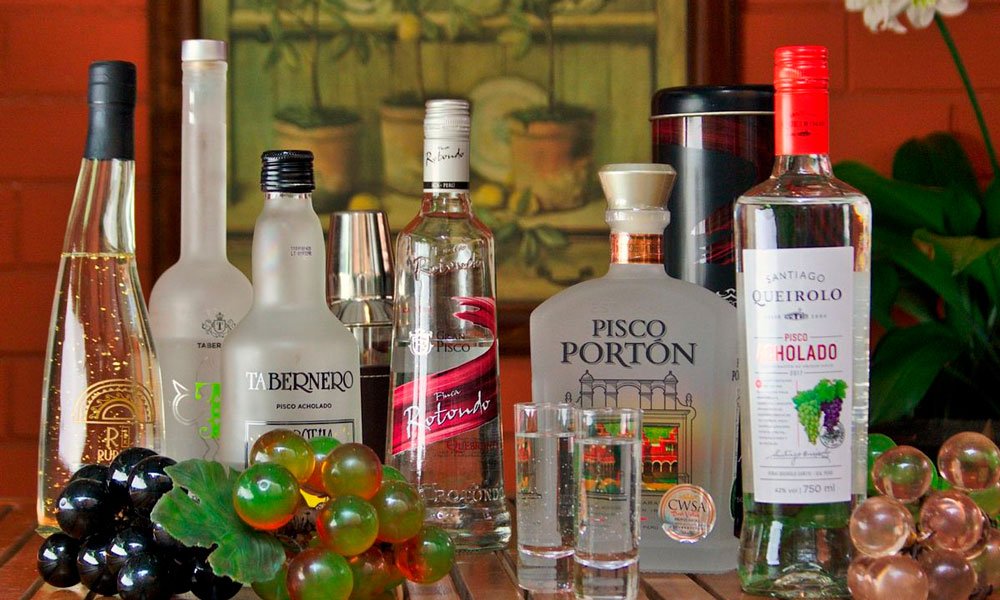
History of Pisco in Peru
The first vines were brought to Peru by the Spanish in the sixteenth century; thus, it was in this century that pisco originated. The climatic conditions in the Ica Valley were ideal for growing grapes, so farmers began distilling the leftover wine to make a spirit: pisco.
Its name is derived from the ancient port of Pisco, located on the southern Peruvian coast, which was the place from which this beverage was shipped to other parts of the viceroyalty and Europe. Over time, pisco established itself as a renowned product produced only from fermented grape juice, without sugars or additives.
The Peruvian government declared the Pisco Denomination of Origin in 1991, declaring that only pisco produced in Peru is a Pisco.
Taste and Characteristics of Pisco
Purity and authenticity are two characteristics that distinguish Peruvian pisco. It is not diluted with water or added essences; it comes directly from the distillation of new wine.
Its flavor depends on the grape variety:
- Quebranta gives dry, solid notes.
- Italia provides a sweet and floral touch.
- Smooth and velvety, Mosto Verde Torontel presents fruity fragrances.
Its alcohol content varies between 38° and 48°, giving it potency without sacrificing elegance. To fully enjoy its aromas, it is recommended to enjoy it at room temperature.
Types of Grapes and Pisco Varieties
Pisco is made with eight grape varieties, classified as non-aromatic and aromatic:
- Non-aromatic grapes: Quebranta, Mollar, Negra Criolla, and Uvina.
They produce full-bodied, dry, and elegant piscos. - Aromatic grapes: Italia, Moscatel, Torontel, and Albilla.
They produce piscos with floral, sweet, and fruity notes.
Depending on the production process, there are three main types of pisco:
- Puro: made with a single grape variety.
- Acholado: a blend of different grape varieties.
- Mosto verde: Distilled before alcoholic fermentation is complete, achieving a more velvety and smooth flavor.
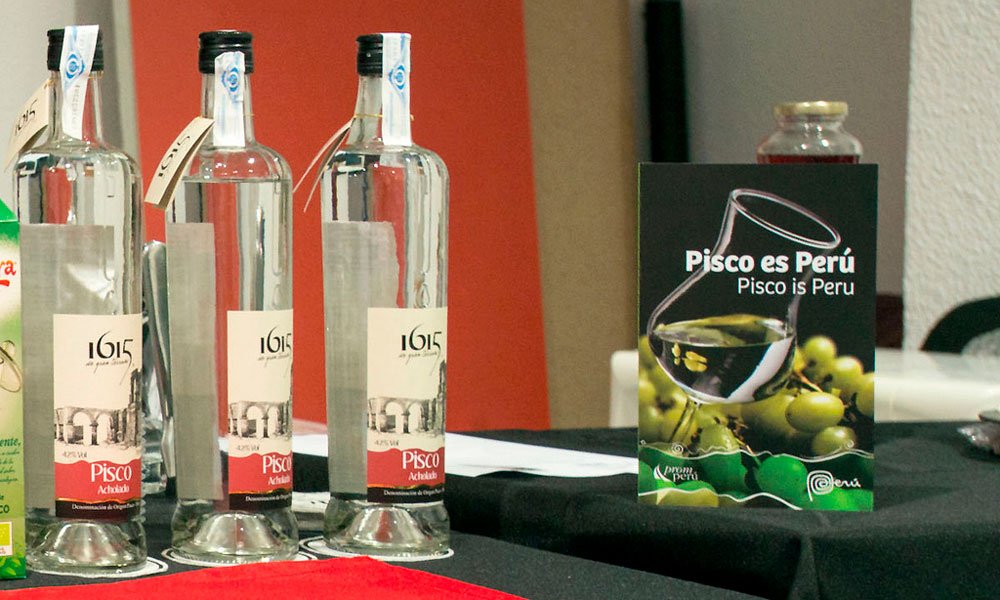
Iconic Pisco Cocktails
Pisco is versatile and can be prepared in many ways. The most iconic cocktails are:
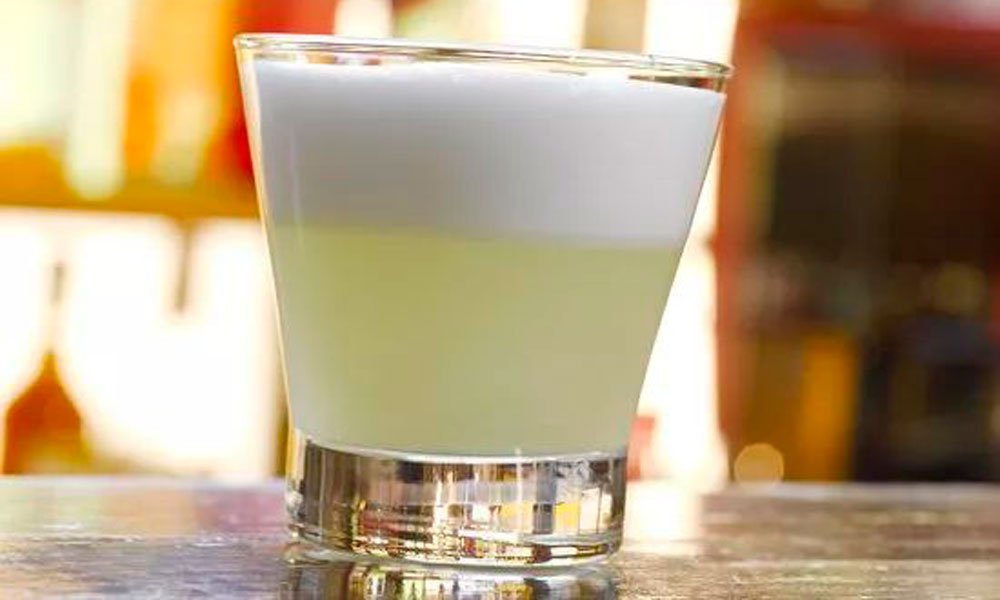
Pisco Sour
The emblem of Peru and a symbol of its cocktail scene.
Prepared with:
- 3 oz pisco
- 1 oz fresh lemon juice
- 1 oz simple syrup
- 1 egg white
Drops of Angostura bitters and ice
Shake in a cocktail shaker until a creamy foam forms.
Chilcano
Refreshing and light, ideal for hot days.
Ingredients:
- 2 oz pisco
- Lemon juice
- Ginger ale
- Ice and drops of Angostura bitters
Passion Fruit Sour
A tropical twist on the classic.
Combines pisco, natural passion fruit juice, simple syrup, egg white, and ice. It’s an exotic drink, perfect for those who prefer fruity flavors.
Pisco tonic
Inspired by gin and tonic, this cocktail combines pisco, tonic water, lemon or cucumber slices, and mint leaves. Refreshing and modern.
Pisco in Peruvian Culture
Pisco is more than a drink; it represents the national identity. Every year, Pisco Day is celebrated on the fourth Sunday of July, and Pisco Sour Day is celebrated on the first Saturday of February, with tastings, fairs, and festivals throughout the country.
Pisco is used in gourmet dishes, sauces, and desserts, demonstrating its versatility. Additionally, in areas like Arequipa and Ica, it’s possible to visit traditional wineries where tourists can learn about the distillation process and taste different types.
Tequila
Tequila is the soul of Mexico. This beverage, distilled from blue agave, is an emblem of tradition, celebration, and national identity. Tequila, from its pre-Hispanic origins to its worldwide recognition, symbolizes the spirit of the Mexican people and their desire to share authentic flavors.
History of Tequila
Long before the Spanish arrived, the history of tequila had already begun. Indigenous communities in western Mexico were already fermenting agave juice to obtain a drink called pulque. The distillation process was introduced by colonizers in the 16th century, resulting in the spirit we call tequila today.
The name “tequila” originates from the town of Tequila, located in the state of Jalisco, where production was perfected. Over the centuries, tequila evolved into a craft beverage and then an industrial beverage, being exported worldwide.
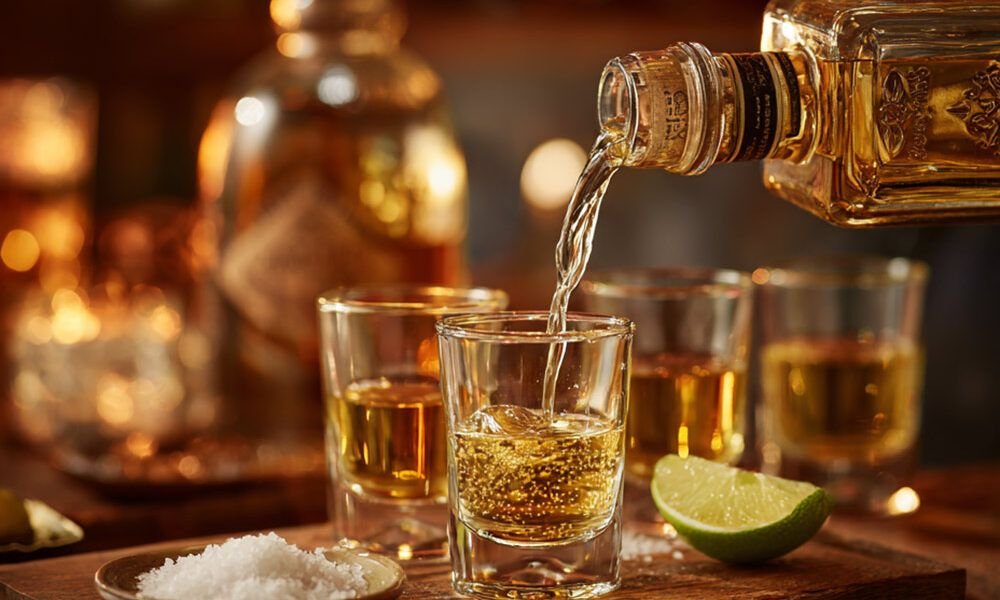
Tequila Types and Process
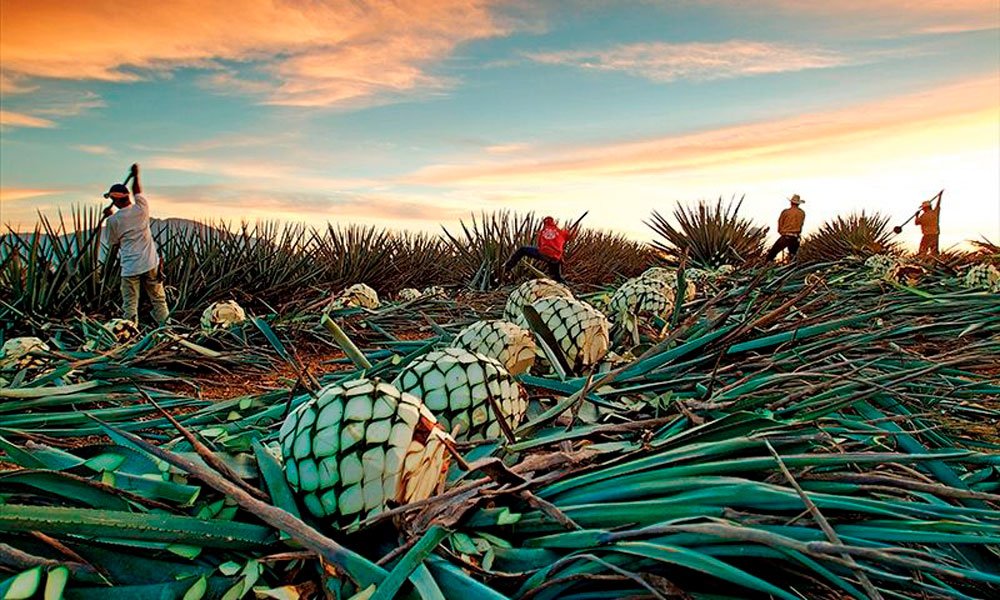
The only ingredient for tequila production is the blue agave tequilana Weber variety. The plant takes 7 to 10 years to reach maturity; the heart of the plant, called the piña, is cooked to obtain the juices, which are then fermented and distilled.
There are five main categories of tequila based on their aging time:
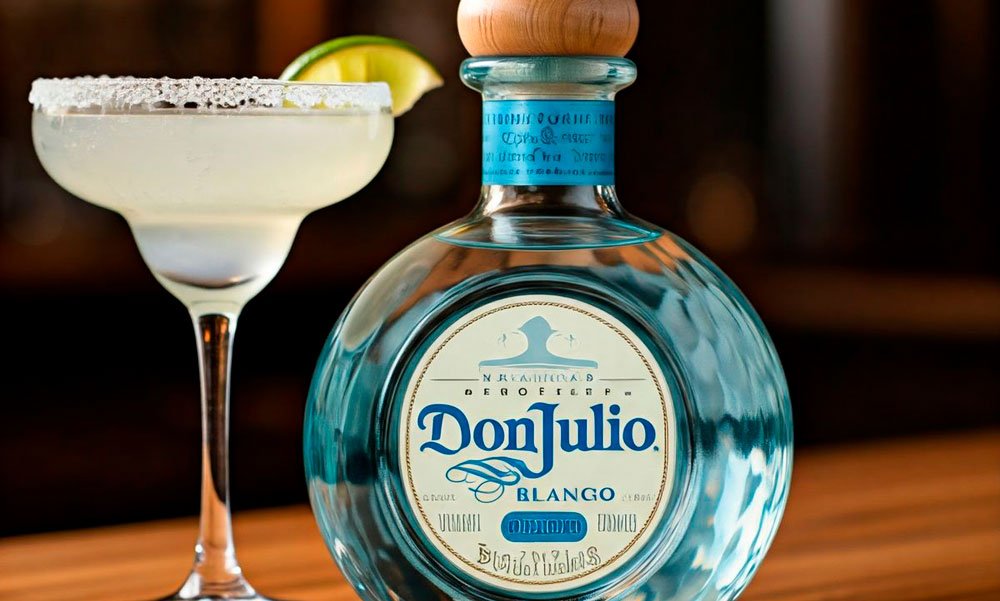
- Blanco or Plata: Bottled immediately after distillation; pure and strong agave flavor.
- Joven or Oro: A blend of blanco tequila with reposado or añejo; smooth and versatile.
- Reposado: Aged between 2 and 12 months in oak barrels; balanced flavor.
- Añejo: Aged between 1 and 3 years; woody notes and robust body.
- Extra Añejo: Aged for more than 3 years; deep and elegant flavor, comparable to a cognac.
Flavor and Properties
The taste of tequila varies depending on its type; however, it always retains the essence of the blue agave.
- Blanco tequilas are distinguished by their freshness, purity, and herbal notes.
- Añejos and reposados have notes of cocoa, caramel, honey, or vanilla because they have been in contact with wood.
- In the mouth, it is a drink with a lingering aftertaste that invites you to continue sipping; it has a warm, intense, and slightly sweet flavor.
To enjoy its aroma and texture, a good tequila should be consumed slowly, at room temperature or slightly chilled.
Iconic Tequila Cocktails
Margarita
The most famous tequila cocktail in the world.
Ingredients:
- 2 oz of white tequila
- 1 oz of triple sec (Cointreau)
- 1 oz of fresh lemon juice
- Salt for the rim of the glass and ice
- Shake in a cocktail shaker and serve in a salt-rimmed glass. It’s fresh, citrusy, and balanced.
Tequila Sunrise
Colorful and tropical, ideal for festive occasions.
Ingredients:
- 2 oz of tequila
- Orange juice
- A touch of grenadine for the reddish gradient
- Serve unshaken, creating the sunrise effect that gives it its name.
Paloma
Refreshing and popular in Mexico.
Ingredients:
- 2 oz tequila
- Lime juice
- Grapefruit soda or natural juice
- Salt on the rim of the glass
- Perfect to pair with spicy foods or hot days.
Tequila Sour
Inspired by classic sour cocktails.
Ingredients:
- 2 oz tequila
- 1 oz lemon juice
- ¾ oz simple syrup
- Egg white (optional)
Shake in a cocktail shaker until foamy, resulting in a smooth and tangy drink.
Tequila in the Cultural Context of Mexico
Tequila is not just consumed, it is also celebrated. It is a main attraction at parties, weddings, national celebrations, and fairs. UNESCO declared the Tequila region, located in the state of Jalisco, a World Heritage Site, as it recognized the scenic and cultural significance of the agave.
Likewise, International Tequila Day is commemorated on July 24th each year with festivals, exhibitions, and tastings that pay tribute to this unique beverage.
Tequila has served as inspiration for films, songs, and legends that reflect the pride and happiness of the Mexican people.