


Potato Park Cusco
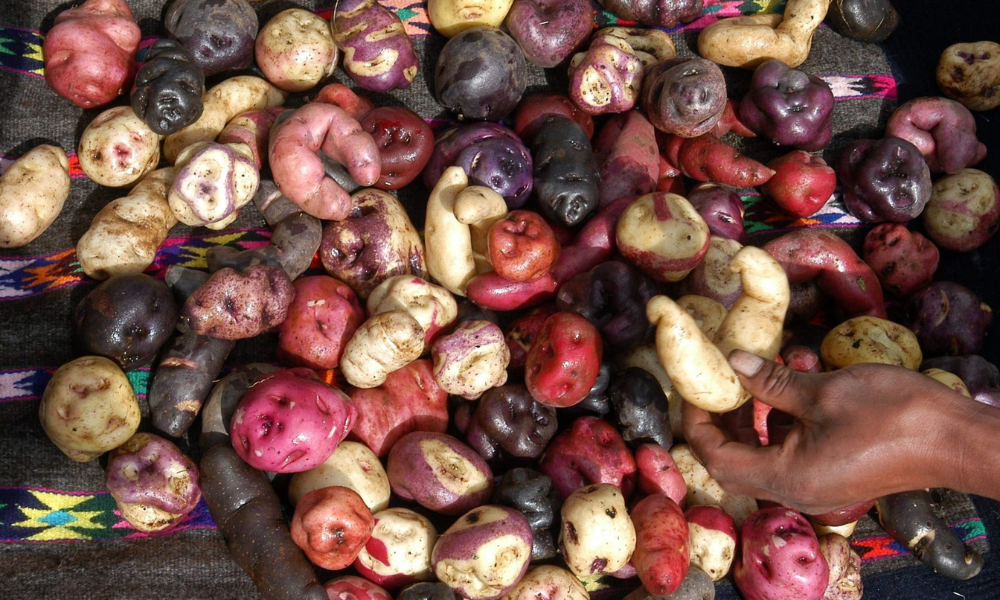
From historic Cusco to the vibrant communities of the Andes
After exploring the historic center of Cusco, with its colonial churches and iconic squares, many travelers feel curious to go beyond the city and connect with the living roots of Andean culture. A few miles from Cusco, there is a place where history is not only seen in monuments, but is practiced every day in the countryside, in agriculture, and in community life.
The Potato Park represents that next step in the journey: a space where tradition, nature, and ancestral knowledge remain alive. Here, Andean communities preserve not only thousands of potato varieties, but also a way of life deeply connected to the land and the environment.
What is the Potato Park and why is it so special?
The Potato Park is a biocultural conservation project located in the Sacred Valley, near Pisac. It was created by Quechua communities with the aim of protecting Andean biodiversity, especially the potato, a staple food in the Andes and around the world.
This space does not function as a traditional park, but rather as a living territory, where communities continue to cultivate, research, and pass on ancestral knowledge from generation to generation.
The potato: heart of Andean culture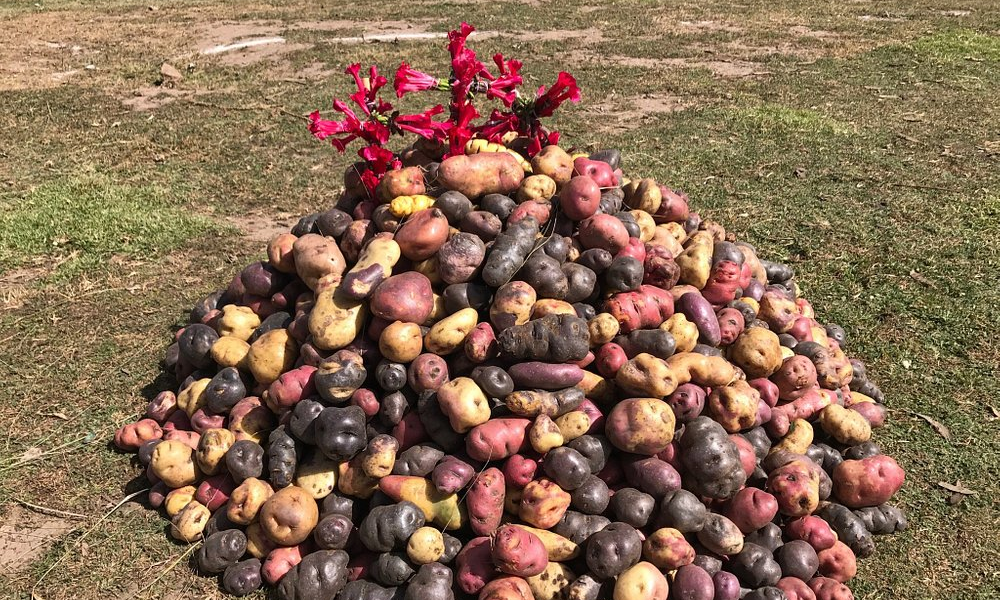
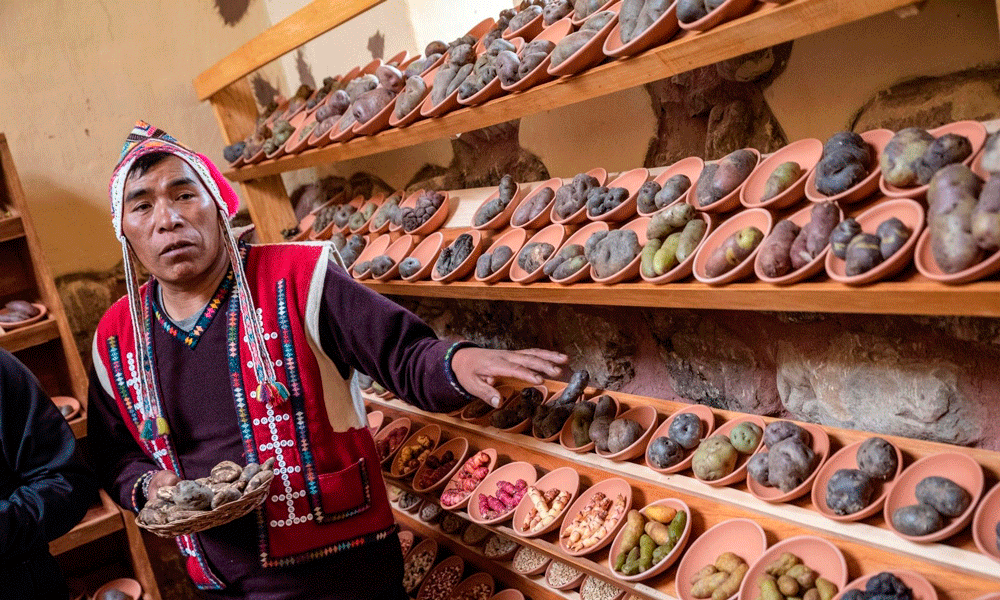
This Park preserves thousands of native potato varieties, many of which are unknown outside Peru. For Andean communities, the potato is not only a food, but also a cultural, spiritual, and economic element.
Each variety has a specific use, history, and symbolic value. This diversity is key to food security and adaptation to climate change, making the park a global benchmark for agricultural conservation.
Communities that make up the Parque de la Papa
The park is made up of several Quechua communities that work together. These communities have maintained traditional agricultural practices, such as:
Crop rotation
Use of native seeds
Respect for natural cycles
Oral transmission of knowledge
Community organization is one of the pillars of the project and an example of sustainable land management.
Location and how to get to the Potato Park
The Parque de la Papa is located approximately one hour from Cusco, in the upper part of the Sacred Valley, near Pisac.
How to get there
On an organized tour from Cusco (the most common option)
By private car with a local guide
Combining local transportation and hiking (for more experienced travelers)
Due to its community nature, it is recommended to visit with local guides or responsible tours.
Sustainable and responsible tourism in the Park of the Potato
Visiting the Potato Park is an opportunity to practice conscious tourism. Visits contribute directly to local development and help preserve:
Biodiversity
Agricultural traditions
The Quechua language
Andean cultural identity
This type of tourism prioritizes authentic cultural exchange over rapid consumption.
Why visit the Parque de la Papa?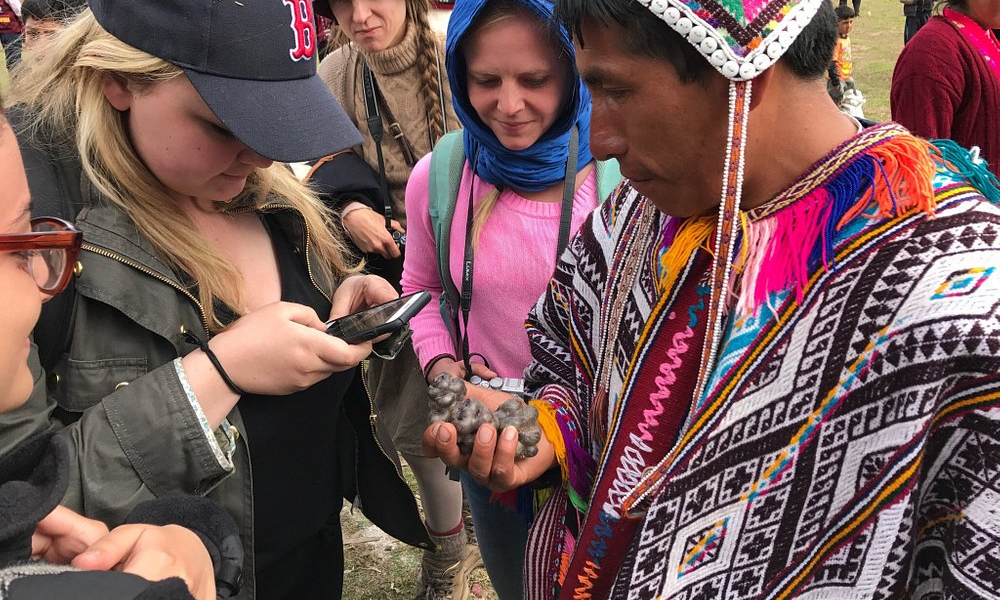
Because it offers a different experience from traditional tourism. Here, it’s not just about seeing landscapes, but understanding how Andean communities live today, how they care for their environment, and how they keep a millennial heritage alive.
For travelers interested in culture, sustainability, and authentic experiences, the Parque de la Papa is a deeply enriching visit.
Parque de la Papa perfectly complements a visit to Cusco. After exploring temples, squares, and museums, this space allows you to connect with the living essence of the Andes and understand the importance of agriculture, community, and biodiversity in Peruvian identity.