Purchases worth it in Peru: pisco, coffee, cacao and handicrafts
If you’re traveling through Peru and want to take home authentic souvenirs, this country offers products that combine quality, tradition, and origin. From premium piscos and high-altitude coffees to Amazonian cacao and handmade crafts, there are recommended places where you can shop safely, with clear prices and a good shopping experience.
Peruvian Pisco
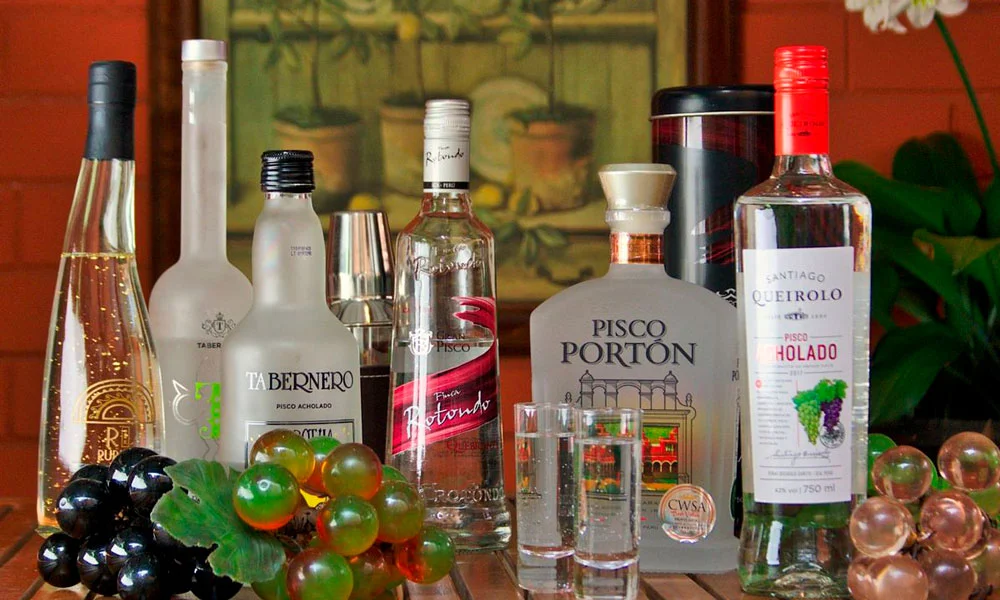
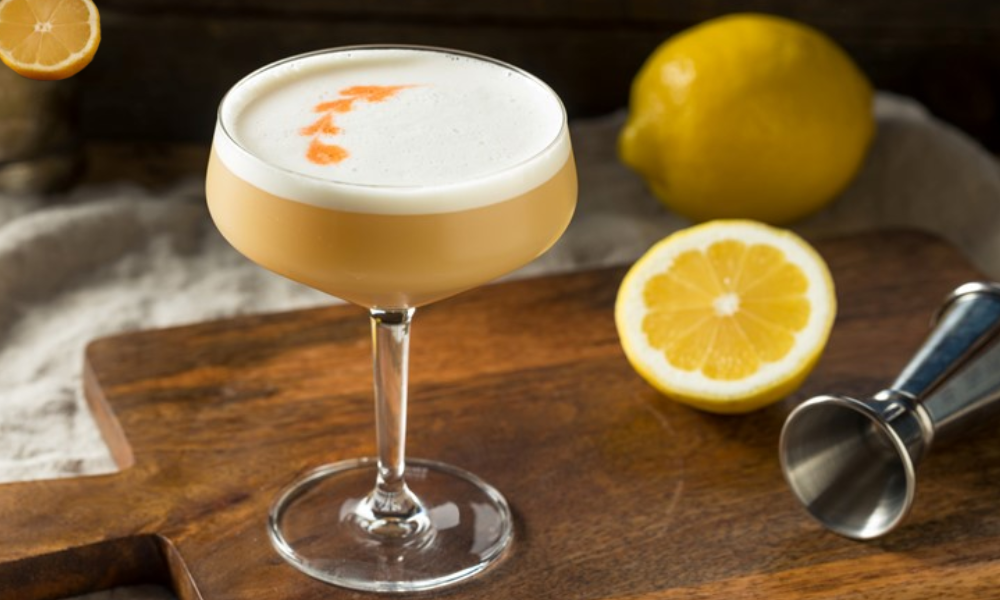
Pisco is one of the most sought-after souvenirs for travelers, as it is a pure and high-quality spirit. Peru offers varieties to suit all tastes, such as Mosto Verde, Puro, and Acholado. Its clean and aromatic flavor makes it a great souvenir to take home.
Travelers often buy well-known brands because they offer guaranteed quality, such as Portón, Barsol, Queirolo, Sotelo, and Cuatro Gallos. The artisanal piscos from Ica and Arequipa are also noteworthy. These regions have a long tradition and wineries open to the public.
The best places to buy are reliable stores like Plaza Vea, Wong, and Vivanda. You can also visit specialty shops in Miraflores and San Isidro, where you’ll find premium options. If you’re traveling the Pisco Route, you can buy directly from the wineries. There are convenient options at the airport, although they are somewhat more expensive.
The price varies depending on the quality. A standard pisco costs between thirty and one hundred and twenty soles. A premium Mosto Verde can cost more than one hundred and twenty soles.
⇓
Peruvian Coffee
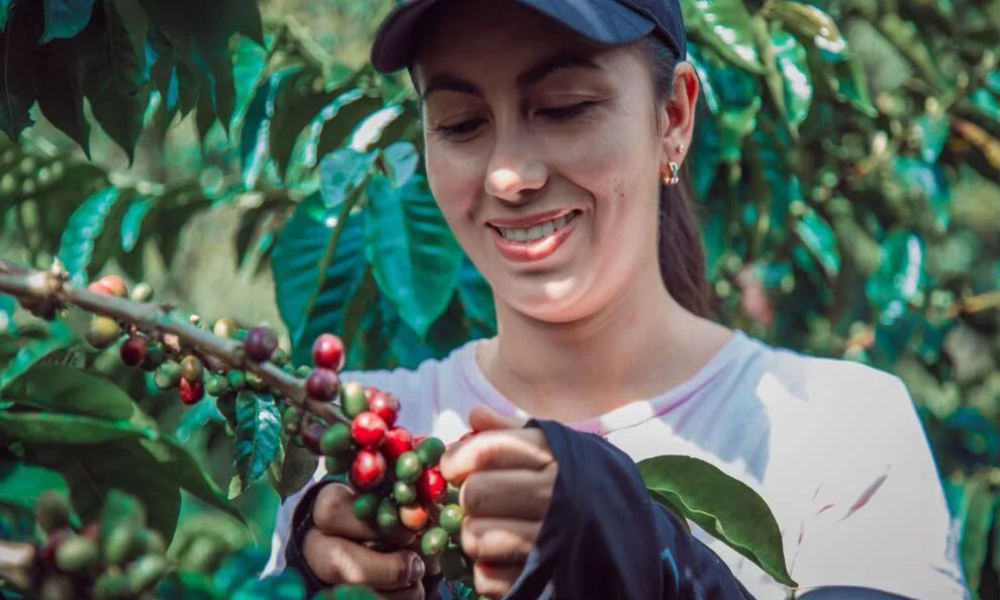
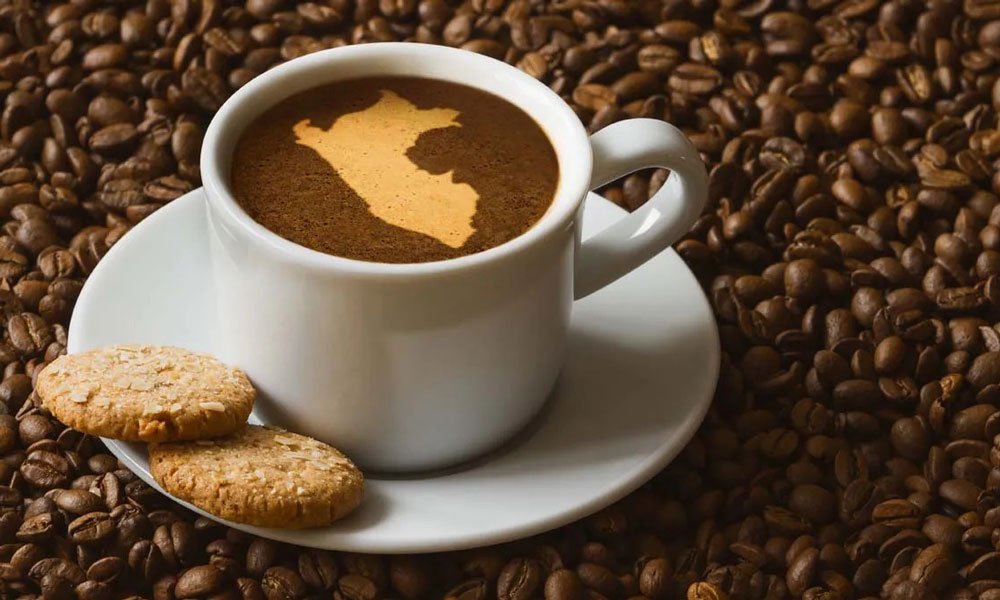
Peruvian coffee is recognized in international competitions for its floral aroma and smooth acidity. It’s grown in high-altitude regions like Cusco, Cajamarca, Amazonas, Junín, and Puno. Each region has a distinct profile, making it a special purchase.
Travelers often seek out high-scoring specialty coffees or organic coffees. Highly recommended brands include Three Monkeys Coffee, Neira Café Lab, Bisetti, Tunki, and coffees from Villa Rica. There are also coffees from local producers sold in small roasteries.
The best places to buy coffee are third-generation coffee shops in Miraflores, Barranco, Cusco, and Arequipa. They roast the coffee on-site and offer fresh bags. You can also buy it at local markets like San Pedro in Cusco or from producers’ associations.
Prices range from 20 soles for a standard coffee to 40 soles for a specialty coffee.
⇓
Peruvian Cacao and Chocolate
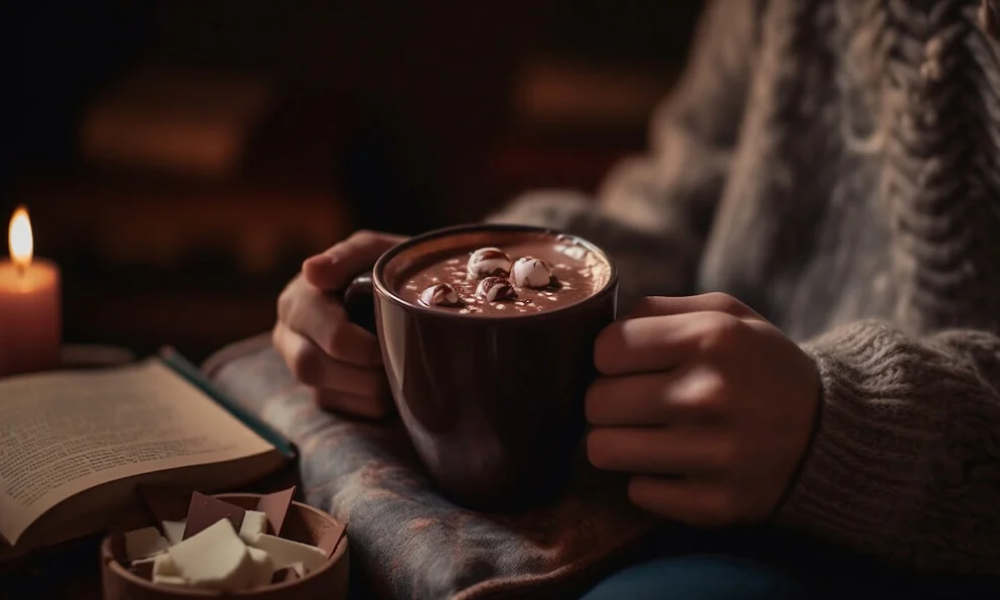
Peruvian cacao is fine and aromatic, produced in the Amazon region. It has fruity and floral notes and is considered one of the best cacaos in the world. It’s a safe bet for those seeking quality and authentic flavor.
The most sought-after products are high-purity chocolate, cacao powder, cacao paste, and roasted beans. The most recognized brands are Cacaosuyo, Maraná, Orquídea, Shattell, and La Ibérica.
You can buy cacao in gourmet shops and cafes in Miraflores, Barranco, Cusco, and Arequipa. You can also find it in specialty stores like Cacaosuyo in Miraflores. Supermarkets also offer good options and are usually reasonably priced. If you visit Amazonian areas, you can buy directly from producers.
The price of premium chocolate ranges from twenty to thirty-five soles. Cacao powder or paste starts at eighteen soles.
Peruvian Handicrafts
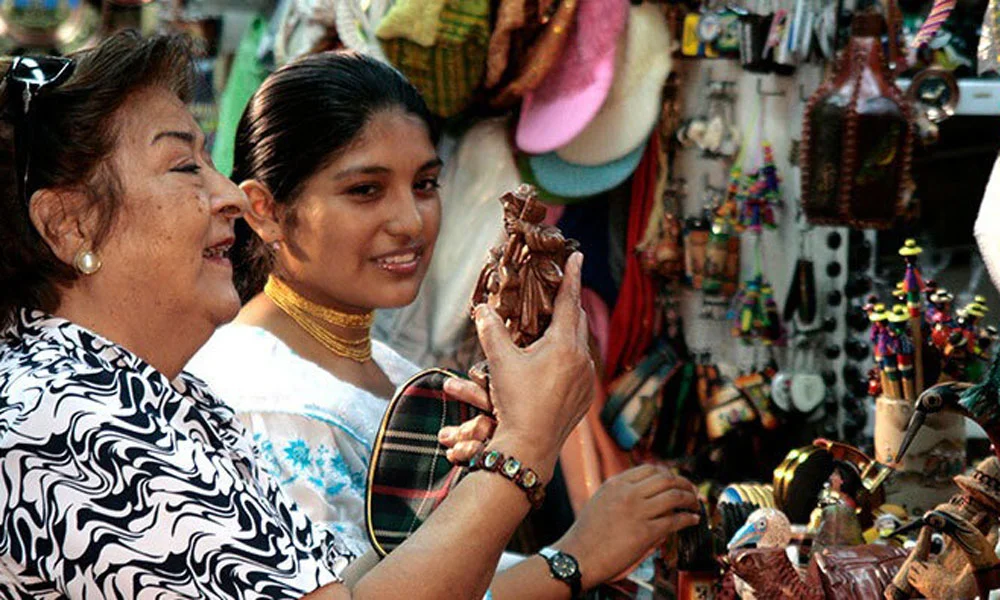
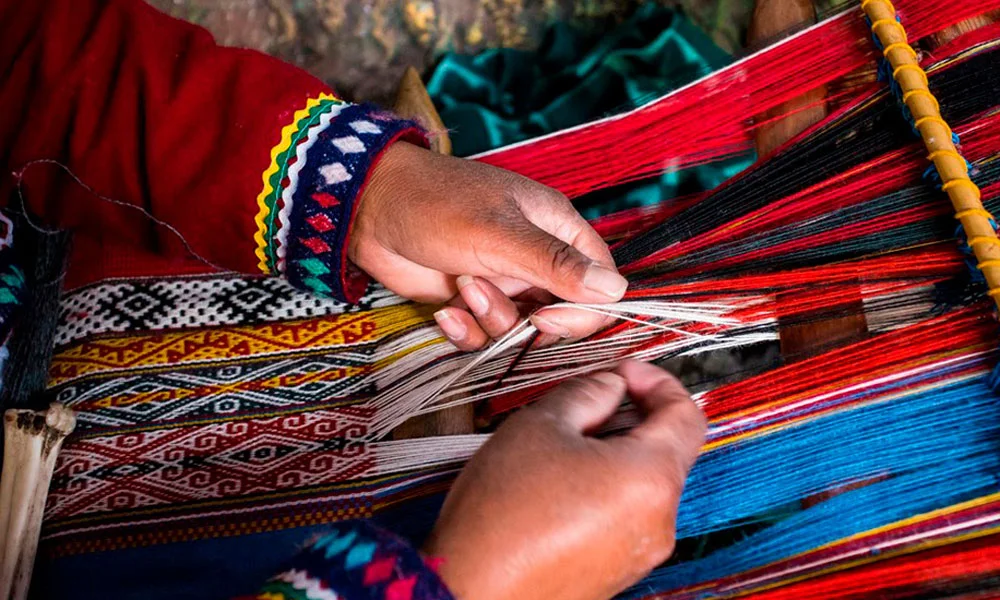
Peruvian handicrafts hold great cultural value. They are made by artisans using ancient techniques passed down through generations. Each region offers unique styles and handcrafted pieces. Purchasing them supports the local economy and preserves tradition.
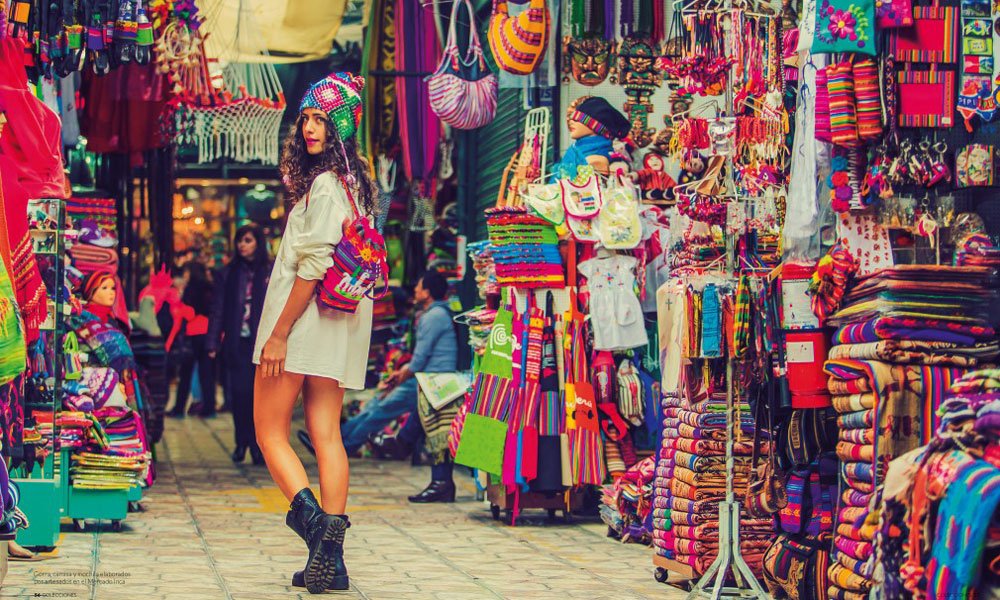
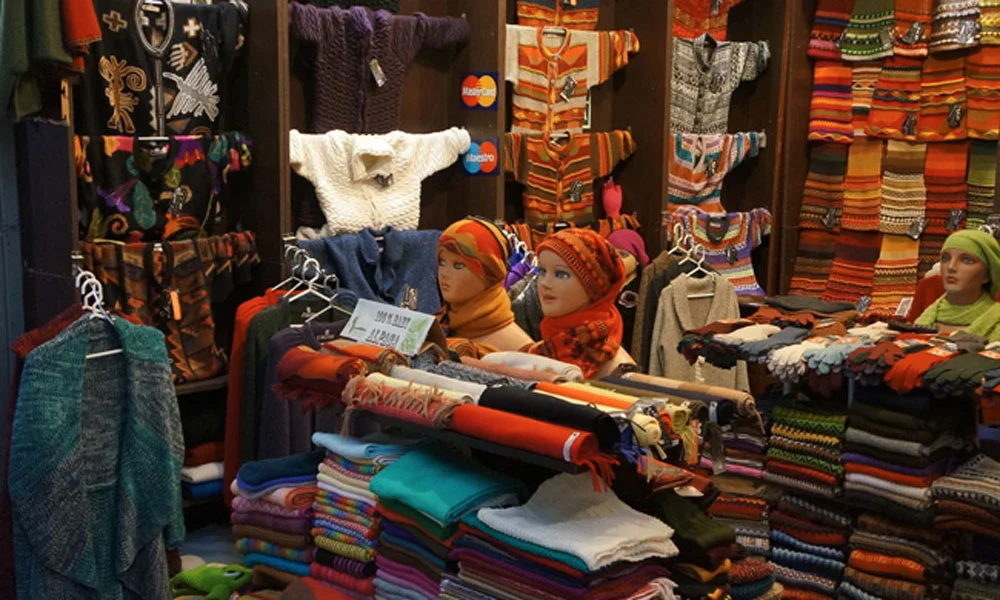
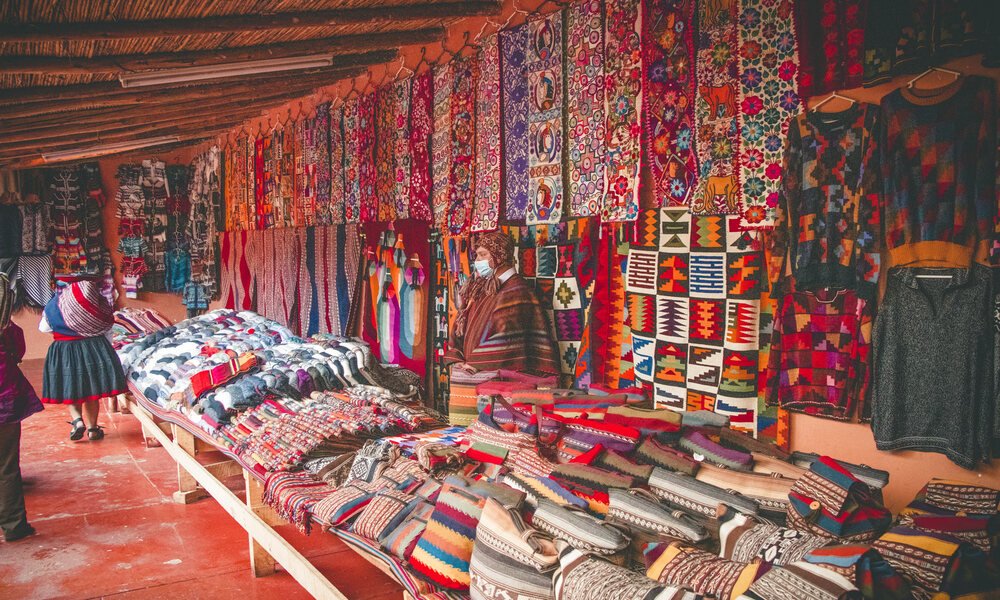
Among the most sought-after handicrafts are alpaca and baby alpaca textiles, chullos (Andean hats), scarves, and ponchos. Also popular are the ceramics from Chulucanas, carved gourds, silver jewelry from Catacaos, and Cusco embroidery. Each piece has its own identity and is unique.
The best places to buy quality handicrafts are the Miraflores Artisan Center, the San Blas neighborhood in Cusco, and the Pisaq market in the Sacred Valley. The Cusco Center for Traditional Textiles is also noteworthy, selling authentic handmade textiles. If buying at markets, it’s always best to ask if it’s genuine baby alpaca to avoid imitations.
Prices depend on the material and the craftsmanship. An alpaca scarf can cost from seventy soles. A baby alpaca cape can cost more than three hundred soles. Fine pottery from Chulucanas usually costs between forty and two hundred soles.
⇓
How to Pack Your Purchases on a Plane
Packing purchases on a plane is easy when you know how to pack them and what rules to follow. Liquid products like pisco should always go in your checked luggage. Place the bottle in the center of your bag and cover it with clothing to prevent damage. Don’t put it on the edges because it will be subjected to more pressure during transit. If you’re carrying more than one bottle, separate them with soft clothing.
Coffee, cocoa, and chocolate can go in the cabin or in the hold, although it’s best to carry them with you to maintain their aroma and freshness. Use sealed packages and store them in an additional bag to prevent breakage. Chocolate can melt from the heat, so keep it in your backpack or carry-on bag.
Fragile handicrafts like matte ceramics or small figurines are best carried in your hand luggage. Wrap each piece in soft clothing or padded paper and place them in the center of your backpack where they’ll be more protected. Don’t carry them in the outside pockets because they can be damaged. Textiles like scarves, ponchos, or chullos (Andean hats) can be packed anywhere in your luggage because they are lightweight and durable.
Silver jewelry is best carried in the cabin in a small case to prevent damage or loss. Avoid storing it in loose bags to prevent scratches.
Before traveling, check customs and airline regulations to avoid problems. Most allow coffee, cocoa, and chocolate without restriction and permit one or two bottles of liquor, depending on the country. Keep your purchases well protected and avoid opening products before arriving at your destination.

⇓
How to Avoid Imitations
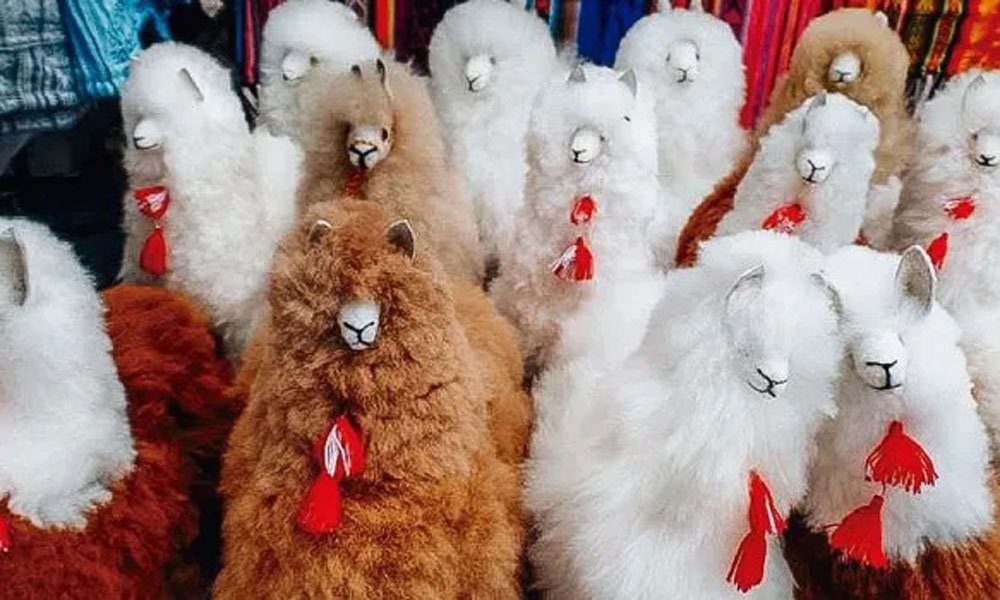
Avoiding imitations helps you buy authentic, high-quality products. In textiles, baby alpaca is soft, doesn’t itch, and has a uniform texture. If a garment feels stiff, rough, or too cheap, it’s probably not real alpaca but a synthetic blend. Always ask about the origin of the fiber.
When buying pisco, check that the bottle has the designation of origin seal and a clear label with the grape variety and production area. A bottle without this information is usually low quality or a counterfeit.
When buying coffee, check the roasting date and origin. Fresh coffee has a recent date and comes in a bag with a valve. If it doesn’t have a date or producer information, it’s best to avoid it.
When buying cocoa and chocolate, check the percentage of cocoa. Quality chocolates have simple ingredients and a true percentage. Very cheap products usually have little cocoa and many additives.
When buying handicrafts, avoid identical pieces because they are usually mass-produced. Handmade pieces have unique details and slight variations. Ask about the community that made them.
When buying jewelry, always check for the 950 or 925 hallmark, which identifies genuine silver. If the piece tarnishes or changes color easily, it’s not real.
Shopping carefully and checking the details will help you get authentic, high-quality products. Each genuine item has a texture, weight, and finish that feel different from a fake.
⇓
Helpful Tips for Shopping in Peru
Always check the labels. For alpaca, look for the phrase “100% baby alpaca.” For coffee, check the origin and score. For cacao, verify the percentage of purity. For pisco, check the designation of origin.
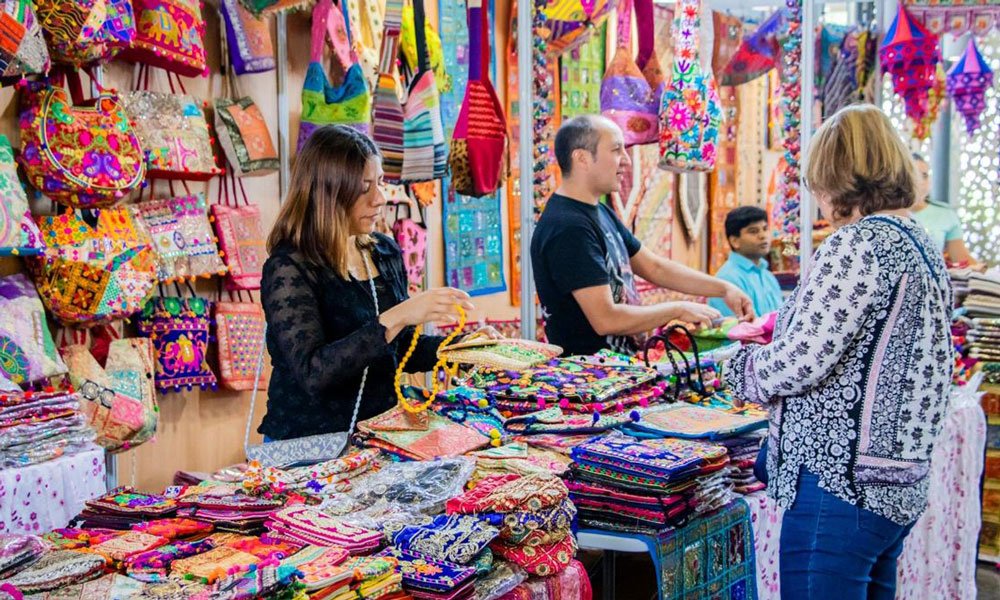
Buy from reputable stores or producers’ associations. Negotiate at markets, but do so respectfully. Avoid buying very cheap imitations, as they are usually of poor quality.
If you are traveling by plane, pack your purchases in a padded suitcase. Pisco must be checked. Coffee and cacao can be carried in the cabin.