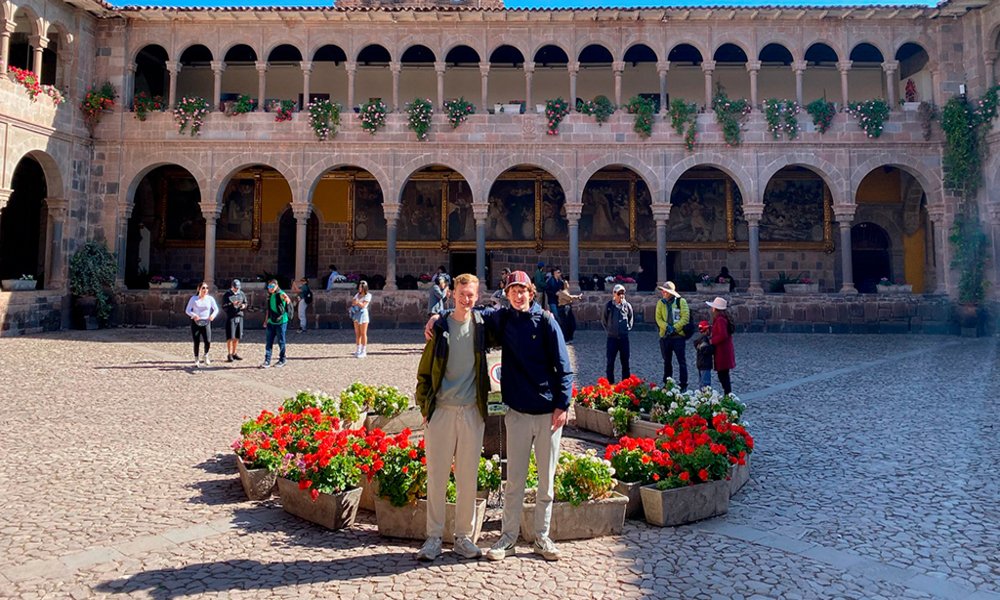
“Qorikancha, the Golden Heart of the Inca Empire.”
In the heart of Cusco lies Qorikancha , the legendary Temple of the Sun, one of the most important centers of the Inca Empire. Indeed , its walls, once covered in gold, showcase the incredible architectural skill and profound spirituality of the Incas. However , with the arrival of the Spanish, the Convent of Santo Domingo was built upon its foundations, creating a fascinating intersection of two cultures.
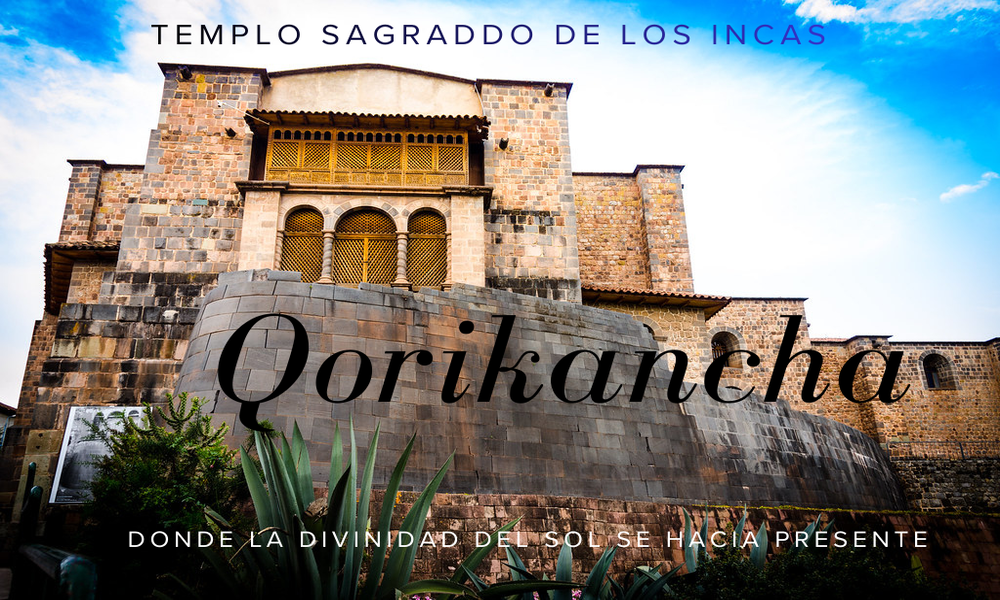
Today , visiting Qorikancha is like traveling back in time and discovering the historical and cultural legacy that still beats in the heart of Cusco.
What is Qorikancha?
Qorikancha, whose name comes from the Quechua words quri (gold) and kancha (enclosure or temple), was the main temple of the Inca Empire, dedicated to the worship of the god Inti, the Sun. Located in the heart of Cusco, the ancient Inca capital, this temple was not only a religious center, but also a space for astronomy, politics, and Andean cosmology.
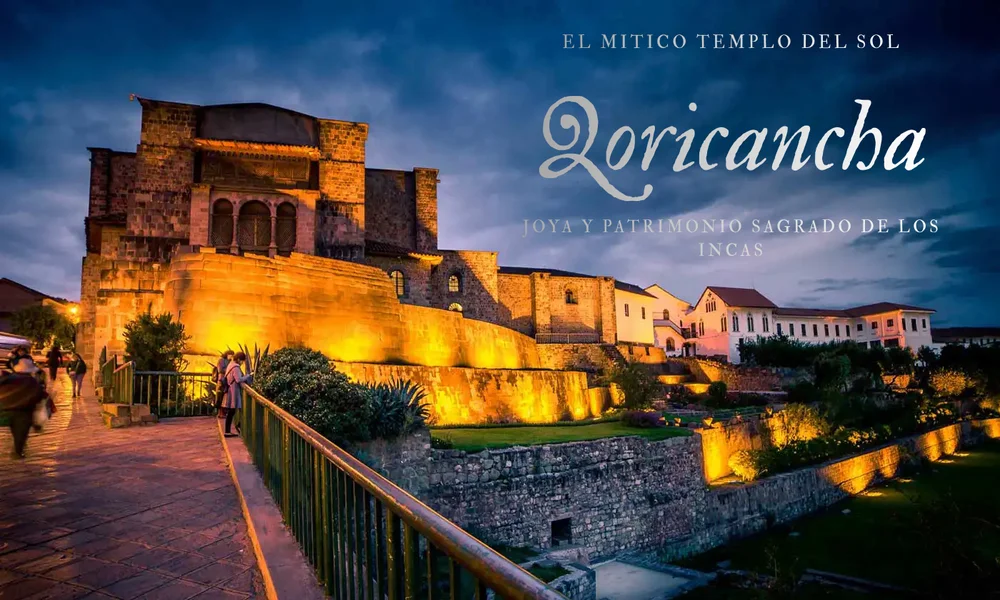
During the reign of Inca Pachacuti (15th century), artisans renovated and embellished Qorikancha with over 700 solid gold plates, silver sculptures, and representations of animals and plants in precious metals, making the temple shine spectacularly as it reflected the sunlight. It thus symbolized the power and devotion of the empire to the most important celestial body in its worldview .
Architecture and Function
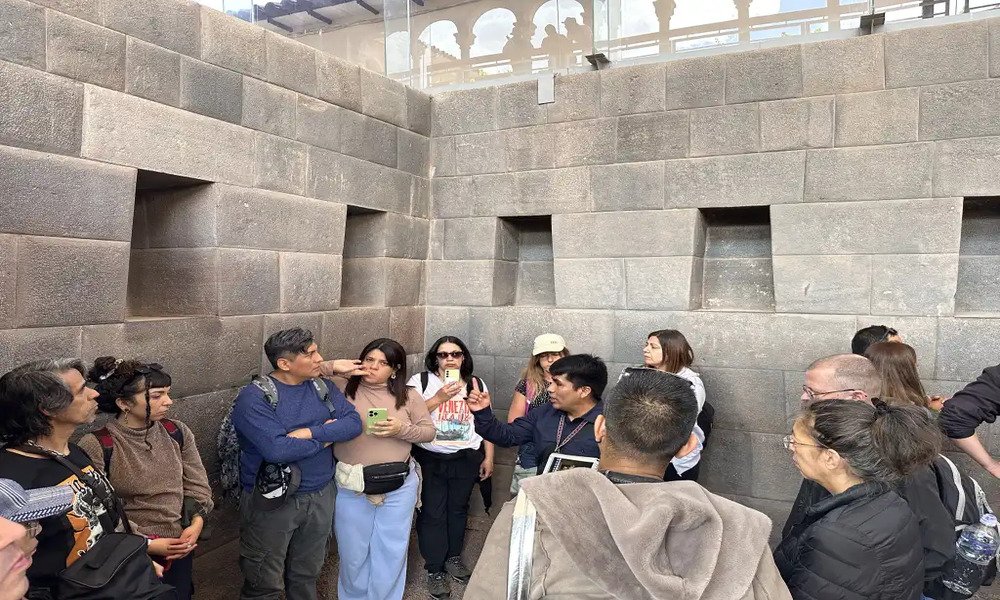
The Inca architectural mastery is evident in their use of fitted stone masonry without mortar, a technique that allowed the walls to survive earthquakes for centuries. The complex not only worshipped the Sun, but also included spaces dedicated to other deities, such as the Moon ( Mama Quilla ), the stars, the rainbow, and thunder, making it a truly multifunctional sacred center. Furthermore , it served as an astronomical observatory, with walls and niches aligned to track phenomena such as the solstices.
From Inca Temple to Colonial Convent
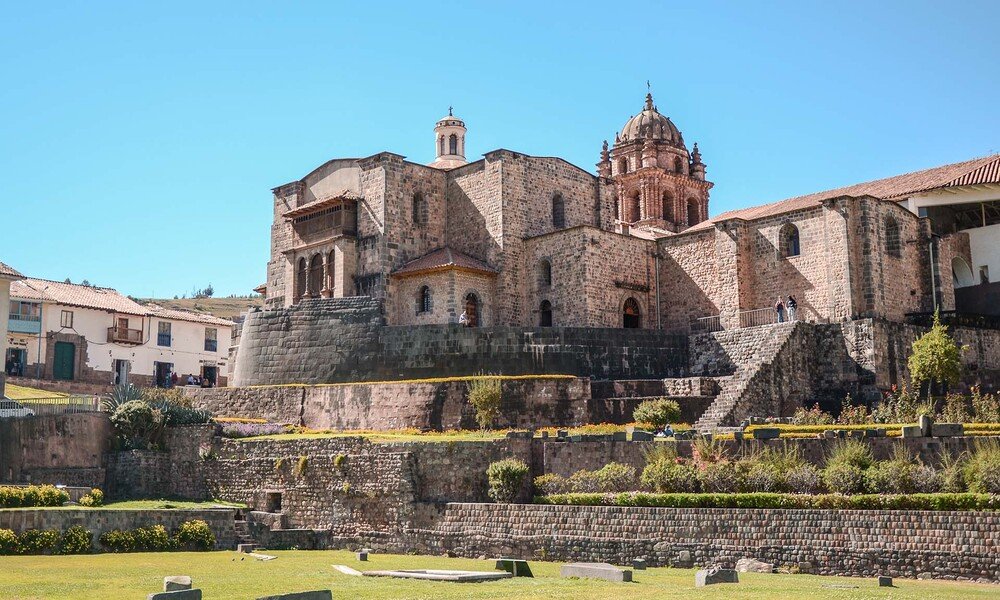
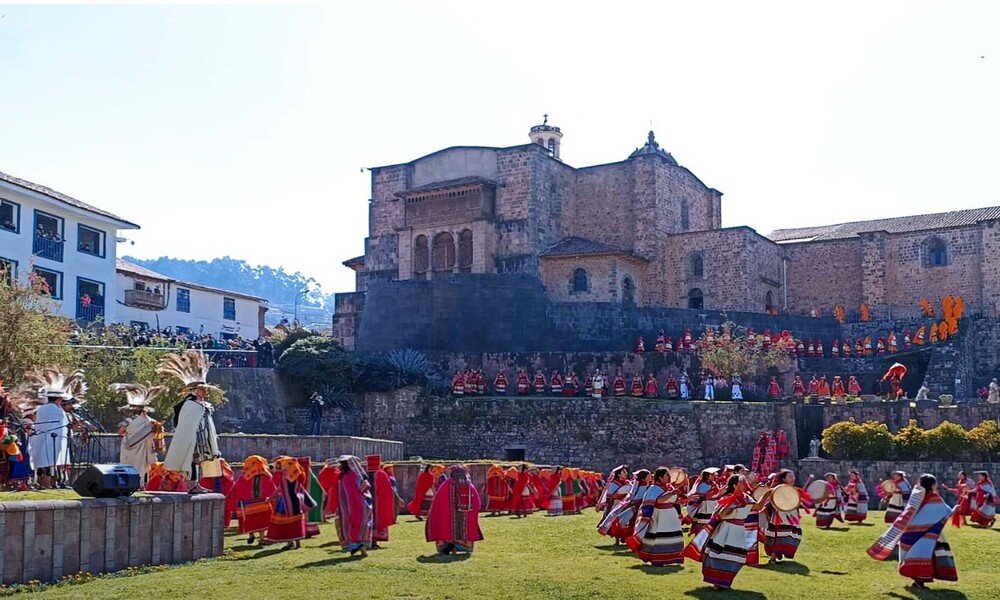
With the arrival of the Spanish in the 16th century, the impressive temple was looted, and much of its wealth was melted down and sent to Europe. Later , upon its walls and foundations, the Dominican order built the Convent and Church of Santo Domingo, integrating the Inca walls into the new colonial structure. The result is a unique architectural fusion, where Inca stone blends with Spanish Baroque elements, symbolizing the clash and fusion of cultures.
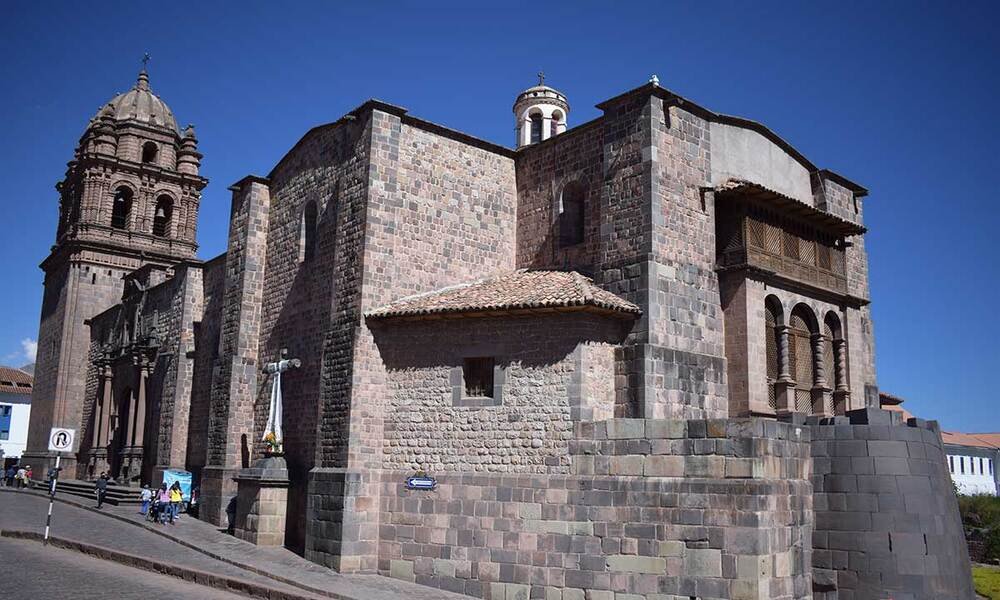
Consequently , this contrast, walls perfectly fitted alongside vaults and baroque details, makes Qorikancha one of the most emblematic examples of historical and architectural syncretism in Peru.
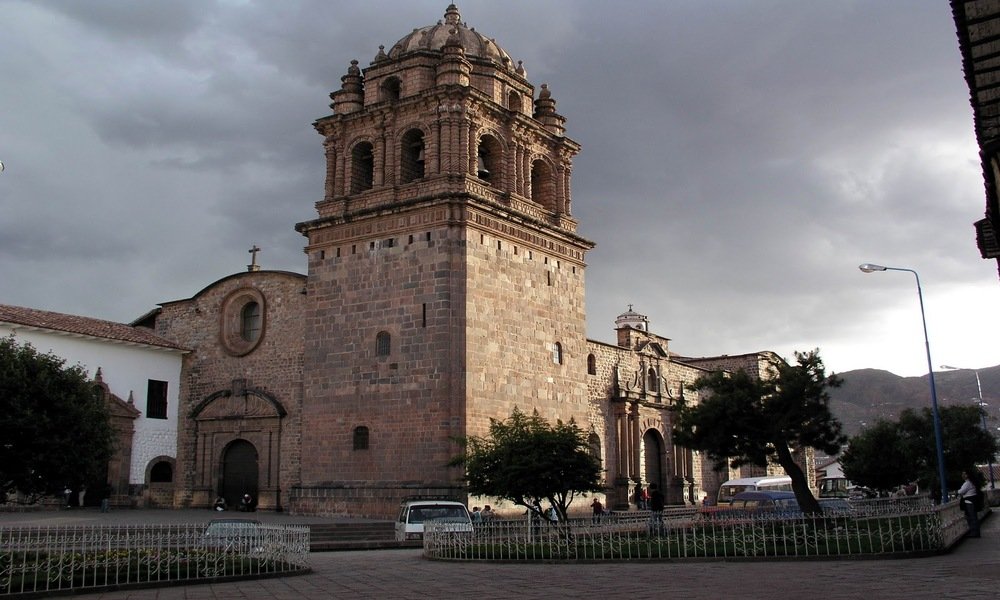
Santo Domingo Temple
The Temple and Convent of Santo Domingo was built upon the foundations of the ancient Qorikancha after the arrival of the Spanish. This colonial church is a prime example of cultural syncretism, where perfectly assembled Inca walls blend with Spanish Baroque arches, altars, and details. In fact , the temple not only serves a religious function but also preserves the history of the fusion between Inca and Spanish culture, making it one of Cusco’s most emblematic sites.
Golden Garden of Qorikancha
Spanish looting spared the space’s design and stone structures representing animals, plants, and astronomical symbols. This space was not only decorative but also held ceremonial and religious significance , as it was used for rituals dedicated to the Sun ( Inti ) and other important gods of the Inca pantheon.
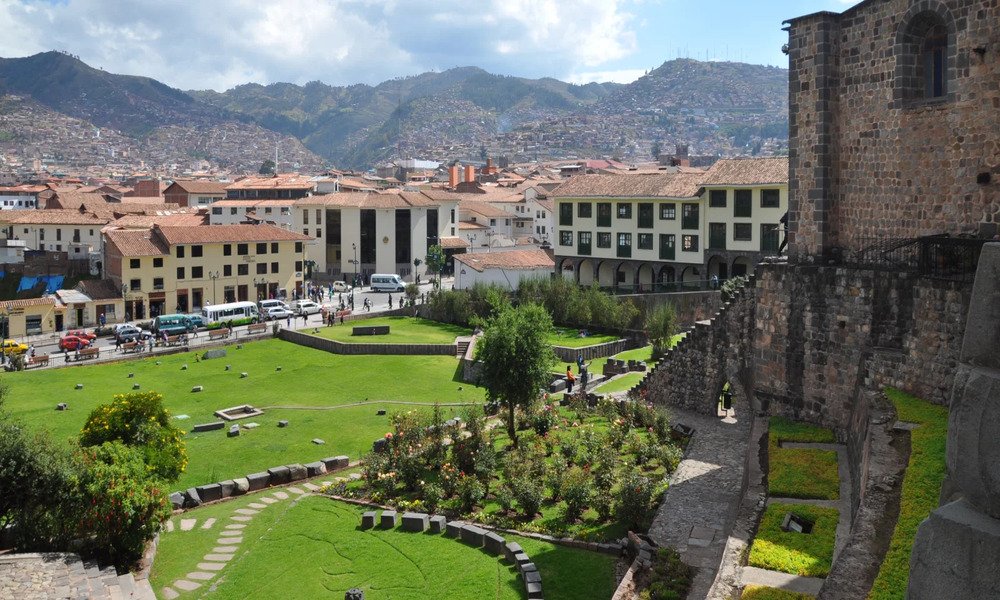
With the arrival of the Spanish, much of their gold and silver ornaments were looted, but the design of the space and the stone structures survived to this day , allowing us to appreciate the precision of Inca architecture and its sophisticated organization of spaces.
the Golden Garden can be seen within the Convent of Santo Domingo, showcasing how the Incas combined art, astronomy, and spirituality in a single space. For visitors, this courtyard is a clear example of the luxury and devotion that characterized Qorikancha.
The Interior of Qorikancha
The interior of Qorikancha blends Inca architectural mastery with Spanish colonial style. Originally, its halls and courtyards were adorned with gold and silver, dedicated to the worship of the Sun and other Andean deities. Today , within the Convent of Santo Domingo, one can appreciate the perfectly assembled Inca walls alongside altars, arches, and Baroque details from the colonial era. This contrast reveals how two cultures intertwined and allows visitors to experience a space that is simultaneously historical, spiritual, and architectural.
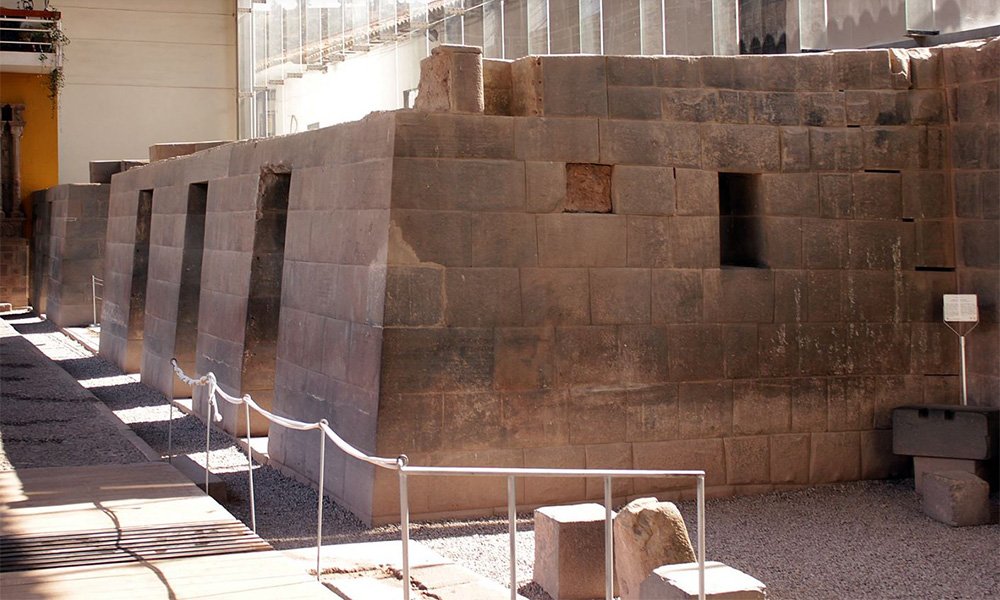
Inside the Convent of Santo Domingo, one can also admire arches, Baroque altars, and colonial details , which contrast strikingly with the Inca stone walls, showcasing the characteristic architectural syncretism of Qorikancha . Furthermore, several interior rooms function as a museum, exhibiting “>artifacts, ceramics, textiles, and archaeological remains from both the Inca and colonial periods, allowing for a deeper understanding of the history and daily life of those who inhabited this place.
Cultural Importance of Qorikancha
Qorikancha was the spiritual heart of the Inca Empire, dedicated to the Sun and a symbol of its power and worldview. The Convent of Santo Domingo, built on Inca foundations, showcases the fusion of Inca and Spanish heritage. Therefore</span> , today Qorikancha is a place where Inca engineering, ancestral spirituality, and the cultural richness of Cusco can be appreciated.
What to expect when you visit
Today, Qorikancha is one of the most visited sites in Cusco. Besides appreciating the incredible Inca construction techniques, visitors can explore the museum, which displays artifacts and remains reflecting both the pre-Hispanic and colonial periods. They can also see a central courtyard where ceremonies were held and observe how the light falls at certain angles, recalling its ancient astronomical significance.
How to get to Qorikancha
Qorikancha is located in the historic center of Cusco, a few streets from the Plaza de Armas, making it very easy to visit on foot.
On foot: From Plaza de Armas, walk for about 5–10 minutes along Santo Domingo street until you reach the convent and temple.
By taxi: Taxis in Cusco are inexpensive; say “Qorikancha” and you’ll arrive in a few minutes.
Tourist transport: Many tour agencies in Cusco include Qorikancha within their tour of the historic center.
Tip: Arriving early allows you to avoid crowds and better enjoy the Inca courtyards and walls.
Conclusion
Qorikancha in Cusco blends Inca mastery with Spanish colonial architecture. Today it is a unique place to explore the history, culture, and legacy of Inca Cusco.