Sacsayhuamán: Fortress of Stone and Inca MysteryAncient Watchtowers
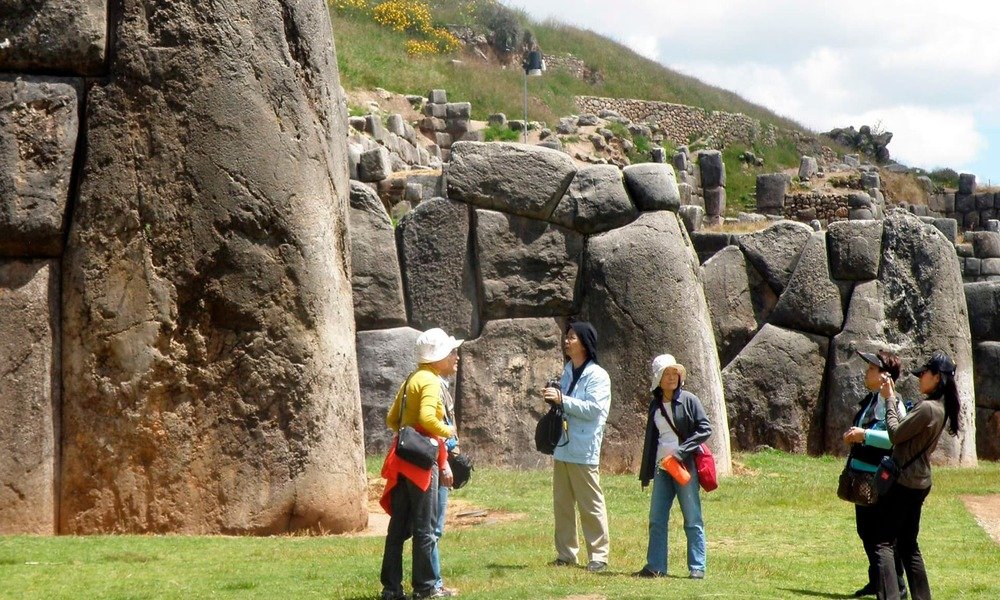
Nestled in the hills surrounding Cusco, Sacsayhuamán stands as a breathtaking testament to the ingenuity and grandeur of the Inca civilization. This imposing stone fortress, renowned for its gigantic blocks fitted together without mortar, combines mystery, history, and architecture in one place.
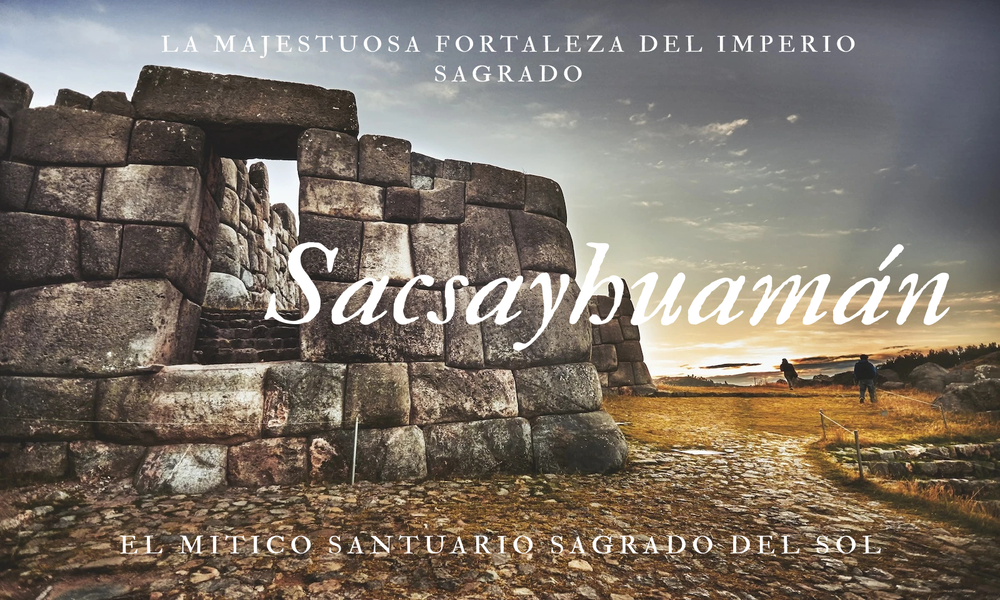
More than just an archaeological site, Sacsayhuaman reveals secrets of the military, spiritual, and cultural life of the Incas, offering visitors an experience that connects Peru’s glorious past with the majesty of its landscapes.
What is Sacsayhuamán?
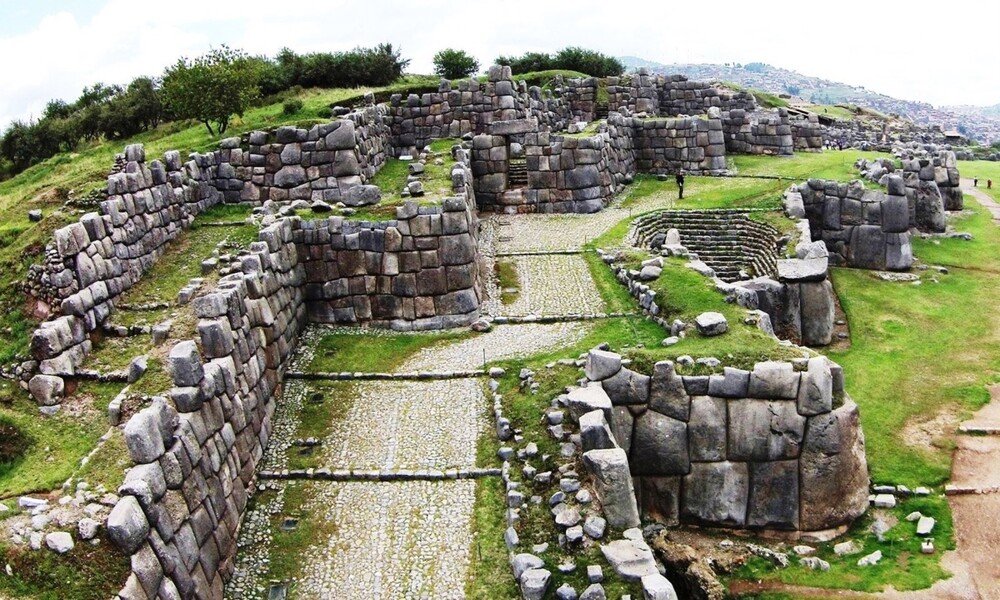
Sacsayhuamán is an Inca archaeological complex located in the hills surrounding Cusco, Peru . It is a ceremonial and military fortress built between the 15th and 16th centuries, famous for its enormous stone walls, perfectly fitted together without mortar.
It served not only a defensive purpose but also as a religious and ceremonial center , possibly dedicated to the worship of the Sun and other Inca deities. Today, it is one of Peru’s most important tourist and cultural sites and is part of the UNESCO World Heritage Site along with the historic center of Cusco.
History and Function
Sacsayhuamán was built between the 15th and 16th centuries under the rule of Inca Pachacuti and his successors. Although many know it as a military fortress, recent studies suggest that it also had a ceremonial and religious use, possibly dedicated to the worship of the Sun and the defense of Cusco, the capital of the Inca Empire. During the Spanish conquest, the fortress was the site of important conflicts, including the Inca resistance.
Architecture and Construction
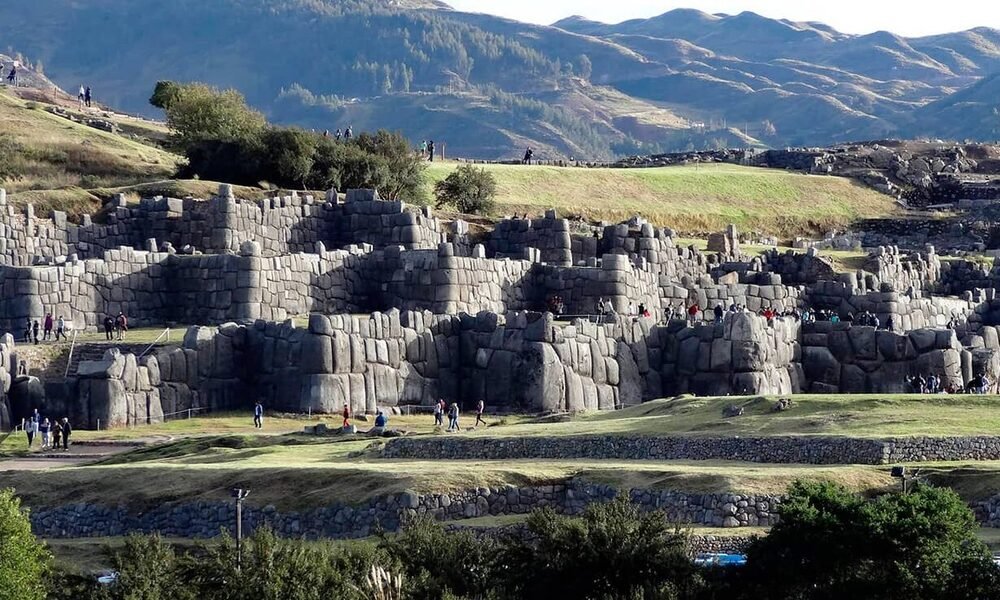
The most striking feature of Sacsayhuamán is its impressive stonework: enormous stones fitted together with precision, some irregularly shaped, that have withstood earthquakes for centuries. The fortress has a zigzag design that, according to some interpretations, resembles lightning or a bird in flight. In addition to its walls, the complex includes plazas, water channels, and ceremonial platforms.
Ancient Watchtowers
During the Inca Empire , the city of Cusco and its surroundings had a sophisticated defense system , made up of fortresses and towers such as Muyucmarca, Sayacmarca, and Paucarmarca , designed for military, ceremonial, and territorial control functions . The precision in their construction and their strategic location reflect the Inca architectural and military advancement and their ability to integrate the natural environment into the planning of their complexes.
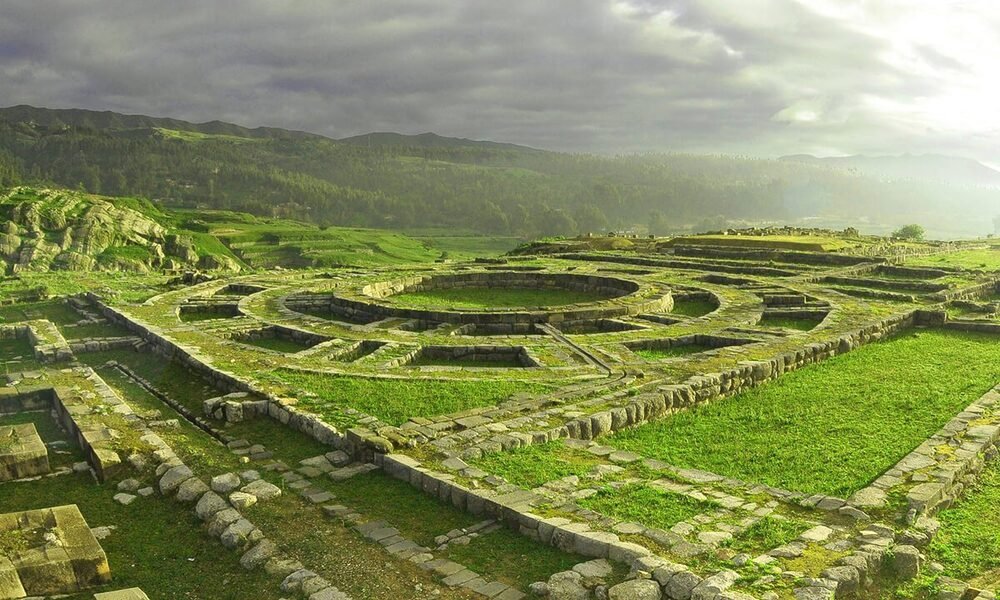
Studying these towers allows us to understand how the Incas protected Cusco, ensured control of routes, and demonstrated the connection between the ceremonial, the military, and the administrative in their civilization.
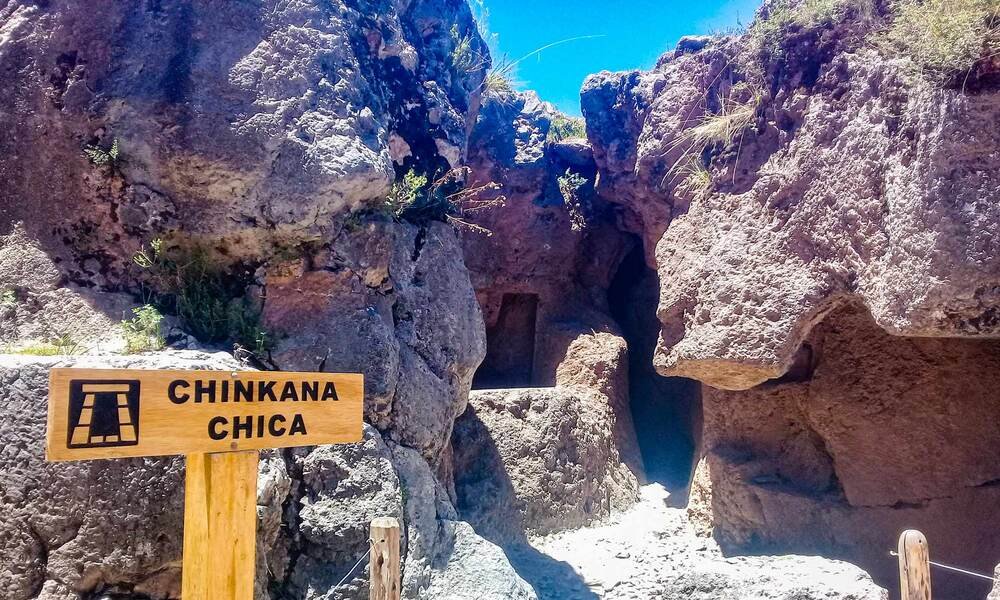
Chinkanas
Chinkanas are emblematic structures of the Inca Empire , characterized by their labyrinthine passageways and corridors , built with perfectly fitted stones. Their name in Quechua means “labyrinth” or “hiding place,” reflecting their strategic and ceremonial function . These constructions are found mainly in the fortresses and archaeological sites near Cusco.
Suchuna of Sacsayhuamán
It is located north of the Sacsayhuamán archaeological complex and is characterized by a diorite rock outcrop, whose morphology in certain places resembles a slide, hence its popular name, Resbaladero or Rodadero (Slide). Some research indicates that the Incas extracted stones from this site for the construction of their walls.
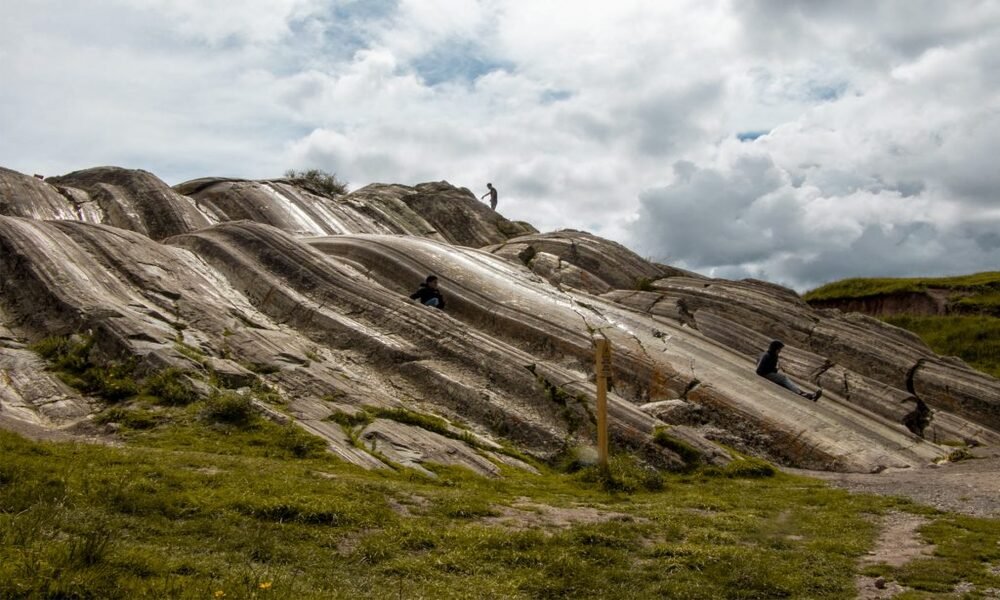
It was part of the administrative, ceremonial, and military system of Sacsayhuamán.
Water reservoirs of Sacsayhuaman
The qochas (also spelled cochas or quchas ) of Sacsayhuamán are reservoirs and hydraulic systems built by the Incas to capture, store and regulate water , especially rainwater and spring water.
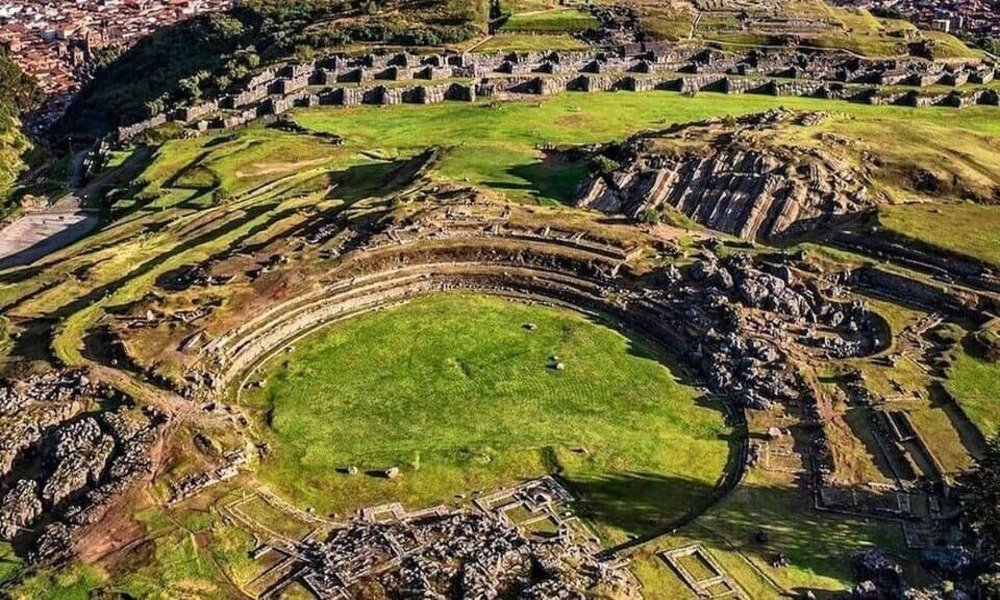
Sacsayhuamán today
Today, Sacsayhuamán is a major tourist and cultural destination. Every year, thousands of visitors come to admire its structures and enjoy the panoramic view of Cusco. Furthermore, Inti Raymi, the Festival of the Sun, the site comes alive with rituals and reenactments that allow visitors to experience the rich cultural heritage of the Inca Empire. The site also features trails and green spaces, perfect for exploring while learning about history, archaeology, and local traditions.
Interesting Facts
The stones of Sacsayhuaman are so heavy that even today the exact methods of transport and installation are a subject of debate.
It is believed that the three main walls represent the head of a puma, a sacred animal for the Incas, while Cusco represented its body.
The precision of its construction has meant that even the strongest earthquakes have not knocked down the walls.
The Festival of the Sun (Inti Raymi)
Inti Raymi (Quechua: Festival of the Sun) is an Inca ceremony honoring the Sun god (Inti), thanking him for harvests and asking for fertility. It was celebrated June 24th in Cusco during the winter solstice.
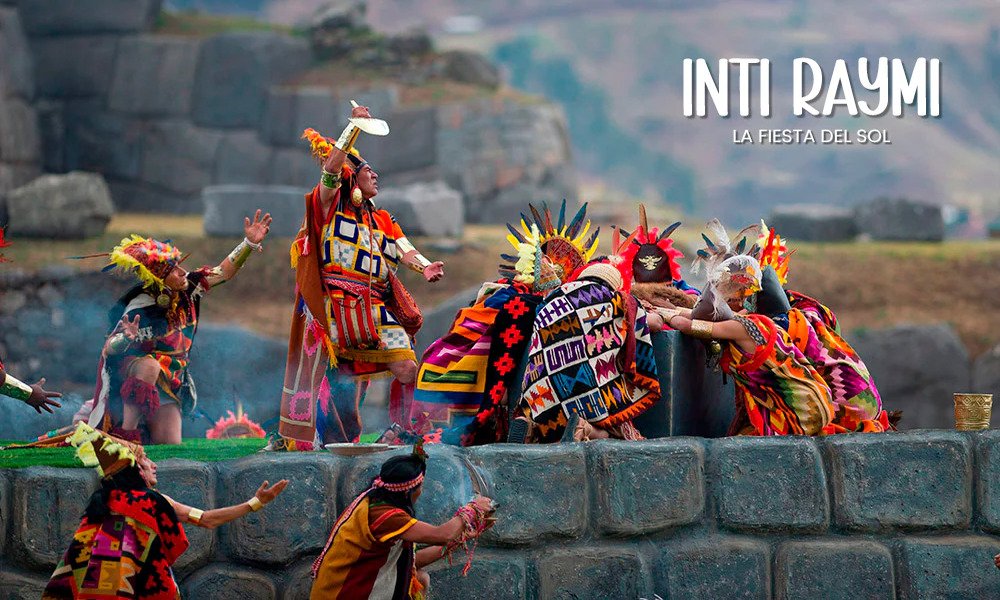
Today, Inti Raymi is celebrated with a theatrical performance at Sacsayhuamán, near Cusco, attracting thousands of tourists and thus remaining one of Peru’s most important cultural festivals.
During the colonial era , this celebration was banned by the Spanish, who considered it a pagan practice. However, Inti Raymi survived as a popular tradition passed down from generation to generation and is now preserved and celebrated as a major cultural and tourist attraction in Peru.
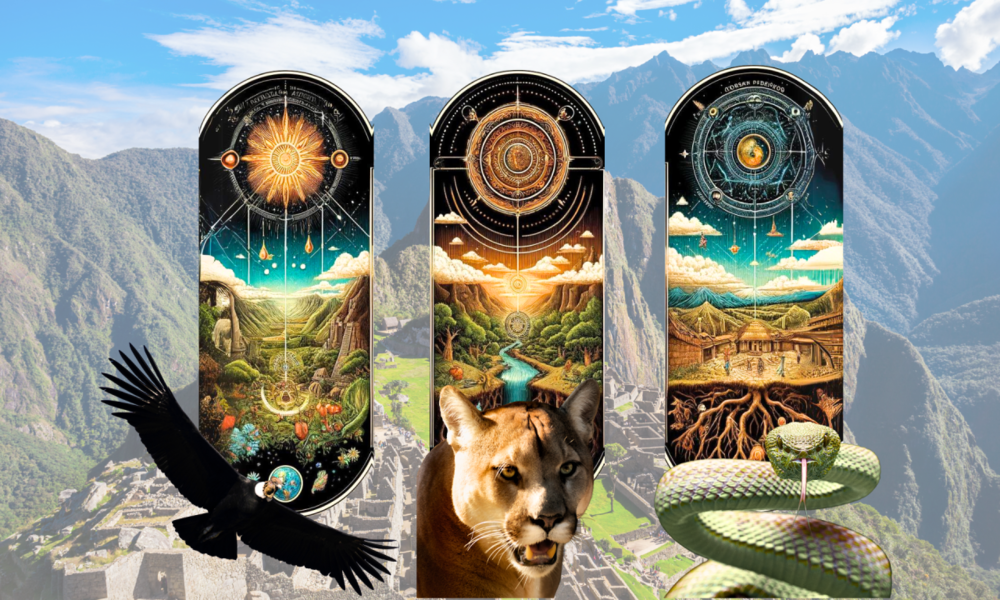
Inti Raymi reflects the Andean worldview, emphasizing the sacred bond between humans, nature, and the stars, with the Sun as the central source of life and energy.
Rituals and Traditional Activities
Religious ceremonies: Offerings to the sun, animals (such as llamas) and food.
Ritual sacrifice: In Inca times, a llama was sacrificed to ask for a good harvest.
Dances and music: Priests, nobles and nearby peoples participated, with typical dances.
Representation of the Inca: Today, a great theatrical spectacle is performed, where an actor represents the Inca, accompanied by soldiers and priests.
Acknowledgment and petition: A request was made for good harvests, fertility and the well-being of the community.
Meaning
Inti Raymi is an agricultural and solar celebration , as it marked the beginning of the agricultural year in the Inca calendar. Through this festival, the Incas paid homage to the Sun as the source of life and energy. It represents the importance of the Sun for human existence , since the Incas believed that the fertility of the land and the abundance of food depended on it . Without the Sun’s protection, the harvests would not prosper.
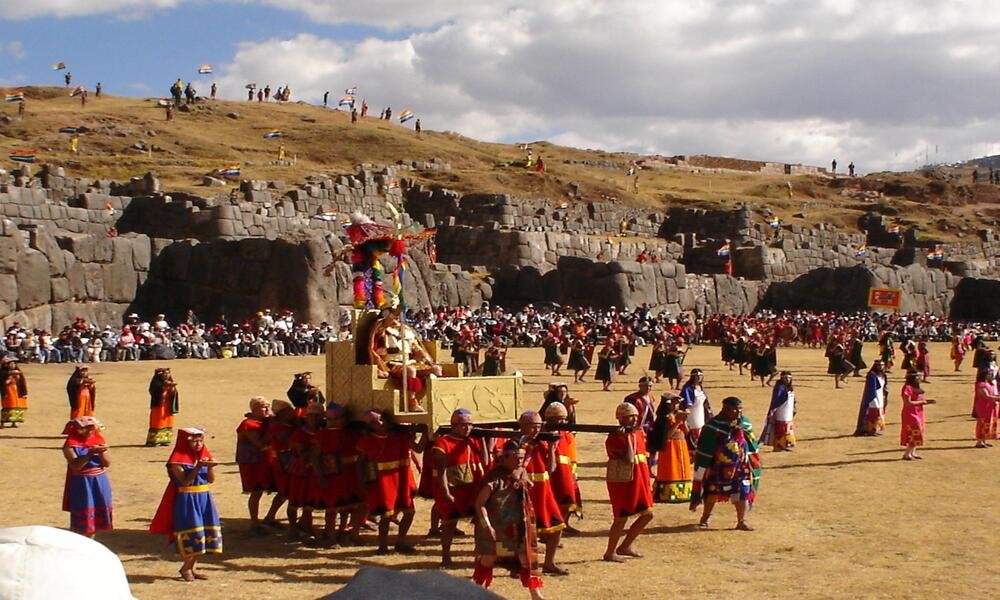
Furthermore, Inti Raymi symbolizes the unity between the Inca, the community and nature , reflecting the Andean worldview based on respect and balance between human beings and the natural world.
Conclusion
Sacsayhuamán is not just a fortress; it is a symbol of the ingenuity, spirituality, and resilience of the Inca people. Visiting this site lets you connect with Peru’s history, admire its architecture, and enjoy the culture of an inspiring civilization.