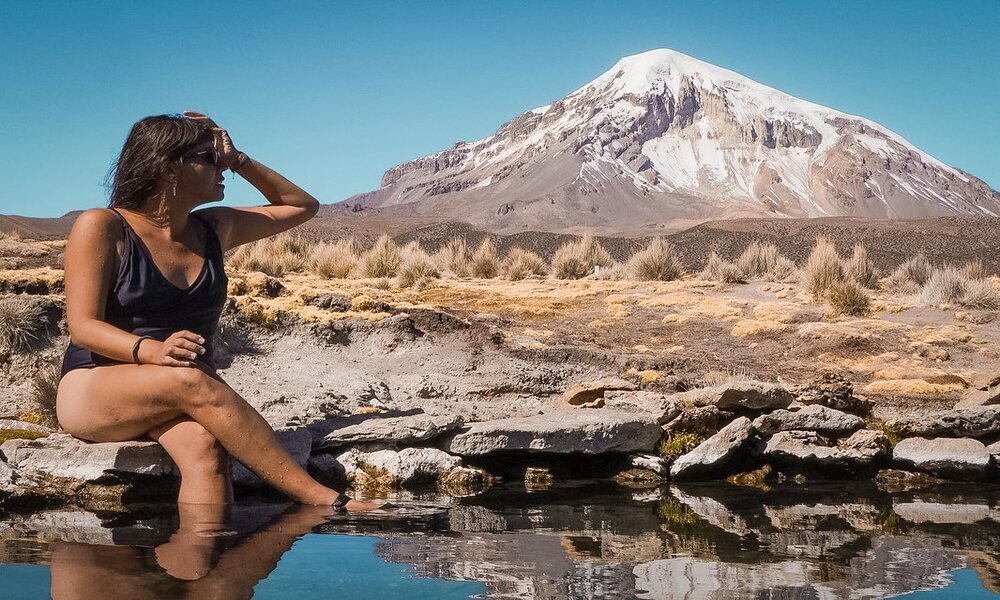
“Nevado Sajama, the highest mountain in Bolivia”
If you’re looking for a unique adventure in Bolivia , Nevado Sajama is a must-see destination. At 6,542 meters above sea level , it’s the country’s highest mountain and an icon of the Andean highlands. Surrounded by glaciers, hot springs, and traditional villages, Sajama offers a breathtaking setting for mountaineering, trekking, and exploring pristine landscapes .
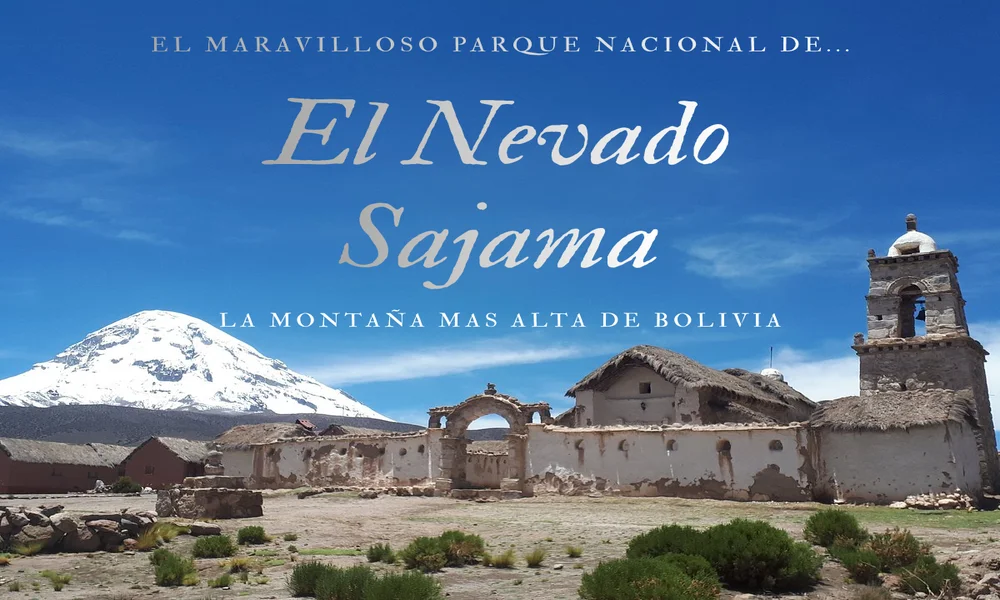
Sajama Mount
Nevado Sajama is an extinct volcano and the highest mountain in Bolivia , reaching an altitude of 6,542 meters (21,463 feet) above sea level. It is located in the Western Cordillera , within Sajama National Park , the first protected area established in the country in 1939 to conserve its unique forests, wildlife, and landscapes.
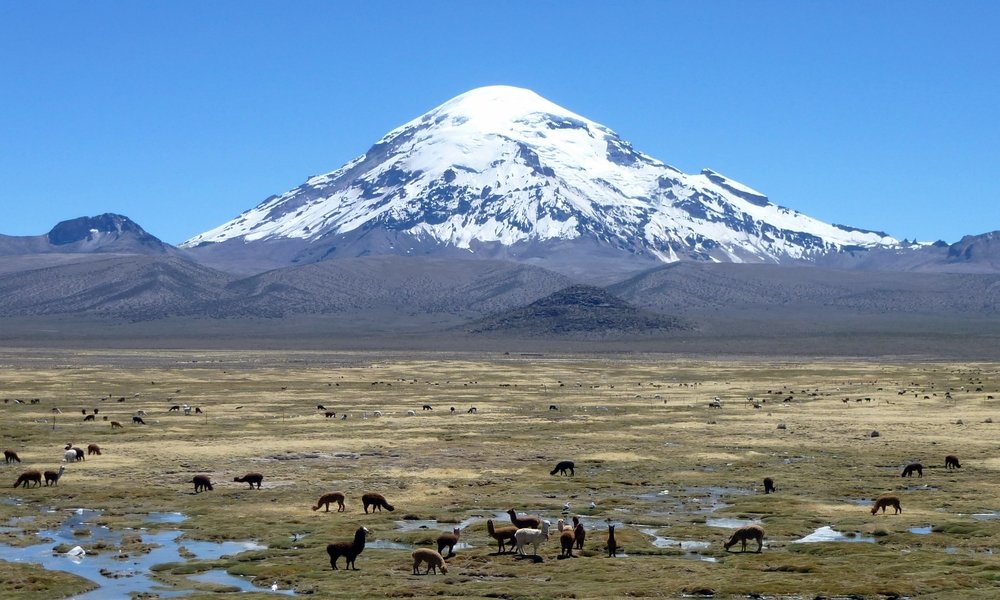
This imposing, conical peak, permanently covered in snow, is one of the greatest attractions for mountaineers and adventurers from around the world. Beyond its sporting value, the mountain holds profound cultural and historical significance for the local Andean communities, having been considered a sacred site in pre-Incan times.
Location
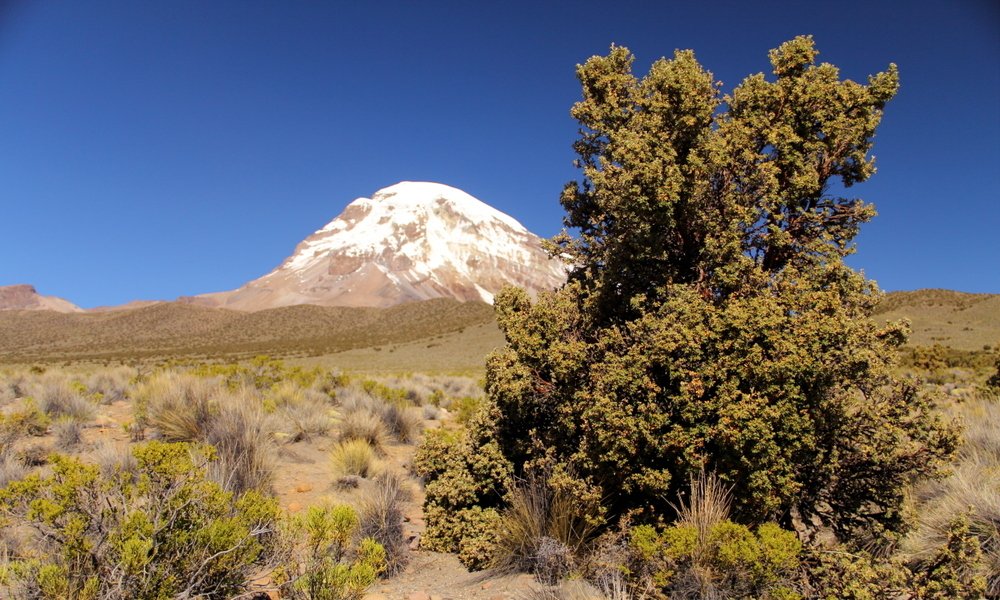
Nevado Sajama is located in Sajama National Park , in the department of Oruro , near the border with Chile. The park encompasses a vast area of over 100,000 hectares of arid high plateau, volcanoes, lagoons, wetlands, queñua forests (Polylepis tarapacana), which constitute the highest altitude forests in the world, and a rich diversity of Andean fauna.
Ecosystems and biodiversity
The vegetation around Sajama is characterized by the puna, a dry high-altitude grassland, and by the presence of queñua forests up to 5,200 m , which represent the highest tree line on the planet.
As for fauna, the region is home to species adapted to the extreme climate of the high plateau, such as vicuñas , viscachas , and various Andean birds. Other migratory birds and iconic species of the Andean landscape can be observed in the nearby wetlands and peat bogs.
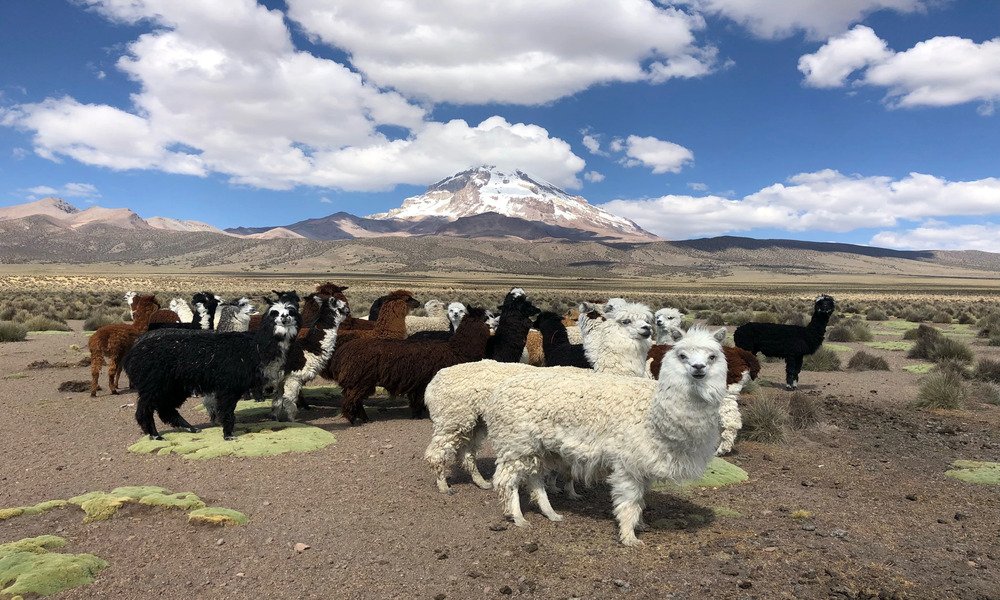
The landscape is home to a mixture of arid puna, grasslands, high peaks and thermal areas that together create a complex ecosystem rich in contrasts.
Culture and history
Sajama is not only geographically important, but also culturally significant. For the Aymara indigenous people, this region has traditionally been considered sacred, and their customs and traditions remain alive in the local communities within the park.
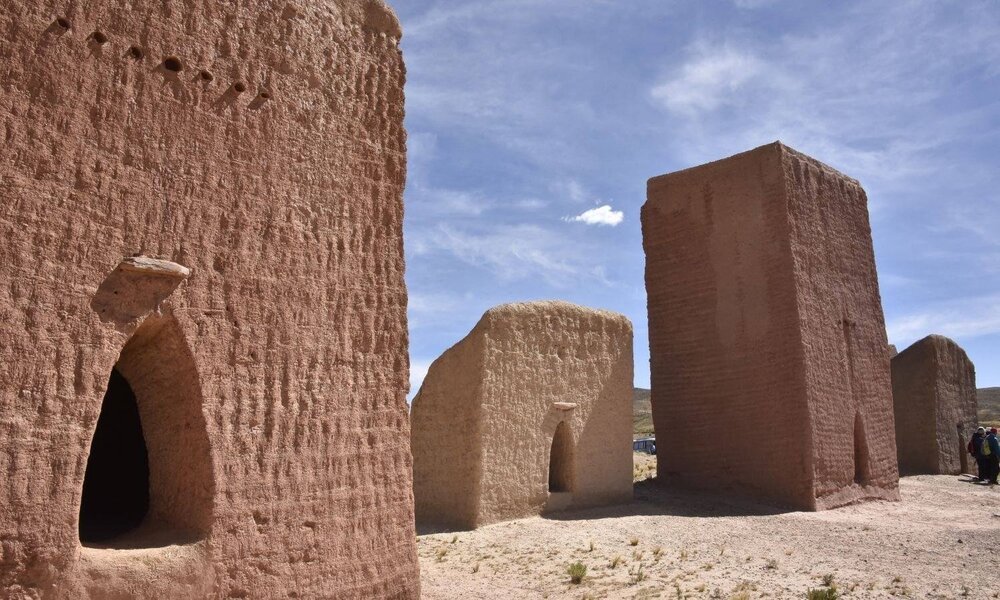
In addition, the Nevado Sajama area contains important archaeological sites that show how ancestral cultures used this landscape. Some 40 archaeological sites have been recorded , including burials in chullpas (funerary towers) and pukaras (fortifications) distributed at different altitudes around the mountain, with ceramic finds demonstrating ancient human presence. Also part of the region is the vast Sajama Lines system , a network of thousands of pre-Hispanic roads carved into the high plateau, likely used to connect ceremonial sites, sanctuaries, and indigenous settlements.
Communities near Nevado Sajama
Sajama (town): The main community closest to Nevado Sajama. Located at just over 4,200 m in the heart of Sajama National Park, it serves as a base for exploring the mountain, trails, hot springs , and other attractions. Simple accommodations, restaurants, and basic services for travelers are available here.
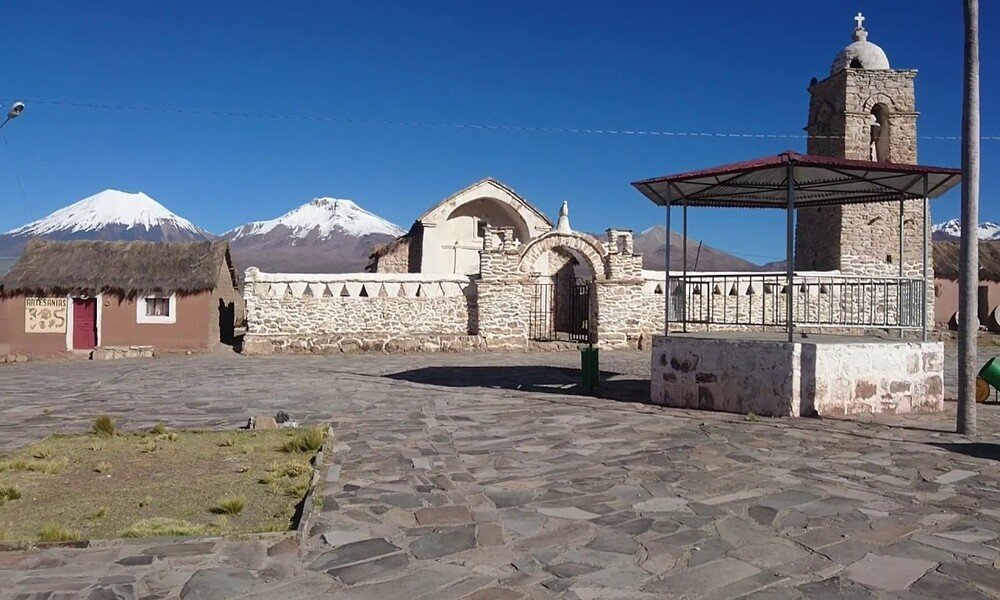
Caripe: A town within the park , a few kilometers northeast of Nevado Sajama. It is near the Tomarapi River and is known for community-based ecotourism initiatives , including the Tomarapi Lodge and nearby hot springs.
Other communities in the area: The park is home to approximately five Aymara indigenous communities that have developed community-based tourism, with eco-lodges, restaurants, camelid centers, and visitor services. These communities also help protect local flora and fauna and offer cultural experiences to tourists.
Turism and activities
Mountaineering: The ascent to the peak represents an attractive challenge for experienced and well-acclimated mountaineers, with technical routes of ice and snow.
Hiking and trekking: Walks around the area allow you to explore queñua forests, wetlands and lagoons.
Wildlife and nature observation: The biological diversity of the park is ideal for bird and wildlife observation.
Hot springs: In the park there are springs with natural hot springs, perfect for relaxing after days of hiking.
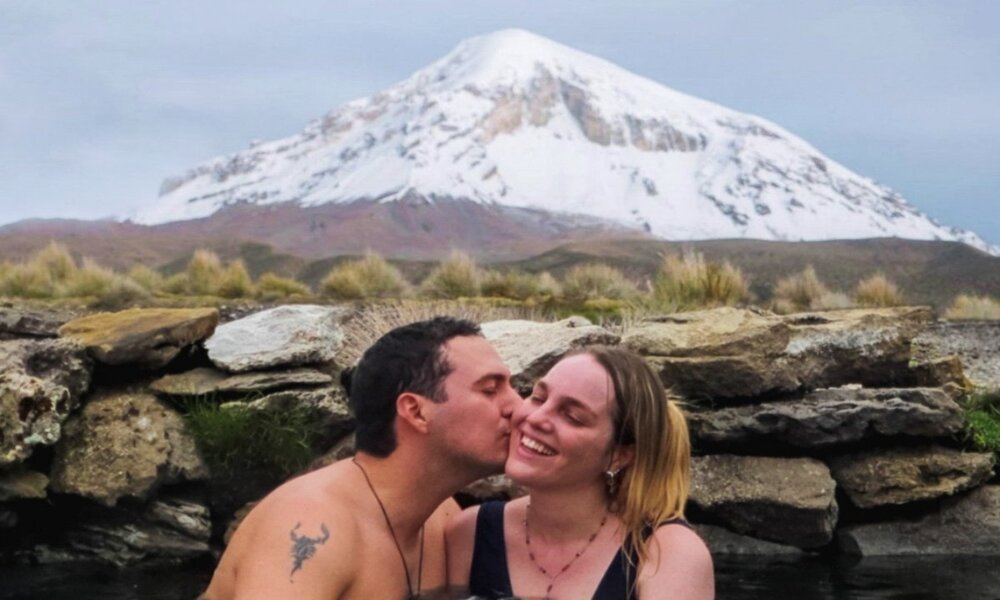
The park is also famous for its geysers, lagoons, and volcanic landscapes that enrich the visit.
How to get there
From La Paz: Travel by road to Oruro and then to the town of Sajama, which serves as a base for exploring the park and the mountain.
From Oruro: The city of Oruro is a common access point, with land transport connecting to the park area.
Reasons to visit
Nevado Sajama combines extreme altitude, pure Andean landscape, biodiversity adapted to harsh conditions, living ancestral culture and mountaineering challenges, making it one of Bolivia’s most impressive destinations for adventurers and nature lovers.
Recommendations
Acclimatization: Spend 1–2 days acclimatizing to the altitude (the park is over 4,000 m) to avoid altitude sickness. Drink water and rest before strenuous activities .
Best time to visit: Between April and November (dry season), when trails and paths are more accessible.
Clothing and equipment: Wear layers of clothing , a coat, sun protection, sunglasses, a hat, and sturdy trekking boots , as the weather can change quickly.
Money and logistics: Bring cash because there are few ATMs near the park and the entrance fee is around 100 Bs for foreigners .
Registration: Register at the park office ( SERNAP ) upon arrival to legalize your visit.
Activities: Explore trails , queñua forests, hot springs and geysers , and observe wildlife such as vicuñas and Andean birds.
Hydration and health: Stay hydrated, avoid alcohol at first , and consider chewing coca leaves or drinking coca tea to help with altitude.