


Supporting Peruvian Artisans and Small Businesses
Supporting Peruvian Artisans and Small Businesses
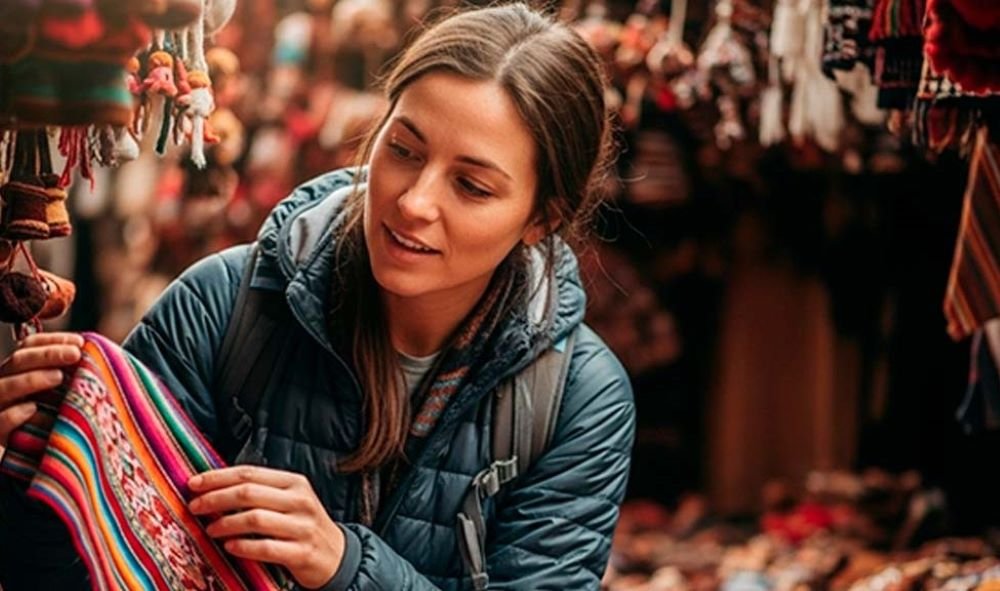
Culture, tradition, and craftsmanship are three aspects that make Peru a rich country. Numerous communities in Peru, from the artisans of Chinchero and Cusco to the potters of Ayacucho and the silver workshops of Arequipa, depend on craftsmanship as their main means of subsistence, but how we can be part of Supporting Peruvian Artisans and Small Businesses?
When you purchase a handmade alpaca sweater, a carved gourd, a piece of silver jewelry, or a hand-woven textile, you are not only bringing home a souvenir, but also helping to preserve centuries of knowledge and supporting the families that uphold cultural identity.
Why it is important to support artisans in Peru
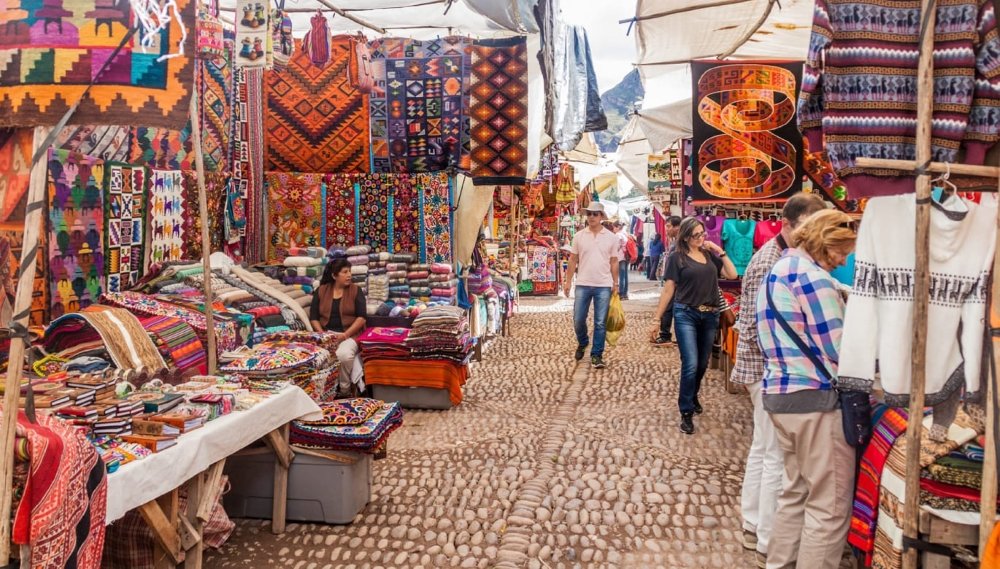
In Peru, artisan traditions tend to be passed down from generation to generation, particularly among indigenous communities in the Andes and the Amazon.
When tourists support artisans:
- Traditional knowledge is preserved.
- Local families and communities benefit directly.
- Fair income strengthens the economies of each region.
- Cultural identity continues to be appreciated and respected.
- Slowly and sustainably made products take priority over accelerated production.
Your decisions help ensure that Peru’s cultural heritage is not lost.
How to identify authentic Peruvian handicrafts
Look for:
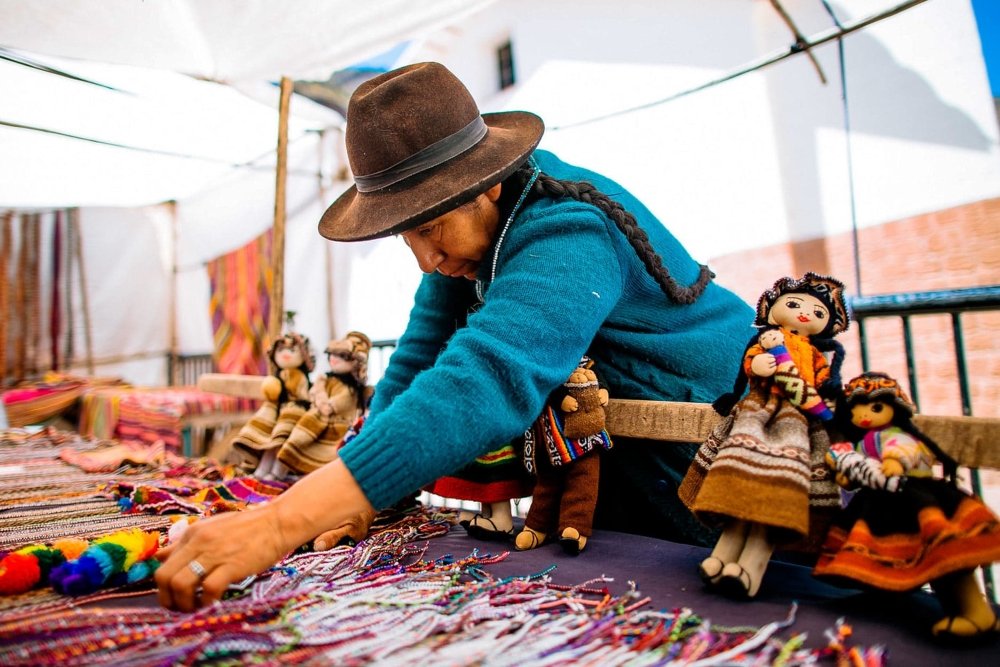
- Hand-woven patterns (small variations are a sign of genuine craftsmanship)
- Natural alpaca fibers (warmer and softer than acrylic)
- Artisans who can explain the cultural significance of the designs.
- Cooperatives that list the names of the artisans.
- Fair prices and clarity about how the products are made.
If something seems “too cheap,” it may not have been made by artisans or they may not have been paid a fair price.
Your decisions help ensure that Peru’s cultural heritage is not lost.
Simple ways to support small businesses in Peru
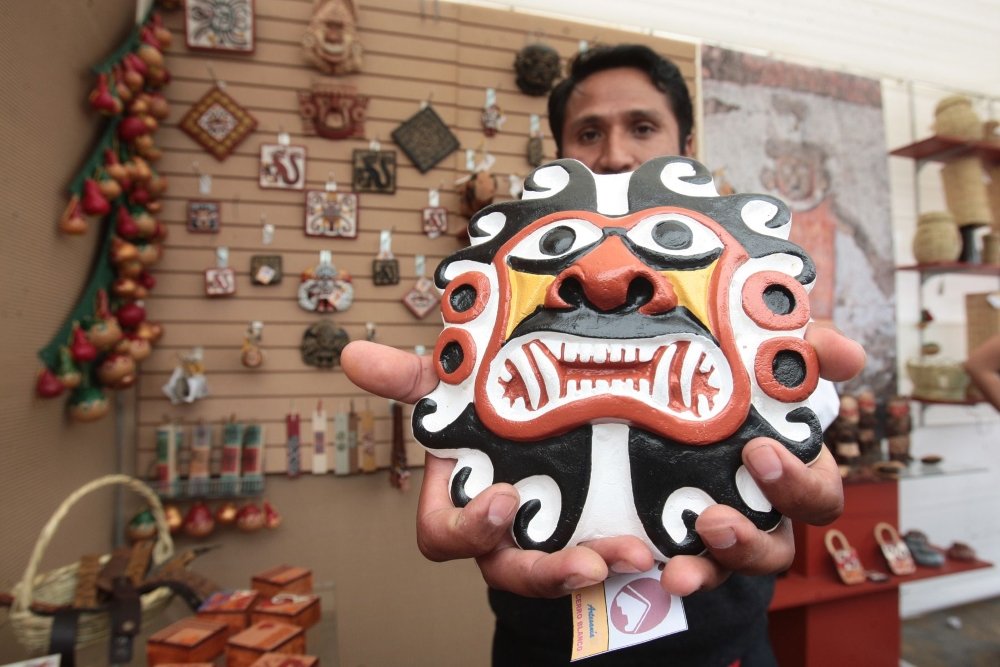
- Purchase products from artisans directly at their cooperatives and workshops.
- Choose family-owned hotels, tour guides, and cafes.
- To make them easier to find, leave reviews on Google Maps.
- To contribute to their growth, share artisan shops on social media.
- Pay fair prices: Artisanal work has real value.
- Ask vendors to explain the meaning of symbols or patterns.
Participate in pottery, carving, or textile workshops to promote cultural exchange.
The impact of your purchase
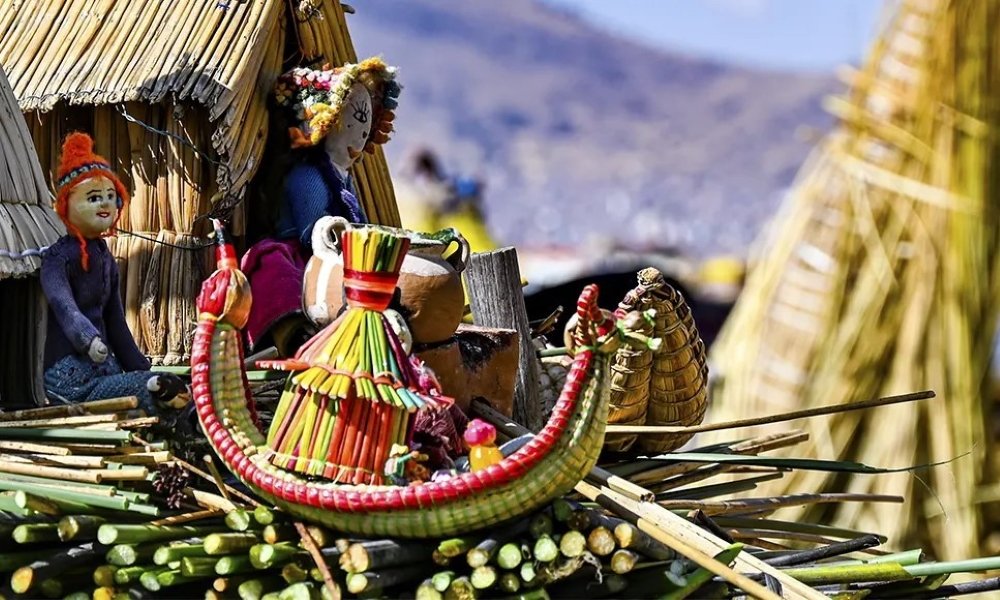
When you buy products made by Peruvian artisans, you are:
- Supporting a family’s livelihood.
- Helping a community preserve its traditions.
- Motivating younger generations to continue and acquire knowledge about cultural customs.
- Preventing mass production from replacing indigenous art.
- Your support has a direct impact on people: someone feels noticed, valued, and respected.
Your visit will become impact tourism, not just consumption.
Responsible tourism in Peru.
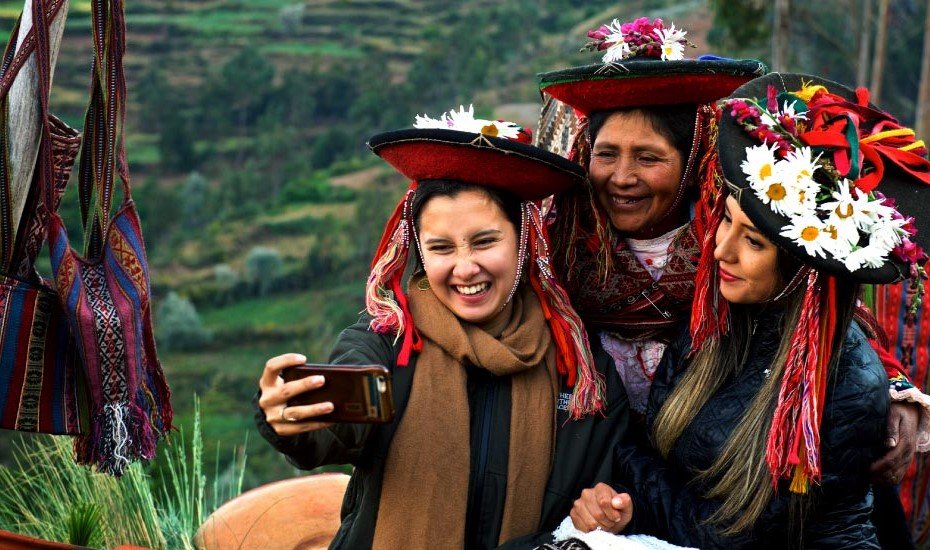
- Learn some ways to say hello in Quechua, such as “Tupananchiskama” (until we meet again).
- Ask for permission before taking photographs of artisans or their creations.
- Avoid aggressive bargaining: be friendly.
- Appreciate the history and work behind each item.
When travel is based on connection and respect, it becomes more meaningful.
What to avoid
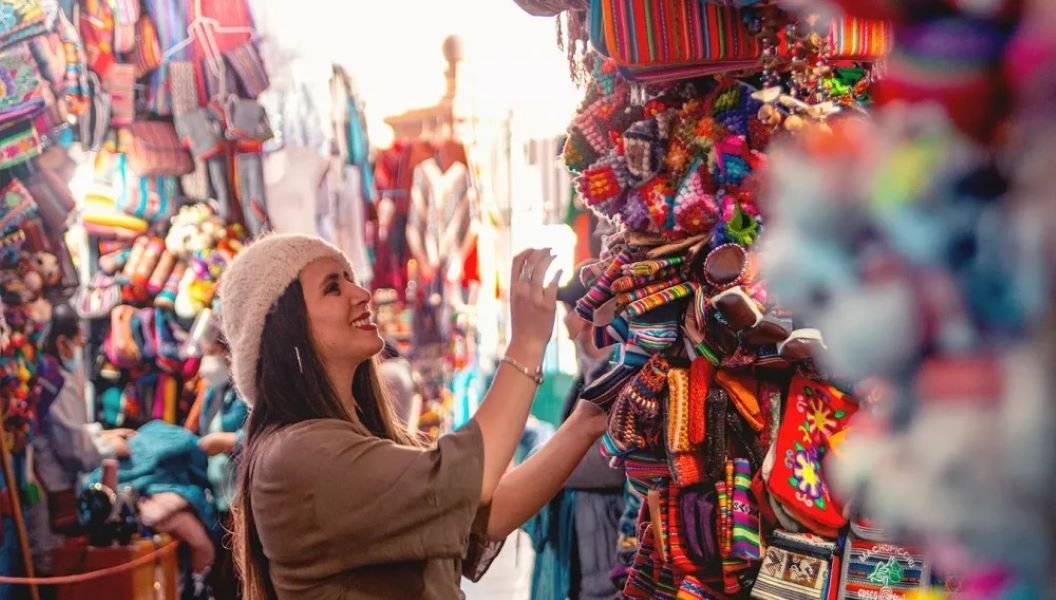
- Mass-produced souvenirs imported from abroad.
- Items sold wholesale with identical designs.
- Acrylic clothing labeled as “100% alpaca” and considered “fake alpaca.”
- Large tourist markets that are not transparent about production.
Tip: Ask, “Where was this made and who made it?”
Authentic sellers take pride in telling the story.