


The Mines of Potosí
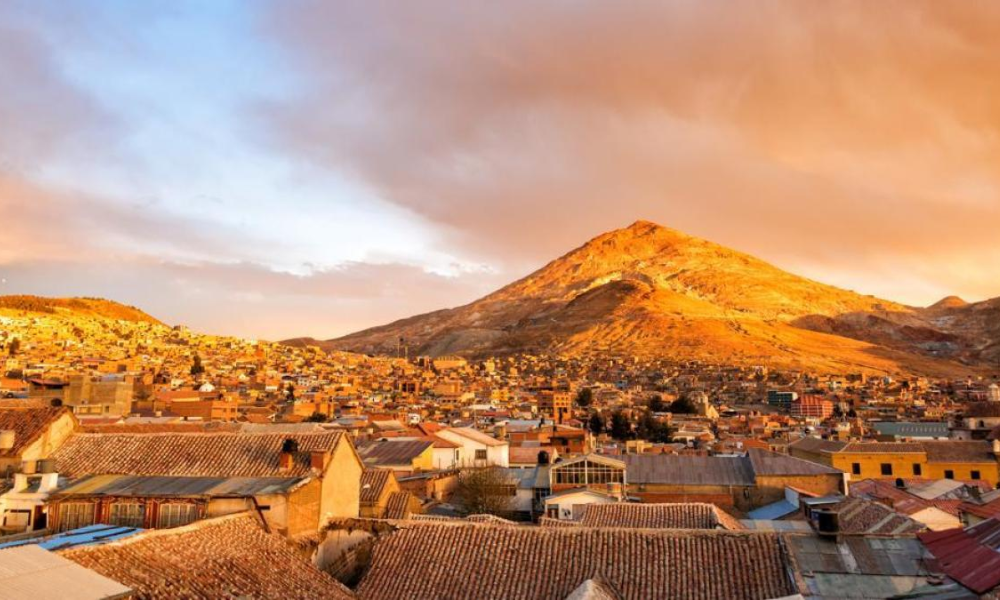
The Mines of Potosí: the “Mountain That Speaks”
The Mines of Potosí, located in southern Bolivia, are one of the most iconic and symbolic sites in the history of global mining. Known for their wealth in silver and other minerals, these mines have played a fundamental role in Bolivia’s economy and in the history of mining. Potosí, during the Colonial era, was one of the largest and richest cities in the world, thanks to its production of silver extracted from the mines of Cerro Rico. Today, the mines remain operational, and their historical and cultural legacy attracts tourists and scholars from around the globe.
History of the Mines of Potosí
The history of the Potosí mines begins in 1545, when Spanish conquerors discovered Cerro Rico and its abundant silver deposits. For more than 300 years, Potosí was the center of one of the most productive mines in the world. The wealth extracted from the mountain supplied the Spanish monarchy and was essential for financing the Spanish Empire. At its peak, the city of Potosí became one of the largest cities in the world, with a population exceeding 160,000 in the 17th century, becoming a symbol of the opulence and power of the Empire.
Cerro Rico witnessed the suffering and death of thousands of indigenous people and slaves who worked in the mines under extremely harsh conditions. The exploitation of these mines not only marked the beginning of modern mining but also left a deep mark on Bolivia’s social and economic history.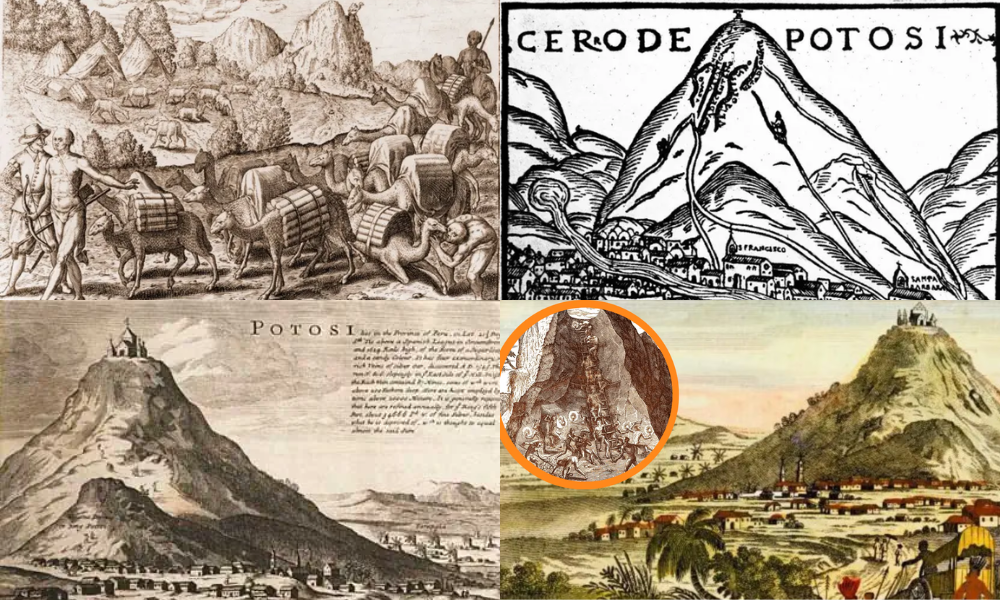
⛏️ Cerro Rico: A Monument to Mining ⛏️
Cerro Rico of Potosí is a mountain more than 4,800 meters above sea level, which for centuries was an inexhaustible source of silver. This mountain is considered a historical and cultural monument, both for its significance in Bolivia’s mining history and for its symbolic importance to the people of Potosí.
Over the centuries, Cerro Rico has been relentlessly exploited. The way mining has transformed the mountain is striking: the mountain has been drilled and excavated, leaving behind a network of underground galleries, tunnels, and shafts that make up the legacy of colonial and modern mining. Today, Cerro Rico is still operated by mining cooperatives, many of which continue to work in conditions similar to those of centuries ago.
Mining in Potosí Today
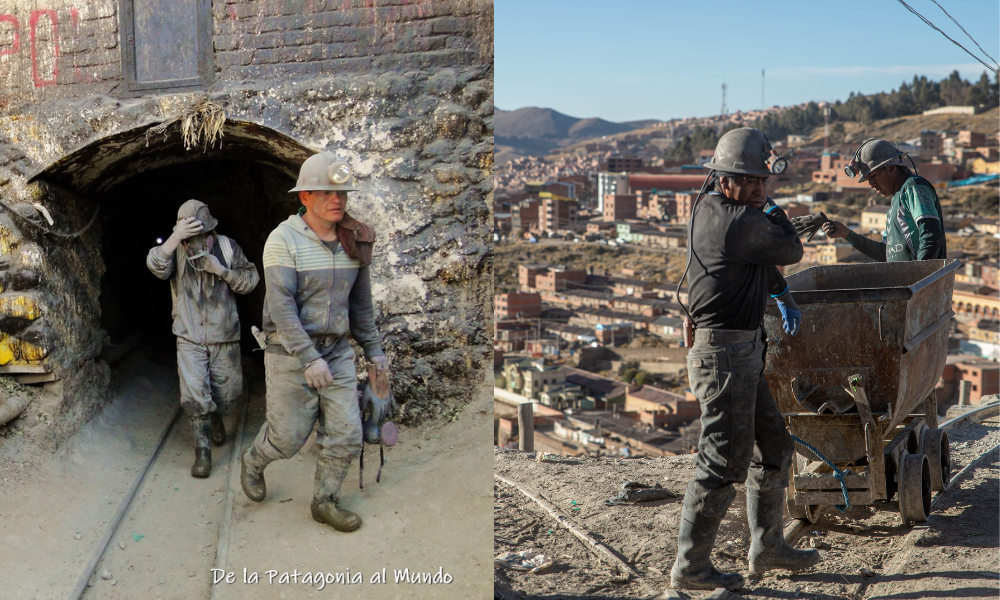
Despite the decline in silver production, the mines of Potosí remain a source of income for the city and the country. Today, mining cooperatives extract zinc, tin, lead, and other minerals in addition to silver. However, the working conditions remain extremely harsh and dangerous, making mining in Potosí a reflection of labor struggles and the resilience of the workers.
The miners in Potosí, many of whom are organized into cooperatives, face constant risks such as collapses, toxic dust inhalation, and fatal accidents. Despite improvements in workplace safety, the mines of Potosí continue to be an extremely risky work environment, where the miners’ living and working conditions have not significantly changed since colonial times.
Tourism in the Mines of Potosí
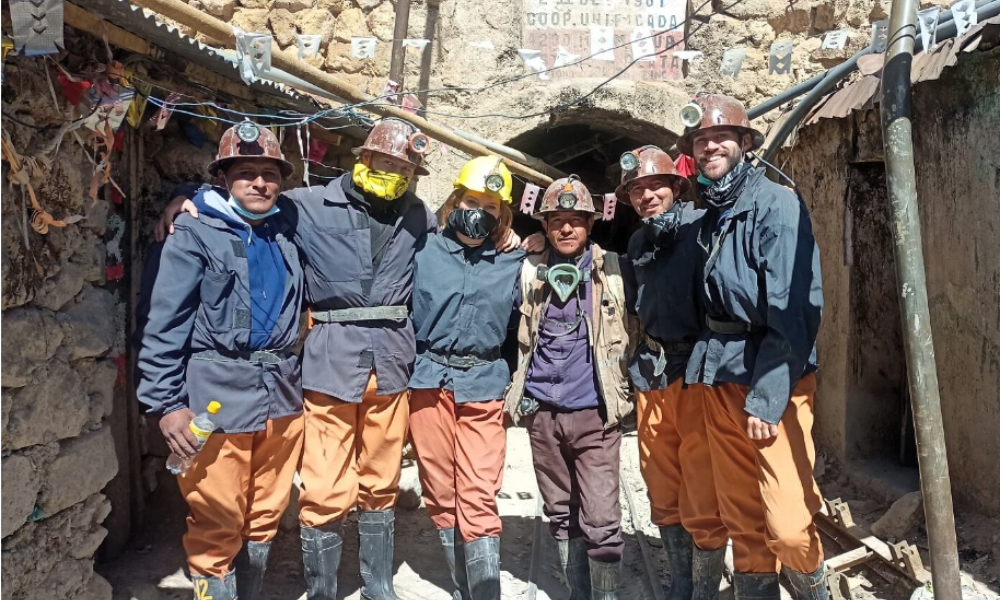
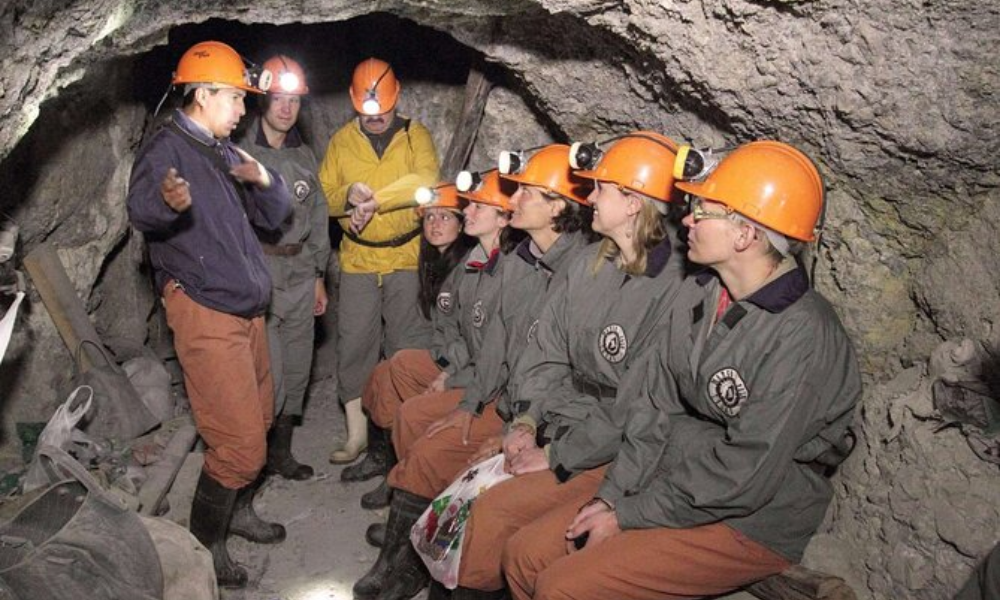
Today, the mines of Potosí are also an important tourist destination. Visitors can take guided tours of the mines to get a close look at the mining process and the history of this iconic place. These tours allow tourists to explore the underground tunnels of Cerro Rico, interact with the miners, and learn about the difficult conditions under which they work.
What to Expect from a Visit to the Mines:
-
Tour of the Mines: Tourists explore the underground tunnels and the old mining facilities, observing the work being done up close. It is important to note that conditions are quite tough, and the visits can be physically demanding.
-
Interaction with Miners: Guides usually organize meetings with the miners, who explain their work and the history of the place. This is a unique opportunity to understand firsthand the difficult conditions miners face.
-
Mining Culture: Guides also explain the cultural and religious significance of “El Tío,” a central figure in the spirituality of the miners, to whom offerings are made in the mines for protection against dangers.
The Mining Culture and El Tío
One of the most fascinating traditions in the mines of Potosí is the cult of “El Tío,” a deity in Andean mining culture. The miners consider El Tío a protective being who lives in the depths of the earth. In his honor, statues of El Tío are placed in the mines, covered with coca leaves, cigarettes, and alcohol, as a way to ask for his protection and good fortune.
The cult of El Tío reflects a blend of indigenous and Catholic beliefs and is an essential part of Bolivia’s mining identity. This figure holds great spiritual significance for the workers, who regard him as the owner of the mines and protector of their lives.
Tips for Visiting the Mines of Potosí
If you plan to visit the mines of Potosí, keep these practical tips in mind:
-
Appropriate Clothing: It is important to wear comfortable and durable clothing, as well as safety boots and a helmet, which will be provided during the visit.
-
Protective Gear: In addition to helmets, some tours provide goggles and masks to protect against dust.
-
Physical Condition: The visit to the mines can be demanding as it involves walking through dark and narrow tunnels. Make sure you are in good physical condition.
-
Guided Tours: It is recommended to take a guided tour, as local guides are experts and provide valuable information about the history of the mines and the working conditions.
-
Respect for the Workers: Remember that the mines are still a workplace for many people, so it is important to show respect to the miners and their labor.
Conclusión
The Mines of Potosí are not only a place of great historical and tourist interest, but also a symbol of the struggle and resistance of Bolivian miners. Their history is marked by colonial exploitation and the continuous efforts of workers to improve their living and working conditions. Visiting the mines is a way to delve into the heart of Bolivian mining culture and understand the historical impact of this industry on the country’s society. Without a doubt, it is an experience that leaves a deep impression on those who dare to explore this iconic destination.