


Is the Salar de Uyuni safe for tourists?
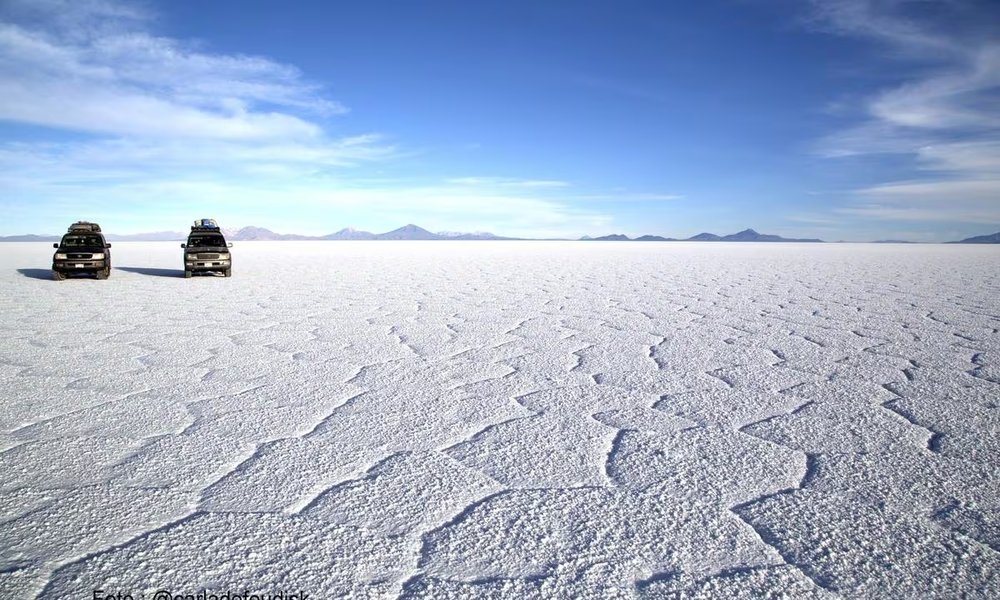
The Salar de Uyuni is one of Bolivia’s most famous tourist destinations, but it’s natural to wonder if it’s safe for tourists before traveling. While many travelers visit without problems, there are specific risks worth being aware of: opportunistic theft, extreme weather conditions, and road safety and 4×4 tours. Additionally, during the rainy season, roads and access routes can become more difficult. This guide explains the real risks and how to travel with greater peace of mind.
General security in the city of Uyuni and at the attraction itself

In general, the Salar de Uyuni is safe for tourists, especially when visited on organized tours. Uyuni is a small city accustomed to both domestic and international tourism, so the presence of visitors is constant throughout the year.
Most travelers explore the salt flats without incident, provided they follow basic recommendations and use reputable services. The environment is remote, but not inherently dangerous. Risks are usually more related to logistics and weather than crime.
Constant tourist presence
Uyuni receives thousands of tourists every month. This has led to a network of tour operators, guides, and drivers experienced in the area. The constant activity significantly reduces security problems within the usual tourist circuits.
Safer areas for visitors
The most visited areas of the salt flats, such as the classic 1, 2, or 3-day circuits, are considered safe. These routes are well-established and traveled daily by numerous 4×4 vehicles .
Most common risks: theft, weather, and road
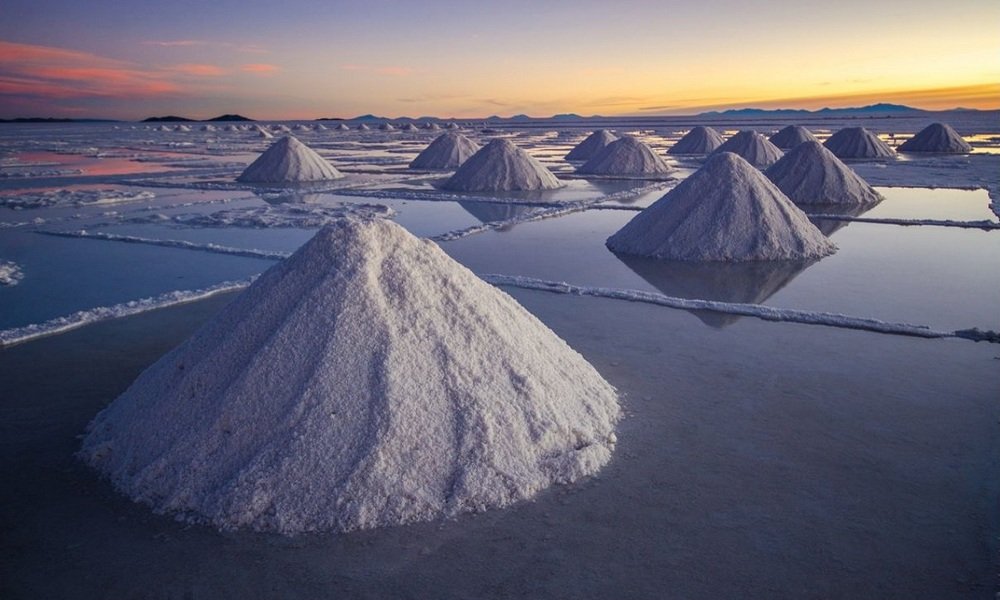
Although the Salar de Uyuni is generally safe, there are some common risks that you should be aware of to travel with greater peace of mind.
Opportunistic thefts
Thefts are not common within the salt flats themselves, but they can occur at bus terminals, budget accommodations, or busy areas of Uyuni. These are generally petty and opportunistic thefts. Keeping your belongings in sight and avoiding displaying valuables almost completely eliminates this risk.
Extreme weather and low temperatures
The weather is one of the main factors to consider. Temperatures can drop sharply, especially at night and in the early morning. The intense cold and wind can affect those who are not well prepared, particularly on multi-day tours.
Road Conditions
The routes to and within the salt flats are dirt and salt roads. During the rainy season, some sections can become slippery or partially flooded. For this reason, it is essential to travel in 4×4 vehicles with experienced drivers.
Is it dangerous to visit the Salar de Uyuni during the rainy season?

Not necessarily. The rainy season can change the experience, but it doesn’t mean it’s dangerous if you travel with a formal tour and take precautions. During these months, the famous mirror effect appears, which attracts many tourists. However, complications can also arise due to accumulated water and less accessible routes.
The main risk this season is not tourist insecurity, but logistics: some sections may be flooded or more slippery, and certain points of the circuit may not be available depending on the water level.
Areas with water and route changes
When it rains, water can cover parts of the salt flats. In those cases, drivers adjust their routes to avoid deep areas. That’s why it’s important not to go alone and to rely on people who know the terrain.
Suitable vehicle and experienced driver
During the rainy season, the use of 4×4 vehicles and experienced drivers is key. This reduces risks on dirt roads, entrances to the salt flats, and areas with water.
How to choose a safe tour (4×4, guide, permits)
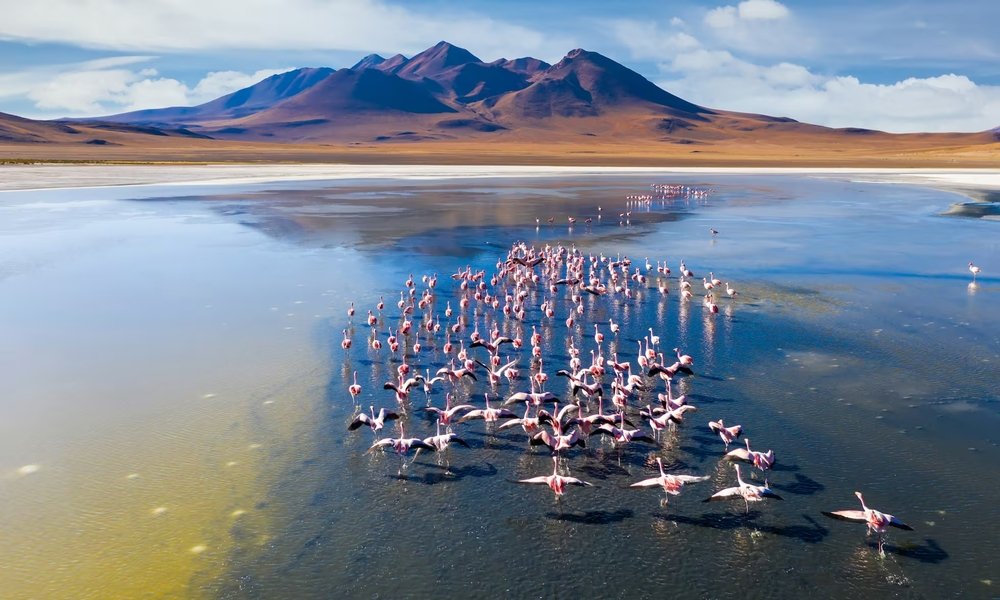
Choosing a reliable tour operator is the most important decision for a safe trip to the Salar de Uyuni. A good tour makes all the difference between a smooth experience and a trip plagued by logistical problems.
Formal operator and clear communication
Look for agencies with a physical presence, clear service information, and advance customer service. A reputable operator will explain the itinerary, what’s included and not included, and recommend what to pack, especially considering the weather and altitude.
4×4 in good condition and basic equipment
A safe tour should use a 4×4 vehicle and have basic equipment such as a spare tire and tools. If you’re traveling during the rainy season, this is even more important.
Guide or driver with experience in the salt flats
Many tours operate with a driver-guide. The important thing is that they have experience navigating the salt flats, can adjust the route based on weather conditions, and maintain a safe pace throughout the journey.
Practical tips for traveling without surprises
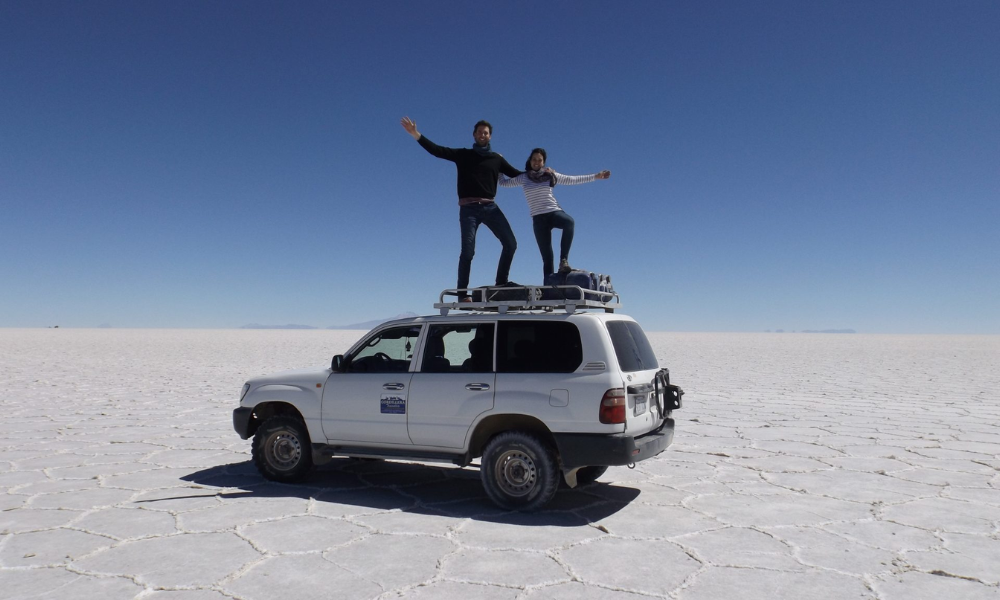
Traveling to the Salar de Uyuni is safe if you take basic precautions: always book formal tours with 4×4 vehicles, avoid exploring the salt flats on your own, keep your belongings safe in Uyuni, and prepare for the extreme weather by bringing appropriate clothing, water, and sun protection. Also, during the rainy season, it’s important to follow the driver’s instructions and stay on the designated routes. With these simple measures, your experience at the Salar de Uyuni is usually peaceful, well-organized, and very enjoyable.