


The Salinas y Aguada Blanca National Reserve
Salinas y Aguada Blanca National Reserve: High Andean Nature Among Volcanoes, Wetlands, and Vicuñas
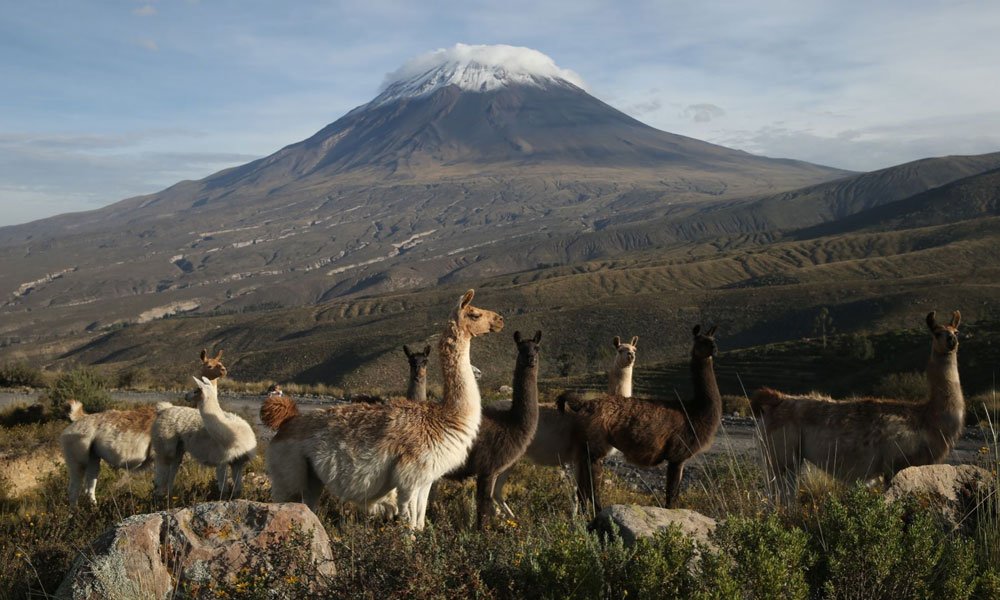
The Salinas y Aguada Blanca National Reserve, located between Arequipa, Moquegua, and parts of Cusco, is one of the most impressive natural destinations in southern Peru. With an altitude exceeding 4,000 meters above sea level, this vast territory of more than 366,000 hectares combines active volcanoes, Andean landscapes, brackish lagoons, wetlands teeming with life, and unique fauna, most notably the vicuña, a national symbol.
Visiting the reserve is to enter a silent, immense, and pristine world, where the cold wind and intense light create an almost supernatural atmosphere. Here, nature reveals itself unfiltered: rugged, powerful, and profoundly beautiful.
1. A Reserve Protecting Life in the Andes
The reserve was created in 1979 with the goal of conserving:
- The vicuña, an emblematic species of Peru.
- High-altitude Andean ecosystems of great importance.
- Wetlands and lagoons that serve as a refuge for migratory birds.
- Watersheds essential for Arequipa.
In addition to its natural wealth, the area also preserves important archaeological sites, ancient pre-Hispanic roads, and remnants of pastoral settlements.
2. Impressive Landscapes: Lagoons, Volcanoes, and Salt Flats
The reserve is known for its enormous diversity of landscapes. Among the most impressive are:
2.1 Salinas Lagoon
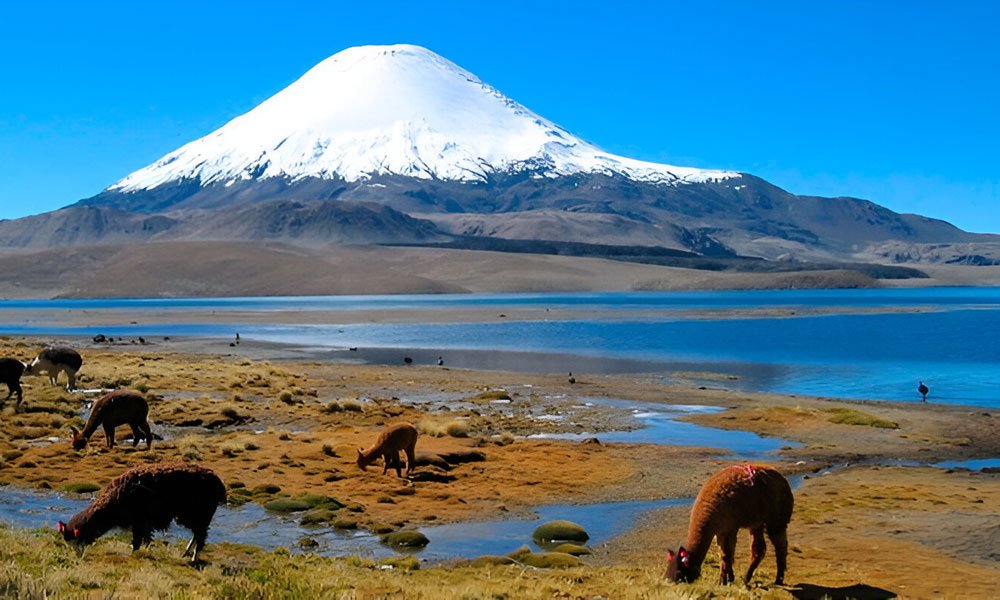
Located at over 4,300 meters above sea level, this brackish lagoon changes shape and appearance with the seasons.
In the dry season, it transforms into a stunning white desert; in the wet season, it attracts Andean and Chilean flamingos, creating a unique landscape.
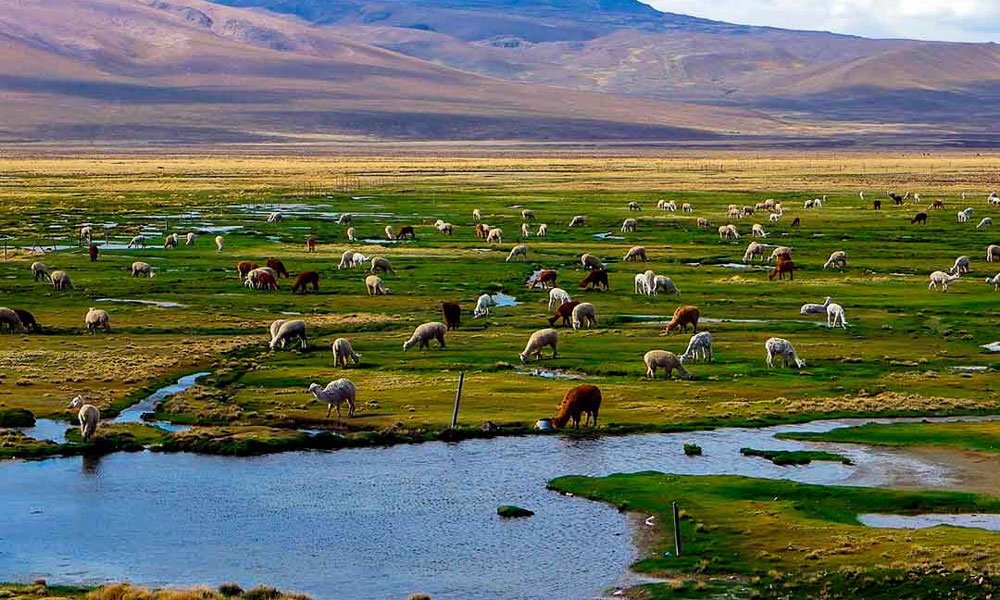
2.2 Aguada Blanca Wetlands
These wetlands are vital for wildlife. Vicuñas, alpacas, and high-Andean birds feed there. They are one of the greenest and most photogenic landscapes in the area.
2.3 Guardian Volcanoes
From the reserve, you can see:
Misti
Chachani
Pichu Pichu
Ubinas (Peru’s most active volcano)
They are an essential part of the landscape and accompany the journey with their imposing silhouettes.
3. Fauna: Home of the Vicuña
The reserve is home to one of the largest vicuña populations in the country. You can also find:
- Guanacos
- Tarucas (Andean deer)
- Andean foxes
- Vizcachas (mountain viscachas)
- Flamingos
- Andean ducks
- Andean gulls
The conservation of these species is one of the main functions of the protected area.
4. Recommended Activities
Although it is a protected area and many zones are inaccessible without a guide, travelers can enjoy:
Wildlife Viewing
The reserve is perfect for observing vicuñas in the wild, Andean birds, and, if you’re lucky, tarucas (Andean deer).
Landscape Photography
The salt flats, lagoons, volcanoes, and wetlands form one of the most spectacular landscapes in southern Peru.
Visit to the Salinas Lagoon
Depending on the season, you can see flamingos or walk on dry salt flats.
Scenic Routes by Vehicle
There are roads that cross the reserve, allowing you to appreciate its grandeur without leaving your car.
Rural Experience
Some pastoral communities live inland and maintain ancestral traditions linked to the herding of alpacas and vicuñas.
5. Climate and Altitude
- Average altitude: 3,800–4,500 m
- Days: cold, sunny, and dry
- Nights: extremely cold
- Temperatures: -5 °C to 15 °C
- Rainy season: January to March
The climate is typical of the Altiplano: strong solar radiation, intense winds, and large temperature variations.
6. How to get there from Arequipa
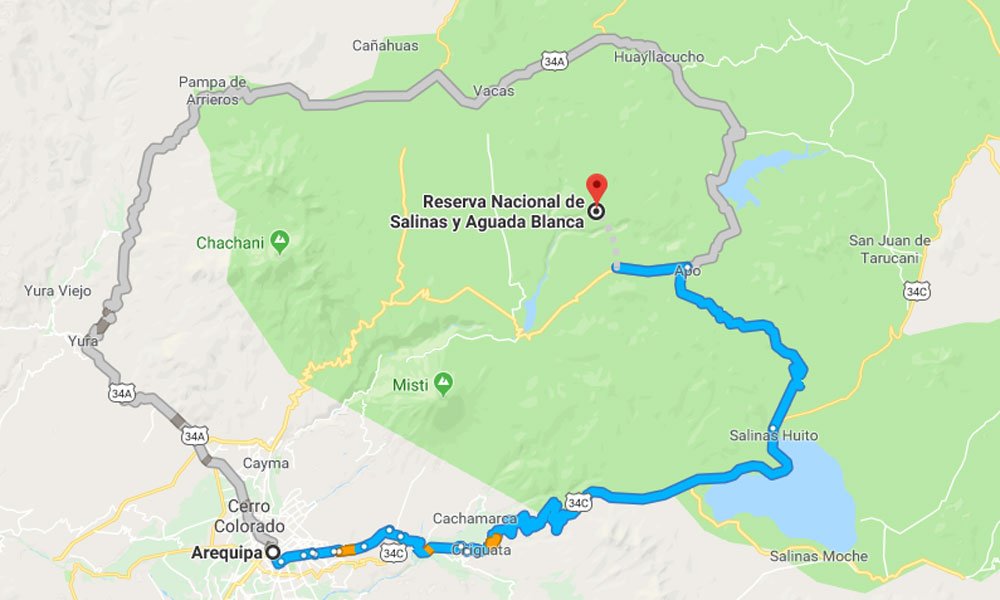
The reserve is located between 1 and 2 hours from the city, depending on the area you wish to visit.
Options:
Guided tours: the safest and most recommended option.
Taxi by the hour: possible, but expensive.
Own vehicle: only if you have experience driving on high Andean roads.
Important: some areas require permits or entry accompanied by authorized operators.
7. Tips for a Safe Visit
- Bring water, snacks, and sunscreen.
- Wear thermal clothing, a windbreaker, and good footwear.
- Avoid strenuous activity due to the altitude.
- Bring cash (there is no cell service or shops).
- Do not approach the animals too closely.
- Respect trails and restricted areas.
Conclusion
The Salinas y Aguada Blanca National Reserve is one of the best nature destinations in southern Peru. Among volcanoes, lagoons, wetlands, and vicuñas, this protected area offers an authentic, tranquil, and deeply Andean experience.
Each visit reveals a different landscape and serves as a reminder of the importance of conserving the country’s high Andean ecosystems.