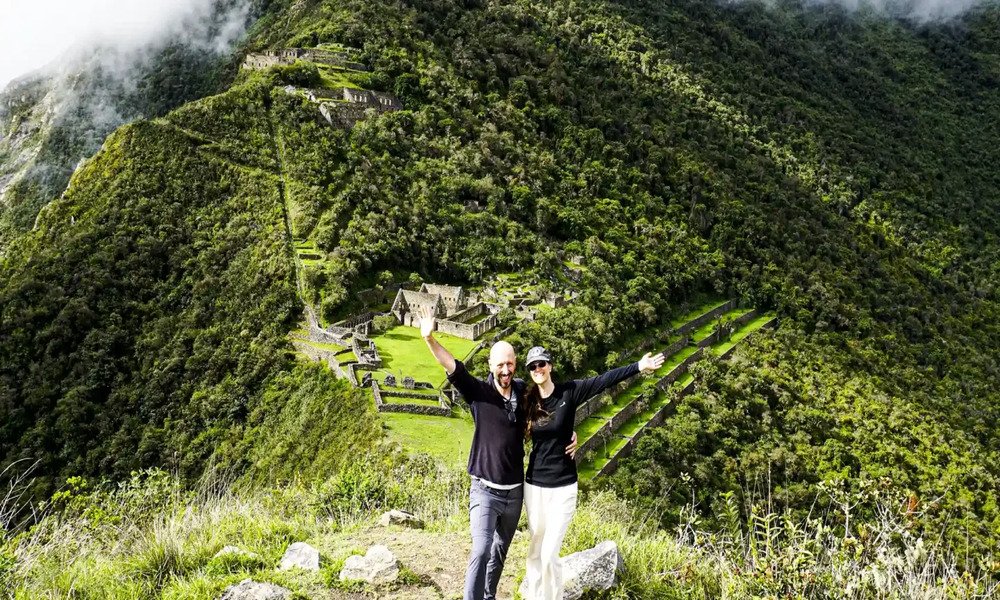
How Difficult Is the Trek to Choquequirao?
The Choquequirao trek is much more than a hike: it’s one of the most exciting and demanding challenges in the Peruvian Andes, surpassing even famous routes like the Inca Trail or the Salkantay Trek. It’s not just about reaching impressive archaeological ruins, but about testing your endurance, strength, and determination as you traverse deep canyons, majestic mountains, and Andean forests that seem suspended in time.
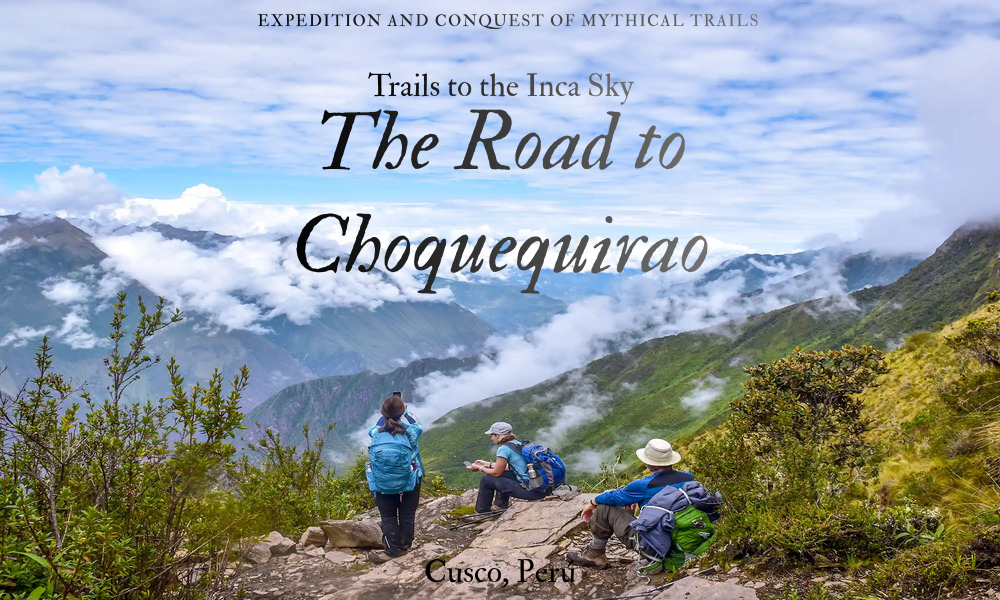
In this guide, you’ll discover how demanding the route is, how to prepare properly, and all the secrets to making the most of this unique experience. Every step will connect you with nature, history, and Andean culture, making this trek not only a physical adventure but also a transformative and memorable experience.
Why Is It So Challenging?
Extreme Elevation
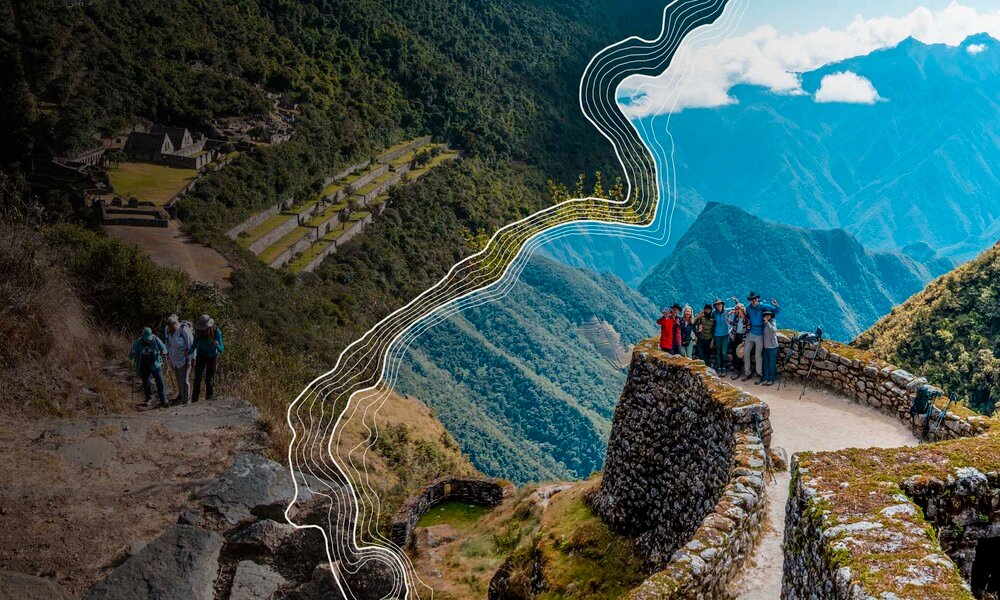
The Choquequirao trek presents a unique challenge due to its extreme elevation profile, combining steep descents with demanding ascents. The trail descends to the bottom of the Apurímac Canyon, considered the deepest in Peru, offering breathtaking views and a drop of up to 1,500 meters. The toughest part comes next: reaching the ruins requires climbing back the same distance, and the return journey repeats this pattern of descents and ascents.
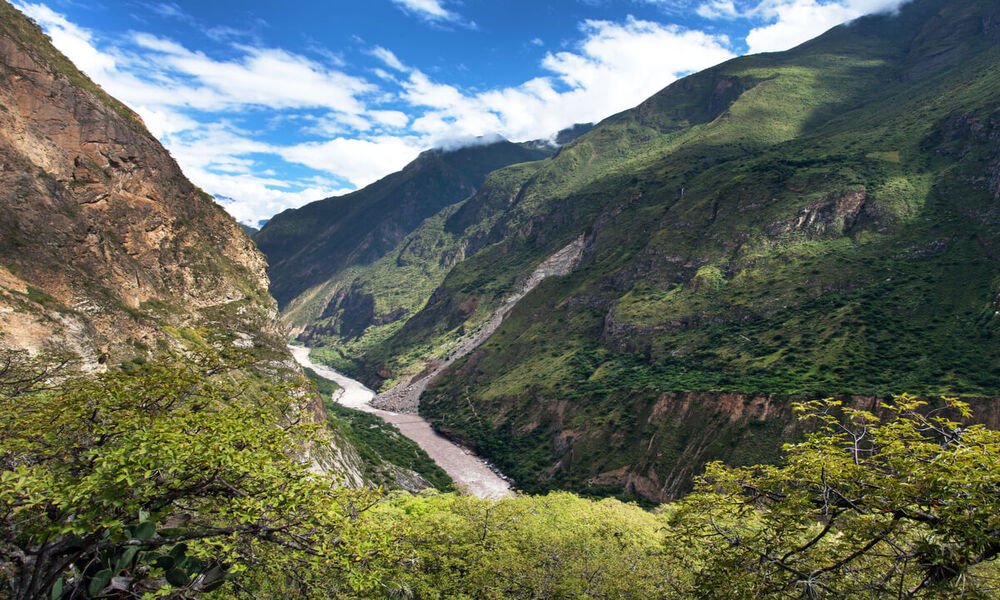
This constant back and forth, known as the “downhill to uphill” profile, is one of the main reasons this trek is considered difficult, even though the altitudes don’t reach the extreme levels of some other Andean routes. Each section demands not only physical strength but also concentration and patience, as the terrain can be uneven and the days are long and demanding.
Practical difficulty data
For those planning this adventure, it’s essential to understand the trek’s dimensions and demands. The classic round-trip route covers approximately 64 km (40 miles), typically spread over 4 days of hiking, although many adventurers continuing on to Machu Picchu extend it to 7–9 days. Key altitudes include the start of the trek at ~2,900 m, the lowest point at the canyon floor at ~1,450 m, and finally the ruins of Choquequirao at ~3,050 m. Each day involves hiking between 6 and 9 hours, depending on the pace and route chosen, making the experience a true test of physical endurance.
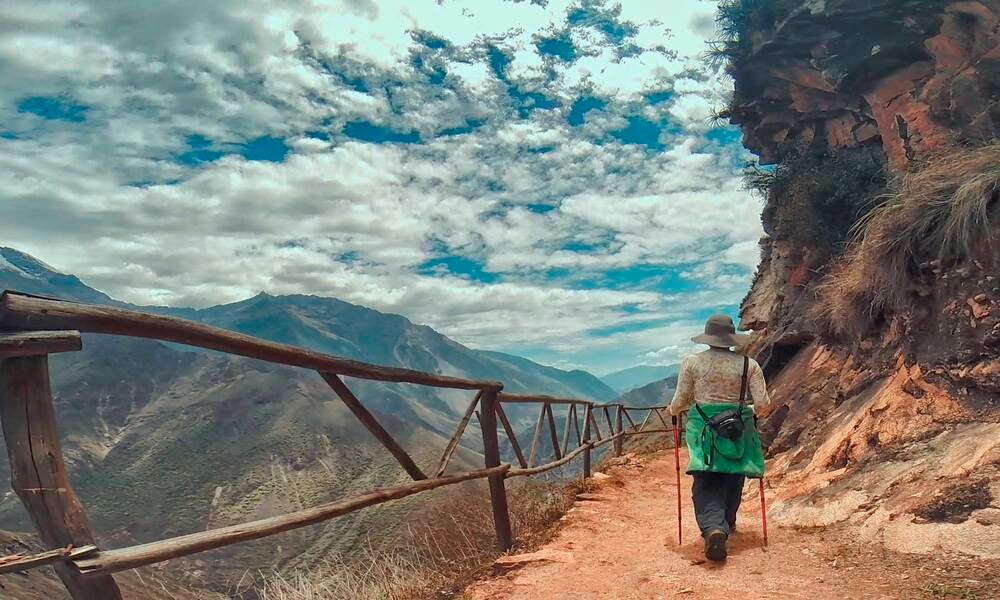
Although technical skills such as climbing or rope handling are not required, the route does demand very good physical condition, as the prolonged elevation changes, the weight of the backpack and the duration of the days require energy and constant preparation.
Terrain and physical conditions
The terrain is one of the factors that most influences the difficulty of the trek. The paths are neither paved nor uniform: they alternate between dirt and stone trails, steep descents that test the knees, long ascents exposed to the sun, and uneven or unstable sections that require constant concentration. During the rainy season, the trail can become muddy and slippery, increasing the risk of accidents and making every step require caution.
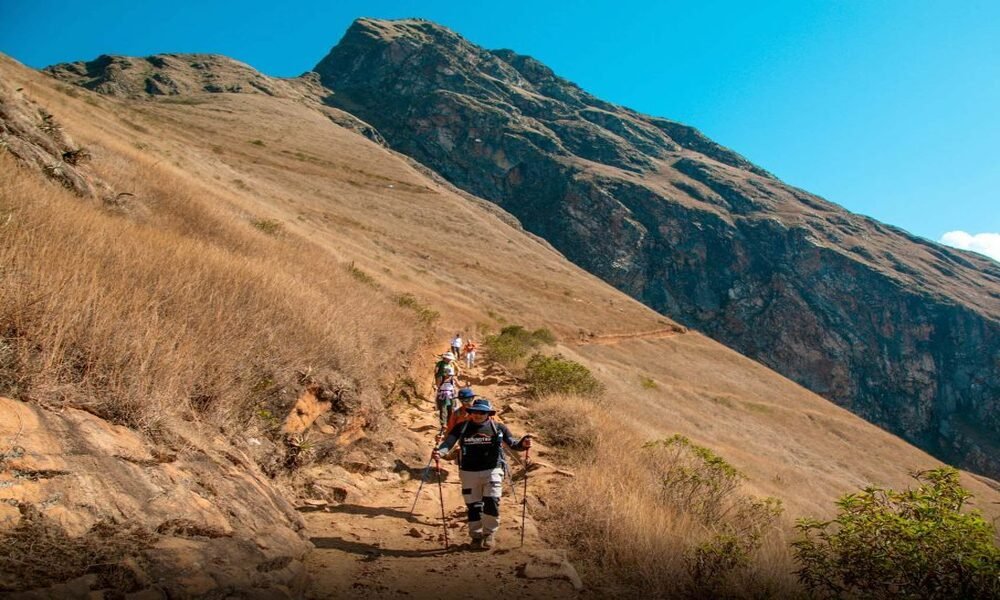
The weather also plays a significant role. Temperatures at the canyon bottom can be intensely hot, while higher camps drop sharply at night, requiring preparation for a wide range of conditions.. This combination of uneven terrain and changing weather demands endurance, adaptability, and good physical fitness to enjoy the trek safely and successfully.
What level of preparation do you need?
To successfully complete the Choquequirao trek, it’s recommended to meet certain physical requirements and make some prior preparations. Ideally, you should have hiked long distances in the mountains, have done cardiovascular and strength training, especially focused on your legs and back, and have acclimatized to the altitude by spending a few days in Cusco before starting the trek. Additionally, using trekking poles is very helpful for protecting your knees, improving balance, and reducing effort on long descents.
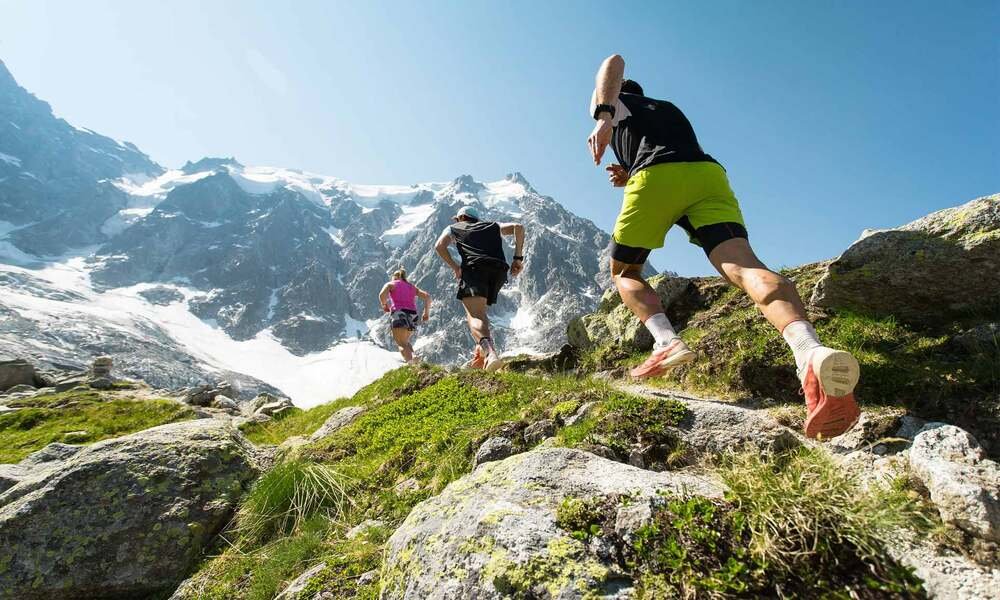
You don’t need to be a pro, but you should be fit and experienced with long mountain hikes, as the daily demands are constant and the elevation changes are continuous. Proper preparation will not only make the trek safer, but will also allow you to enjoy each stage without extreme exhaustion.
Season and Weather
The season you choose is crucial to the difficulty of the trek. During the rainy season (November–March), trails become more slippery, weather changes are more abrupt, and the risk of flooding or landslides increases. For this reason, many travelers prefer to plan their trip during the dry season (April–October), when the days are usually sunny, the skies clear, and the terrain more stable, offering ideal conditions to fully enjoy the scenery and the adventure. Furthermore, it is easier to organize transportation, campsites, and food along the trail during this time.
Is it really “practically impossible”?
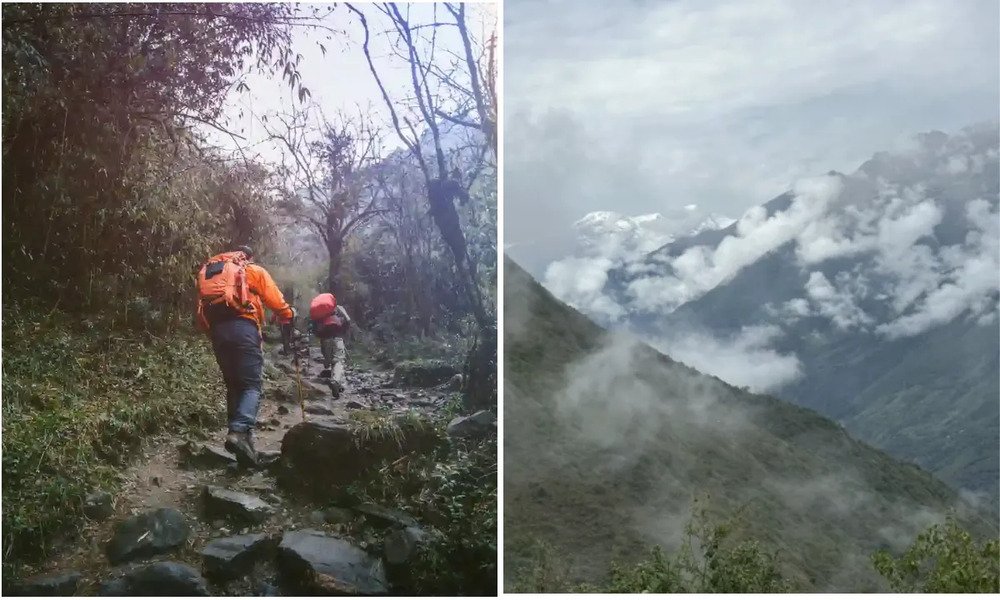
Despite the physical demands and technical difficulty of the terrain, the vast majority of those who prepare adequately complete the trek successfully. The greatest challenge isn’t the altitude but the constant alternation of long ascents and descents, and the need to manage energy over several days. Its remote location keeps crowds away, and for many adventurers, this solitude adds to the trek’s charm and reward.
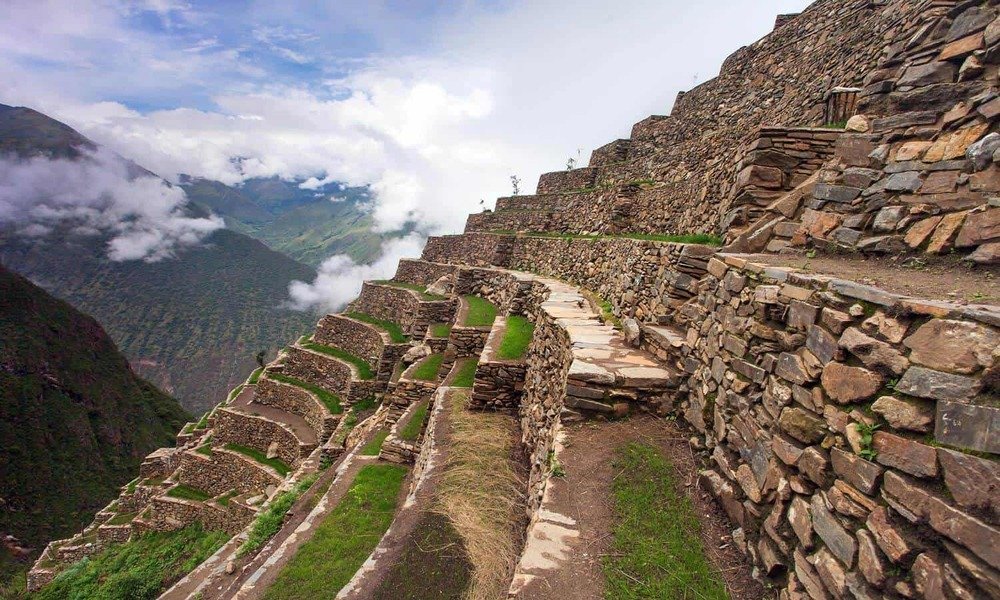
The sense of accomplishment from reaching the canyon top and viewing the ruins is unmatched, and trekkers agree the challenge is worth every effort.
Why is it worth the effort?
Despite how demanding trekking can be, the rewards are unique and memorable. Among them are:
Spectacular ruins with very few tourists, allowing you to explore Choquequirao in peace and quiet and appreciate every historical detail.
Stunning landscapes of canyons, mountains and transitional jungles, showcasing the ecological diversity of the Andes in a single tour.
Intimate connection with nature and Andean culture, living an authentic experience close to local tradition.
A sense of personal achievement, upon completing one of the most authentic and challenging routes in Peru, combining adventure, history and direct contact with nature.
Resumen para viajeros
Level: Hard
Required physical condition: High
Best time to go: April – October
Recommended training: Yes, essential to enjoy the trek
Guide or tour: Highly recommended for safety, logistics, and support with food and luggage transport
Conclusion
The Choquequirao trek is much more than a hike: it’s a true Andean adventure that challenges both body and mind. Steep climbs, sharp descents, changing altitudes, and uneven terrain make this route a real physical challenge—but the rewards are breathtaking landscapes, the unique biodiversity of the Apurímac Canyon, and the majesty of virtually untouched, ancient ruins that offer an authentic connection to the history and culture of the Andes.