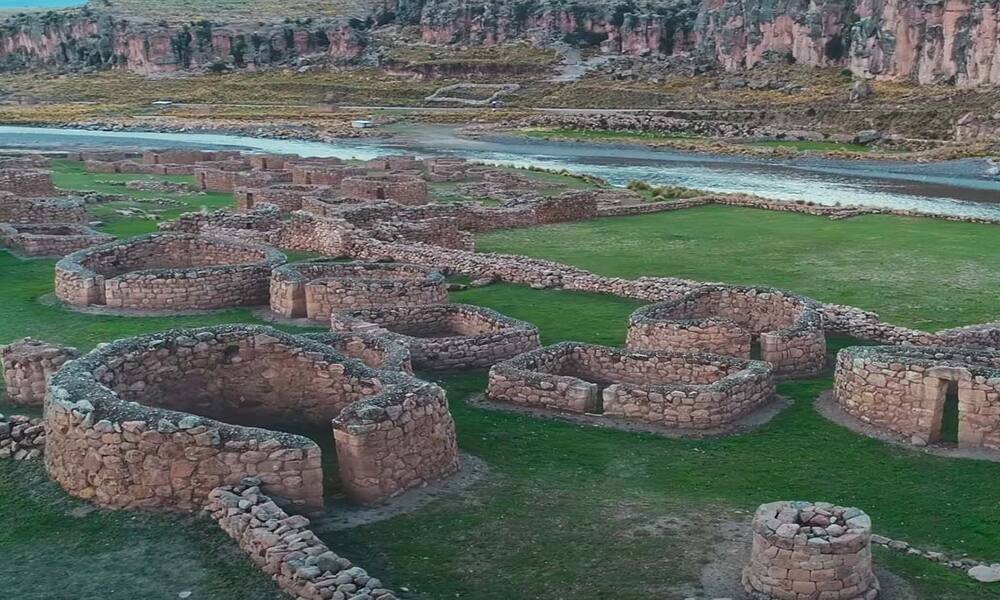
Three Canyons of Suykutambo: natural wonder south of Cusco
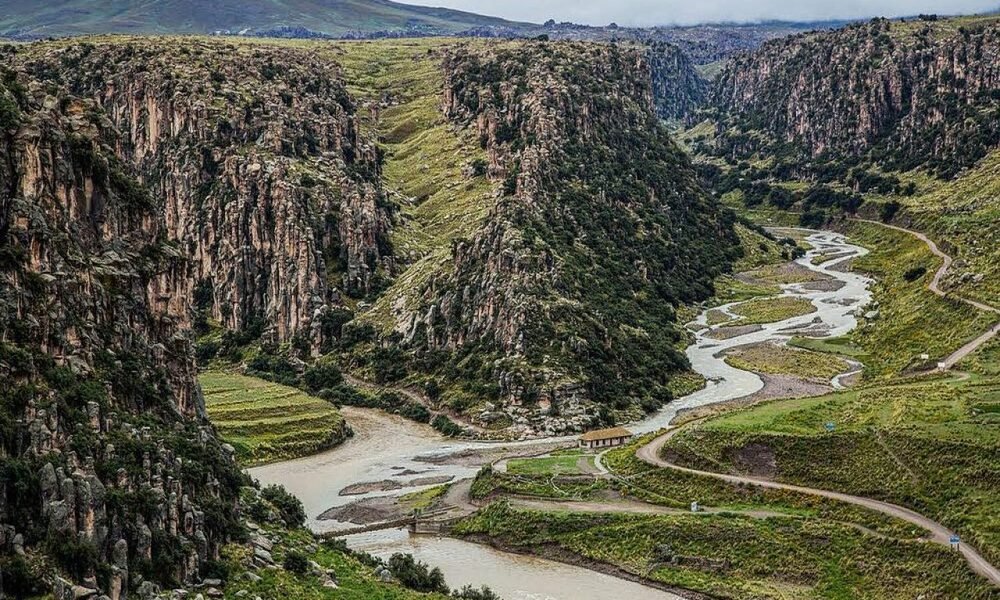
The Three Canyons of Suykutambo are among the most impressive and least-known natural landscapes in southern Cusco. At first sight, visitors are amazed by the depth of the canyons, the strength of the rivers, and the vast sense of space surrounding the area.
In this Andean zone of great geographical value, water shaped the land over thousands of years. Through constant erosion, nature created a powerful and dramatic landscape. As a result, the canyons reveal one of the most authentic faces of the Andean environment.
For many travelers, visiting the Three Canyons of Suykutambo means discovering a well-preserved natural area. In addition, the destination offers tranquility, unique scenery, and a strong connection with nature. Therefore, it represents a different option within Cusco’s tourism routes, far from crowded destinations.
Location of the Three Canyons of Suykutambo
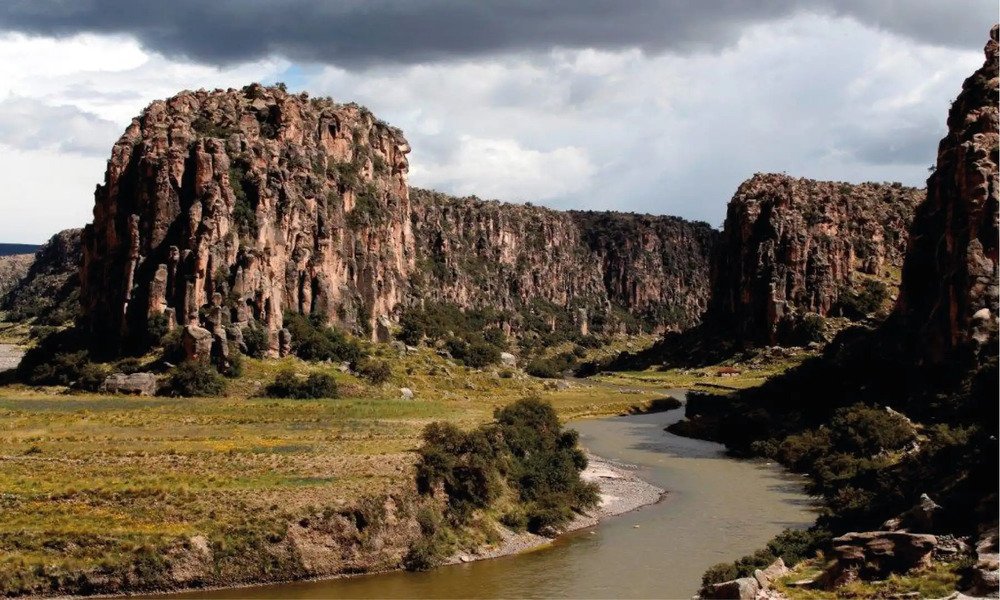
The Three Canyons of Suykutambo are located in the district of Suykutambo, within the province of Espinar, south of the Cusco region. This territory belongs to the high Andean zone and presents wide plains, deep canyons, and largely undisturbed landscapes.
Because of its distance from major tourist centers, the area has preserved its natural state. For this reason, Suykutambo has become an ideal destination for travelers seeking peace, open spaces, and direct contact with nature.
Location within the district of Suykutambo and the province of Espinar
Within the district, the canyons extend across a rural territory where traditional activities remain present. Local communities continue to maintain a close relationship with their natural surroundings. From different points in the area, visitors can access viewpoints with panoramic views of the canyons.
Meanwhile, Espinar province stands out for its broad geography and open landscapes. Consequently, Suykutambo holds a strategic position for the development of nature tourism in southern Cusco.
Geographical relationship with the rivers that form the canyons
Several Andean rivers flow through the district of Suykutambo. Over long periods, these rivers carved the terrain and formed deep gorges. This natural process explains the current shape of the canyons.
Beyond shaping the landscape, rivers play a fundamental role in local life. They provide water, support biodiversity, and sustain nearby communities. In this way, water strengthens the bond between nature and human presence.
Importance of the Three Canyons of Suykutambo
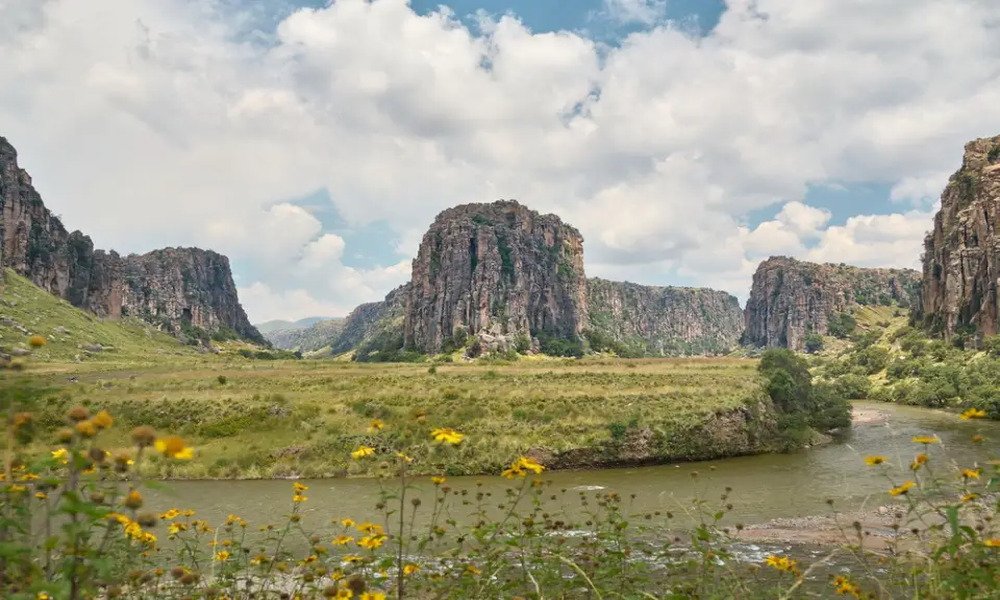
The Three Canyons of Suykutambo represent one of the most valuable natural areas in southern Cusco. Their importance lies in landscape conservation, river systems, and limited human impact.
Moreover, the site helps explain natural geological processes in the Andes. At the same time, it offers a suitable environment to promote respect for nature and responsible land use.
Natural value and conservation of the Andean ecosystem
The canyons of Suykutambo contribute significantly to the region’s environmental balance. Inside them, small ecosystems support native plants and animals adapted to high Andean conditions.
Native vegetation protects the soil and regulates water flow. Likewise, rivers sustain wildlife and nearby populations. Therefore, conserving this environment is essential for ecological stability.
Additionally, preservation efforts help maintain a largely untouched landscape. For this reason, the Three Canyons serve as a clear example of unspoiled nature in Espinar province.
Tourism potential and contribution to local development
The Three Canyons of Suykutambo show strong potential for nature and adventure tourism. Their landscapes attract visitors interested in hiking, photography, and outdoor exploration.
When managed responsibly, tourism can create economic opportunities for local communities. Services such as guiding, transportation, and basic tourism facilities may strengthen the local economy.
Furthermore, tourism promotes environmental awareness among visitors and residents. As a result, it becomes a tool for both conservation and sustainable development.
Natural environment and formation of the Three Canyons of Suykutambo
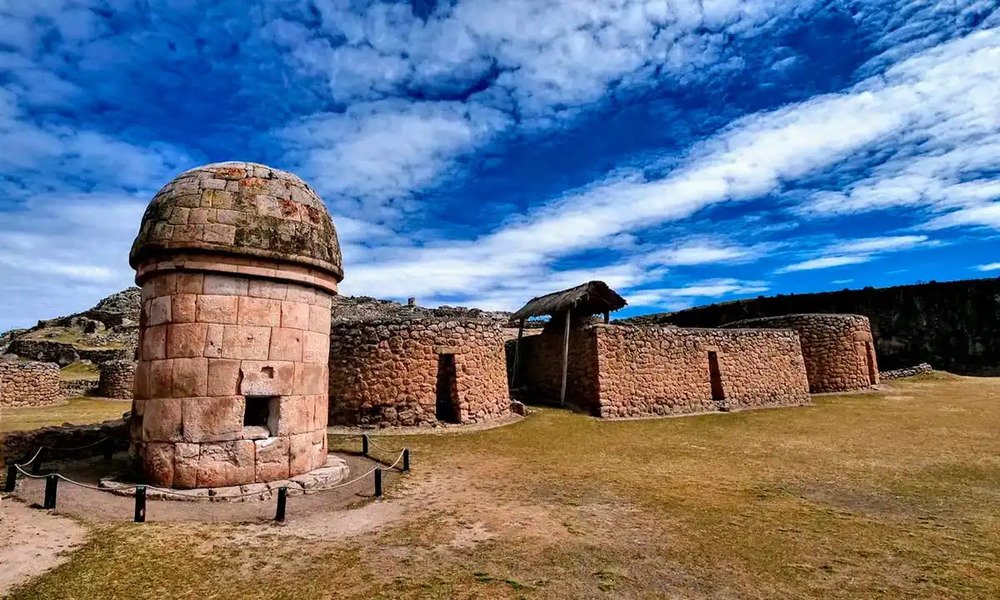
The natural environment of Suykutambo features deep ravines, open plains, and rivers crossing the high Andean plateau. Together, these elements reflect the power of nature over time.
Due to the combination of altitude, climate, and water, the landscape has a unique character. Consequently, the area remains visually striking and environmentally valuable.
Geological formation from river erosion
River erosion played a central role in forming the Three Canyons. Over thousands of years, flowing water deepened the terrain and shaped steep canyon walls.
During the rainy season, river flow increases and erosion intensifies. Thus, the landscape continues to evolve naturally.
Water not only shapes the land but also sustains life. In addition, rivers bring movement and energy to the ecosystem.
High Andean ecosystem and environmental characteristics
The surroundings of the Three Canyons display a typical high Andean ecosystem. Vegetation mainly includes ichu grass, native shrubs, and cold-resistant plants.
Regarding fauna, Andean birds and small mammals inhabit the area. These species depend on water availability and environmental balance.
Cold nights and mild days define the climate. Consequently, this climate shapes both wildlife and the overall landscape.
Visitor experience, landscapes, rivers and biodiversity in Suykutambo
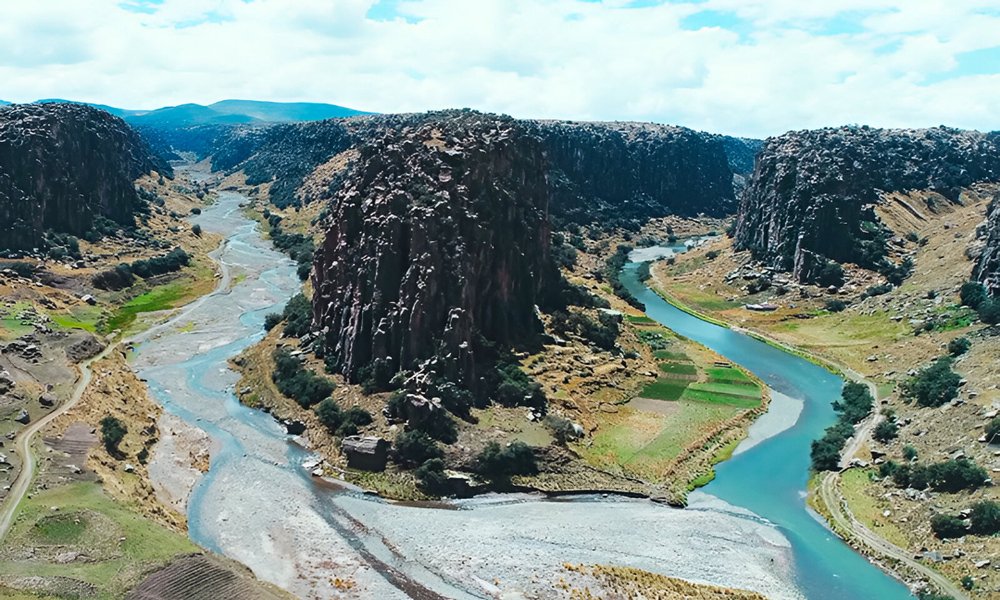
Visiting the Three Canyons of Suykutambo offers a deep connection with nature. Silence, wide spaces, and isolation help visitors disconnect from urban life.
Moreover, the area invites slow exploration and reflection. Each trail reveals new views of the canyons and their vast scale.
Andean landscapes and the presence of rivers
Suykutambo´s landscapes stand out for the depth of their canyons and strong rock formations. Throughout the day, light and shadow create striking visual contrasts.
At the same time, rivers add movement and sound to the scenery. Their presence enhances calm and reinforces the connection with nature.
For these reasons, the area is ideal for photography and landscape observation.
Biodiversity and living in contact with nature
The biodiversity of the Three Canyons enriches the visitor experience. The area hosts Andean birds, small mammals, and species adapted to high-altitude conditions.
Although subtle, native vegetation plays an essential role. It protects the soil and supports ecosystem balance.
Finally, experiencing this environment encourages respect for nature. A visit to Suykutambo becomes an authentic, peaceful, and meaningful journey within Cusco’s nature tourism.