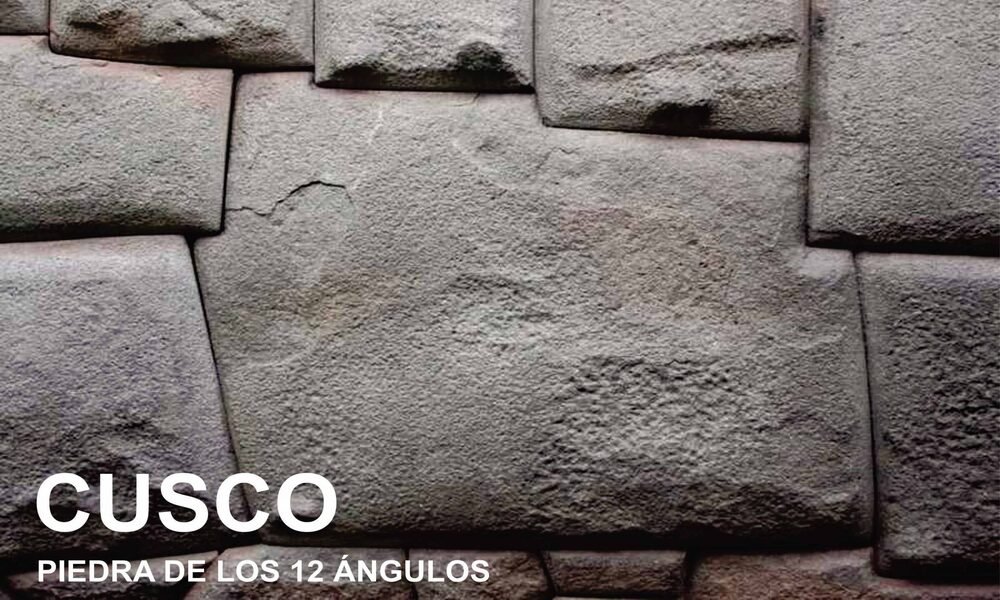
Twelve-Angled Stone: Icon of Inca Engineering in Cusco
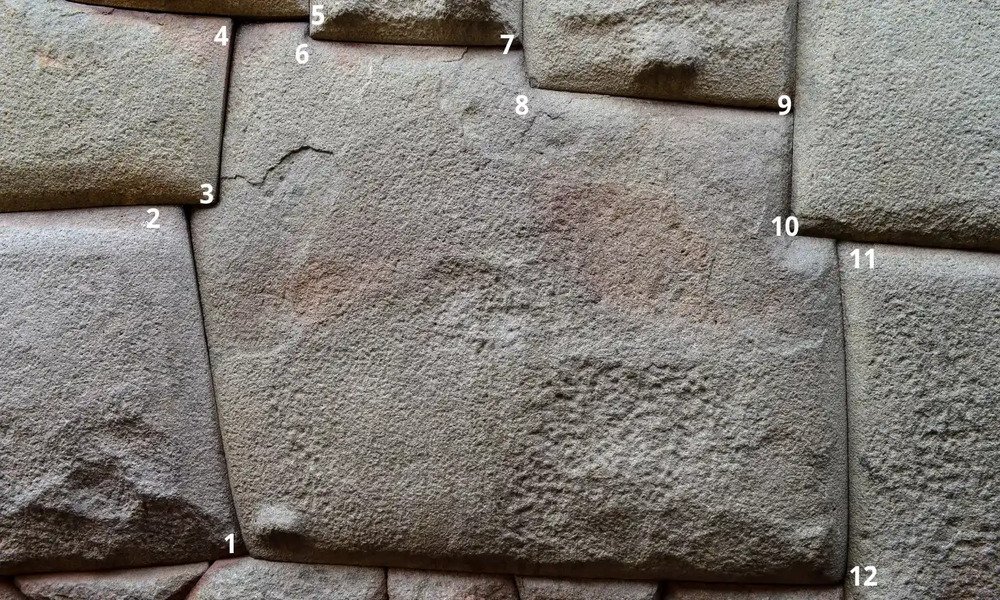
The Twelve-Angled Stone is one of the most representative symbols of Inca architecture and one of the most visited historical sites in Cusco. It is located on the traditional Hatun Rumiyoc street. It stands out for its unique shape and the precision of its carving. This stone demonstrates the high level of construction knowledge of the Inca Empire (Tahuantinsuyo).
Beyond its architectural value, the stone holds profound cultural and historical significance. It has witnessed Cusco’s transformation from Inca times to the present day. Over time, it has remained an essential part of the urban landscape. Today, it attracts travelers interested in history and ancient engineering. Its structure demonstrates how the Incas managed to create strong, harmonious buildings that are well integrated with their surroundings.
Historical origin of the Twelve-Angled Stone
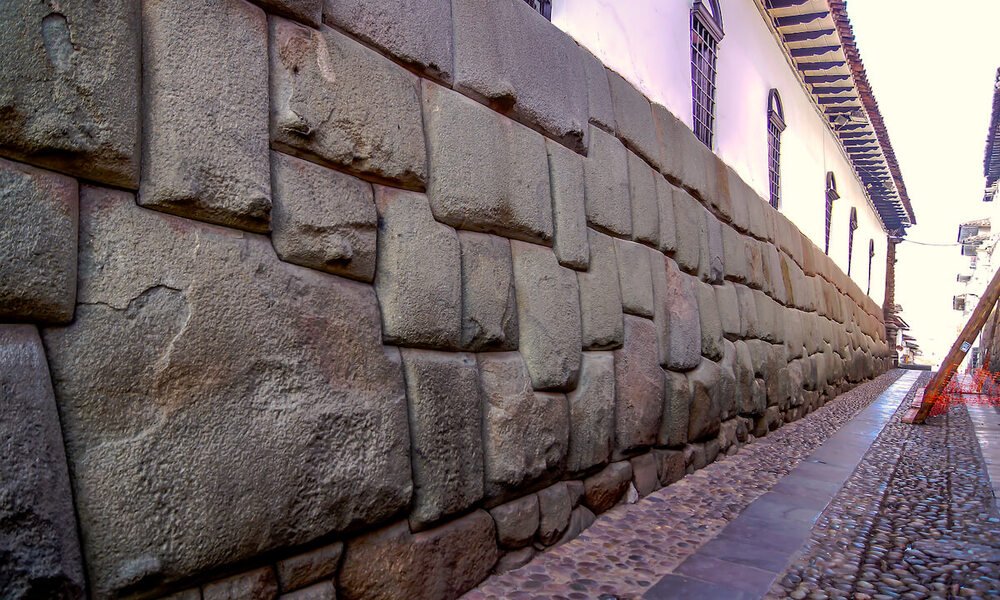
The Twelve-Angled Stone is part of an ancient Inca wall on Hatun Rumiyoc Street in the historic center of Cusco. This wall belonged to the palace of Inca Roca, one of the most important rulers of the Inca period.
Its construction marked a period of consolidation of Cusco’s political and urban power. At that time, architecture served to demonstrate authority, order, and technical mastery. The Incas used stone as a symbol of control and organization of urban space.
During the Inca era, these buildings served more than just a residential function. They also represented the prestige of the ruling elite and their relationship with the state. Each element of the wall fulfilled a political and cultural purpose within imperial Cusco.
Construction technique and architectural precision
The Twelve-Angled Stone stands out for its precision and perfect fit with the neighboring stones. Each angle was precisely carved to achieve a firm and stable fit. This technique demonstrates the high level of stonemasonry knowledge possessed by the Inca architects.
The mortarless assembly system improved the walls’ resistance to earthquakes. The Incas understood the behavior of stone as a building material. Thanks to this, many structures have withstood the test of time and earthquakes.
This technique made the stone one of the best examples of Inca engineering applied to urban architecture.
Symbolic value and cultural identity today
Today, the Twelve-Angled Stone is one of Cusco’s most iconic symbols. It represents the Inca legacy and its enduring presence in the modern city. Its significance extends far beyond its architectural merits.
For locals and visitors alike, the stone symbolizes ingenuity, harmony, and respect for nature. Its preservation reinforces the value of cultural heritage as a living element. Furthermore, it connects the pre-Hispanic past with contemporary life in Cusco.
Strategic location on Hatun Rumiyoc Street
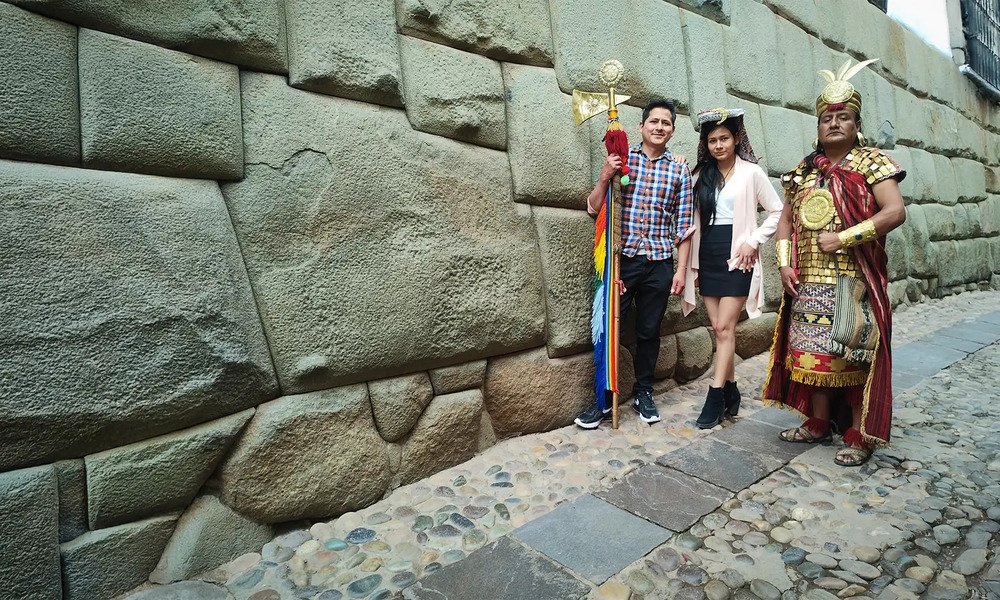
The Twelve-Angled Stone is located on Hatun Rumiyoc Street, one of the oldest and most representative streets in the historic center of Cusco. This street was part of the Inca urban layout and connected important political and residential areas of the ancient empire. Its location reflects the importance of this area within the organization of pre-Hispanic Cusco.
Over time, Hatun Rumiyoc was integrated into the colonial urban design without losing its Inca foundations. Today, the presence of stone in this street allows us to observe the historical continuity of the city. In this way, the site becomes a key point for understanding the urban evolution of Cusco throughout the centuries.
Integration into the urban layout of Inca Cusco
In Inca Cusco, the streets and buildings followed a planned and orderly design. Hatun Rumiyoc played an important role within this system, as it allowed the passage of authorities and members of the elite. The walls that surround it were built with great precision to ensure durability and stability.
The Twelve-Angled Stone is part of this urban and architectural design. Its perfect fit with the rest of the wall demonstrates that it was not an isolated element, but rather part of a comprehensively planned structure. This reinforces the idea that Inca architecture responded to both practical and symbolic needs.
Current importance as a tourist and cultural point
Today, the Twelve-Angled Stone is one of the most visited spots in Cusco’s historic center. Its accessible location allows tourists and locals to easily see it while exploring the city. It is also frequently included in guided tours focused on Inca history and architecture.
This space is captivating not only for its visual appeal but also for its cultural significance. The stone serves as a link between the past and the present, recalling the grandeur of Inca knowledge within a vibrant and ever-evolving city. Its presence reinforces Cusco’s historical identity and its recognition as a cultural heritage site.
Materials used and origin of the stone
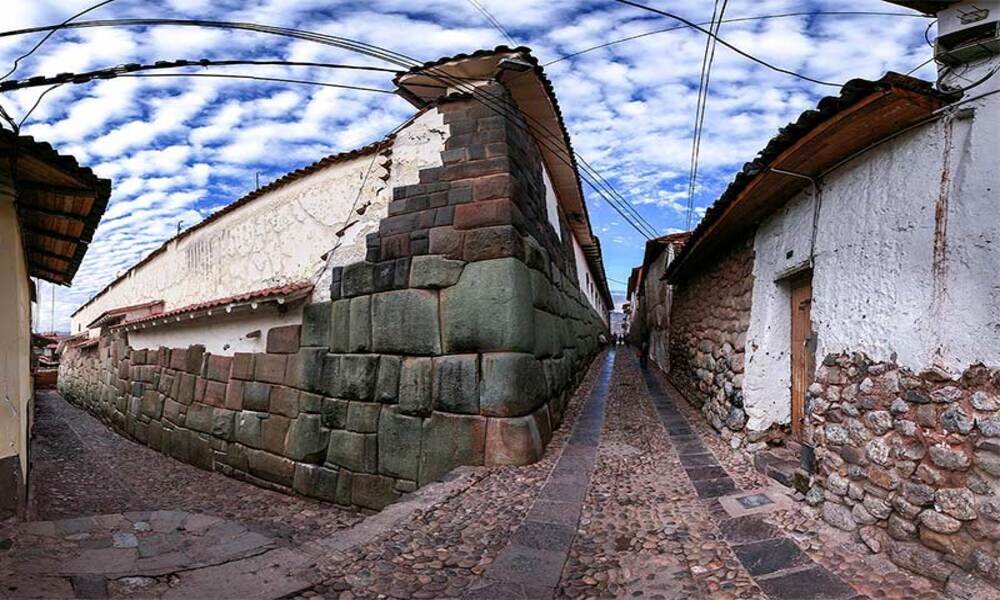
The Twelve-Angled Stone was carved from andesite, a material widely used by the Incas due to its hardness and resistance. This type of rock was obtained from quarries located around Cusco. The Incas carefully selected each block before transporting it to the construction site.
The stone was transported without the use of wheels or pack animals. Instead, it relied on human strength and a system of ropes, ramps, and levers. This process required planning and collective work, demonstrating the organizational capacity of the Inca state.
The Twelve-Angled Stone as a tourist attraction
Today, the Twelve-Angled Stone is one of the most visited spots for those exploring Cusco’s historic center. Its fame stems from the perfection of its carving and the ease with which it can be viewed up close. Many visitors stop to photograph it and learn its history.
This attraction is part of urban tourist routes and is often included in guided tours about Inca architecture. Its presence helps to strengthen interest in cultural heritage and disseminate knowledge about the construction techniques of ancient Peru.
Relationship with other Inca walls in the historic center
The Twelve-Angled Stone is not an isolated case within Cusco. It forms part of a larger group of Inca walls that are still preserved in the historic center. These walls share similar carving and assembly techniques, allowing us to identify a common architectural style.
Comparing this stone with other Inca walls reveals the same level of precision and solidity. This reinforces the idea that the Incas developed a uniform and efficient construction system. Thanks to this, many of these structures remain standing, despite the passage of time and earthquakes.
Myths, beliefs and popular stories associated with the stone
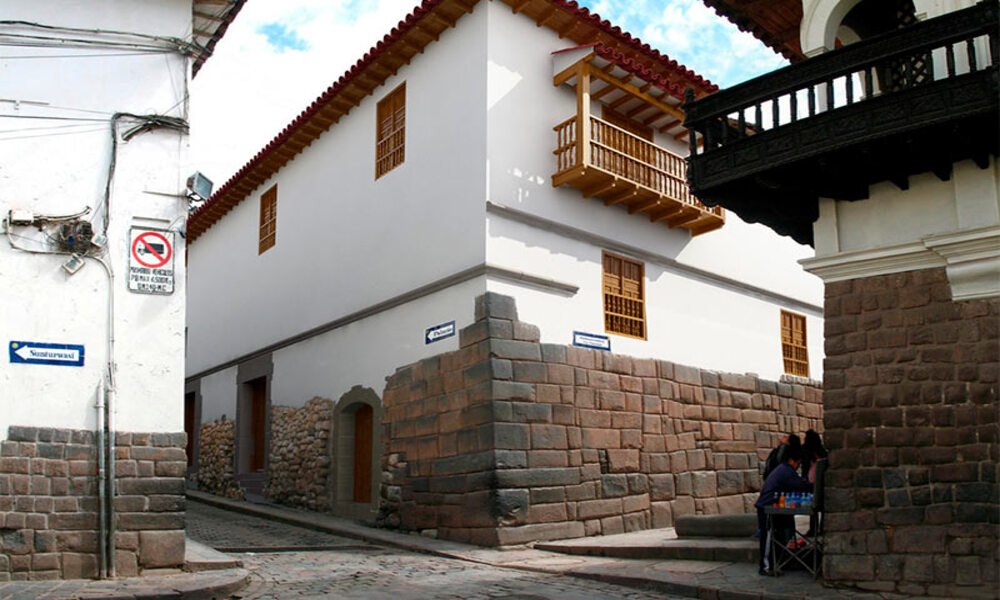
Over time, the Twelve-Angled Stone has given rise to various myths and folk tales among the local population. Many people believe the stone possesses a special energy due to the perfection of its carving and its resistance to earthquakes. These beliefs are part of Cusco’s cultural heritage and are passed down from generation to generation.
Some accounts suggest that the Incas used secret knowledge to achieve a perfect fit between the stones. Others claim that the stone represents the spiritual protection of the city. Although these stories lack a proven historical basis, they contribute to reinforcing the symbolic value of the monument.
Photography, visits and recommendations for the traveler
The Twelve-Angled Stone is a popular spot, especially during the day. For a better experience, it’s recommended to visit early in the morning or in the late afternoon, when there are fewer people. This allows you to observe the stone’s angles in greater detail and take photos at your leisure.
During your visit, it’s important to respect the surroundings and avoid touching the stone repeatedly. The monument’s preservation depends on the care taken by visitors. Furthermore, a leisurely stroll along Hatun Rumiyoc Street allows you to appreciate other Inca walls that enrich your cultural experience in Cusco’s historic center.
Heritage Value and Protection of the Twelve-Angled Stone
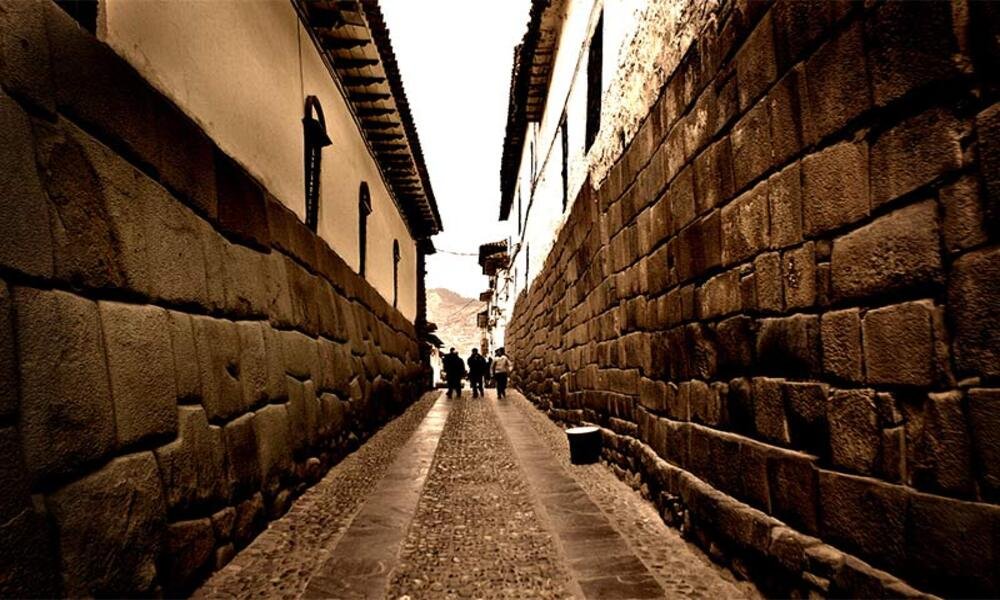
The Twelve-Angled Stone is part of the cultural heritage of Cusco and Peru. Its preservation is essential due to its historical, architectural, and symbolic value. Located on a busy public thoroughfare, it requires constant attention to prevent deterioration caused by excessive contact and the passage of time.
Local and cultural authorities are promoting protective measures to preserve the Inca walls in the historic center. These actions aim to ensure that future generations can continue to appreciate this legacy. Protecting the monument also reinforces Cusco’s cultural identity as the former capital of the Inca Empire.
Impact of tourism and respect for historical heritage
Tourism has contributed to the worldwide recognition of the Twelve-Angled Stone. However, the high volume of visitors also poses risks to its preservation. Constant contact, inappropriate photography, and a lack of information can affect the monument’s integrity.
Therefore, promoting responsible tourism is crucial. Respecting the stone, following the signs, and appreciating its historical significance helps protect it. In this way, tourism becomes an ally in preserving Cusco’s cultural heritage.
Comparison with other masterpieces of Inca engineering
The Twelve-Angled Stone is related to other great works of Inca engineering found in Cusco and its surroundings. Examples such as Sacsayhuaman, Qorikancha, and Ollantaytambo demonstrate the same level of precision in the carving and assembly of the stone.
These comparisons reveal that stonework is not an isolated case, but rather part of an advanced and coherent construction system. Taken together, these structures reflect the Incas’ technical mastery and their ability to create durable, harmonious buildings adapted to the Andean environment.