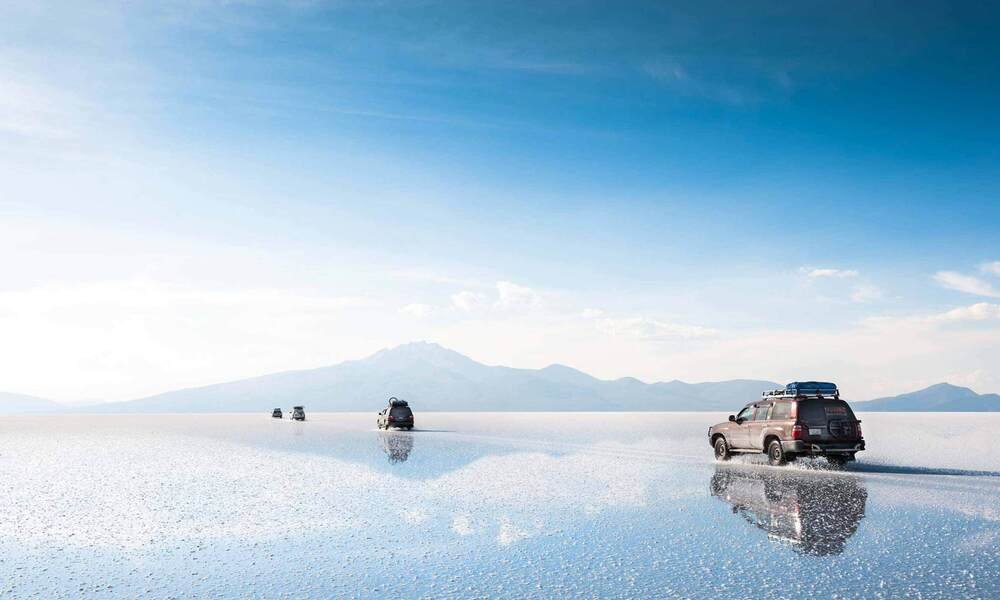
Is it worth visiting the Salar de Uyuni?
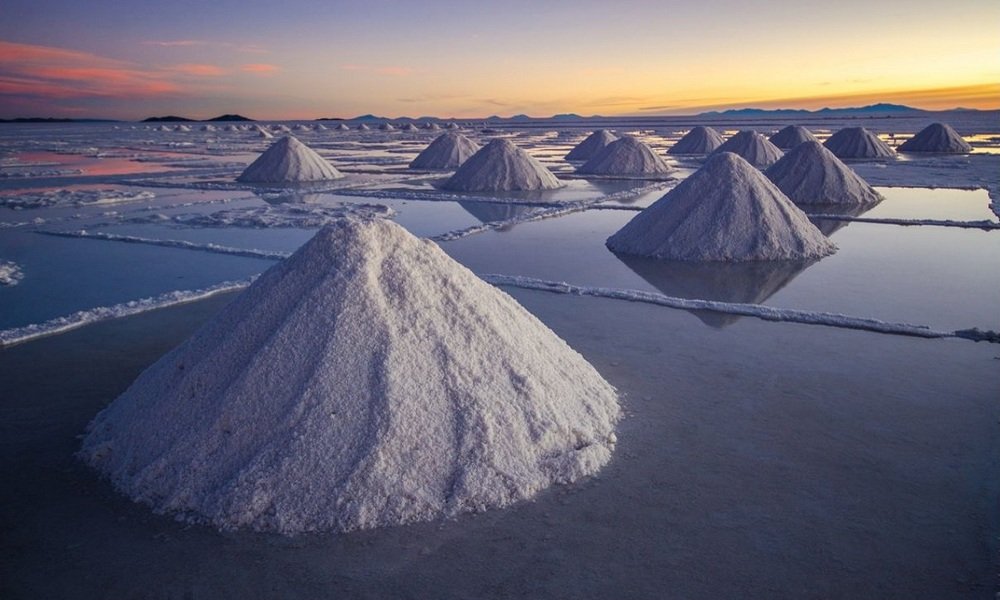
Visiting the Salar de Uyuni is one of those experiences many travelers dream of having at least once. However, before planning the trip, it’s normal to wonder if it’s really worth it. The answer depends on what you’re looking for: extreme landscapes, unique photographs, high-altitude adventure, and a sense of immensity that’s hard to describe. In this guide, I’ll tell you the main reasons, the advantages, and what you should consider to make an informed decision.
What makes the Salar de Uyuni unique
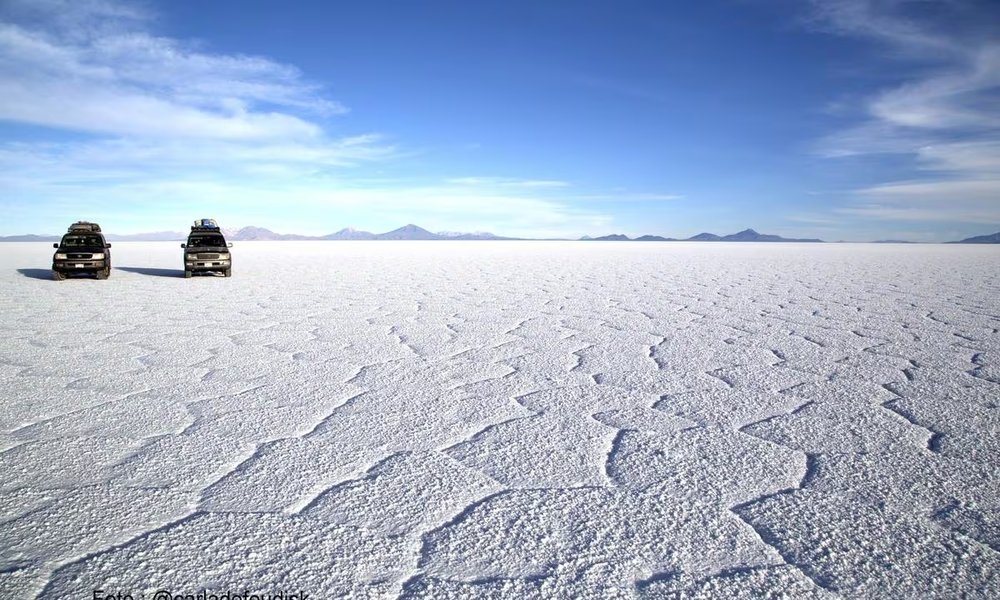
The Salar de Uyuni is unique because there is no other place in the world with such a vast and perfectly flat salt flat. Its landscape evokes a sense of absolute immensity that is striking from the very first moment.
Furthermore, the natural environment of the salt flats changes depending on the light, the time of day, and the season. During the dry season, the white expanse stretches to the horizon. In the rainy season, the landscape is completely transformed, offering a totally different visual experience.
A landscape that is not repeated anywhere else
Walking on the salt flats produces a sensation that is difficult to compare with other tourist destinations. The absence of visual references creates the illusion of being in an infinite space, making each walk a unique experience.
Worldwide Recognition
The Salar de Uyuni is internationally recognized as one of the most breathtaking natural landscapes on the planet. For this reason, it frequently appears in documentaries, travel magazines, and audiovisual productions.
Is it as impressive as it looks in photos?
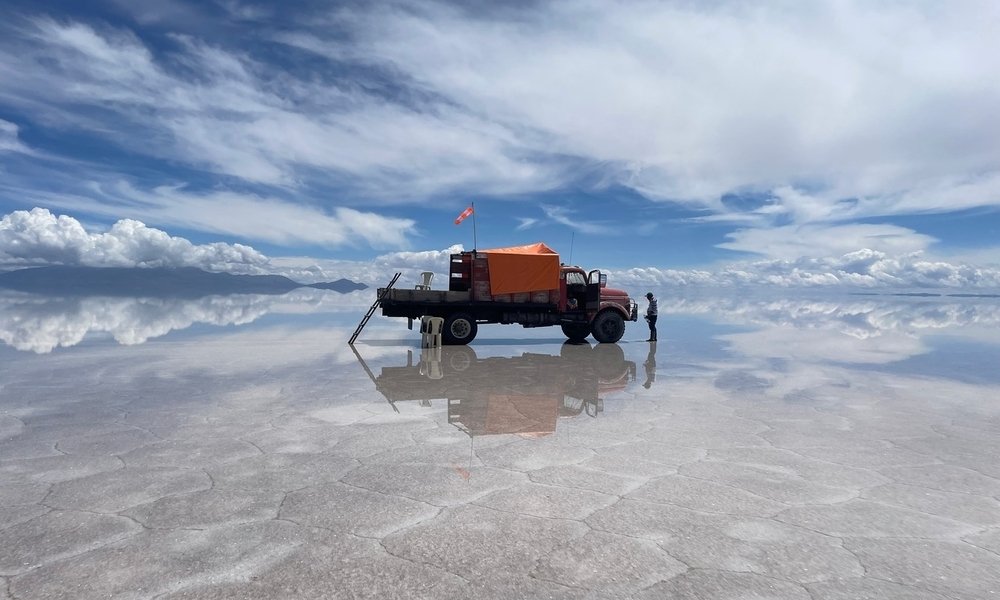
Many travelers wonder if the Salar de Uyuni really looks like it does in photographs. The answer is yes, and it can even exceed expectations. In person, the landscape is much more striking due to its scale and the profound silence of the surroundings.
Images don’t always manage to convey the sense of vastness or the contrast between the sky and the salt flats. Being there, the visitor perceives the true scale of the place, and the experience becomes much more intense.
Perspective and creative photographs
The salt flats allow for creative photography thanks to their flat surface. With no landmarks, you can play with distances and sizes, achieving unique images that wouldn’t be possible in other destinations.
The visual impact of the mirror effect
During the rainy season, the famous mirror effect causes the salt flats to reflect the sky like a giant mirror. This phenomenon makes a visit an unforgettable visual experience.
Best time to visit the Salar de Uyuni

Choosing when to travel is key to deciding if the Salar de Uyuni is truly worth visiting. The landscape changes dramatically depending on the season, and each time of year offers a distinct experience.
Rainy season and mirror effect
Between January and March, a thin layer of water covers the salt flats, creating the famous mirror effect. The sky is reflected on the surface, giving the sensation of walking among the clouds. This is the preferred time for those seeking striking photographs and surreal landscapes.
Dry season and salt soil
From April to November, the salt flats remain dry and display their classic salt texture. This season allows for unrestricted travel over long distances and is ideal for hiking, perspective photography, and comprehensive tours of the area.
Climate, altitude, and how demanding the visit is

Before traveling, it is important to know the weather conditions and the altitude of the Salar de Uyuni , as they directly influence the experience.
Height and body adaptation
The salt flats are located more than 3,600 meters above sea level. For this reason, some people may experience fatigue or mild discomfort. It is recommended to acclimatize beforehand and maintain a relaxed pace during the tour.
Temperature changes
Temperatures can vary considerably throughout the day. During the morning and evening, it can be quite cold, while at midday the sun is strong. Dressing in layers helps you adapt to these changes.
Costs and what’s included in a tour to the Salar de Uyuni

One of the most important points when evaluating whether it is worth visiting the Salar de Uyuni is knowing the costs and what a tour usually includes.
Approximate price of the tour
The price of the tour can vary depending on the duration and type of service. One-day tours are usually more economical, while two- or three-day tours cost more because they include more visits and accommodation. In general, prices are affordable compared to other world-class nature destinations.
What the service usually includes
Most tours include transportation in a 4×4 vehicle, a driver-guide, entrance fees to the main attractions, and in some cases, basic meals. Longer programs also include simple accommodation in the highlands.
For whom is it worth visiting the Salar de Uyuni?
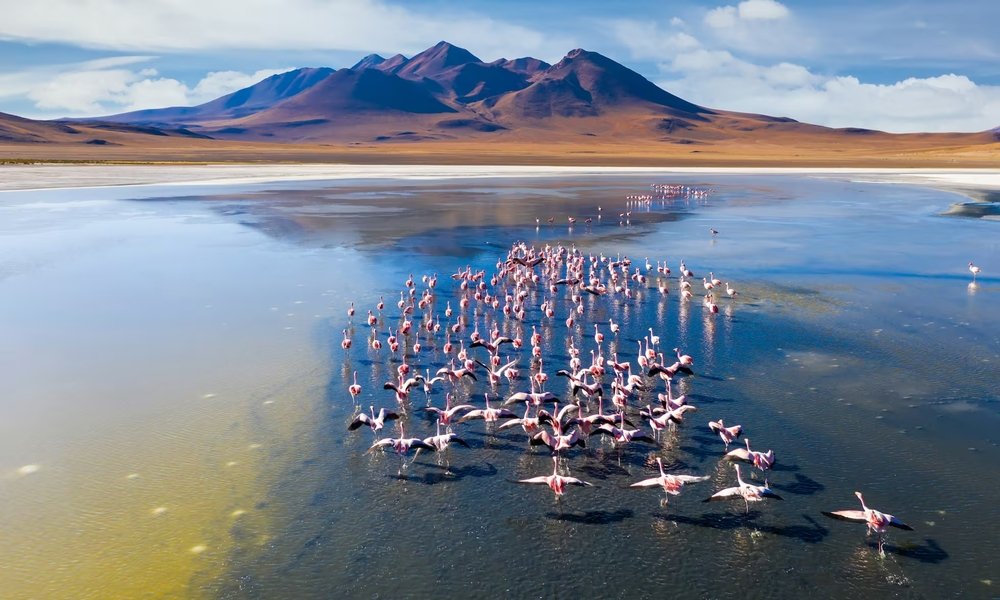
The Salar de Uyuni is a destination that leaves a lasting impression, but it’s not the same for every traveler. Knowing whether it fits your travel style is key to enjoying it to the fullest.
Ideal for adventurous travelers
This destination is perfect for those who enjoy extreme landscapes, unconventional routes, and extraordinary experiences. It’s also ideal for photography and nature enthusiasts.
For whom might this not be the best option?
If you prefer destinations with luxury amenities, temperate climates, or urban activities, the Salar de Uyuni might not be the best choice. The cold, the altitude, and the long journeys can be challenging for some travelers.
The Salar de Uyuni receives recognition for being the world’s largest salt desert, a milestone confirmed by a Guinness World Record in 2024.