“What makes Cusco unique compared to other destinations?”
Cusco, located in southeastern Peru, is much more than a tourist destination: it’s a journey into the past and present of Andean culture. Known as the “Archaeological Capital of the Americas,” Cusco was the capital of the vast Inca Empire and today uniquely blends indigenous heritage with Spanish colonial influence.
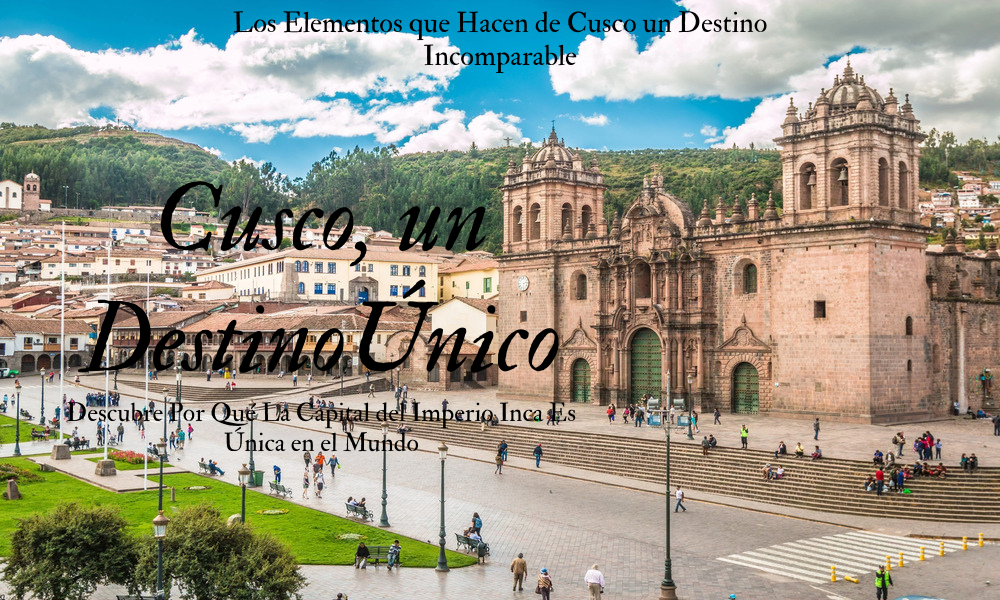
This historical and cultural fusion, combined with stunning landscapes and living traditions, makes it a truly unique place within the global travel scene.
History and Cultural Heritage
What makes Cusco truly unique is its profound history, stretching back centuries before the arrival of the Spanish in the 16th century. Cusco was the heart of the Inca Empire, the most powerful state in pre-Columbian South America, and as such, every stone, street, and building holds stories that have endured for generations. The city was not only a political and administrative center but also a spiritual and cultural epicenter, where the Andean worldview manifested itself in temples, plazas, and cities planned according to astronomical and sacred principles.
Inca Architecture
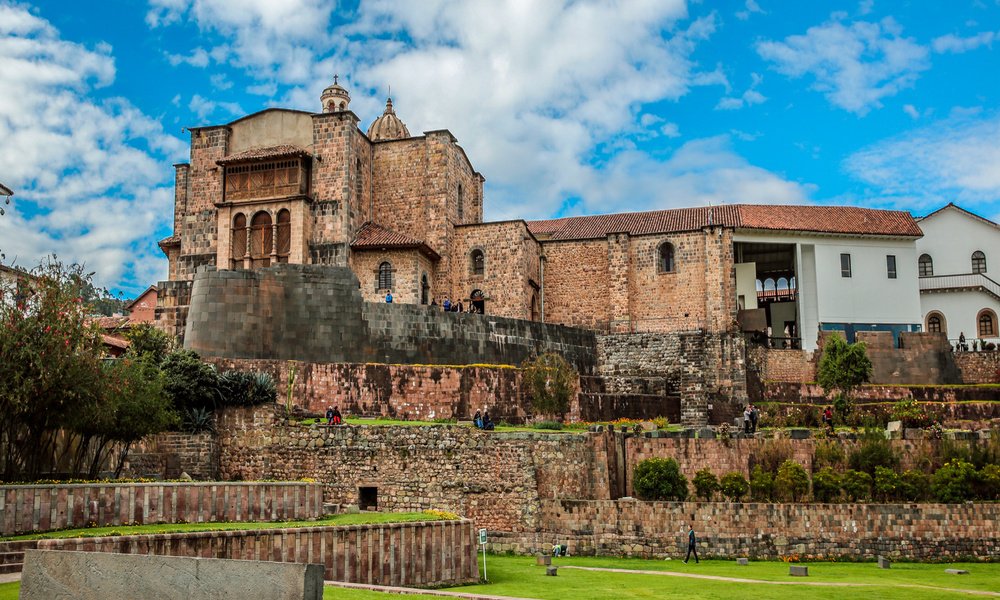
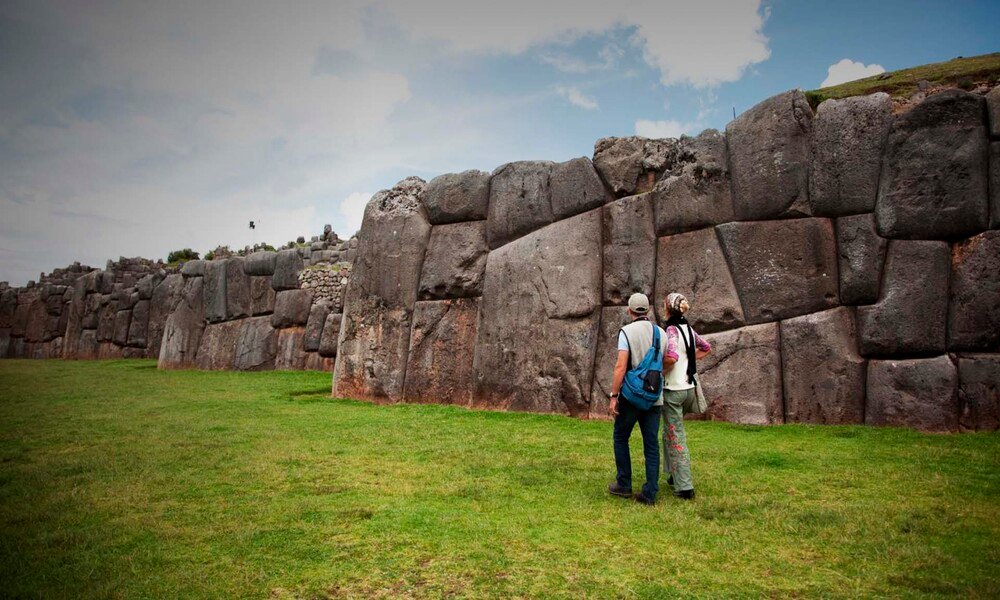
Cusco still preserves original structures that showcase the genius of Inca engineering. Qoricancha, or the Temple of the Sun, is an emblematic example, where the stones fit together with such precision that not a single sheet of metal could fit between them. Another outstanding site is Sacsayhuamán, the ceremonial fortress with enormous stone blocks weighing over 100 tons each, aligned in a way that defies gravity and modern logic. These sites impress not only with their scale but also with their symbolism: they represent the connection between the human, the natural, and the divine.
Colonial Influence
Following the Spanish conquest, Cusco was transformed into a colonial religious and administrative center. The construction of churches and convents, such as the Cusco Cathedral, took place atop ancient Inca temples, creating a unique architectural dialogue where European Baroque blends with Inca solidity and geometry. This contrast is not merely visual; it reflects the city’s historical complexity: a space where two cultural worlds coexisted and intertwined, leaving a heritage unlike many other places in the world.
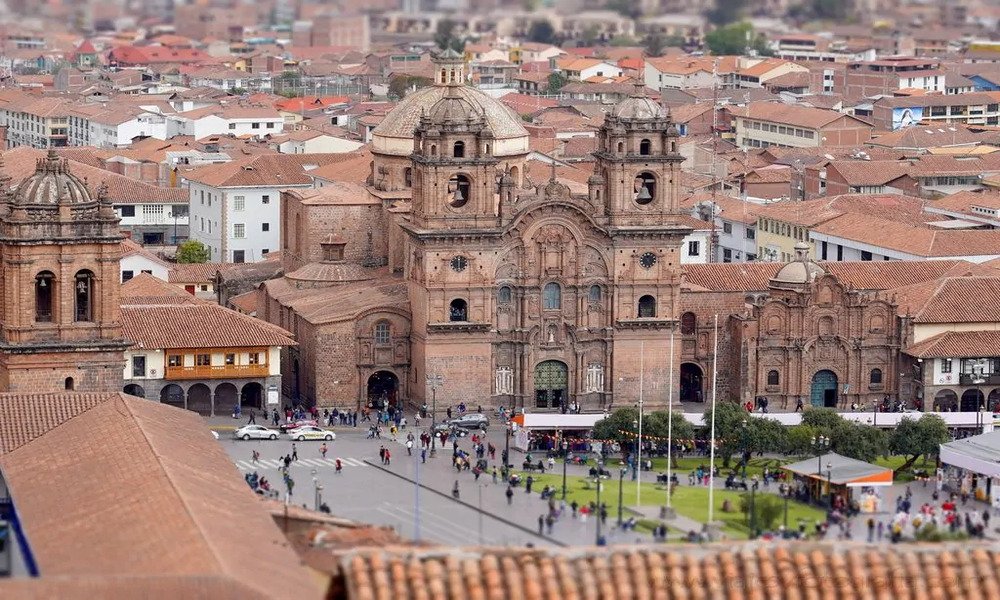
Cusco, consequently, becomes a living museum, where every street, every square, and every stone tells a story thousands of years old. Strolling through its neighborhoods is like traveling through time, from the grandeur of the Inca Empire to the European influence, all in a tangible experience that few destinations can offer.
Landscapes and Nature
Besides its rich history, Cusco stands out for its breathtaking landscapes and unique biodiversity. The city is situated 3,400 meters above sea level, in a valley surrounded by imposing Andean mountains, providing it with a natural setting of great beauty and contrast.
-
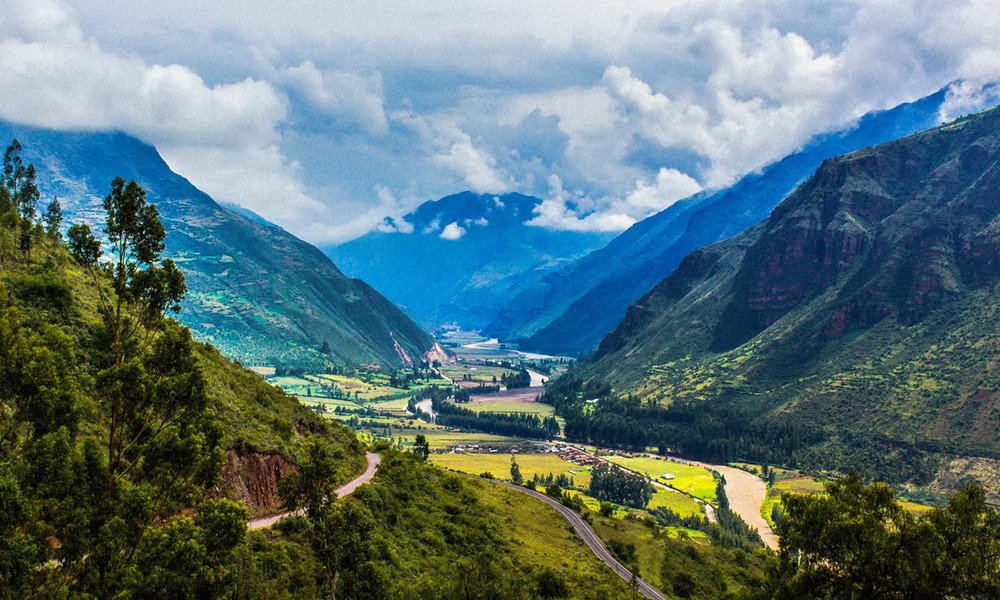
Sacred Valley of the Incas: Just a few kilometers from the city, this valley combines crystal-clear rivers, ancient agricultural terraces, and traditional villages where ancestral customs remain alive. Places like Pisac, with its colorful markets and archaeological ruins, or Ollantaytambo, a fortress and town that preserves Inca urban planning, allow you to experience history and nature in harmony.
-
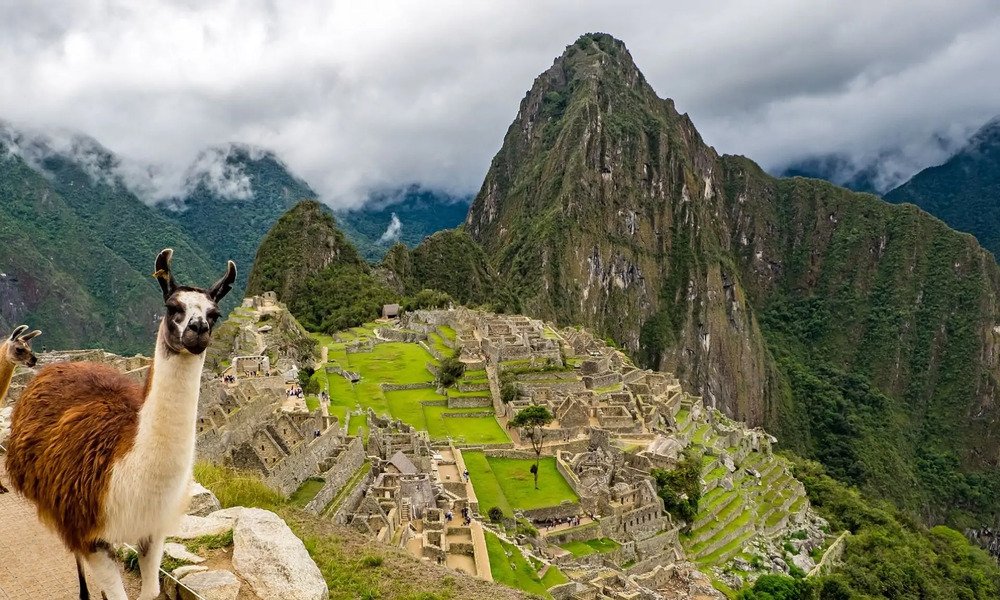
Proximity to Machu Picchu: Cusco is also the gateway to the world-famous Machu Picchu, the Inca citadel rediscovered in 1911 and declared a World Heritage Site. Its proximity makes Cusco a strategic base for exploring not just the citadel, but also iconic trekking routes like the Inca Trail, surrounded by mountainous landscapes, cloud forests, and winding rivers.
-
Natural diversity: The Cusco region also offers impressive ecological contrasts: from the cold altitude of the Andes to the subtropical valleys, the area is home to unique species of flora and fauna, making it a destination not only for culture, but also for ecology and adventure.
Traditions and Living Culture
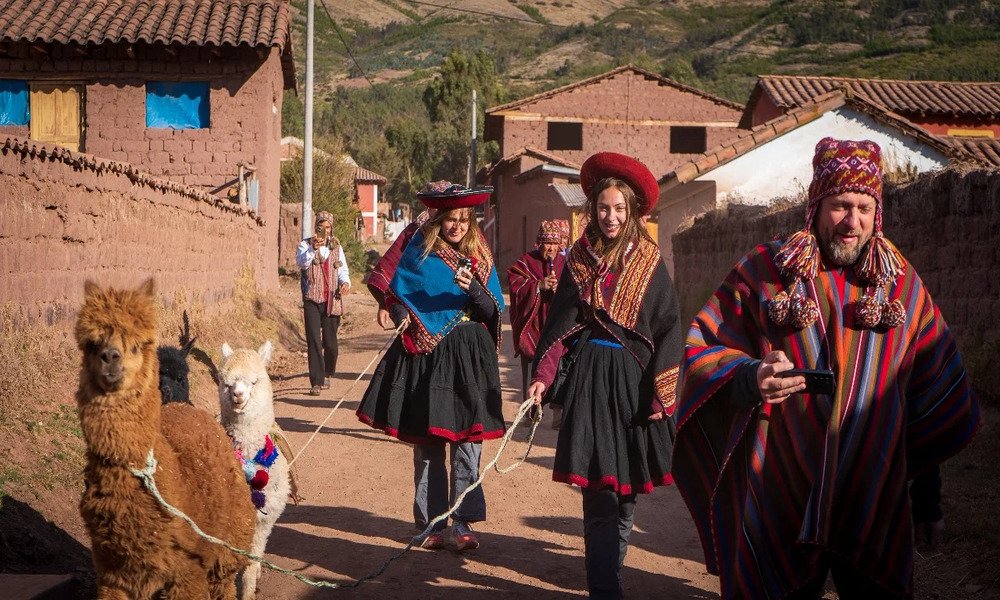
One of Cusco’s most unique features is that its culture isn’t just in museums or ruins: it thrives in daily life and in festivals that preserve ancestral traditions.
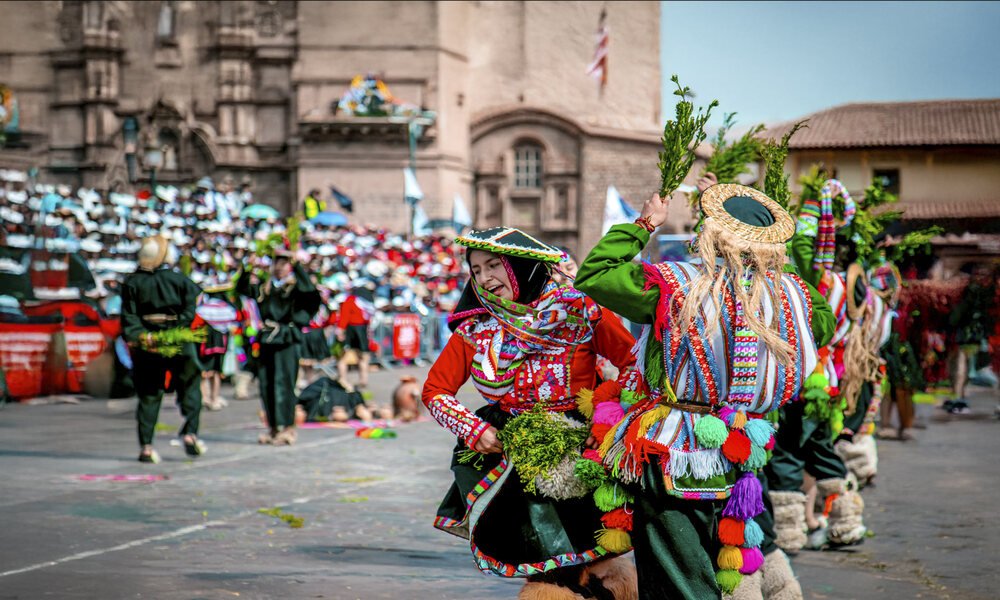
Festivities: The city celebrates events that combine Inca rituals and modern celebrations, such as Inti Raymi, the Festival of the Sun, which commemorates the winter solstice and attracts thousands of visitors who participate in ceremonies with traditional clothing, dances, and offerings.
Handicrafts and textiles: Local markets, especially the San Pedro, offer handicrafts that reflect ancestral techniques: alpaca textiles, embroidery with Andean motifs, ceramics, and jewelry that tell stories of generations of artisans. Each piece is a testament to the cultural continuity in Cusco.
Gastronomy: Cusco’s cuisine is another reflection of this historical and cultural fusion. Dishes using local ingredients like quinoa, native potatoes, and alpaca, with techniques from Inca and Spanish colonial traditions, offer flavors unique to the region.
Unique Travel Experience
Visiting Cusco is not simply touring a city; it is living a comprehensive experience that combines history, culture, nature and adventure:
Time travel: Walking along cobblestone streets, admiring Inca walls and colonial squares immerses the visitor in centuries of history.
Authentic cultural interaction: The persistence of Quechua, participation in festivities and interaction with local people allows for genuine contact with the local culture, something that few destinations offer with such authenticity.
Adventure and nature: Cusco is also a starting point for trekking, mountaineering and exploration of hidden archaeological ruins such as Choquequirao, Moray or Tipón, combining historical learning with the excitement of outdoor adventure.
Conclusion
Cusco is unique because it achieves an almost impossible balance: it combines ancient history, breathtaking architecture, extraordinary nature, and vibrant culture. It’s not just a place to visit, but a destination to experience and feel. Its singularity lies in the fact that every stone, every festival, every dish, and every landscape tells a story found nowhere else on the planet. That’s why, for many travelers, Cusco is not just a destination, but an encounter with history, culture, and nature in their most authentic form.