What souvenirs to buy in Cusco? Guide to authentic souvenirs
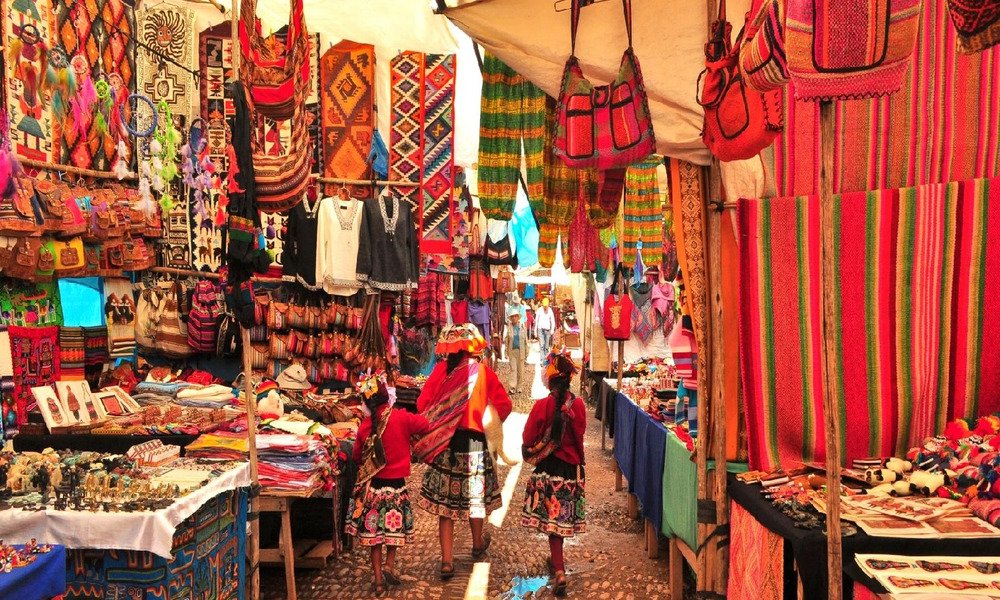
Cusco is not only known for its history and archaeological sites. It also offers a wide variety of traditional handicrafts. Many travelers want to take home a special souvenir that represents their experience in the Andes.
Souvenirs in Cusco reflect Andean culture and the work of local communities. Artisans use alpaca wool, ceramics, wood, silver, and natural stones. Each product showcases colors, symbols, and techniques that are part of the regional identity.
In the city you’ll find artisan markets, local fairs, and specialty shops. Some products are handmade. Others are mass-produced to sell at a lower price. Therefore, it’s a good idea to look at the details and ask about the item’s origin.
Furthermore, buying souvenirs isn’t just about acquiring an object. It’s also about supporting the local economy. When you choose products made by artisans, you help keep alive traditions passed down from generation to generation.
However, it’s important to compare quality and price. Some items may look similar, but they differ in material and finish. Doing your research before buying will help you make a better decision.
Alpaca textiles: the most representative souvenir of Cusco
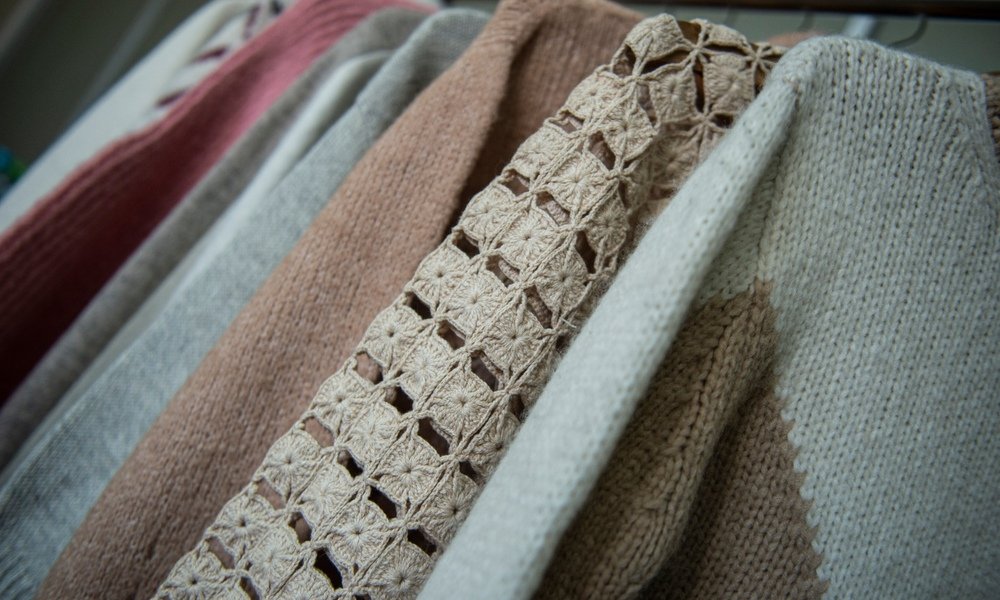
Alpaca textiles are among the most sought-after souvenirs in Cusco. They represent tradition, quality, and a connection to Andean culture. In many communities of the Sacred Valley and high Andean regions, families maintain ancestral weaving techniques passed down through generations.
Alpaca wool is soft, durable, and warm. Unlike other materials, it retains heat without being heavy. Furthermore, it can last for many years with proper care. For this reason, many people prefer to buy alpaca garments as a useful and lasting keepsake.
In Cusco you’ll find sweaters, scarves, hats, gloves, shawls, ponchos, and blankets. Some products are handmade. Others are produced in larger workshops. That’s why it’s important to check the quality and always ask about the type of material.
How to recognize authentic alpaca?
Not all garments labeled “alpaca” are truly made of alpaca. Some combine synthetic fibers to reduce costs. Therefore, you should check carefully before buying.
Genuine alpaca is soft to the touch and doesn’t itch like other wools. It also has a natural sheen and doesn’t easily generate static electricity. If the price is very low, it’s likely a blend.
There are different types of quality. For example:
• Regular alpaca
• Baby alpaca (softer and finer)
• Blend with synthetic wool
Higher-quality garments usually have labels indicating the fiber percentage. It’s also recommended to buy from reputable stores or textile centers where they explain the manufacturing process.
Where to buy alpaca textiles in Cusco?
You can find textiles in various places around the city. One of the best-known is the Cusco Artisan Center, located near the historic center. They sell a variety of products there at affordable prices.
You can also visit the San Pedro Market, where you’ll find more affordable options. However, the quality can vary, so it’s a good idea to check carefully before paying.
If you’re looking for a better guarantee, some specialty shops in the historic center offer certified products. These shops tend to be more expensive, but also offer better quality materials and craftsmanship.
Buying alpaca textiles is not just about taking home a beautiful souvenir. It also means supporting Andean communities that keep their textile traditions alive.
Ceramic and stone crafts: art with Andean identity
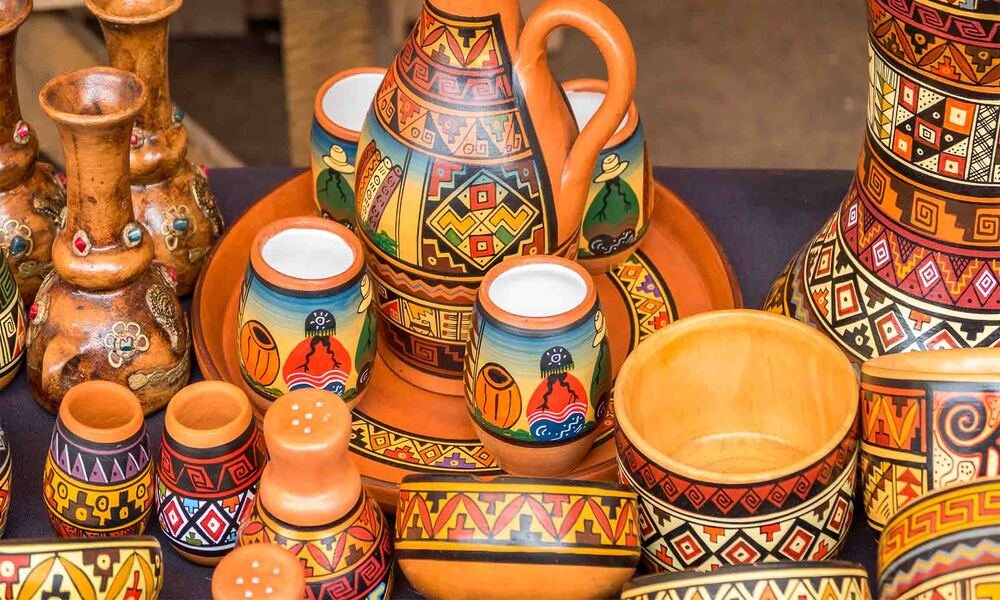
Ceramic and stone handicrafts are another of Cusco ‘s most representative souvenirs . These products reflect pre-Inca and Inca history, as well as the contemporary creativity of local artisans. Many pieces are inspired by Andean symbols, figures of sacred animals, and traditional geometric designs.
Cusco pottery typically features vibrant colors such as red, black, and brown. Some designs depict the sun, the moon, the condor, or the Andean chakana. Each figure holds cultural and spiritual significance. Therefore, it is not merely a decorative object, but an element of symbolic value.
In the case of stone, artisans create small sculptures inspired by Inca architecture. They also make figures of llamas, alpacas, and other elements typical of the Andean landscape. These pieces are usually durable and easy to transport if they are small in size.
Cultural meaning and symbolic value
Many handicrafts are not simply tourist souvenirs. They represent part of the Andean worldview. For example, the chakana symbolizes the connection between the upper world, the earthly world, and the inner world.
When you buy a piece with these symbols, you take home a part of Andean history. Furthermore, many artisans continue to use traditional techniques learned from their ancestors.
When choosing a handcrafted item, it’s advisable to ask about its meaning. This allows you to better understand the cultural value of the object and appreciate its significance beyond its decorative aspect.
Where to buy authentic handicrafts in Cusco?
You can find handicrafts in various parts of the city. The Cusco Handicraft Center offers a variety of products made by local artisans. There you can compare prices and styles.
Another option is the San Blas neighborhood, known for its artisan workshops. This area is home to artists who produce more elaborate and original pieces.
You can also visit the San Pedro Market, where prices are usually more affordable. However, it’s important to check the quality before buying.
Choosing ceramic or stone crafts is a way to support manual labor and preserve the cultural traditions of the region.
Gastronomic products: flavors you can take home from Cusco
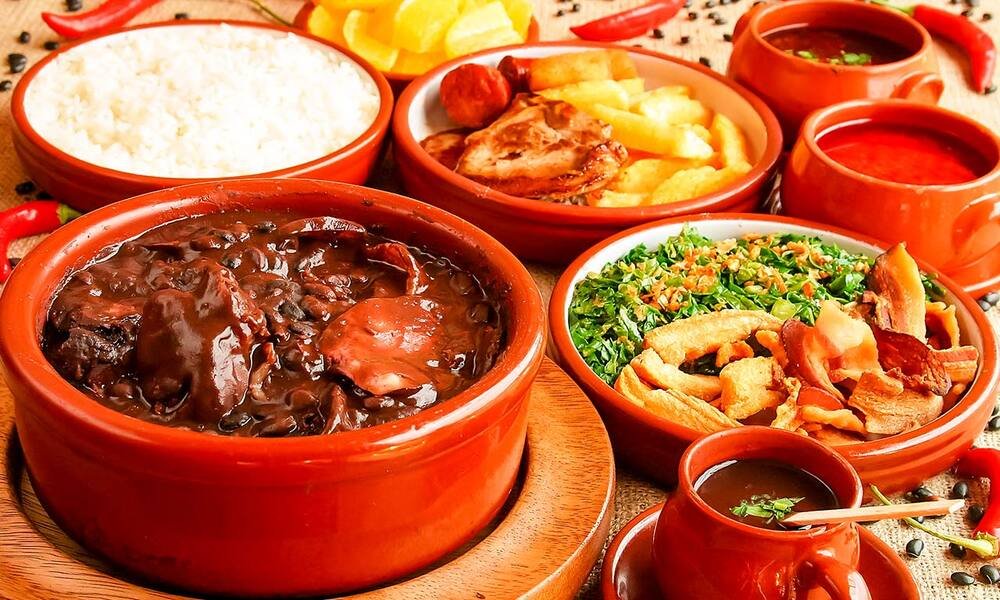
Food products are among the most practical and special souvenirs you can buy in Cusco. Unlike other decorative souvenirs, these allow you to relive the experience of your trip through flavor. Many visitors prefer to take home typical foods because they represent an authentic part of Andean culture.
Cusco offers a wide variety of local products such as organic coffee, cacao, artisanal chocolates, Andean herbal infusions, and traditional grains like quinoa. It’s also common to find pink salt from Maras, dried chili peppers, and spice mixes for preparing typical dishes at home.
These souvenirs not only have cultural value but are also useful. You can share them with your family or friends and explain their origin. In this way, the memory of your trip becomes a shared experience.
However, before buying food, it’s important to check that it’s properly sealed and has a visible expiration date. This ensures safety and quality.
Infusions, coffee and Andean natural products
One of the most popular souvenirs is coca tea. Many people buy it because it helps with acclimatization to high altitudes. Although its sale may be restricted outside of Peru, it is a traditional product within the country.
Also noteworthy are the infusions of muña, an Andean plant that aids digestion. Many tourists buy it after trying it in local restaurants. It’s lightweight, easy to carry, and inexpensive.
Organic coffee from southern Peru is another highly sought-after product. Some specialty shops sell single-origin coffee with information about the growing region. The same is true for cacao and artisanal chocolate, which are often presented in attractive, gift-ready packaging.
At the San Pedro Market, you can find several of these options at affordable prices. There are also specialty shops near the Plaza de Armas in Cusco, where the products are usually better presented.
Maras salt, quinoa and other traditional products
Pink salt from the Maras Salt Mines is one of the most iconic food souvenirs. It’s sold in small jars or decorative bags. Many people buy it for its natural origin and traditional extraction process.
Quinoa is another popular product that many visitors want to take home. There are different varieties: white, red, and black. Some shops offer ready-made mixes for soups or salads. It’s a nutritious food and easy to transport.
Other products you can find include kiwicha, cañihua, and Andean corn. These grains are part of the region’s traditional diet. Buying these foods supports local production and promotes Andean agriculture.
When choosing food products as souvenirs, it’s important to consider the regulations of the country you’re traveling to. Some foods may be restricted at international airports. Therefore, always check before packing.
Food souvenirs allow you to take a taste of Cusco home with you. They don’t take up much space and offer a different experience from traditional souvenirs.
Andean jewelry and accessories: elegant and meaningful souvenirs
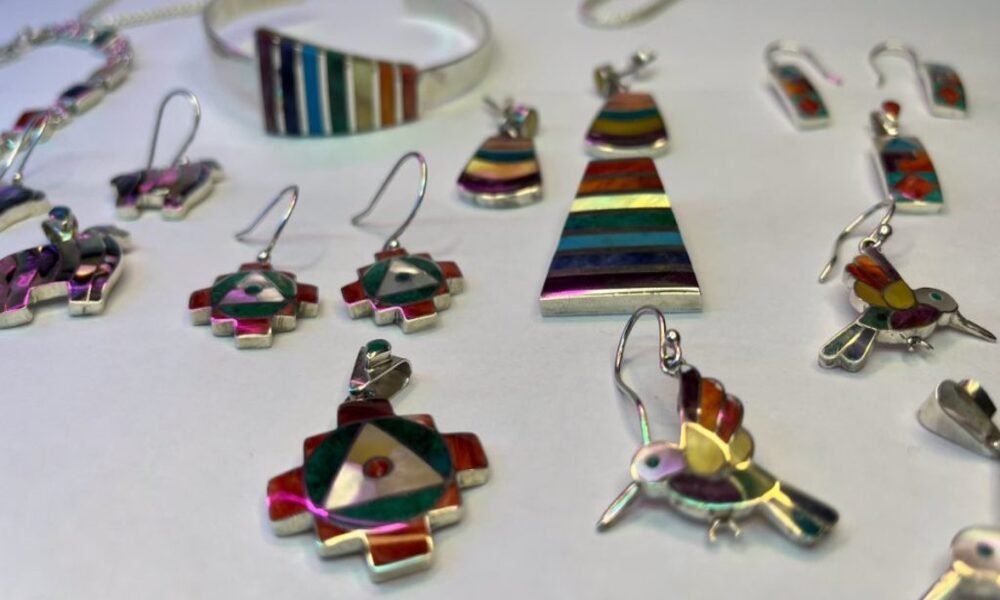
Andean jewelry and accessories are an excellent choice if you’re looking for a smaller, elegant, and easily transportable souvenir. In Cusco, you can find pieces crafted from silver, natural stones, and designs inspired by symbols of Andean culture.
Many artisans work with silver using traditional techniques. They create rings, bracelets, earrings, and necklaces with details that represent the chakana, the condor, or Inca geometric figures. These pieces combine tradition and modern style, making them suitable for everyday wear.
In addition, there are accessories made with seeds, leather, and Andean textiles. These products are usually more affordable and also reflect cultural identity. They are lightweight and practical to pack in your luggage.
Buying jewelry or accessories in Cusco is not just about acquiring a beautiful souvenir. It also means supporting local artisans and production.
Andean silver and natural stones
Silver is one of the most commonly used materials in Cusco jewelry. Many pieces combine silver with natural stones such as turquoise or quartz. These stones often have symbolic meanings related to energy and nature.
In areas near the Plaza de Armas in Cusco, you can find shops specializing in jewelry. It’s important to ask there whether the piece is 950 or 925 silver, as this indicates its purity.
It’s also advisable to check the finishes and compare prices before buying. Some stores offer certificates of authenticity, which provides greater peace of mind for the buyer.
Choosing an Andean jewel allows you to carry a lasting memory that you can use at any time, not just as a decorative object.
Where to buy and how to recognize quality
You can find accessories in artisan markets and workshops in the San Blas neighborhood, known for its artistic tradition. In this area, many artisans work directly with their products, allowing you to observe the production process.
The Cusco Artisan Center also offers variety and affordable prices. There you can compare models and styles at your leisure.
To recognize quality, observe the weight of the piece, the sturdiness of the clasps, and the detail of the design. Avoid products that are too lightweight if they are silver, as they could be just metal-plated.
Andean jewelry and accessories are an ideal choice if you want a small, elegant souvenir with cultural significance.