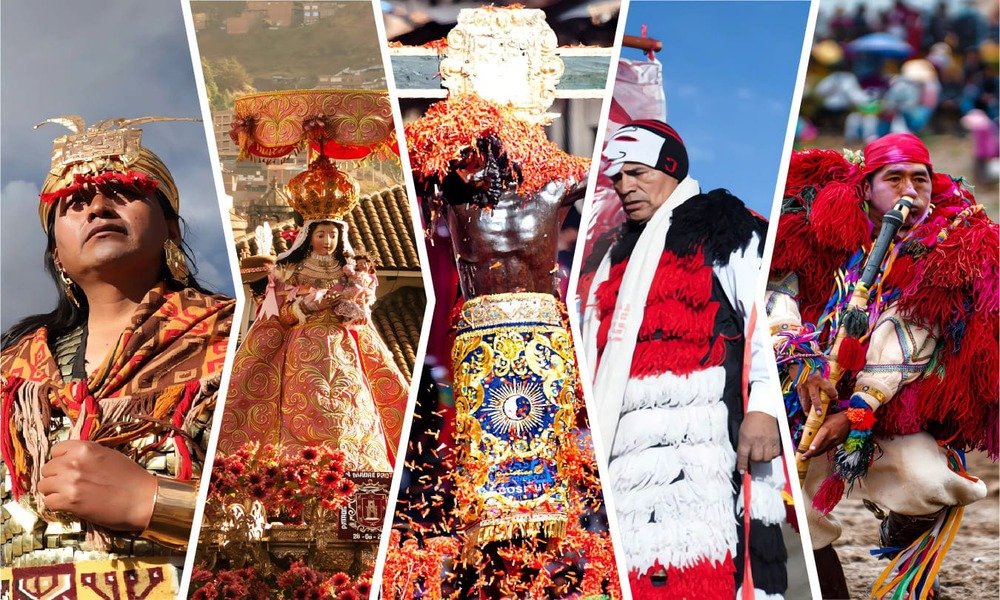
“What traditional festivals are there in Cusco?”
Cusco, the historic capital of the Inca Empire, is much more than an archaeological destination: it’s a place where culture and tradition come alive through its festivals. Every year, the city bursts into color, music, dance, and rituals that blend Andean roots with Spanish influence, offering visitors a unique glimpse into Peru’s rich cultural heritage.
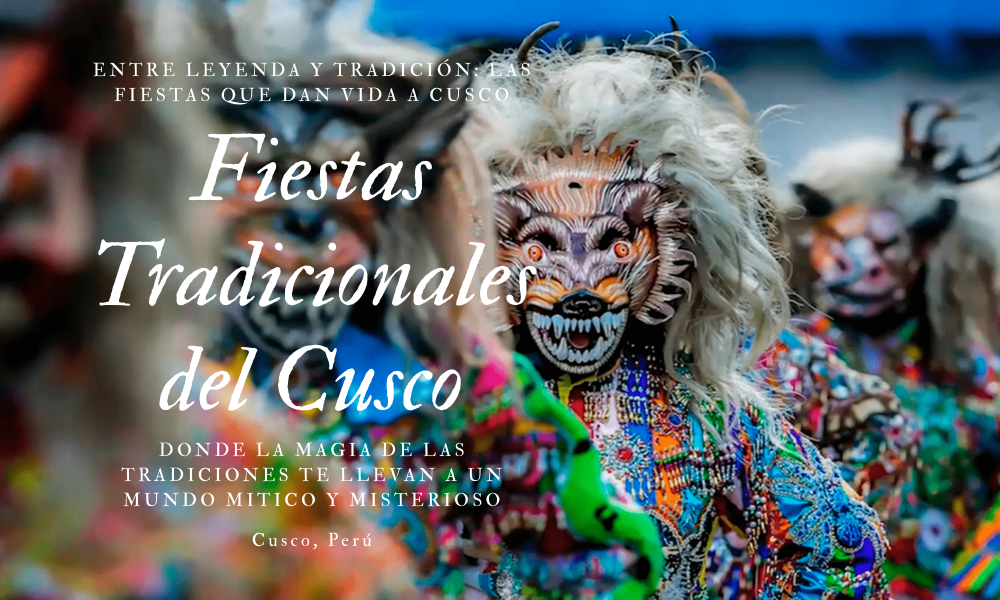
These festivities are not just a visual spectacle; they represent the historical and spiritual identity of the city.
Featured traditional festivals in Cusco
Inti Raymi (Festival of the Sun)
Celebrated every June 24th , Inti Raymi is the most important festival in the Inca calendar, dedicated to the Sun god (Inti). Its origins date back to the time of the Inca Empire, when the Incas performed ceremonies to ensure good harvests and thank the Sun for life and the fertility of the land.
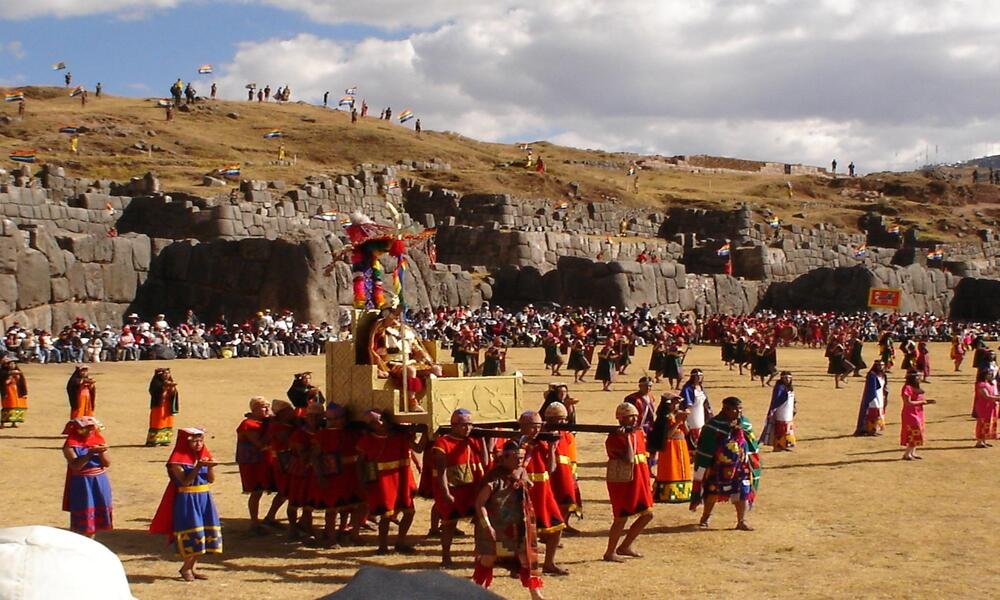
Today, the celebration combines ancestral ceremonies, parades of historical figures (the Inca, his wife, priests, and nobles), and theatrical performances at the Sacsayhuamán fortress and Cusco’s main square. During Inti Raymi, symbolic rituals such as offerings of food and drinks, traditional dances, music with Andean instruments, and colorful traditional costumes can be seen.
The event includes mock war councils, llama processions, and the symbolic transfer of power to the Inca, recreating how the Inca was governed in pre-Hispanic times. It is an event that attracts thousands of tourists and represents one of the most intense cultural experiences in Peru.
Corpus Christi
It is celebrated between May and June, 60 days after Easter. It is one of the most important religious festivals in Cusco, with both Spanish and Andean roots. During this celebration, solemn processions are organized , in which images of saints and virgins from different parishes travel through the streets of Cusco’s historic center.
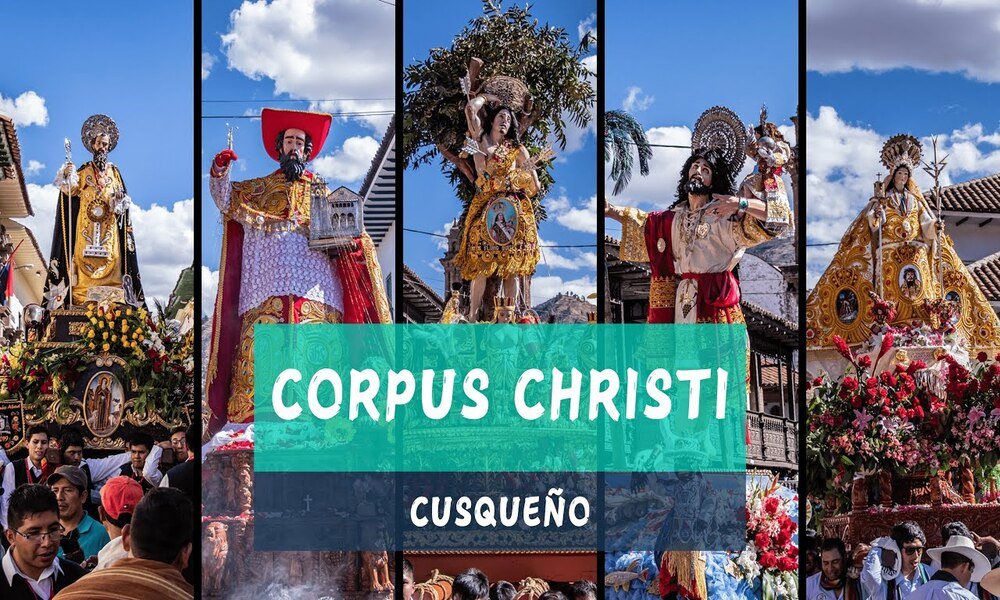
The faithful accompany the processions with traditional music, folk dances, and offerings, creating an atmosphere that blends religiosity, art, and popular culture. The participation of the brotherhoods, representing different neighborhoods and communities, is particularly noteworthy, as is the integration of local elements such as traditional costumes, masks, and colorful banners.
For visitors, it is a unique opportunity to observe the cultural syncretism that characterizes Cusco: the fusion of Catholic rituals with elements of the Andean worldview, where each dance and song has a symbolic meaning related to fertility, abundance, and spiritual protection.
Cusco Carnival
The Cusco Carnival, celebrated in February , is a festival full of joy, humor, and color. It combines Andean traditions with Spanish influences and is famous for its parades, troupes, and traditional dance competitions.
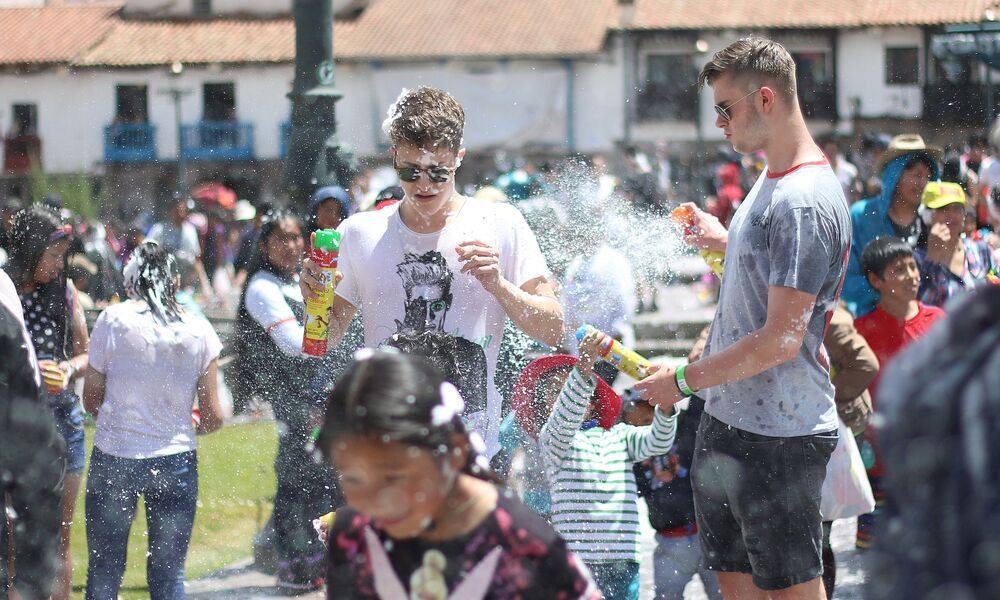
One of the most striking carnival traditions is the water and flour fight, in which participants throw colored powders and jets of water at each other, creating a festive and highly participatory atmosphere. Furthermore, traditional dances, such as the Huayli, Ch’unchu, and Qhapaq Negro, have historical and social significance, reflecting the rural and urban life of Cusco and showcasing the region’s rich cultural heritage.
On the other hand, beyond the fun, Carnival plays an important role in social cohesion, as neighbors and entire communities collaborate in preparing costumes, masks, and troupes, strengthening local cultural identity. Consequently, this celebration is ideal for those seeking an interactive and authentic experience of Cusco’s culture.
Festival of the Virgin of Carmen (Paucartambo)
Celebrated every July 16th in the district of Paucartambo, about two hours from Cusco, this festival is one of the most colorful expressions of Andean religious syncretism. Locals pay homage to the Virgen del Carmen , patron saint of the region, combining Catholic devotion with ancestral rituals.
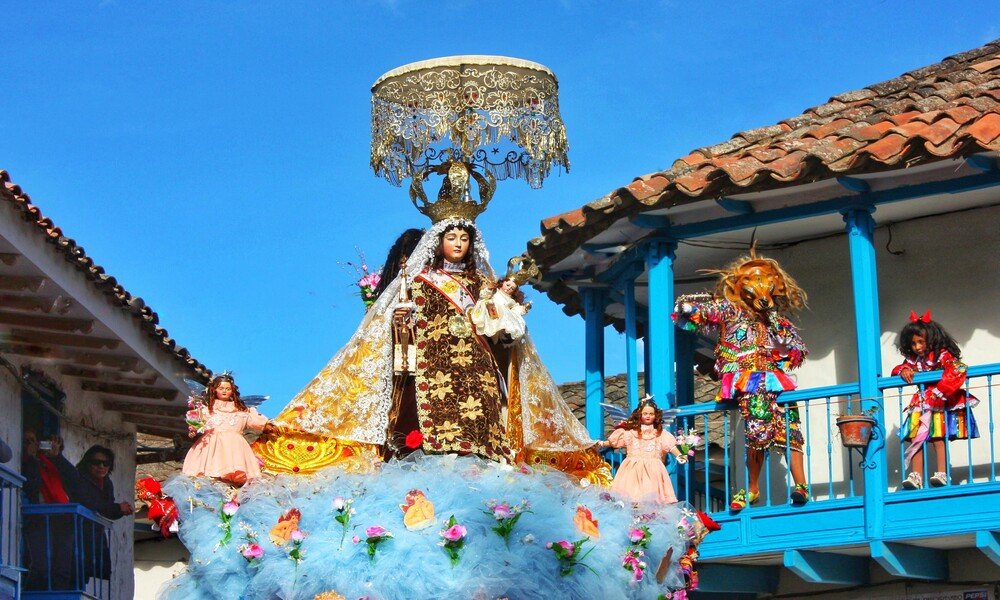
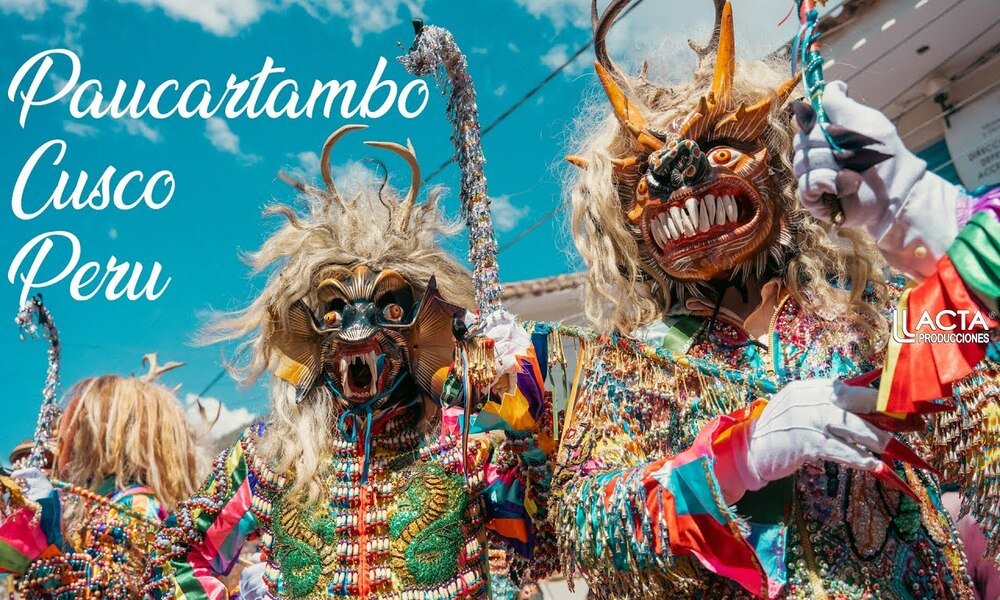
The main event consists of religious processions, complemented by traditional dances, most notably the Diablada, in which dancers wear masks and spectacular costumes symbolizing the struggle between good and evil. Dance competitions and performances of traditional music also take place, creating a vibrant and festive atmosphere that attracts both national and international tourists.
Lord of the Earthquakes
Held every Monday of Holy Week, typically in April, this festival honors the Christ of the Earthquakes, a revered image believed to have protected Cusco from earthquakes and other natural disasters. Beyond its protective symbolism, it also reflects the deep faith of the local people and their rich religious heritage.
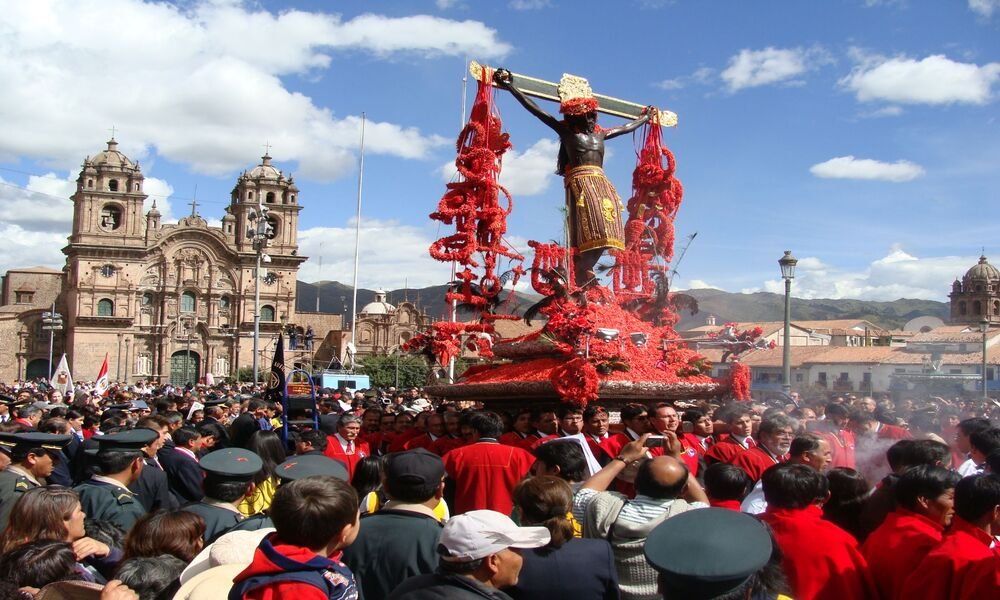
During the celebration, the image of Christ is carried from its temple in the San Blas neighborhood in a solemn procession through the main streets of the historic center, accompanied by sacred music, traditional dances, and devotees making pilgrimages. The festival combines spirituality, culture, and religious art, becoming one of the most significant for the people of Cusco and demonstrating the city’s deep faith and devotion.
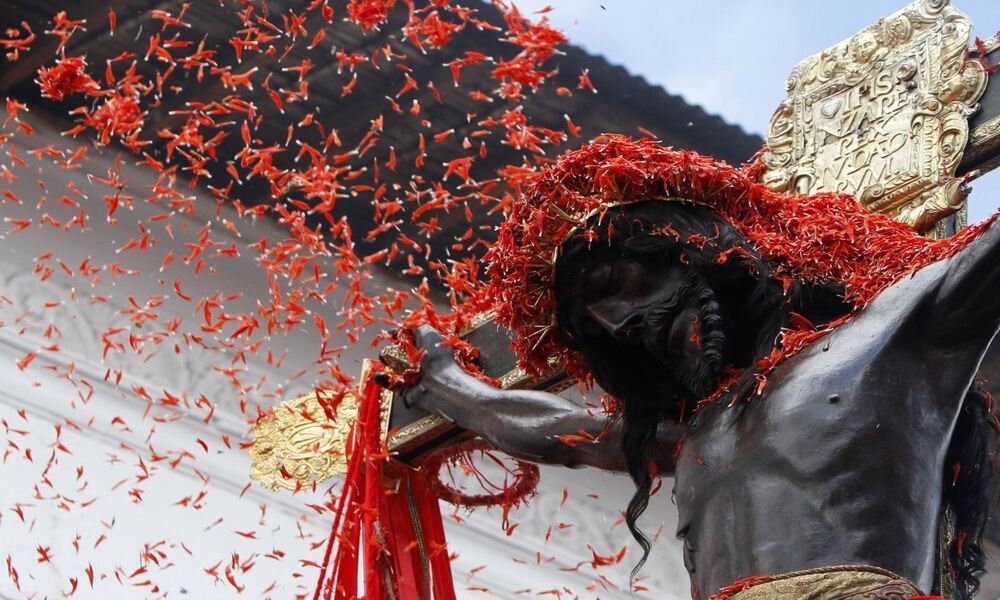
In addition to the procession, there are home and business blessing ceremonies, special masses, and sacred music concerts. Consequently, the celebration transforms into a community event involving the entire city, reflecting the close relationship between religious tradition and daily life in Cusco.
Festival of Warachicuy in Cusco
The Warachicuy Festival is an ancestral celebration of Inca origin that is revived every year in Cusco, symbolizing the passage of young men into adulthood. Historically, this ritual marked young men as ready for social, military, and community duties, giving them the ‘wara,’ a traditional symbol of male maturity. Today, Warachicuy is celebrated as a cultural event, preserving Inca heritage.
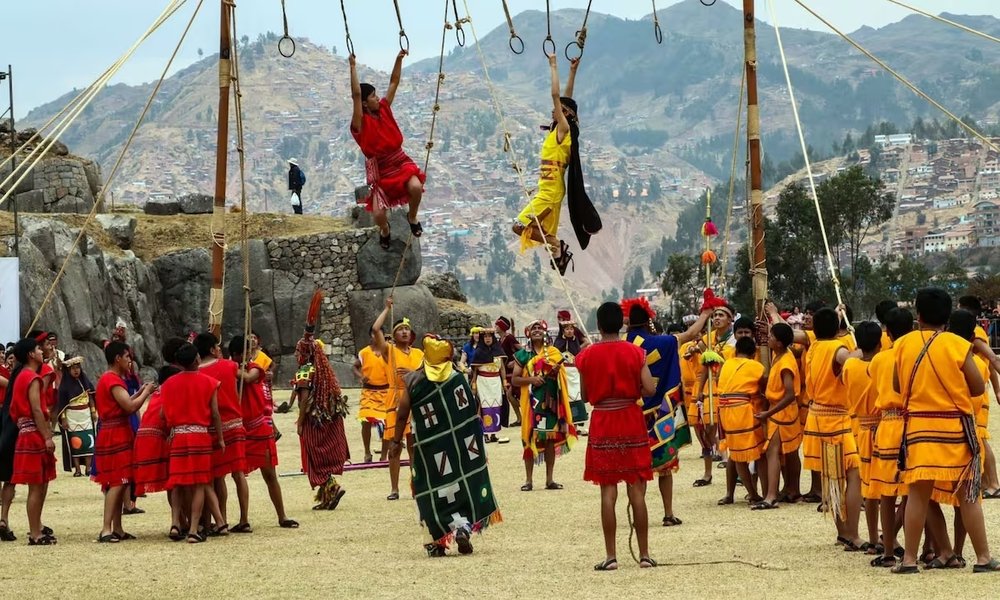
The festival takes place every third Sunday of September on the esplanade of the Sacsayhuamán Archaeological Park, near Cusco. Organized by educational and cultural institutions, it combines ceremonial rituals, skill competitions, and artistic expressions that showcase the richness of Andean culture. Thousands of visitors, locals, and tourists participate each year, witnessing how this ancient tradition is kept alive.
Main Activities of the Warachicuy
The celebration unfolds in several stages, including:
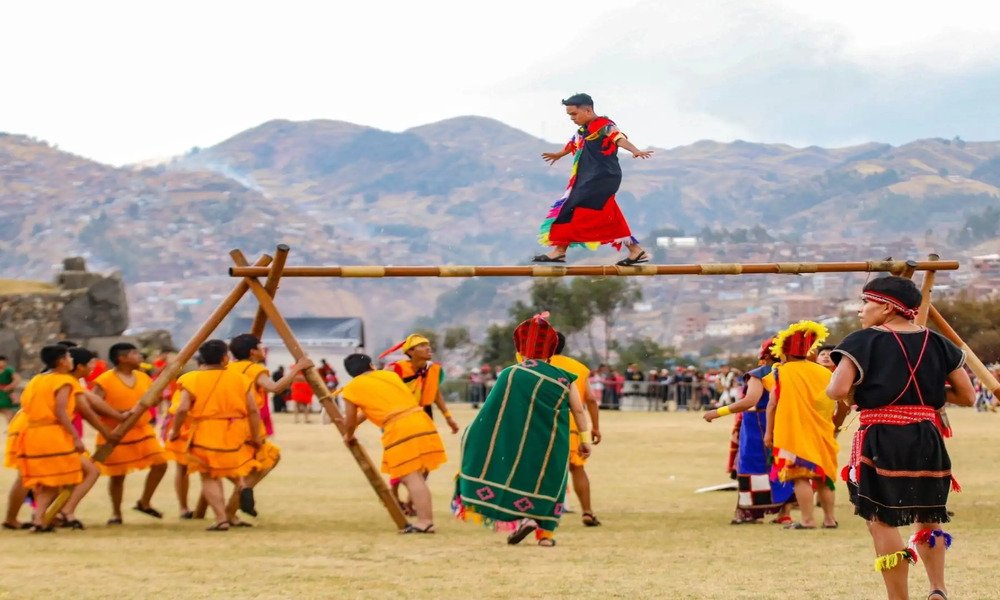
Ancestral Rituals and Ceremonies: The festival begins with the Water Ritual, offerings of chicha and sacred fire, and ceremonial greetings to the Inca. In addition, the four suyus (regions of the Tahuantinsuyo) enter with their flags and representative dances.
Skill and courage: The young participants —usually students— face challenges of strength, agility and endurance, including obstacle courses, jumps and traditional competitions that simulate Inca military training.
Cultural and musical celebration: After the tests, typical dances are performed accompanied by music with pututos, quenas and bass drums, while local troupes and musicians complete the festive atmosphere.
Practical Tips to visit Cusco
Plan ahead: check holiday dates and book accommodation and transport.
Respect traditions: do not interrupt ceremonies and ask permission for photos.
Dress appropriately: comfortable clothing, sturdy footwear, and a coat for the Andean winter.
Take care of your health: stay hydrated, use sunscreen, and eat well-cooked food.
Caution at interactive events: protect your belongings at carnivals and water or flour games.
Learn about dances and rituals: discover the meaning of traditional dances and masks.
Respect heritage and community: avoid littering and support local artisans.
Connect with the culture: participate in workshops and listen to local stories.
Safety: Keep valuables safe and avoid unfamiliar routes at night.
Acclimation: Consider supplements or medication for altitude sickness.