


When is the best time to visit the Salar de Uyuni?
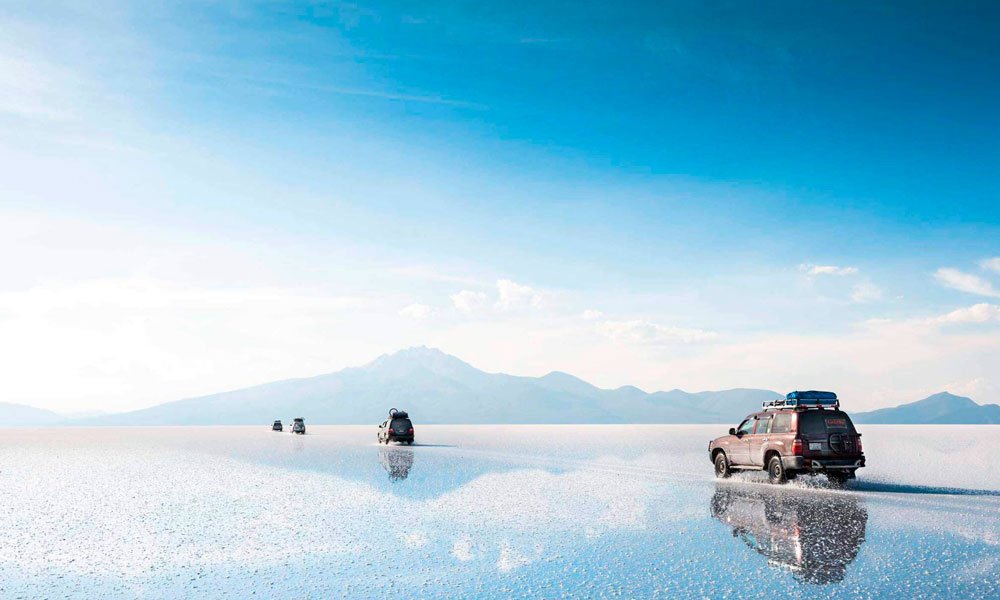
Many tourists who want to visit this attraction wonder: What is the best time to visit the Uyuni Salt Flats? Here we provide information on the ideal seasons to visit this attraction in Bolivia.
There are two seasons to visit the Uyuni Salt Flats: the dry season and the rainy season.
Dry Season (May-October)
Considered the best time of year, it occurs between the months of May, June, July, August, September, and October. During these months, the climate is dry and cold, resulting in minimal rainfall. During this season, it is possible to access remote areas of the Uyuni Salt Flats, which are inaccessible during the rainy season. Furthermore, the opportunity for extraordinary photographs will be provided, as the lack of rainfall makes the surface of the salt flats drier and flatter, creating an impressive mirror-like landscape with clear skies. Also, during this time, you can see Incahuasi Island.
Rainy Season (November-April)
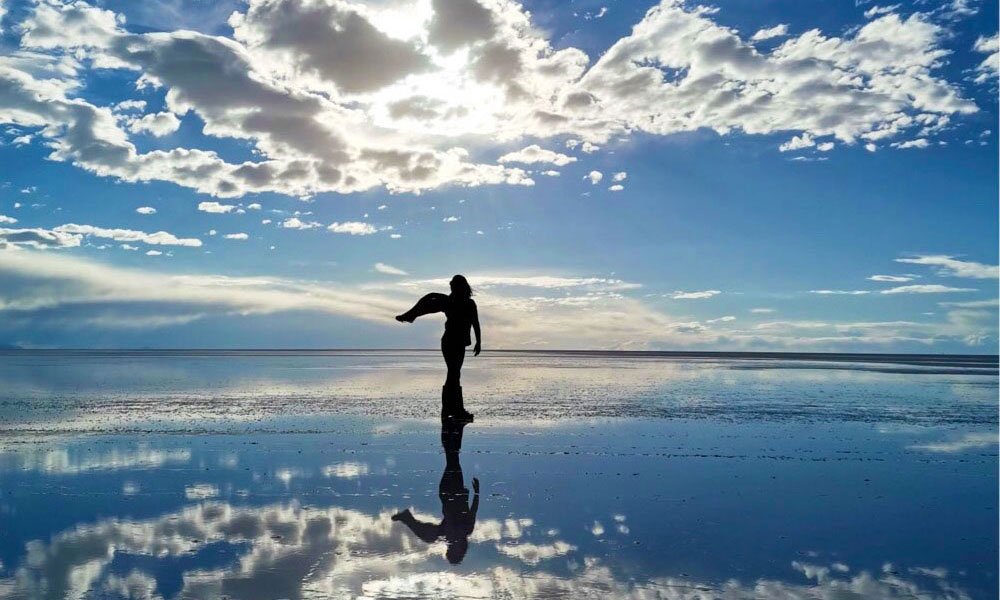
The season when the Uyuni Salt Flats become a reflecting pool of water occurs between the months of November, December, January, February, March, and April. Rainfall is quite frequent. This is why temporary flooding occurs in the salt flats, creating a stunning reflection of the sky and clouds on the water’s surface. This is an ideal time for taking spectacular photographs and creating unforgettable experiences in the salt flats. However, please note that due to the extensive rainfall, access is restricted, or even impossible due to flooding. Please note that rain and storms are unpredictable.
Factors to consider:
In addition to the dry and rainy seasons, other recommendations should be taken into account. Since the Salar de Uyuni is located at approximately 3,656 meters above sea level, this altitude can influence those who live at lower elevations and are not accustomed to the altitude. Appropriate precautions should be taken, such as drinking plenty of water, acclimatizing to the altitude, and resting.
Likewise, when choosing the time of year to visit the Salar de Uyuni, it is recommended to inquire about the tourist infrastructure and ensure that transportation, accommodation, and food services are available and meet your needs. This will allow for a more enjoyable and satisfying trip. However, ignoring this recommendation can cause inconvenience, as some services may be limited or closed.
On the other hand, the temperature should be taken into account. This depends on the time of year you will visit the Salar de Uyuni. During the dry season, temperatures can drop below freezing, so it’s essential to wear warm, cold-weather clothing.
During the rainy season, temperatures are mild, with possible rain and thunderstorms, so it’s advisable to wear waterproof clothing and consider the changeable weather conditions.
In conclusion, any time is wonderful to visit the Salar de Uyuni, but the experience varies according to the season. The best time to visit depends on your tastes and preferences, as well as your travel expectations.
Depending on the season, plan and prepare your trip appropriately, research the available tourist options according to your needs, and follow the recommendations given by your tour guide to fully meet your needs.
For a wonderful experience, Chullos Travel Perú SAC will be happy to accompany you on this adventure through the Salar de Uyuni, creating unique experiences along the way.
We hope this information is useful for your visit to the Salar de Uyuni! Get ready to marvel at this incredible landscape!
Uyuni Salt Flats at Night
Visiting the Uyuni Salt Flats at night is one of the best experiences you can have during your stay in Bolivia. When the sun sets, this attraction becomes a magical place. The reflection of the sky and stars on the water creates a unique and indescribable atmosphere. To appreciate this effect, it is recommended to travel between the months of January and March.
What can we see in Uyuni?
We’ll find a variety of attractions, but the ones we think you’ll like are the following:
OJOS DEL SALAR: These are small pools from which water bubbles constantly rise, where we can find vestiges of what once was the lake.
ISLA DE LAS MANDERAS: Made up of hundreds of flags from different countries around the world, it’s an ideal place to take photos (photogenic).
DAKAR MONUMENT: A huge sculpture made of salt with the rally symbol.
INCAHUASI ISLAND: “An island in a sea of salt,” populated by enormous cacti in the middle of the Uyuni salt flat.
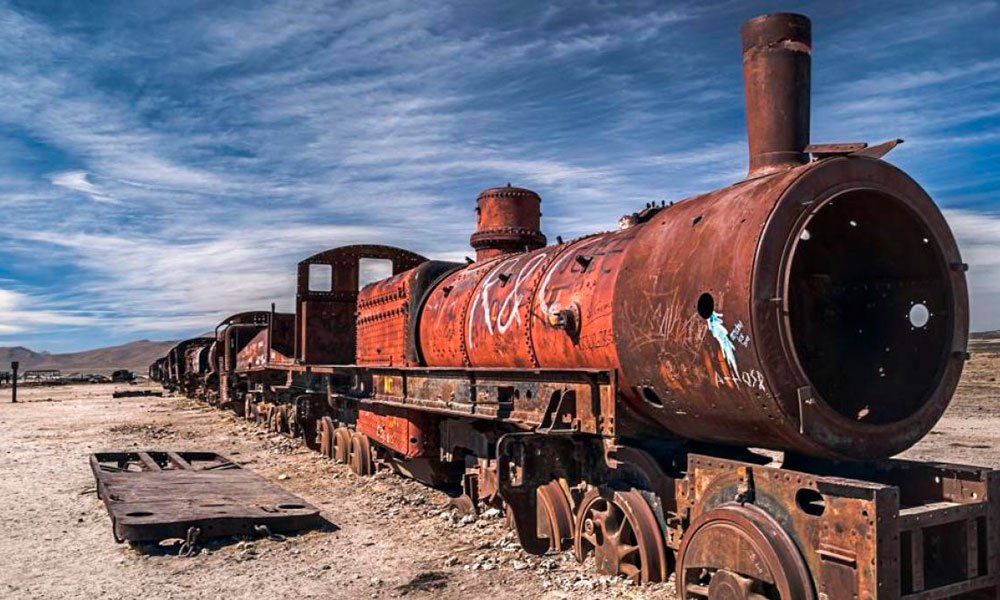
TRAIN CEMETERY: In the same train village, we find a train cemetery that was once used to transport trains across the Uyuni salt flat.
Where is the Uyuni Salt Flats?
The Uyuni Salt Flats are one of the largest salt flats in the world. It is located in the Potosí department in southwestern Bolivia near the Andes mountain range at an altitude of 3,650 meters above sea level.
Recommendations
Bring travel insurance.
It’s best to contact an agency and avoid risking traveling on your own.
Sunscreen, towels, a flashlight for safety, and a cap or hat.
Personal documents (passport/ID)
Bring cash in Bolivianos for entry.