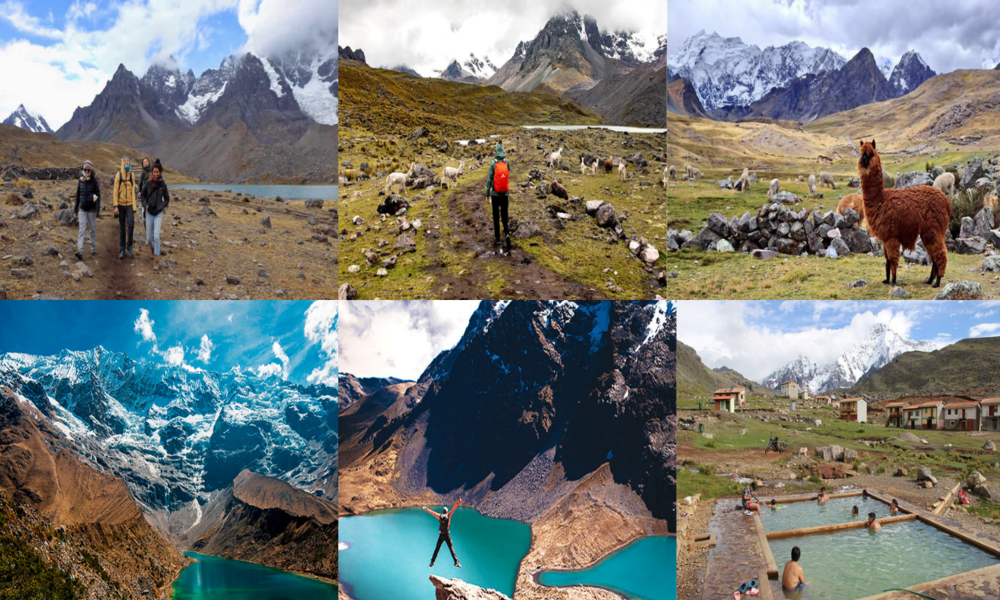
Which lagoons can be visited from Cusco?
Cusco is renowned not only for its rich history and archaeological sites, but also for its breathtaking natural landscapes. Among these, the high Andean lagoons have become one of the most sought-after attractions for travelers who wish to combine nature, hiking, and panoramic views.
Many of these lagoons are located at high altitudes, surrounded by snow-capped mountains, glaciers, and vast Andean plains. Some require challenging hikes, while others can be visited with less physical effort. Therefore, before choosing one, it’s important to know its level of difficulty, location, and main characteristics.
In this article we explain which lagoons you can visit from Cusco, which are the most popular, and what you should keep in mind when planning your visit.
Humantay Lagoon: the most visited lagoon from Cusco
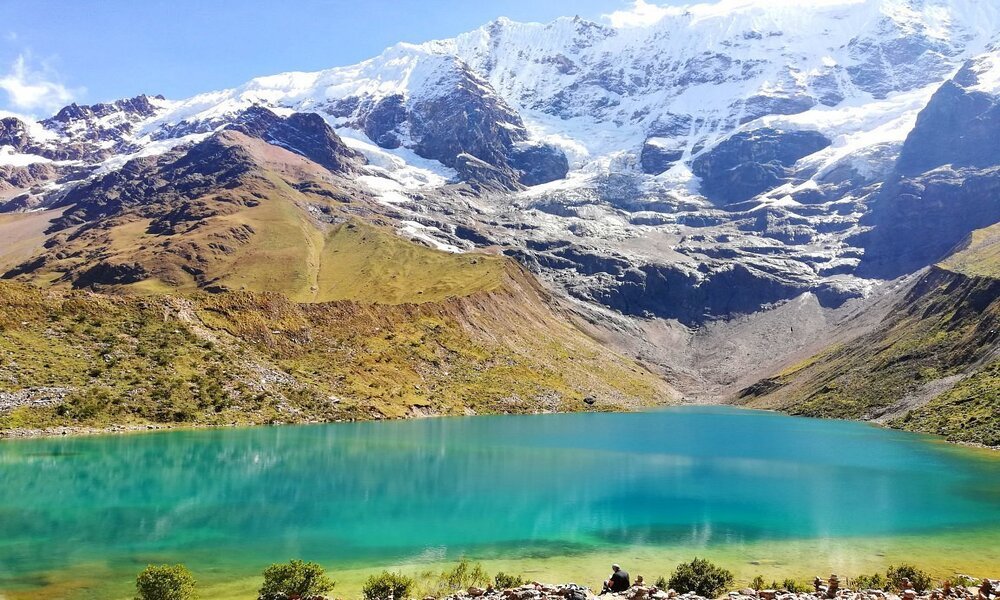
Humantay Lagoon is one of the most impressive lagoons you can visit from Cusco. Located at the foot of the Humantay mountain in the Vilcabamba mountain range, it is renowned for the intense turquoise color of its waters. Due to its scenic beauty and relative accessibility, it has become one of the most popular day trips in the region.
Located at approximately 4,200 meters above sea level, this lagoon offers a high-altitude experience in direct contact with Andean nature. Although the hike is short, the altitude can make it challenging. Therefore, it is recommended to acclimatize for at least one or two days in Cusco before taking the tour.
What is the hike like and what level of difficulty does it have?
The hike to Humantay Lagoon begins in Soraypampa, located at approximately 3,900 meters above sea level. From this point, the ascent takes between one and a half and two hours, depending on the pace of each visitor.
The route is short in distance, but it has a steep incline in several sections. In addition, the terrain is uneven, with loose soil and some rocky areas. Due to the altitude, many people tire more quickly than usual. However, by walking at a steady pace and taking short breaks, most people can complete the hike without major difficulties.
For those who prefer to reduce physical exertion, there is the option of renting a horse for the initial part of the ascent. However, the final stretch must be done on foot.
How to get there and how much does it cost to visit?
The most common way to visit Humantay Lagoon is through an organized tour from Cusco. Tours usually start very early, around 4:00 or 5:00 in the morning, and include tourist transportation, breakfast, and lunch.
The journey by vehicle to Soraypampa takes approximately three hours. During the trip, you can appreciate rural landscapes, mountains, and small Andean villages.
Regarding cost, group tours are usually more affordable compared to other high-altitude excursions. However, it’s important to confirm whether the price includes entrance fees and to check what additional services the agency offers.
Humantay Lagoon is ideal for those seeking a stunning natural experience in a single day, combining moderate adventure and spectacular scenery.
The 7 Lakes of Ausangate: nature in its purest form
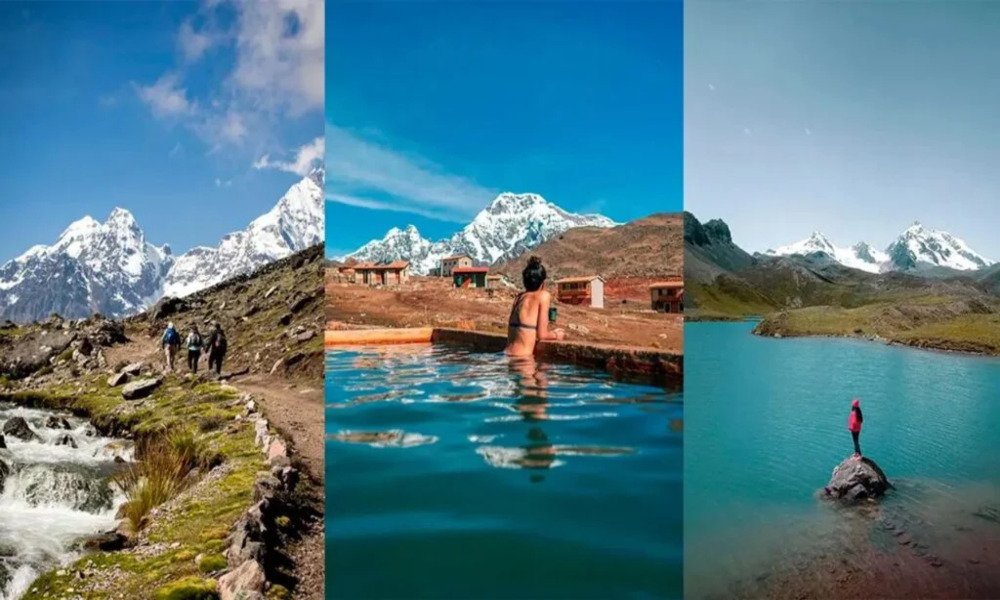
The Seven Lakes of Ausangate offer one of the most comprehensive experiences for those wishing to explore high Andean lakes from Cusco. This circuit is located near the Ausangate snow-capped mountain, the highest peak in the region, and offers a tour where you can observe different lakes with intense colors such as turquoise, emerald green, and deep blue.
Unlike Humantay Lagoon, this tour doesn’t just offer a single body of water, but a series of lagoons surrounded by high mountain landscapes, Andean wildlife, and breathtaking views of the snow-capped peaks. Due to its altitude, exceeding 4,200 meters above sea level, this excursion requires good prior acclimatization.
It’s an ideal option for travelers looking for fewer crowds and a more natural and spacious environment.
What is the route like and how demanding is it?
The Seven Lakes circuit generally begins in the community of Pacchanta, located at over 4,300 meters above sea level. From there, a circular hike begins that can last between 4 and 6 hours, depending on the group’s pace.
The difficulty level is moderate to challenging. Although there are no extremely steep inclines along the entire route, the constant altitude makes the physical effort greater. The terrain combines dirt paths, rocky sections, and gently sloping areas.
During the hike, you can observe alpacas, llamas, and the open landscapes typical of the Andean highlands. Furthermore, each lagoon has its own unique characteristics in color and size, making the route visually varied and captivating.
It is recommended to wear thermal clothing, sunscreen and plenty of water, as the weather can change quickly.
How to get there and how much does the tour cost?
The Ausangate Seven Lakes excursion is usually done as a tour from Cusco. The journey by transport to Pacchanta takes approximately 3 to 4 hours. Departure is typically very early in the morning.
Group tours generally include transportation, a professional guide, and breakfast or lunch. However, in some cases, the entrance fee to the community is paid directly on-site. There is also the option to enjoy the hot springs in Pacchanta after the hike, which is an added attraction.
As for the price, it’s usually slightly higher than Humantay due to the greater distance and longer duration of the tour. However, it remains an affordable option for day trips from Cusco.
The 7 Lagoons are perfect for those who want a more extensive, less crowded experience with greater contact with Andean nature.
Piuray Lagoon: Tranquil nature near Cusco
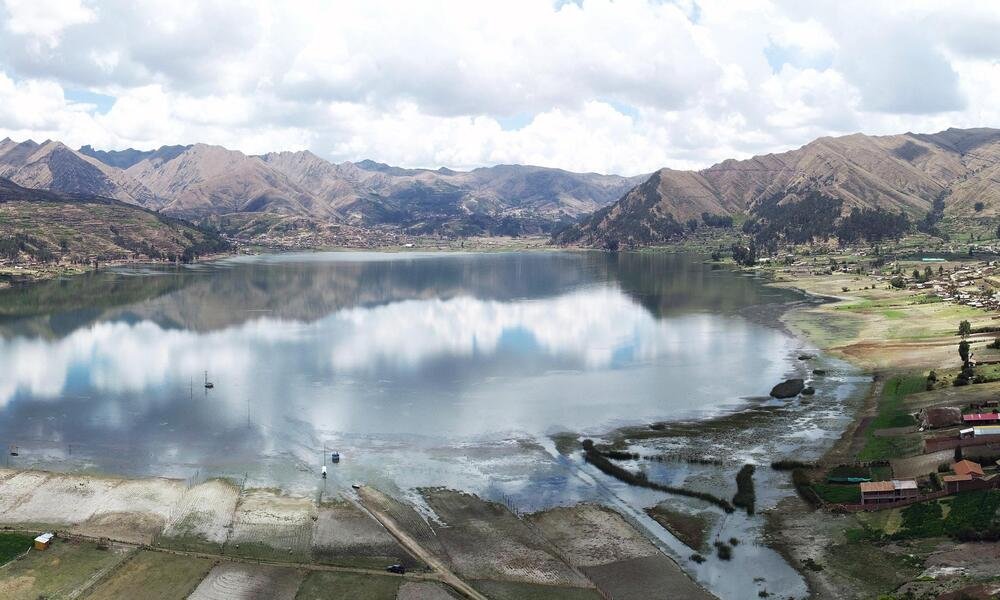
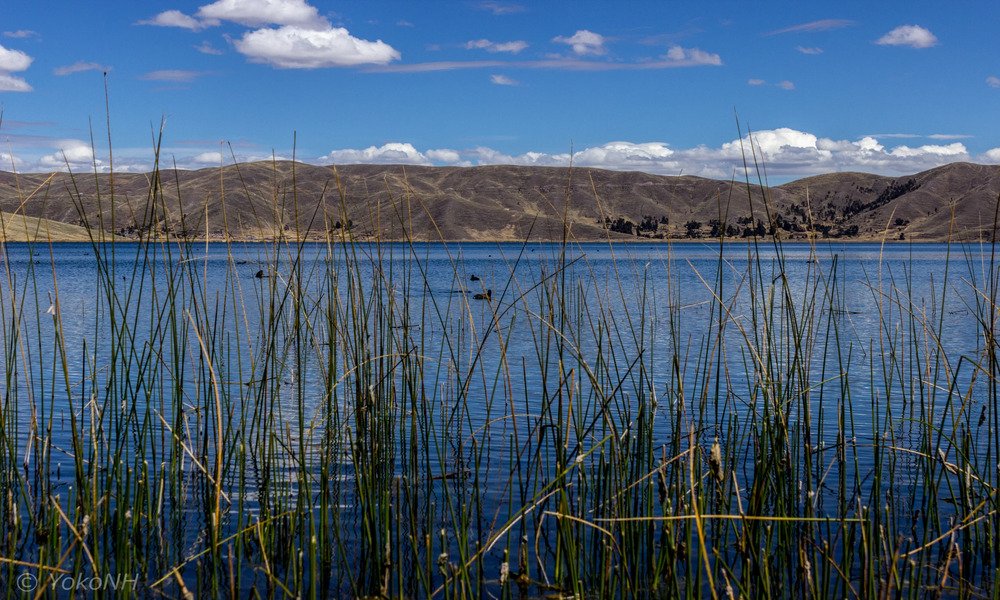
Piuray Lagoon is one of the most accessible lagoons to visit from Cusco. Located in the community of Chinchero, at approximately 3,700 meters above sea level, it stands out for its expansive, tranquil landscape and is less physically demanding compared to other high Andean lagoons.
Unlike Humantay or the Seven Lakes of Ausangate, Piuray doesn’t require a strenuous hike or reaching extreme altitudes. For this reason, it’s an excellent option for those looking to enjoy a natural setting without much physical exertion. Furthermore, its proximity to Cusco allows for a half-day visit or combining it with other attractions in the Sacred Valley.
This lagoon also serves an important function, as it supplies drinking water to the city of Cusco. Therefore, it is a protected natural area of great environmental value.
What is the experience like and what activities can be done?
Visiting Laguna Piuray doesn’t involve a strenuous hike. Access is easy, and the terrain is relatively flat in most of the surrounding area. Therefore, it’s ideal for leisurely walks, landscape photography, and other outdoor activities.
In recent years, activities such as the following have also been developed:
• Recreational kayaking on the lagoon.
• Paddleboarding in designated areas.
• Short walks around the lake.
• Cultural experiences with local communities.
The landscape combines agricultural fields, rolling hills, and open skies, creating a sense of spaciousness and tranquility. Furthermore, because it’s located at an altitude of no more than 4,000 meters, the feeling of oxygen deprivation is less pronounced than on other high-altitude hikes.
For this reason, many families and travelers who are new to Cusco choose Piuray as a first natural experience before undertaking more demanding hikes.
How to get there and how long does the visit take?
Piuray Lagoon is located approximately one hour from Cusco by public transport. It can be reached by private vehicle, taxi, or through an organized tour. Many excursions combine it with a visit to the town of Chinchero and its textile centers.
The length of your visit may vary depending on the plan you choose. Some people stay for one or two hours to enjoy the scenery, while others participate in recreational activities that can extend the experience to a full half-day.
Regarding cost, if you visit independently, expenses are low and depend mainly on transportation. If you book a tour, the price may include transportation, a guide, and additional activities.
Piuray Lagoon is an ideal alternative for those who wish to experience an Andean lagoon without facing steep slopes or extreme altitudes. It offers a balance between nature, culture, and accessibility.
Qoricocha Lagoon: High Andean landscape on the way to Rainbow Mountain
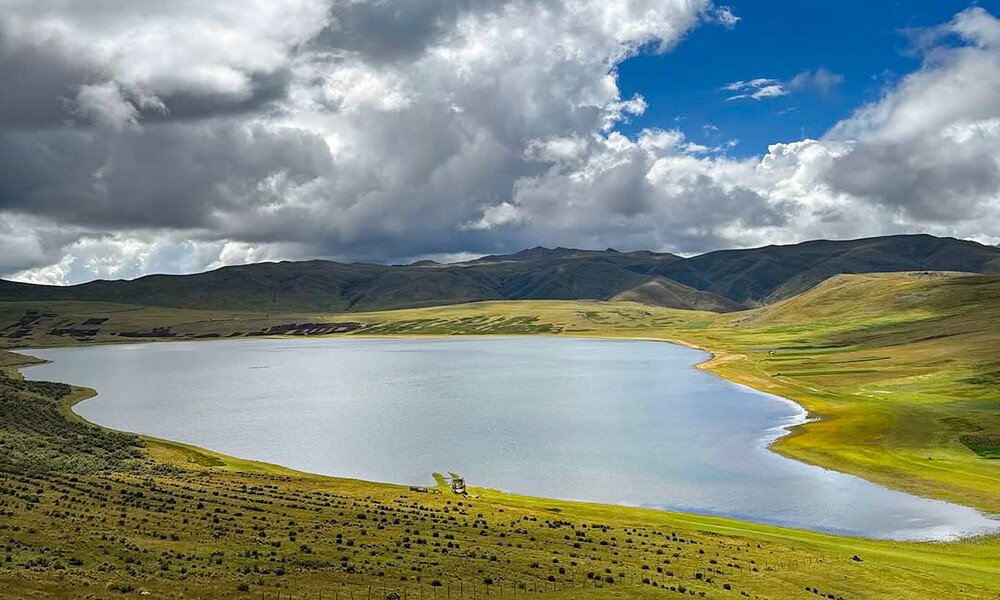
Qoricocha Lagoon is one of the lesser-known but most impressive lagoons that can be visited from Cusco. It is located on the route to Rainbow Mountain (Vinicunca), at over 4,500 meters above sea level. Its name means “golden lagoon” in Quechua, and it stands out for the intense dark color of its waters, which contrast with the reddish and ochre mountains that surround it.
Unlike Laguna Piuray, Qoricocha is located in a high mountain area, where the landscape is more rugged and the climate can be colder and more changeable. Furthermore, being in the same area as Vinicunca, it is often visited as part of the trek to Rainbow Mountain or on less crowded alternative routes.
It is an ideal option for travelers seeking a wilder natural environment, with less urban presence and open panoramic views.
Difficulty level and terrain conditions
Visiting Laguna Qoricocha means being in a high-altitude environment. The area is over 4,500 meters above sea level, so the main difficulty is not the distance, but the lack of oxygen.
The terrain is open, with dirt trails and rocky sections. It’s not a technical hike, but it does require good acclimatization. Compared to Humantay, the effort here is felt more due to the altitude than the incline.
Weather conditions can change rapidly. Mornings are usually cool and dry, while afternoons can bring rain or strong winds, especially during the rainy season.
For this reason, it is recommended:
- Having spent at least two days in Cusco before the visit.
- Walk at a steady pace and without sudden accelerations.
- Bring thermal and windproof clothing.
- Stay well hydrated.
How to visit it and how long does the tour take?
Qoricocha Lagoon is located on the route to Vinicunca, about 3 to 4 hours by car from Cusco. In most cases, it is visited as part of a tour to Rainbow Mountain, although there are also less commercial alternative routes.
The time spent at the lagoon is usually brief if it’s included in the Vinicunca tour. However, on more personalized tours, more time can be dedicated to photography and enjoying the scenery.
Regarding the cost, since it’s located within the Vinicunca area, it’s usually included in the overall tour price. If you choose a specific excursion, the price will depend on the type of service (group or private).
Laguna Qoricocha is perfect for those who want to explore less crowded high mountain landscapes and enjoy wide views in a more isolated natural environment.
Other lagoons that can be visited from Cusco
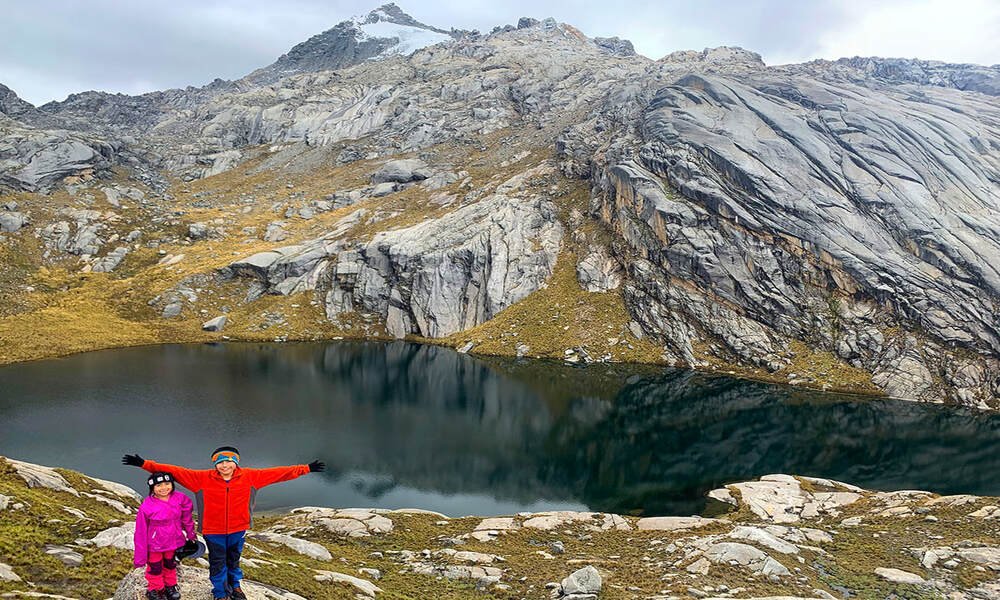
Besides Humantay, the Seven Lakes of Ausangate, Piuray, and Qoricocha, there are other lesser-known lakes that also offer breathtaking scenery in the Cusco region. Some require long hikes and good physical condition, while others can be combined with cultural tours or visits to the Sacred Valley.
These lagoons are usually less crowded, allowing for a more peaceful and authentic experience. However, being located in high Andean areas, it’s important to consider the altitude, climate, and logistics before planning your visit.
Below, we present two interesting alternatives that you can include in your itinerary.
Laguna Azulcocha
Laguna Azulcocha is a less touristy option located in the highlands of Cusco, surrounded by mountains and vast Andean plains. Its name comes from the intense blue color its waters reflect on clear days.
It’s located at over 4,500 meters above sea level, so the main challenge is the altitude. The hike isn’t always extremely steep, but the lack of oxygen can make the trek feel more demanding.
The surroundings are completely natural, with no developed tourist infrastructure. For this reason, it is recommended to visit with a guide or through an organized tour. It is ideal for those seeking open landscapes, tranquility, and fewer visitors.
Laguna Singrenacocha
Laguna Singrenacocha is another option located in the high Andean region near less crowded trekking routes. It is characterized by its expansive surroundings, nestled among mountains and home to local wildlife such as llamas and alpacas.
Access may require transportation to a nearby community followed by a moderate hike. The duration varies depending on the starting point, but it is generally a half-day or full-day excursion.
Unlike Humantay, the landscape here is more open and less steep. The slope isn’t as pronounced, but the altitude is still a significant factor. Therefore, it’s recommended to spend at least one or two days in Cusco before visiting.
Which lagoon should you choose based on your fitness level?
Choosing the right lagoon depends mainly on your physical condition, your available time, and your experience at altitude.
If you’re looking for an intense experience and high-mountain scenery, Humantay or the Ausangate lagoons are ideal.
If you prefer something more accessible and peaceful, Piuray is an excellent alternative.
If you want a less touristy and more secluded environment, Azulcocha or Singrenacocha could be good options.
Cusco offers a wide variety of Andean lagoons, each with its own unique characteristics. With good planning and proper acclimatization, it’s possible to enjoy these landscapes without complications and have an unforgettable natural experience.