


Which volcanoes are active in Arequipa?
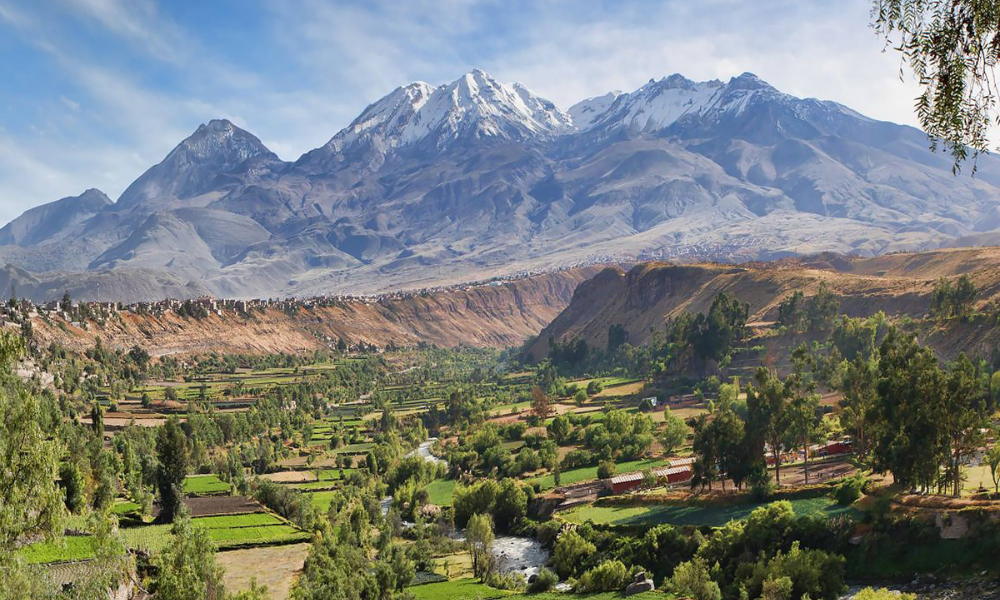
Active volcanoes in Arequipa are part of the volcanic system of southern Peru and represent a natural risk factor for the population and the environment. In the Arequipa region, there are several volcanoes considered active or potentially active, which are permanently monitored by scientific institutions in Peru due to their possible impact on public health, the economy, and the natural environment. (https://www.gob.pe/igp)
Sabancaya Volcano
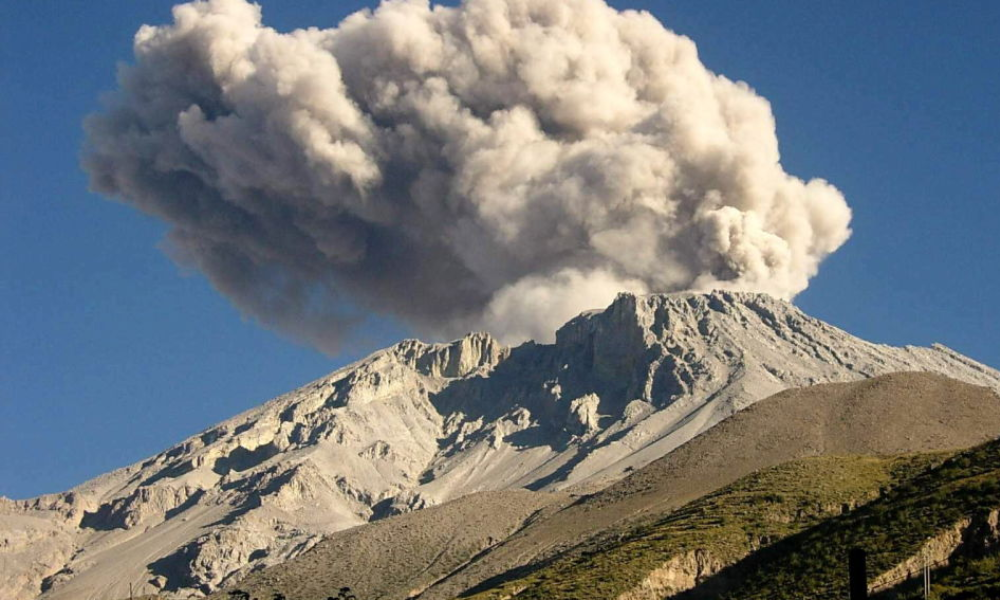
Sabancaya Volcano is an active stratovolcano located in the province of Caylloma, in the Arequipa region, about 70 kilometers northwest of the city of Arequipa. It is the second most active volcano in Peru. It has been in continuous eruption since November 2016. Its activity includes the emission of ash, volcanic gases, and rock fragments. This represents a danger to nearby communities, especially those in the Colca Valley, an important tourist area. For this reason, Sabancaya is usually maintained at Orange alert level, which indicates a moderate eruption in progress and the need for constant monitoring.
Misti Volcano
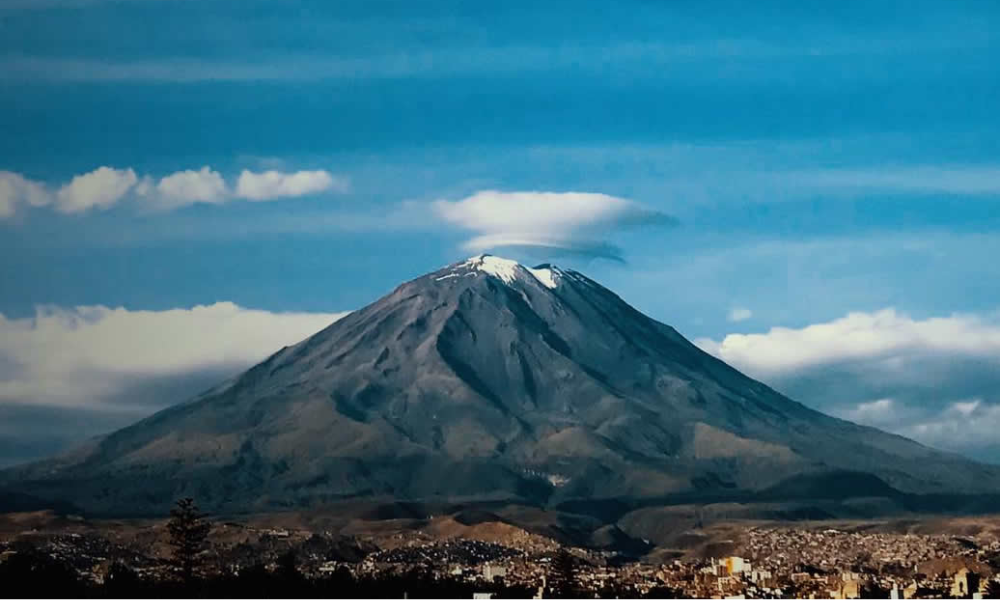
Another very important volcano is Misti, which is located a short distance from the city of Arequipa. Although it remains calm most of the time and has not shown recent eruptions, it is considered an active volcano. This is because it erupted in the past and still has the potential to reactivate. Its main risk is not only a possible future eruption. There is also the danger of lahars, which are flows of mud and rocks. These can descend through ravines during periods of intense rainfall, even without an eruption. Due to its proximity to a densely populated city, Misti is one of the most closely monitored volcanoes in southern Peru.
Chachani Volcano
Chachani Volcano, also located near the city of Arequipa, is another volcano under surveillance. It currently shows a stable condition. It generally remains at Green alert level. This means it does not show signs of abnormal volcanic activity or indications of a short- or medium-term eruption. However, it is not considered an extinct volcano. For this reason, scientists continue to observe its behavior on a regular basis.
Coropuna Volcano
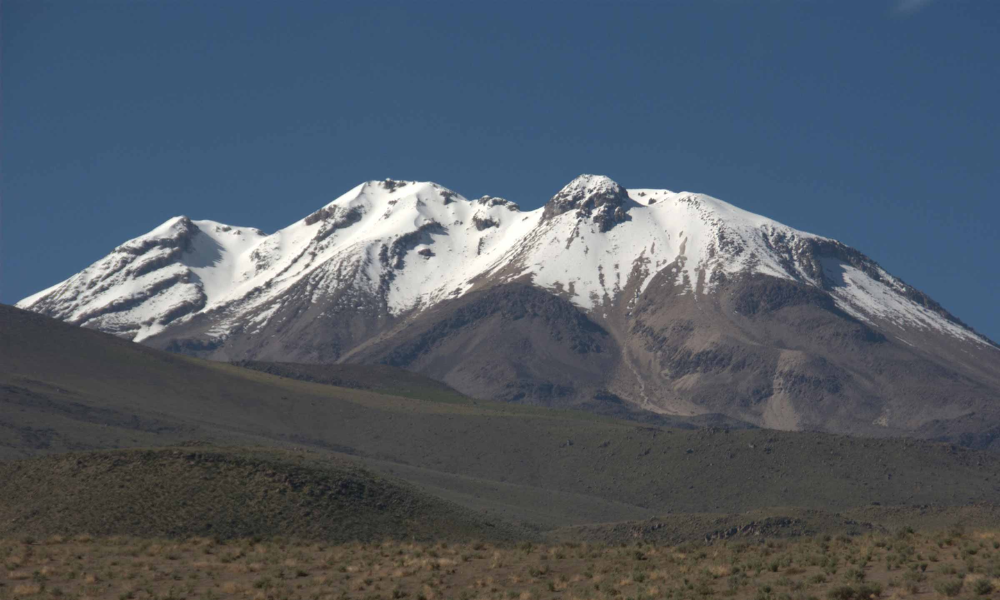
Finally, Coropuna Volcano is located between the provinces of Castilla and Condesuyos. It is one of the largest volcanoes in Peru. At present, it is in a stable state and maintains a Green alert level. There is no evidence of recent eruptive activity. Nevertheless, due to its size and geological characteristics, it is classified as potentially active. For this reason, it is included in volcanic monitoring programs in southern Peru.
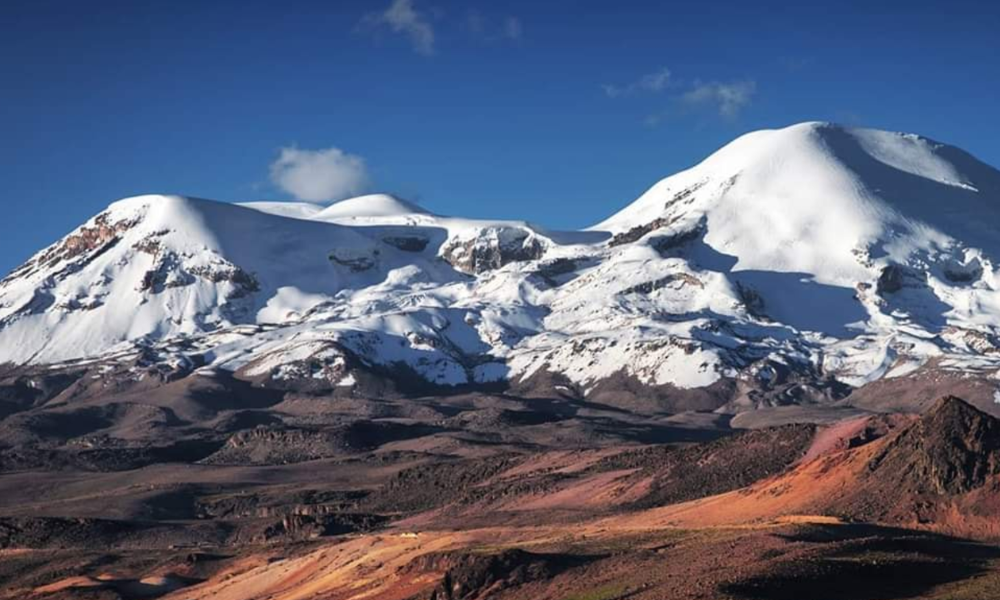
Typical hazards for the population
Volcanic activity can generate various hazards. Volcanic ash can irritate the eyes and respiratory system. It can also affect water sources, livestock, and crops. Its impact largely depends on wind direction. Volcanic gases pose a greater risk in areas close to the volcano. In more intense scenarios, rock projectiles near the crater and volcanic flows may occur, although these events are less frequent.
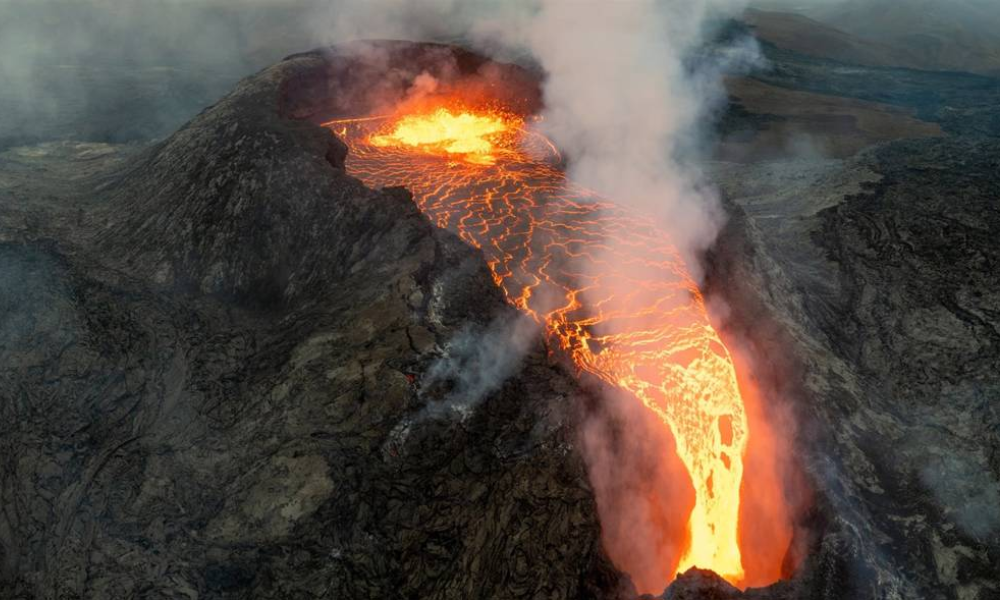
Who monitors volcanic activity?
In Arequipa, volcanic activity monitoring is mainly carried out by the Geophysical Institute of Peru (IGP). This work is conducted through the National Volcanological Center (CENVUL) and the Southern Volcanological Observatory (OVS), which is based in Arequipa. These institutions monitor volcanoes using scientific instruments. They also analyze their behavior and issue reports, bulletins, and alerts when changes in activity are detected.
The INGEMMET plays a complementary role by conducting geological studies, preparing hazard maps, and evaluating volcanic risk. This information is important for planning and prevention. Meanwhile, INDECI, together with the Regional Government and local authorities, disseminates official information to the population. It also coordinates prevention and response actions in the event of possible volcanic emergencies.
the active and potentially active volcanoes of the Arequipa region are part of the natural environment of the territory. At the same time, they represent a risk that must be understood and managed responsibly. Constant monitoring makes it possible to detect changes in volcanic activity and take timely preventive measures. Therefore, it is essential for the population to be aware of these volcanoes, follow official information, and strengthen a culture of prevention in order to reduce possible impacts on life and the environment.