


Camps and types of accommodation on the Salkantay Trek
The Salkantay Trek is one of the most famous hiking routes in Peru and one of the best alternatives to reach the Inca citadel of Machu Picchu. This route crosses different landscapes of the Andes Mountains, from snow-capped peaks and high-altitude valleys to cloud forests and tropical areas near the Amazon. Over several days of hiking, trekkers stop at various camps and types of accommodation, which allow them to rest, eat, and recover energy to continue the journey.
The camps of the Salkantay Trek are located at strategic points along the route and offer a unique experience of immersion in nature. Depending on the itinerary and type of tour chosen, travelers can stay in camping tents, mountain lodges, eco-lodges, or community accommodations, each with different levels of comfort. These places not only provide rest but also allow visitors to enjoy the scenery, learn about local culture, and experience the Andes authentically.
Main Campsites of the Salkantay Trek
Soraypampa Camp
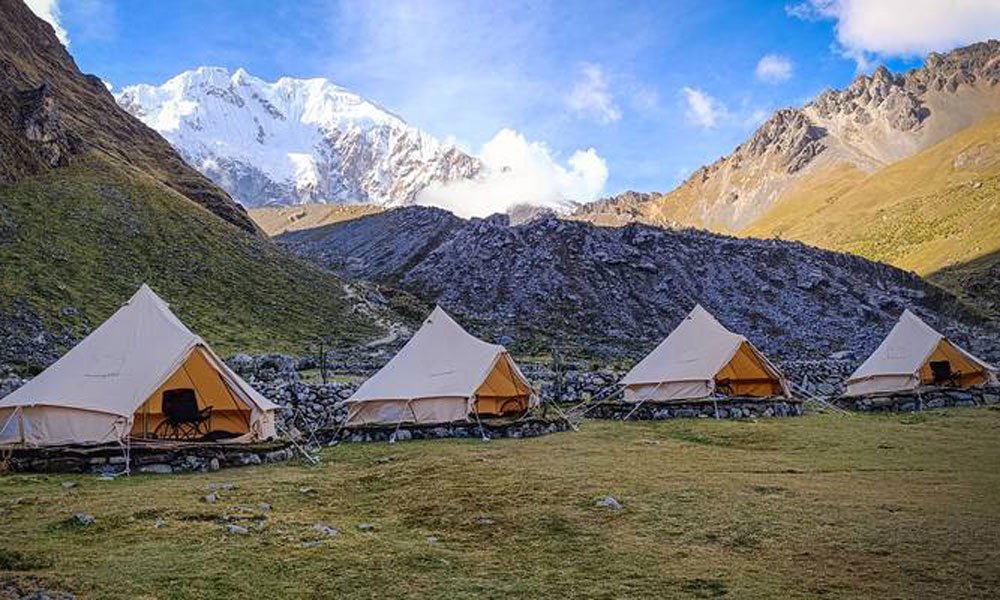
This is one of the first rest points on the Salkantay Trek and is located at approximately 3,900 meters (12,795 feet) above sea level. The camp sits in a wide area of the Andes, surrounded by high mountain landscapes offering breathtaking views of snow-capped peaks and glaciers. From this spot, the majestic Salkantay Mountain can be observed, considered a sacred mountain in Andean cosmology.
In addition to its geographical importance on the route, Soraypampa stands out for its natural surroundings and as a strategic base for exploring the area and gradually acclimatizing to the altitude. A short distance from the camp is the famous Humantay Lake, a natural attraction popular with hikers for its turquoise waters and impressive mountain scenery.
Key features of Soraypampa Camp include:
-
Designated spaces for camping and resting hikers.
-
High mountain landscapes with glaciers and snow-capped peaks.
-
A natural environment ideal for photography and scenic observation.
At night, Soraypampa is usually quiet and peaceful, allowing visitors to enjoy nature and the clear high-altitude skies. This natural setting, combined with its proximity to major attractions along the trek, makes Soraypampa one of the most representative campsites on the Salkantay Trek to Machu Picchu.
Chaullay Camp
One of the most important rest points in the middle section of the Salkantay Trek. It is located at an approximate altitude of 2,900 meters (9,514 feet), which is a considerable descent from the higher sections of the route. This change in altitude allows for a warmer and more pleasant climate for hikers after crossing the high mountain areas.
Chaullay marks a clear transition in the natural environment of the trek. From this point, the landscape gradually shifts toward the cloud forest, an ecosystem characterized by abundant vegetation, humidity, and a wide variety of species. Around the camp, tall trees, ferns, wildflowers, and a variety of birds can be observed.
The camp also serves as a strategic rest point within the itinerary, allowing hikers to recover energy before continuing toward the more tropical areas of the valley. The natural surroundings of Chaullay provide a different experience from the earlier stages of the trek, with a greener and more vibrant environment.
Key features of Chaullay Camp include:
-
Designated areas for camping hikers and trekking groups.
-
Presence of rivers and small waterfalls nearby.
-
Typical cloud forest vegetation.
The constant sound of the nearby river, combined with the surrounding vegetation, creates a tranquil and relaxing atmosphere. This natural environment allows travelers to rest after a long day of hiking and enjoy one of the greenest and most biodiverse areas of the route to Machu Picchu.
Lucmabamba Camp
Another important stop on the Salkantay Trek, located in a lower area of the route characterized by a warm climate and abundant natural surroundings. Unlike the high mountain areas, this location features dense vegetation, green hills, and agricultural land, reflecting its proximity to regions influenced by the Amazon.
Lucmabamba is especially known for its coffee plantations, one of the main products cultivated by local communities. Travelers often have the opportunity to learn about the traditional coffee process, from harvesting to roasting and preparation. This experience provides insight into the local economy and agricultural practices.
The surrounding landscape consists of vegetation-covered mountains, natural trails, and wide valley views. Additionally, this area provides access to ancient Inca trail segments that once connected different regions of the empire and today are part of the route to Machu Picchu.
Key features of Lucmabamba Camp include:
-
Presence of coffee plantations and tropical crops.
-
Nearby trails connected to ancient Inca paths.
-
Options for camping and small rural cabins managed by local families.
This camp also offers the chance to interact with local families, allowing travelers to experience the traditions and rural lifestyle of the Andes firsthand. Thanks to this interaction, Lucmabamba becomes a place where nature and local culture combine to offer a unique experience on the Salkantay Trek.
Aguas Calientes: Final Point of the Trek
The final stage of the Salkantay Trek usually ends in the town of Aguas Calientes, located in a narrow valley surrounded by mountains and subtropical vegetation. This town sits at the base of the mountain where the famous Inca citadel of Machu Picchu is located, making it the main access point for visitors wishing to explore this important archaeological site.
Unlike the camps used during the trek, in Aguas Calientes travelers usually stay in hotels, hostels, or tourist accommodations, providing greater comfort after several days of hiking. These accommodations offer basic services such as private or shared rooms, hot showers, internet access, and spaces to rest before the final visit to the historic sanctuary.
The town also has a well-developed tourist infrastructure, as it receives thousands of visitors each year. Services include restaurants, cafés, artisan markets, and tour agencies. One of the most well-known attractions is its natural hot springs, which give the town its name and provide an ideal place to relax after the hike.
Key features of this destination include:
-
Wide variety of hotels and hostels for different budgets.
-
Restaurants and shops catering to tourists.
-
Direct access to Machu Picchu.
Spending the last night in this town allows hikers to recover physically and prepare for their visit to the archaeological site. Generally, travelers leave early in the morning to explore Machu Picchu and enjoy one of Peru’s most iconic cultural landscapes.
Types of Accommodation on the Salkantay Trek
Traditional Camping
This is the most common type of accommodation on the Salkantay Trek. Hikers spend the night in tents set up at campsites along the route, allowing them to rest while staying in direct contact with the natural environment of the Andes.
In most organized tours, the support team—including guides, cooks, and muleteers—carries the camping equipment, sets up the tents, and prepares common areas. This makes the experience easier for travelers, allowing them to focus on the hike and enjoy the landscapes en route to Machu Picchu.
The tents used for this trek are designed to withstand mountain weather conditions, such as cold, wind, and humidity. They often include mats or thermal insulation to improve comfort at night. Some camps also have dining tents or communal areas where groups can share meals and rest.
Key features of traditional camping include:
-
Use of durable tents for mountain climates.
-
Common spaces for meals and group rest.
-
Direct experience with nature.
Sleeping in tents is part of the adventure experience on the Salkantay Trek. At night, hikers can enjoy the mountain silence, the pure Andean air, and clear skies filled with stars, making each night a special moment of the journey.
Mountain Lodges or Refuges
These are an increasingly popular option for trekkers seeking more comfort. Unlike traditional camping, these accommodations offer services that allow for better rest without losing contact with nature.
These lodges often include:
-
Rooms with beds, both private and shared.
-
Bathrooms and hot showers for added comfort.
-
Common areas to relax and socialize.
-
Some feature restaurants, panoramic terraces, and mountain-view spaces.
Staying in lodges is ideal for travelers who want to avoid sleeping in tents and prefer a more comfortable experience. Many of these lodges are strategically located near trek camps, allowing hikers to continue the journey the next day without logistical issues.
Community Accommodation and Eco-Lodges
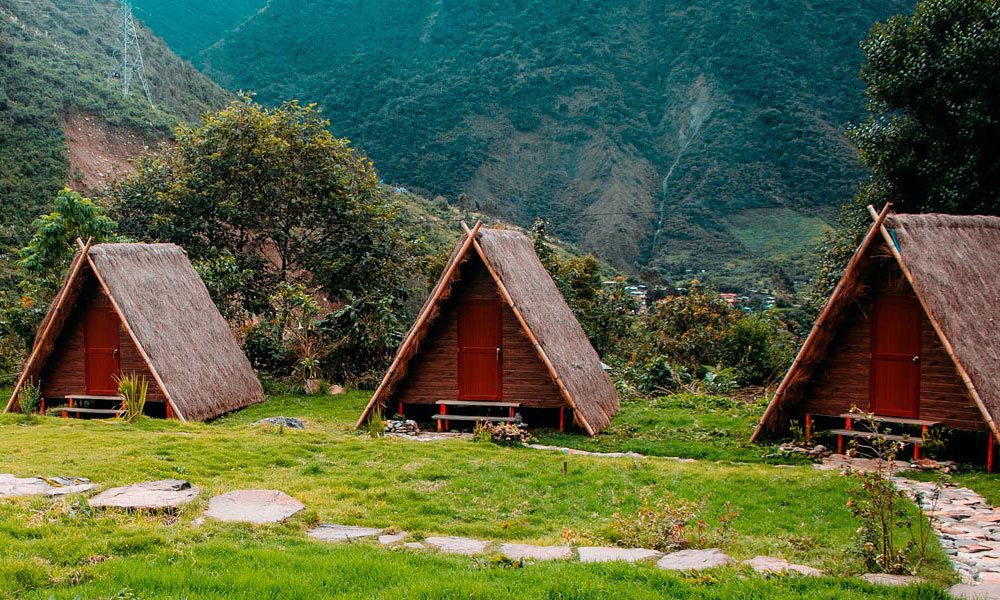
In certain stages of the Salkantay Trek, travelers can opt for community accommodations or eco-lodges run by local families. This type of lodging offers the opportunity to experience Andean culture, learn traditions, and participate in community life.
Eco-lodges are usually built with natural materials and designed to blend with the surroundings while respecting local flora and fauna. Many implement sustainable tourism practices, such as efficient resource use, waste management, and promotion of local products, contributing to community development.
Advantages of this type of accommodation include:
-
Direct interaction with local residents and their culture.
-
Contribution to responsible and sustainable tourism.
-
A more authentic experience close to nature.
Staying in community accommodations allows travelers to combine rest with cultural learning, turning each night into an enriching experience along the trek to Machu Picchu.
Experience of Sleeping in the Camps of the Salkantay Trek
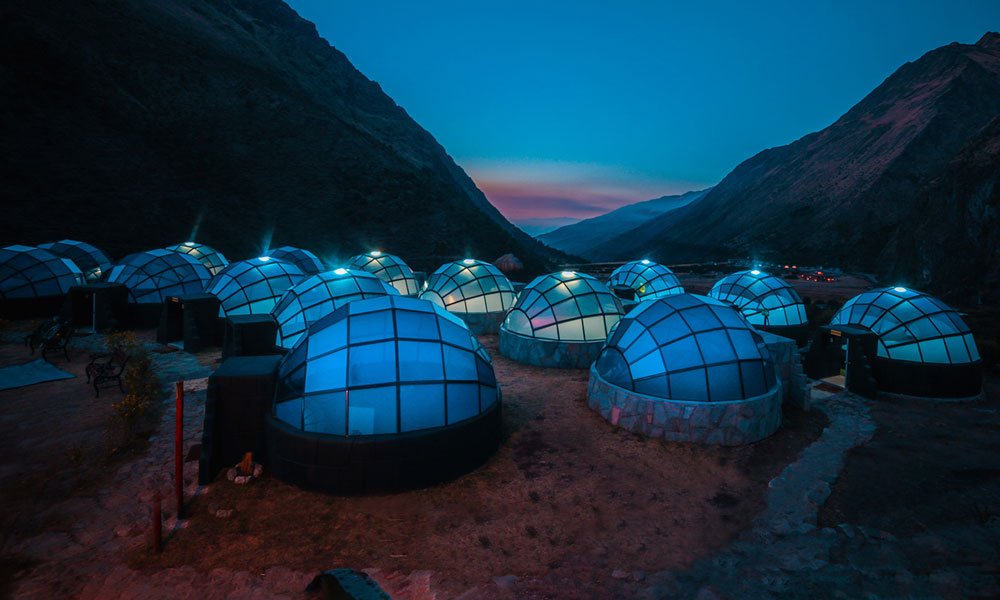
Spending the night at the camps of the Salkantay Trek is a fundamental part of the journey. Each site offers a different landscape and showcases the natural diversity of the Peruvian Andes.
From the cold mountains near Salkantay Mountain to the green forests of the valley, the ecosystem changes are remarkable along the route. At night, hikers can enjoy the starry sky, listen to the sounds of nature, and share moments with other travelers and guides.
Camps often become spaces for social interaction, where stories are shared, Andean culture is learned, and reflections on the hiking experience take place.
Together, the camps and accommodations of the Salkantay Trek not only provide rest but also enrich the journey, making it an unforgettable adventure that combines nature, culture, and exploration in one of Peru’s most stunning landscapes.