“How high is Puno and does it cause altitude sickness?”
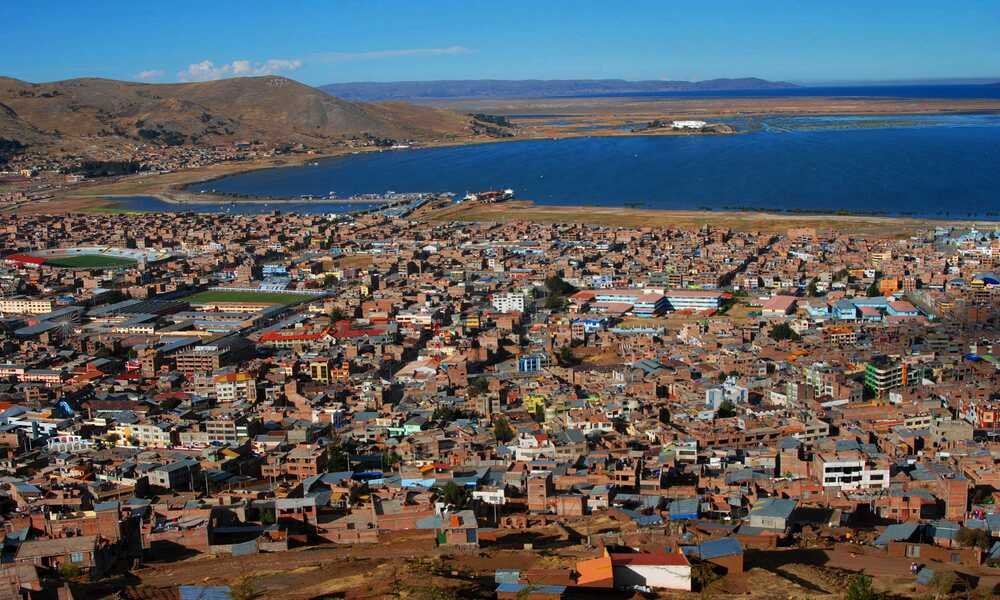
Puno , located on the shores of Lake Titicaca, sits at an altitude of approximately 3,830 meters above sea level. At this altitude, many people can suffer from altitude sickness , which causes symptoms such as headaches, dizziness, and difficulty breathing.
Altitude of Puno
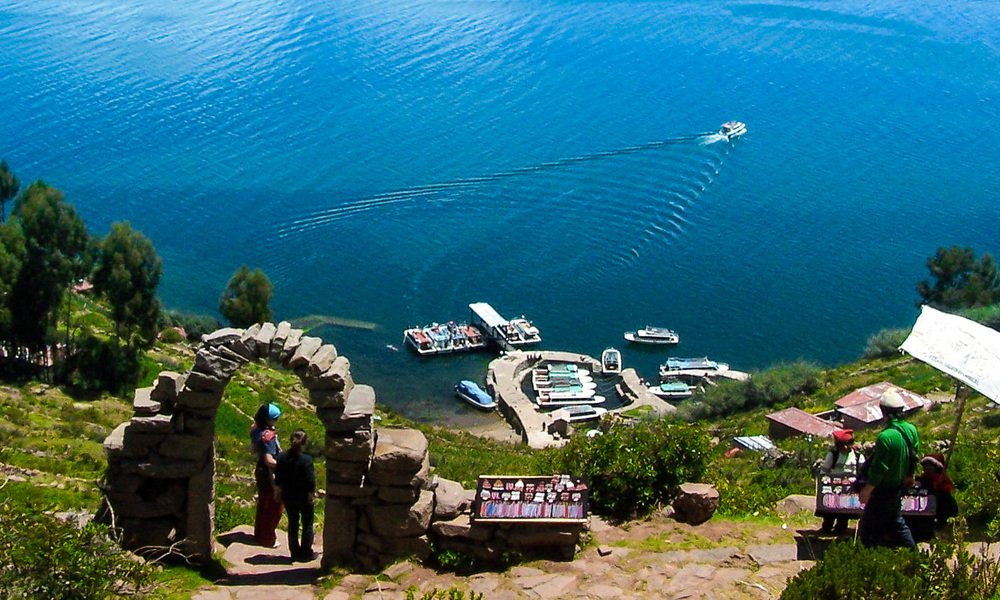
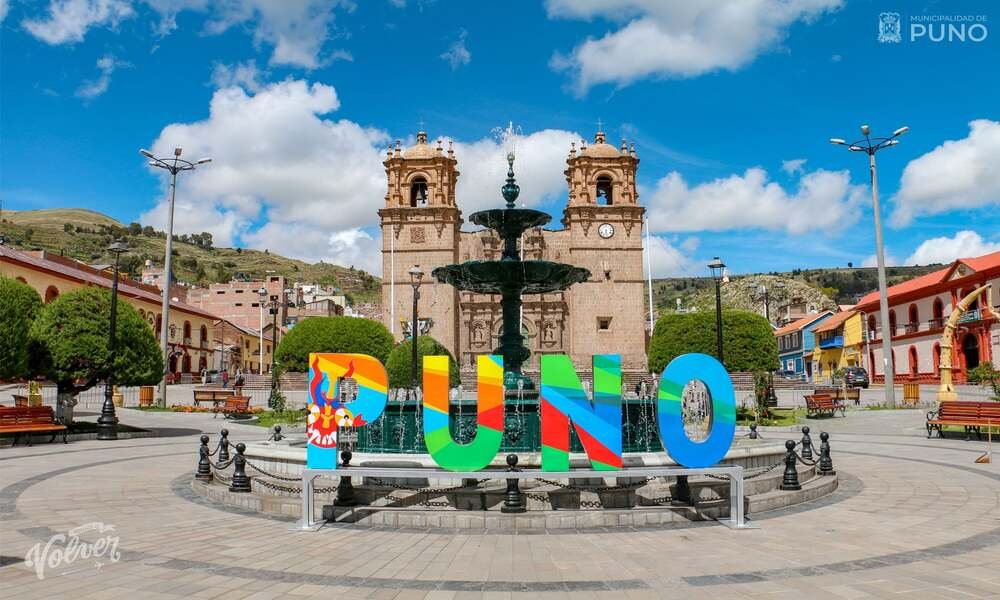
Puno is located in southern Peru, on the shores of the famous Lake Titicaca , the highest navigable lake in the world. The city sits at approximately 3,830 meters above sea level . This altitude makes it a breathtaking destination for its landscapes, culture, and traditions, but it can also affect the health of those unaccustomed to the altitude.
What is altitude sickness?
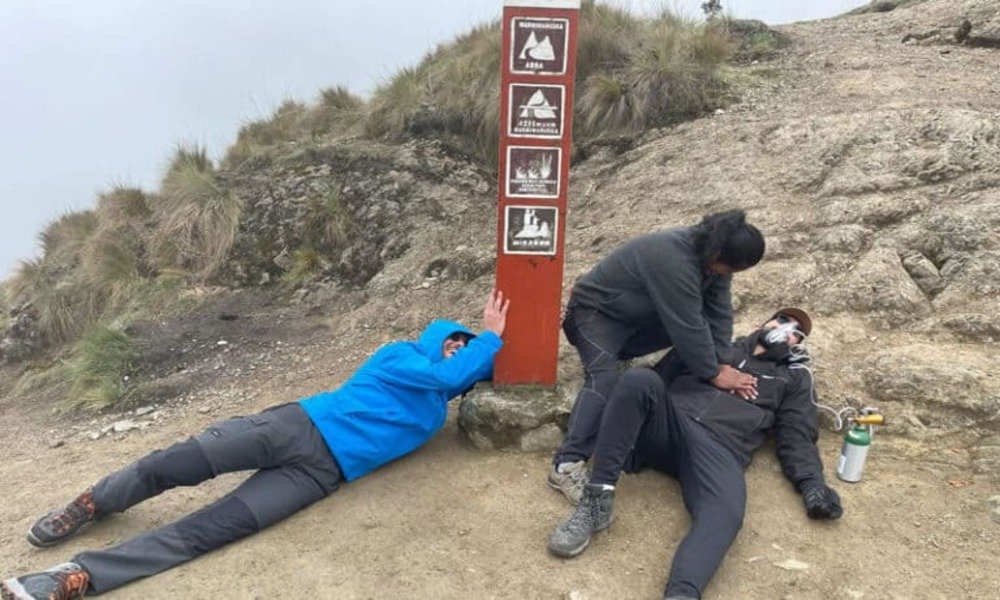
Altitude sickness , also known as soroche , is a set of symptoms that occur when the body does not receive enough oxygen due to high altitude. This happens mainly in places above 2,500 meters above sea level , such as Puno, Cusco, or La Paz.

Causes of altitude sickness
When we ascend rapidly to high altitudes, the air contains less oxygen than at sea level. The body needs time to adapt, and in the meantime, it may experience various symptoms. Factors that increase the risk include:
Ascend very quickly from low areas.
Perform intense physical exertion during the first few days.
No hidratarse adecuadamente.
Sleeping little or poorly during the first few days at altitude.
Common symptoms
Altitude sickness can range from mild to severe, and includes:
Persistent headache
Dizziness or feeling of unsteadiness
Extreme tiredness and fatigue
Difficulty breathing, especially when exerting oneself
Nausea or loss of appetite
Palpitations or insomnia
Types of altitude sickness
Mild: Headache, tiredness and mild dizziness; usually disappears with rest and adaptation.
Moderate: In addition to mild symptoms, it may include nausea, vomiting, and difficulty sleeping.
Severe: Very rare, but can cause dangerous lack of oxygen, fluid buildup in the lungs or brain (edema), requiring immediate medical attention.
Prevention and relief
Acclimate gradually: Do not ascend abruptly to high altitudes.
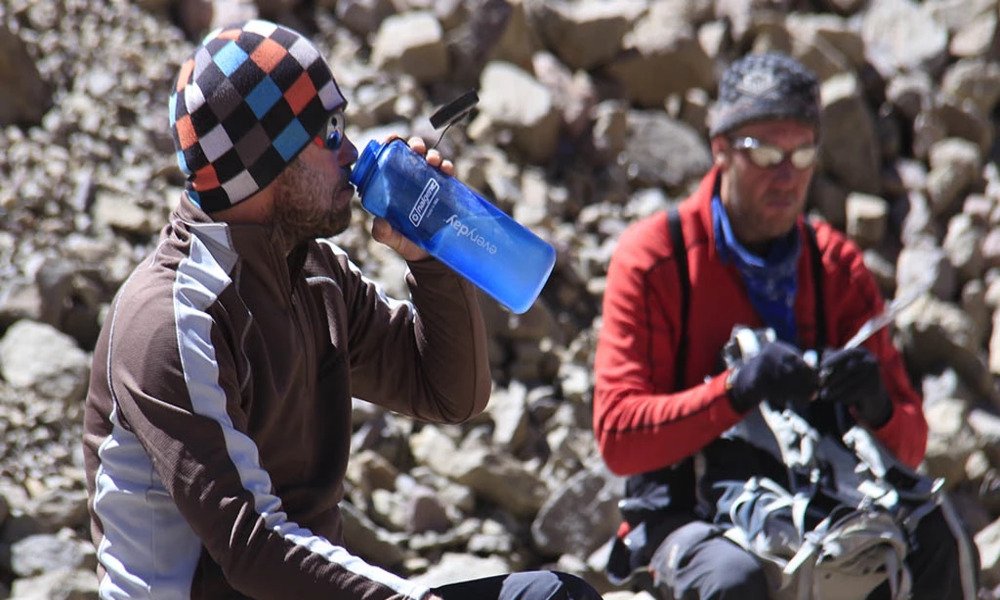
Stay constantly hydrated: Water helps maintain body pressure and oxygenation.
Eat light: Avoid heavy meals or alcohol.
Avoid physical exertion: Give the body time to adapt.
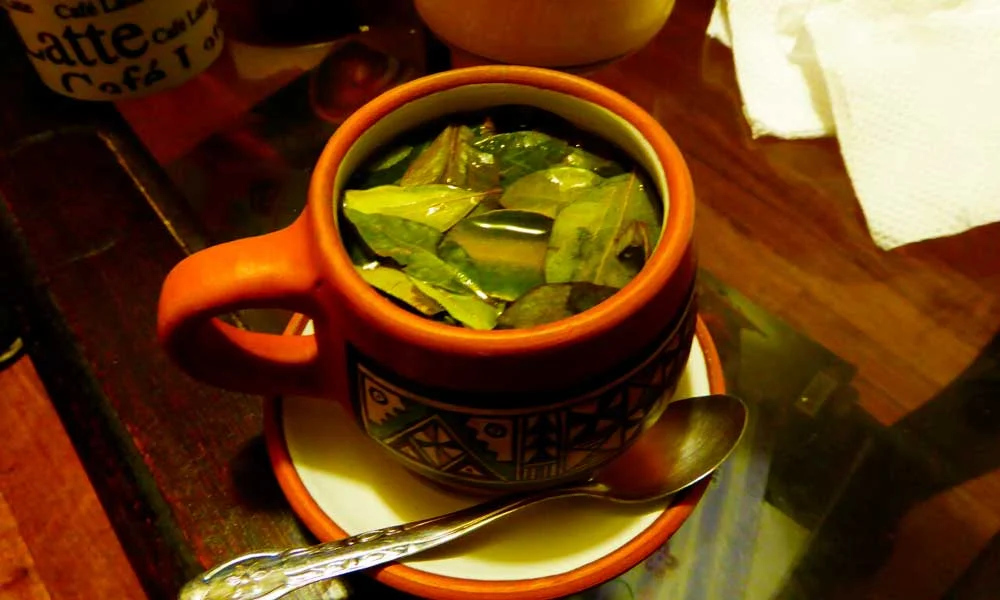
Traditional remedies: In Andean regions , coca leaves or coca tea are usedto relieve mild symptoms.
Fun facts
Altitude sickness does not affect everyone equally; some people acclimatize quickly while others may feel unwell even at moderate altitudes.
The body adapts over time by producing more red blood cells , which improves oxygenation.
Even local residents can experience altitude sickness if they travel to higher altitudes than they are used to.
Factors that increase risk
Reaching from low areas quickly
No descansar lo suficiente
Do intense exercise the first few days
No hidratarse correctamente
Tips to prevent or relieve altitude sickness
Acclimate gradually : If possible, spend one or two days in a lower altitude city before arriving in Puno.
Constant hydration : Drinking enough water helps the body adapt better.
Light meals : Avoid heavy meals and alcohol during the first few days.
Traditional remedies : In the region it is common to consume coca leaves or coca tea , which help to relieve symptoms.
Rest and avoid physical exertion : Take things easy during the first few days .
Fun facts about Puno and its altitude
Puno is known as the “Folklore Capital of Peru” , and its altitude is part of its cultural identity according to the Peruvian Government.
Lake Titicaca is not only a tourist attraction, but it also influences the climate of the region: the days are sunny, but the nights can be very cold .
Many tourists experience altitude sickness upon arrival, but most acclimatize within a day or two and can enjoy the city without problems .