


Añashuayco Quarries Route of the Sillar
S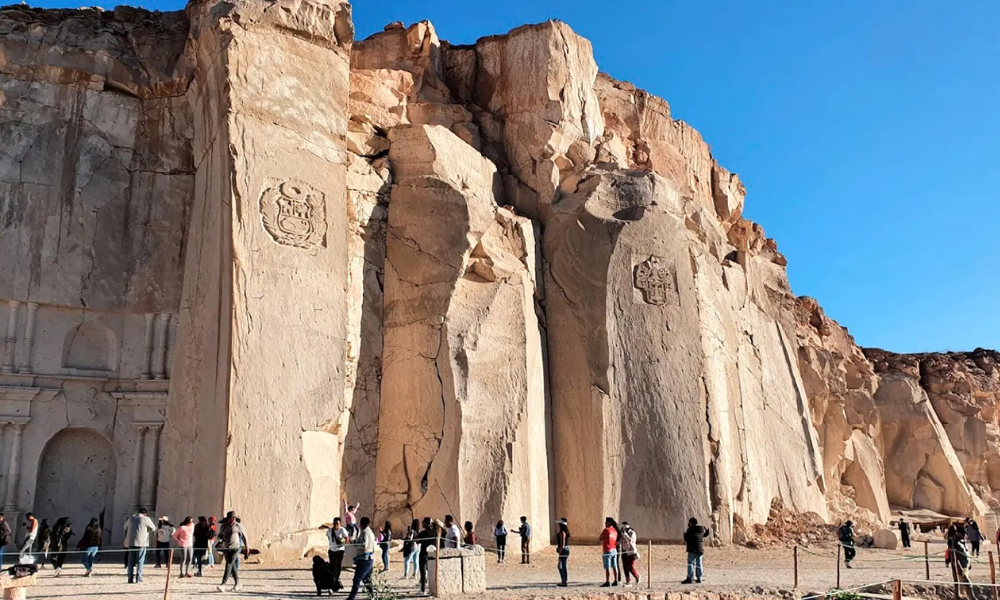
Añashuayco Quarries Route of the Sillar
The Añashuayco Quarries, located on the Sillar Route, are one of the most interesting places in Arequipa. This immense canyon of white volcanic rock is where, for centuries, sillar stone has been quarried for use in building churches, large houses, and monuments that now characterize the architecture of the White City.
The excursion, which combines culture, history, traditional crafts, and exceptional natural scenery, is an irreplaceable experience for those traveling to Arequipa.
A Brief History of the Sillar
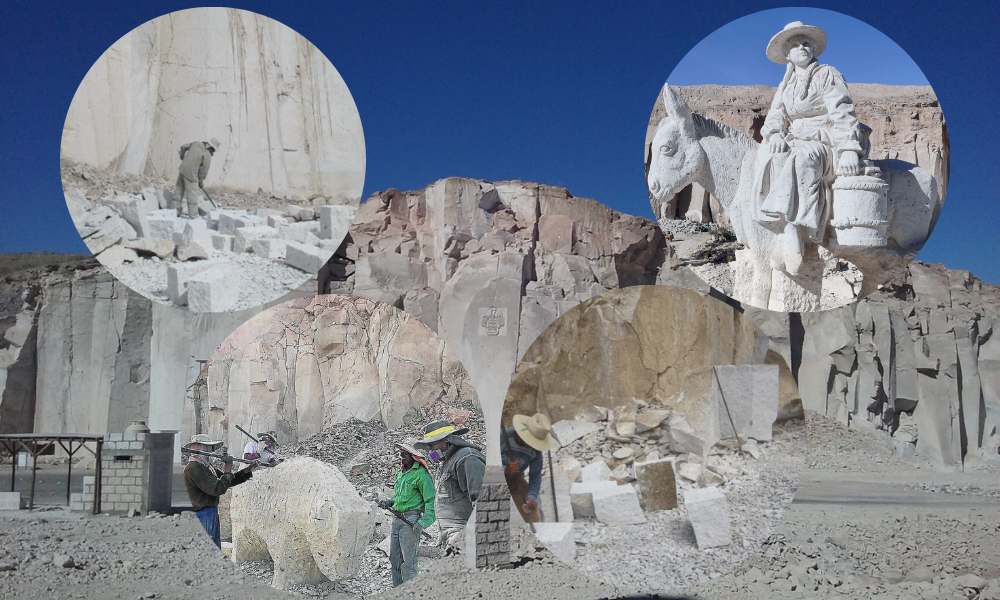
Sillar, a porous volcanic rock, originates from ancient eruptions of the Chachani and Misti volcanoes. This material, which is light and durable, began to be widely used during colonial times and is responsible for Arequipa’s distinctive white appearance.
Natural erosion and the passage of time were the forces that gave rise to the Añashuayco quarries, as they impacted the layers of petrified volcanic ash. For more than 400 years, stonemasons have been working with this stone using traditional methods that have been passed down from one generation to the next.
The stonecutters extract blocks manually using chisels and picks, maintaining a traditional process that reflects Arequipa’s cultural heritage. This tradition is considered one of the most significant activities in the colonial and republican construction of the city.
The Sillar Route as a tourist attraction
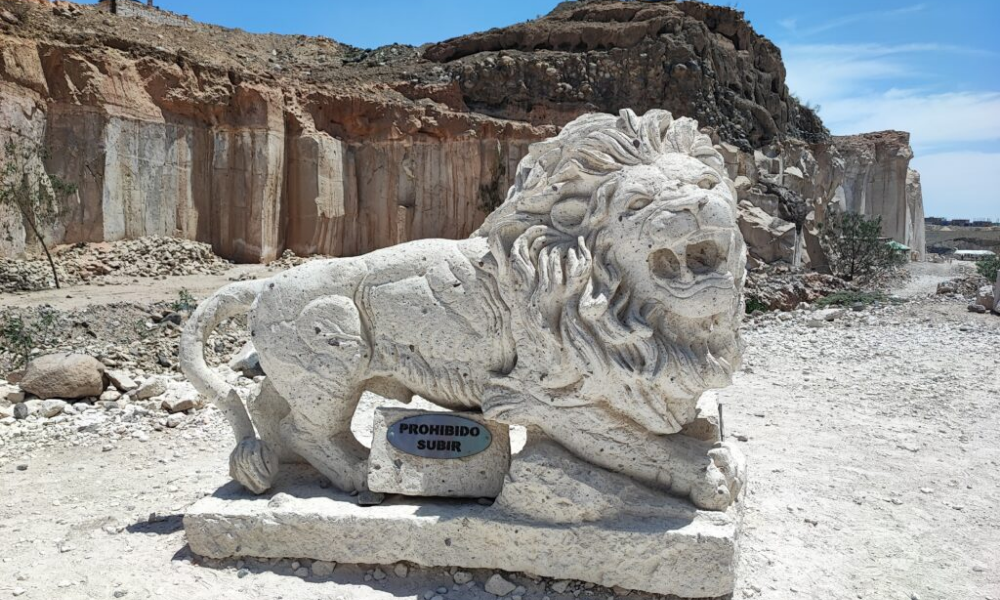
In recent times, the Ruta del Sillar has evolved into a cultural tour that gives visitors the opportunity to see the place of origin of Arequipa’s emblematic material, appreciate the work of artisans, and traverse a canyon with white walls that seem to have been sculpted by time.
Sculptures in the quarry and natural architecture
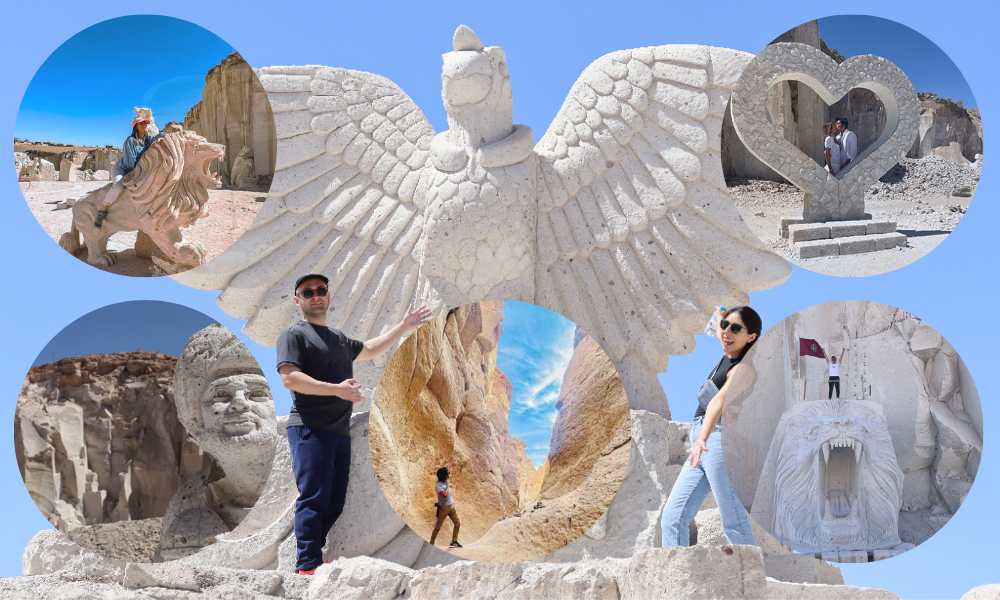
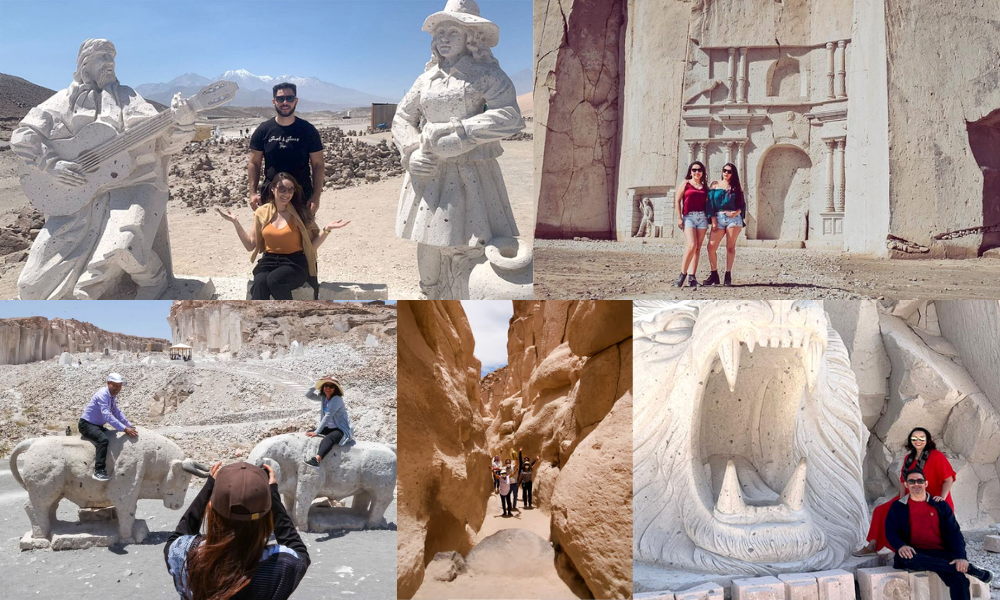
The ashlar walls, which are over 15 meters high and create an impressive natural corridor, are a characteristic feature of the Añashuayco landscape. In this setting, local artisans have carved figures such as the following:
Representations of Andean animals
Religious sculptures
Iconography of Arequipa
Modern carvings made from large blocks
The visit becomes an unforgettable visual experience when tradition, art, and nature come together.
Best time to visit the Ruta del Sillar
The lighting on the white walls of the canyon varies throughout the day. For this reason, the following times are suggested:
Tomorrow: from 8 a.m. to 10:30 a.m.
Cool weather and soft light, perfect for taking photographs.
Afternoon: 3:30 to 5:00 p.m.
Golden tones in the stonework, ideal for capturing texture and relief.
The light may be more intense and the heat higher at midday for photography.
Visitor experience
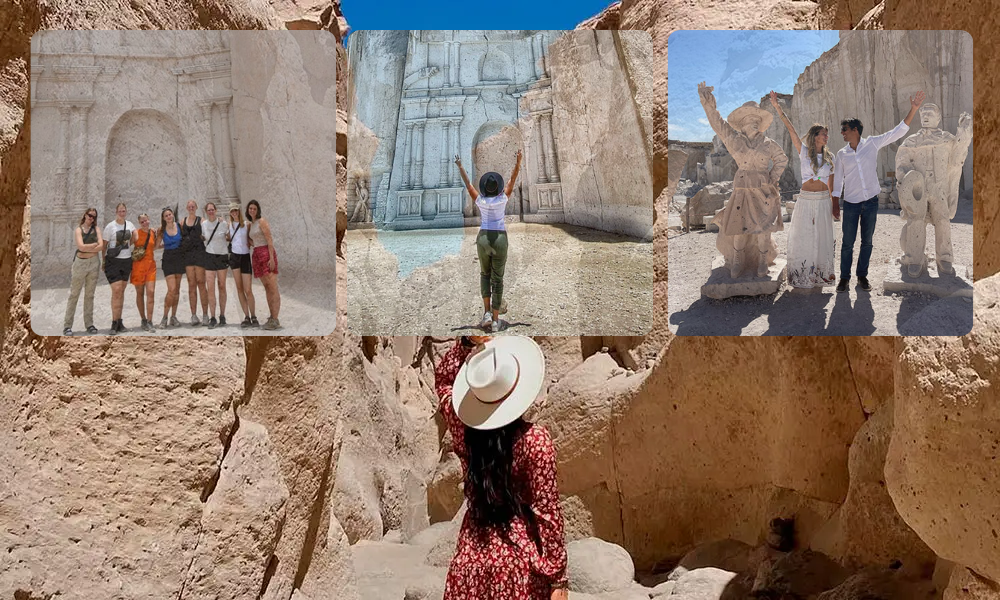
The duration of the visit, which depends on the pace of the group, is usually between 1.5 and 2 hours.
Throughout the visit, visitors learn about:
The production of ashlar stone
The work of stonemasons
The importance of the material in Arequipa’s architecture
The process of extracting, sculpting, and transporting
Symbolic meaning of the sculptures located in the canyon
The setting is spacious, quiet, and suitable for examining details of the rock and the ancestral work.
Recommendations for visitors
Wear durable shoes for walking on rough terrain.
As the reflection from the stone increases the intensity of the sun, it is advisable to wear a hat and sunscreen.
Have water available, especially on hot days.
Respect the work areas of the stonemasons.
Stay away from loose blocks and edges to avoid risks.
For greater comfort, avoid visiting during peak sunlight hours.
Hire a guide to better understand the craftsmanship and history of ashlar.
Be respectful to artisans and ask for permission before taking close-up photos.